Bernard F. Reilly – författare
Visar alla böcker från författaren Bernard F. Reilly. Handla med fri frakt och snabb leverans.
11 produkter
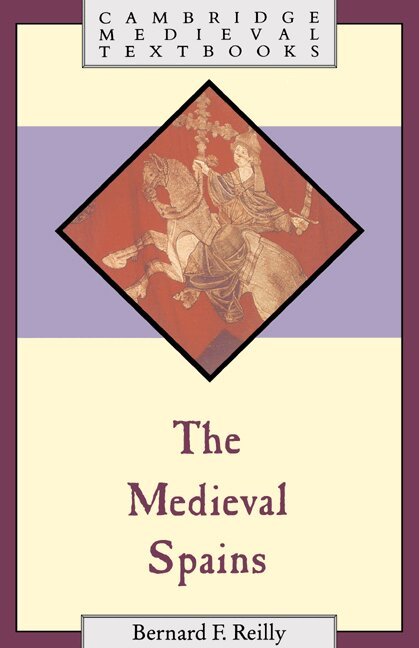
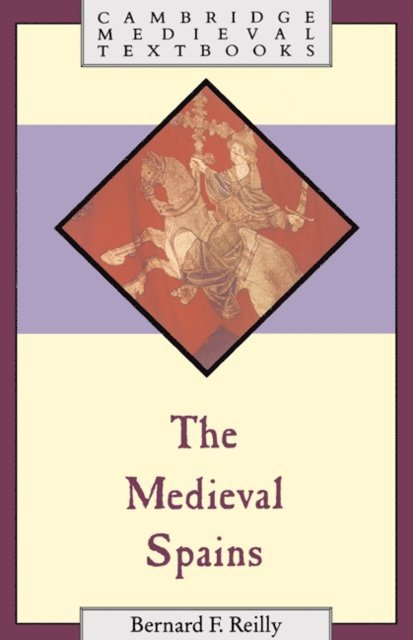
The Medieval Spains
Inbunden, 1993
1391 kr
Lägg i varukorg
This book traces the political evolution of the Iberian peninsula from a group of late Roman imperial provinces to the Spanish and Portuguese monarchies of the Trastamara and Braganza dynasties of the mid-fifteenth century. The book is planned as a series of essays on the main chronological periods …
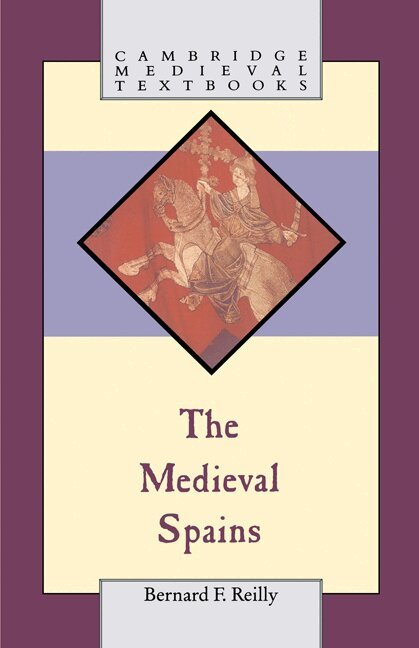
The Medieval Spains
Häftad, 1993
552 kr
Lägg i varukorg
This book traces the political evolution of the Iberian peninsula from a group of late Roman imperial provinces to the Spanish and Portuguese monarchies of the Trastamara and Braganza dynasties of the mid-fifteenth century. The book is planned as a series of essays on the main chronological periods …
Contest of Christian and Muslim Spain 1031 - 1157
Häftad, 1995
583 kr
Lägg i varukorg
This book is the first account of the period to consider both Christian and Muslim Spain. The author discusses the various societies, cultures and governments of Muslim and Christian Iberia in the centuries of their critical confrontation. Beginning with the disintegration of the caliphate at …
Kingdom of León-Castilla Under King Alfonso VII, 1126-1157
Inbunden, 1998
1052 kr
Lägg i varukorg
The reign of Alfonso VII occupied more than a quarter century during which the political landscape of medieval Spain was altered significantly. It was marked by the enhancement of royal administration, an increased papal intervention in the affairs of the peninsular church, and the development of …
Medieval Spains
E-bok, 1993
526 kr
Lägg i varukorg
This book traces the political evolution of the Iberian peninsula from a group of late Roman imperial provinces to the Spanish and Portuguese monarchies of the Trastamara and Braganza dynasties of the mid-fifteenth century. The book is planned as a series of essays on the main chronological periods …
Medieval Spains
E-bok, 1993
520 kr
Lägg i varukorg
This book traces the political evolution of the Iberian peninsula from a group of late Roman imperial provinces to the Spanish and Portuguese monarchies of the Trastamara and Braganza dynasties of the mid-fifteenth century. The book is planned as a series of essays on the main chronological periods …
Kingdom of León-Castilla Under King Alfonso VII, 1126-1157
E-bok, 2016
1242 kr
Lägg i varukorg
The reign of Alfonso VII occupied more than a quarter century during which the political landscape of medieval Spain was altered significantly. It was marked by the enhancement of royal administration, an increased papal intervention in the affairs of the peninsular church, and the development of …
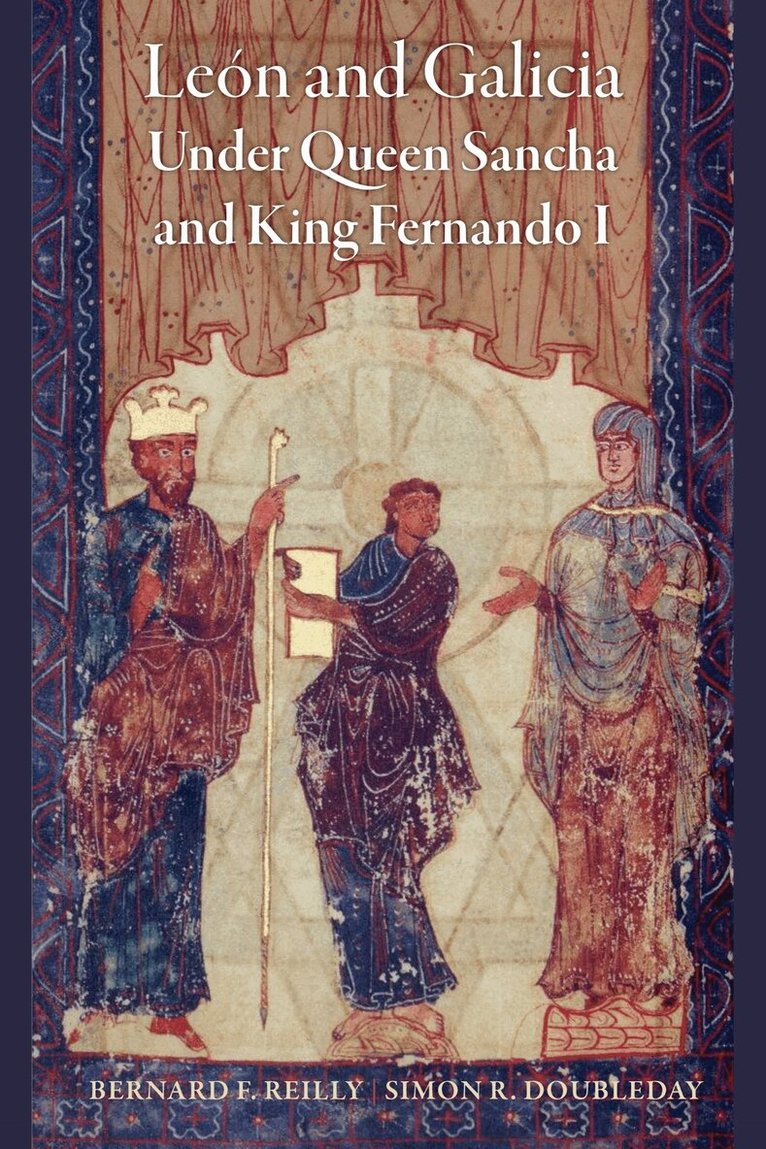
León and Galicia Under Queen Sancha and King Fernando I
Av Bernard F. Reilly, Simon R. Doubleday
Inbunden, 2024
754 kr
Lägg i varukorg
A corrective to conventional accounts of the reign of Queen Sancha and King Fernando I in medieval IberiaAcclaimed historians Bernard F. Reilly and Simon R. Doubleday tell the story of the reign of Queen Sancha and King Fernando I, who together ruled the territories of León and Galicia between 1038 …
León and Galicia Under Queen Sancha and King Fernando I
Av Bernard F. Reilly, Simon R. Doubleday
E-bok, 2024
805 kr
Lägg i varukorg
A corrective to conventional accounts of the reign of Queen Sancha and King Fernando I in medieval Iberia Acclaimed historians Bernard F. Reilly and Simon R. Doubleday tell the story of the reign of Queen Sancha and King Fernando I, who together ruled the territories of León and Galicia between …