Häftad, Engelska, 1999
382 kr
Skickas inom 5-8 vardagar
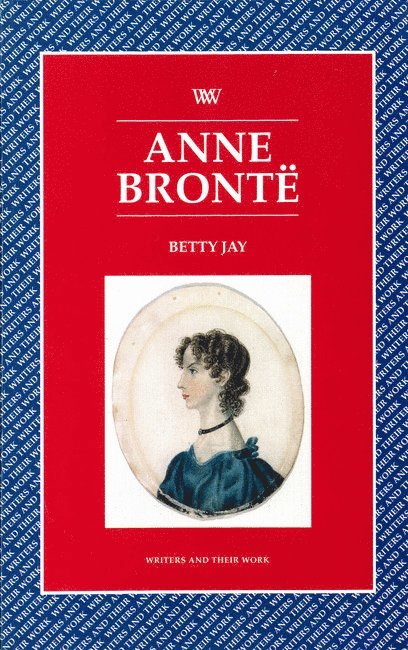
Anne Brontë’s Agnes Grey (1847) and The Tenant of Wildfell Hall (1848) each offer a fascinating account of the relation between gender and power in nineteenth-century Britain. While Brontë’s first novel focuses on the governess and education, it shares, with The Tenant of Wildfell Hall, a concern with female disempowerment and the ways in which forms of tyranny can be resisted. Through her inscriptions of the complex intersections of gender, class, sexuality and education, it becomes clear that Anne Brontë articulates and interrogates those issues which still remain crucial to feminist debates at the close of the twentieth-century. Drawing upon recent literary and critical scholarship, Betty Jay sets out to re-evaluate Brontë’s novels by arguing that this engagement is as incisive as it is compelling. The need to re-appraise Brontë’s work in the light of contemporary critical discourse also extends to include her poetry. To this end, close textual readings of a selection of the poems show the extent to which the simplicity and sentiment conventionally ascribed to the verse deceive the reader, working to conceal Anne Brontë’s more intricate and powerful poetics of subjectivity and loss.