Bijan Rouhani – författare
Visar alla böcker från författaren Bijan Rouhani. Handla med fri frakt och snabb leverans.
5 produkter
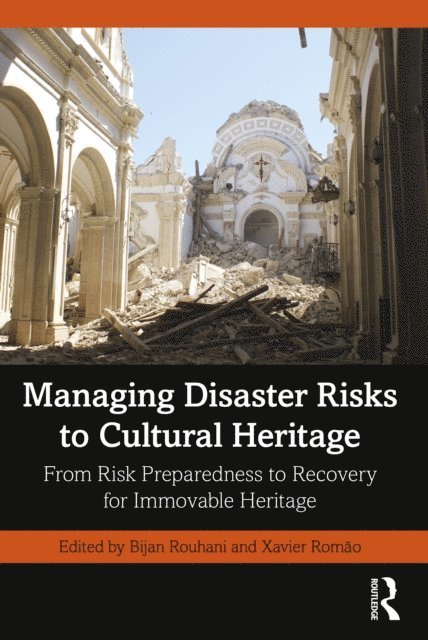
Managing Disaster Risks to Cultural Heritage
From Risk Preparedness to Recovery for Immovable Heritage
Av Xavier Romao, Bijan Rouhani
E-bok, 2023
785 kr
Lägg i varukorg
Managing Disaster Risks to Cultural Heritage presents case studies from different regions in the world and establishes a framework for understanding, identifying, and analysing disaster risks to immovable cultural heritage. Featuring contributions from academics and practitioners from around the …
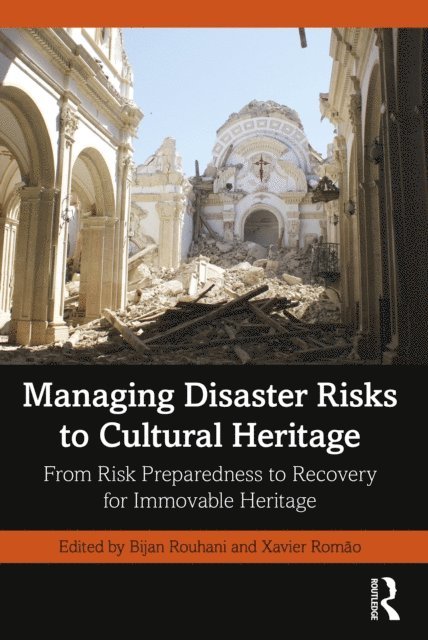
Managing Disaster Risks to Cultural Heritage
From Risk Preparedness to Recovery for Immovable Heritage
Av Xavier Romao, Bijan Rouhani
E-bok, 2023
785 kr
Lägg i varukorg
Managing Disaster Risks to Cultural Heritage presents case studies from different regions in the world and establishes a framework for understanding, identifying, and analysing disaster risks to immovable cultural heritage. Featuring contributions from academics and practitioners from around the …
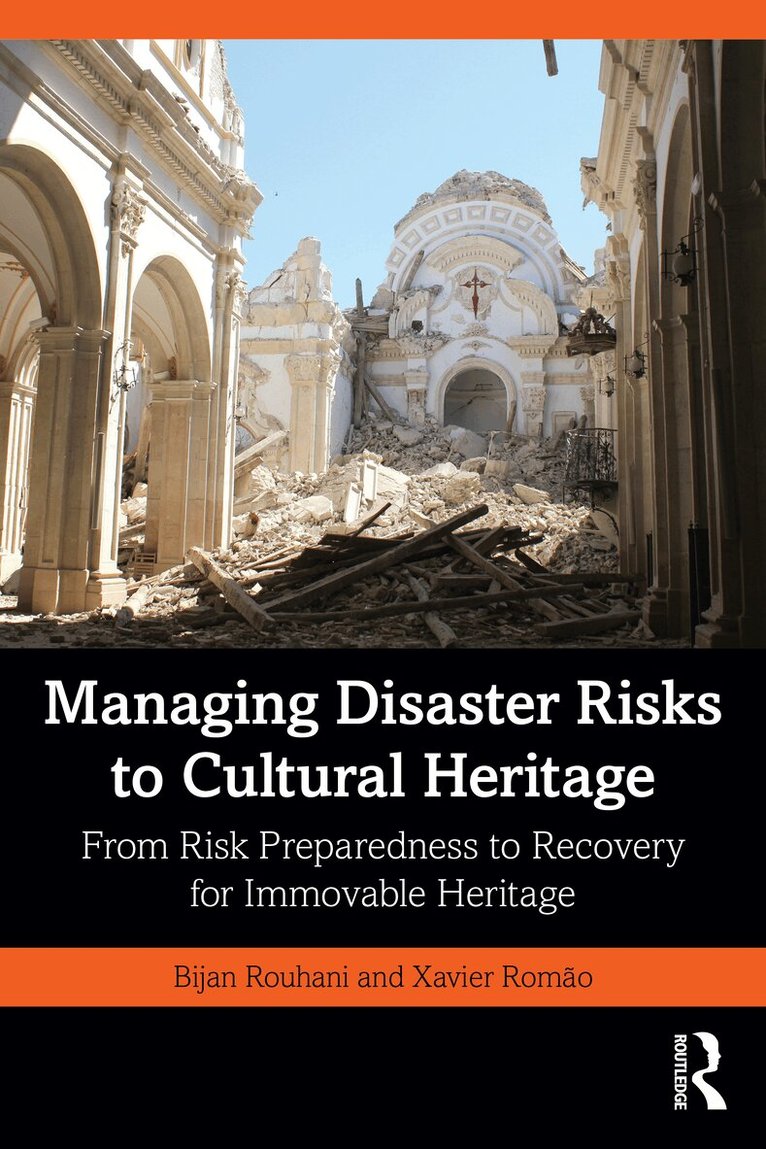
Managing Disaster Risks to Cultural Heritage
From Risk Preparedness to Recovery for Immovable Heritage
Av Bijan Rouhani, Xavier Romão
Häftad, 2023
648 kr
Lägg i varukorg
Managing Disaster Risks to Cultural Heritage presents case studies from different regions in the world and establishes a framework for understanding, identifying, and analysing disaster risks to immovable cultural heritage. Featuring contributions from academics and practitioners from around the …
Managing Disaster Risks to Cultural Heritage
From Risk Preparedness to Recovery for Immovable Heritage
Av Bijan Rouhani, Xavier Romão
Inbunden, 2023
2512 kr
Lägg i varukorg
Managing Disaster Risks to Cultural Heritage presents case studies from different regions in the world and establishes a framework for understanding, identifying, and analysing disaster risks to immovable cultural heritage. Featuring contributions from academics and practitioners from around the …
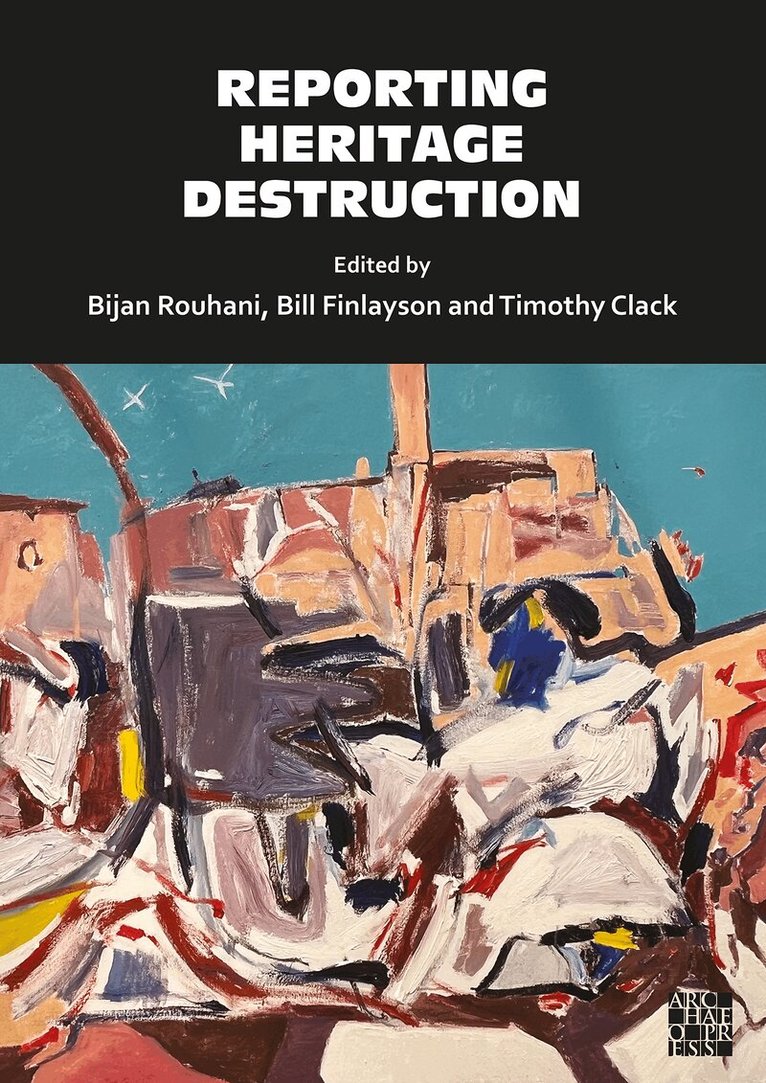
Reporting Heritage Destruction
Av Bijan Rouhani, Bill Finlayson m. fl.
Häftad, 2025
951 kr
Tillfälligt slut
The contributions in this volume, an output of the University of Oxford’s Endangered Cultural Heritage of the Global South (ECHGS) Hub, speak to some fundamental questions about the reporting of heritage destruction: who is reporting, what is being reported and how, and what are the implications of …