Bill Cooke - Böcker
Visar alla böcker från författaren Bill Cooke. Handla med fri frakt och snabb leverans.
10 produkter
10 produkter
174 kr
Skickas inom 5-8 vardagar
370 kr
Tillfälligt slut
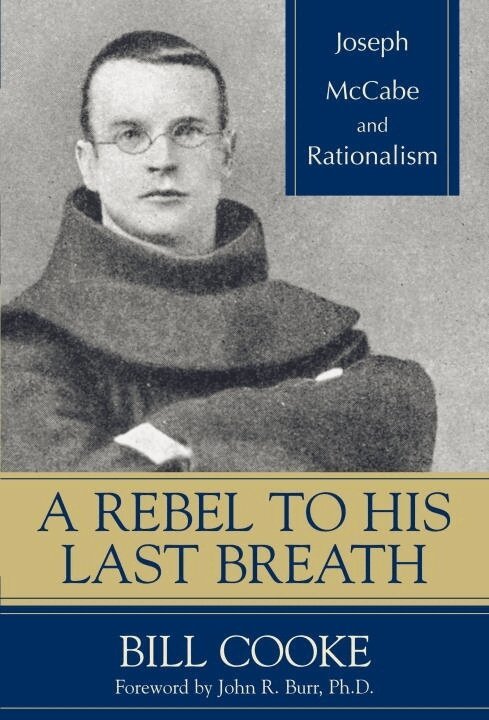
This is the first biography of Joseph McCabe (1867-1955), a former Catholic priest who became one of the best-known champions and a prolific populariser of free-thought and rationalism in the first half of the 20th century. McCabe's encyclopaedic curiosity, rigorous scholarship, and above all his unswerving intellectual honesty led him through a tumultuous career of public lecturing and debating, and an incredible output of over 200 books. He tackled the most controversial issues of the modern era: evolution, biblical errancy, belief in God, immorality, spiritualism, capitalism vs. socialism, women's rights, and many other topics. Much of his writing was published in the form of the "Little Blue Books" by E Haldeman-Julius, who declared McCabe to be 'the world's greatest scholar'. Today in our post-modern period, where Enlightenment values are being questioned and irrationalism in many guises has become fashionable, McCabe's gift for rational inquiry, respect for scientific evidence, and lucid, no-nonsense prose are both relevant and welcome.
334 kr
Skickas inom 5-8 vardagar
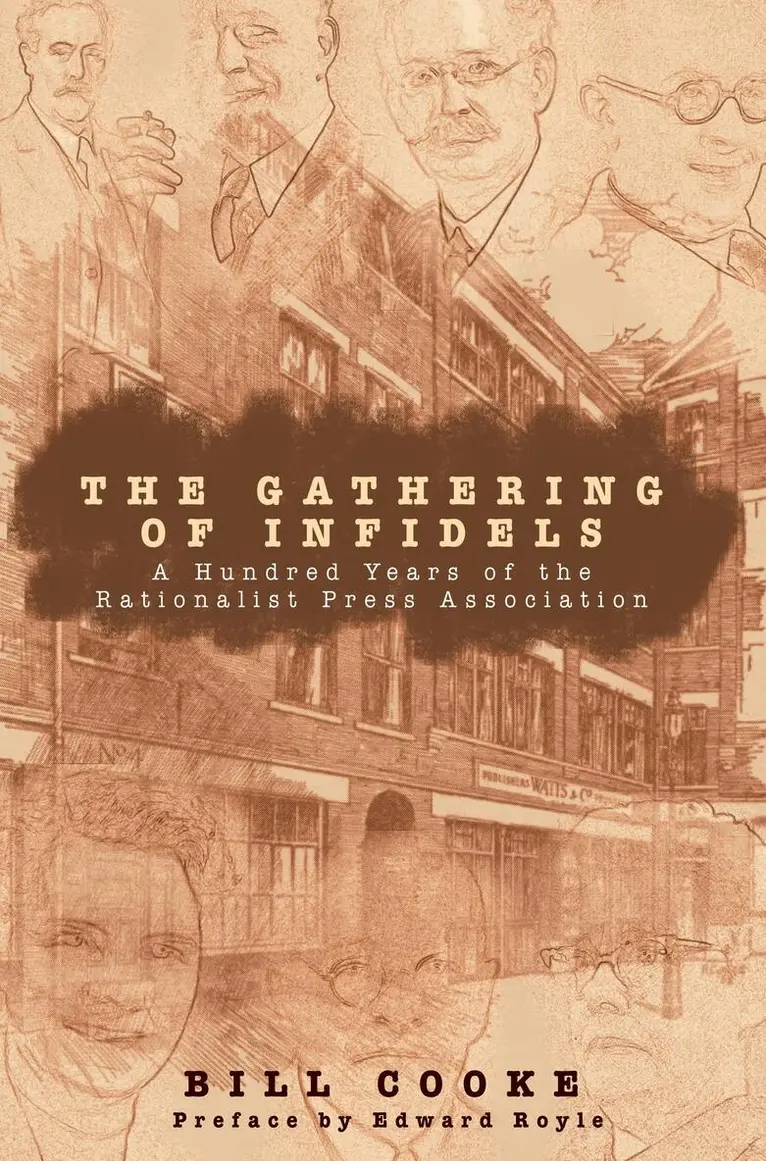
Experienced freethought historian, Bill Cooke has written the first history of the Rationalist Press Association (RPA), delving deeply into its archives to tell a fascinating and illuminating story. Its Honorary Associates have included such luminaries of the 20th century as Albert Einstein, Sigmund Freud, J. B. S. Haldane, Julian Huxley, Somerset Maugham, Bertrand Russell, H. G. Wells, and others. This scholarly yet highly readable and witty history of the RPA will be welcomed by all who value reason as humanity's best hope for the future.
790 kr
Tillfälligt slut
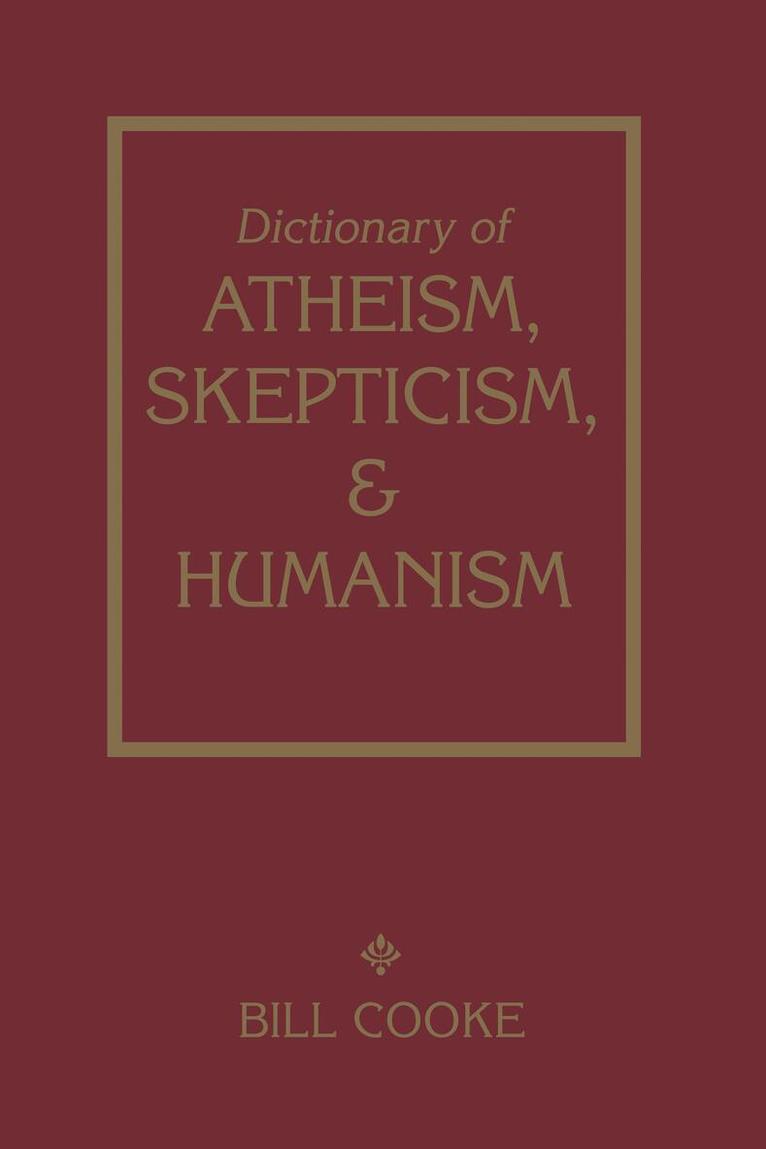
In the tradition of Voltaire's Philosophical Dictionary, Ambrose Bierce's Devil's Dictionary, and Joseph McCabe's Rationalist Encyclopedia, this accessible dictionary addresses the contemporary need for a reference book that succinctly summarizes the key concepts, current terminology, and major contributions of influential thinkers broadly associated with atheism, skepticism, and humanism. In the preface, author Bill Cooke notes that his work is intended "for freethinkers in the broadest sense of the word: people who like to think for themselves and not according to the preplanned routes set by others." This dictionary will serve as a guide for all those people striving to lead fulfilling, morally responsible lives without religious belief. Readers are offered a wide range of concepts, from ancient, well-known notions such as God, free will, and evil to new concepts such as "eupraxsophy." Also included are current "buzzwords" that have some bearing on the freethought worldview such as "metrosexual." The names of many people whose lives or work reflect freethought principles form a major portion of the entries. Finally, a humanist calendar is included, on which events of interest to freethinkers are noted.This unique, accessible, and highly informative work will be a welcome addition to the libraries of open-minded people of all philosophic persuasions.
349 kr
Tillfälligt slut
Humanism is a relatively young word, coined only in 1808, and yet it is the most transcultural mode of thought ever conceived. Centered on the plight of all humans in the here and now and committed to reason, free thought, and producing a better, more democratic world, humanism encompasses positive and constructive perspectives and goals.In this enlightening study, Bill Cooke, author and independent scholar, explores the history of humanism—the word, the concept, and the thinkers who identify themselves as humanist (or ought to). Investigating the works and lives of humanists from England to Nigeria, New Zealand, America, China, India, and beyond, Cooke reveals that humanism is not only the most transcultural of perspectives but also one of the oldest, with roots that can be traced back to ancient cultures.Until now there has never been an account of humanism that outlines and acknowledges the extent of its cultural and intellectual richness, not only for American and Western humanism, but also for the less well-known humanist traditions of Asia, the Near East, and Africa. In this extensive yet accessible overview of the global humanist tradition, Cooke shows that humanism has indeed produced a wealth of insights.
344 kr
Skickas inom 5-8 vardagar
Del 79 - Liverpool Science Fiction Texts & Studies
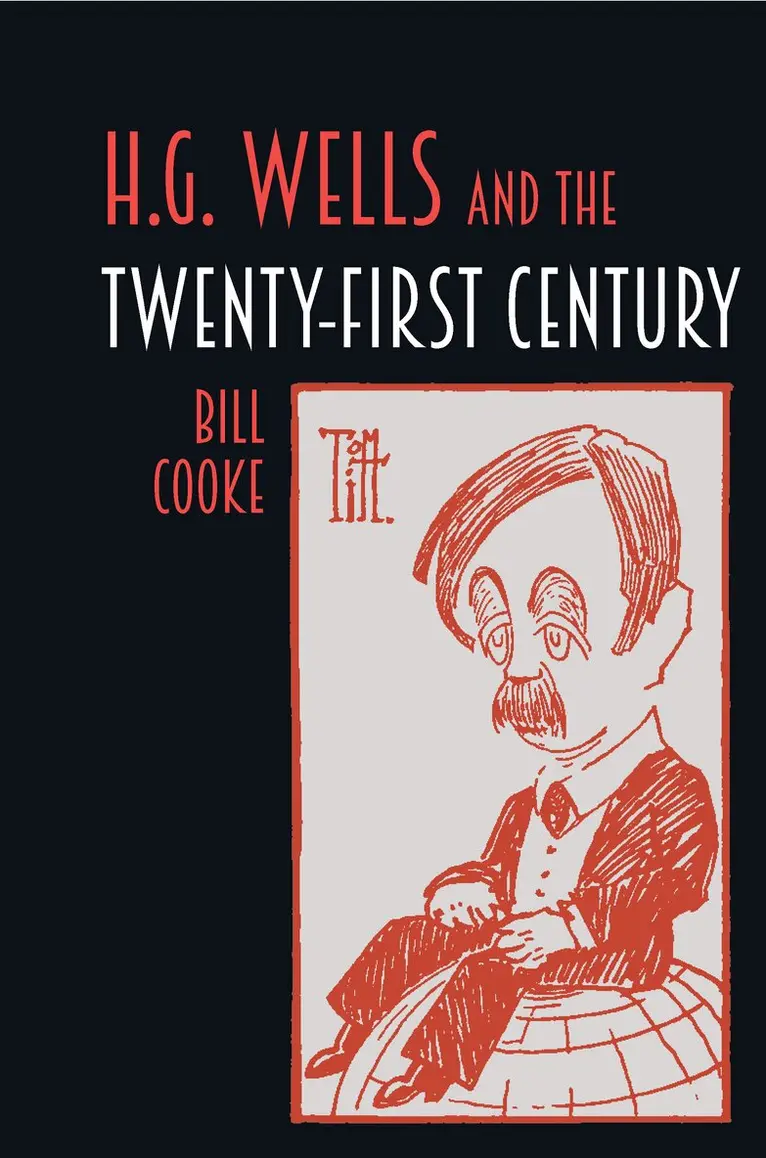
H.G. Wells and the Twenty-First Century
Häftad, Engelska, 2026
513 kr
Skickas inom 7-10 vardagar
H.G. Wells has been branded as a novelist who betrayed his vocation. But Wells saw himself as what we would today call a public intellectual. How credible is this claim? And what happens when we look at him in this way? So typecast has Wells’s reputation become that neither of these questions has been previously asked, but when we look at Wells as a thinker we find a whole new quality to his later works, which have invariably been dismissed by literary scholars as of low quality or even not worth reading. In particular, Wells’s prescience as a prophet of our current environmental problems stands out - for example, he foresaw anthropogenic climate change as early as 1931. Popular conceptions of Wells as racist, imperialist and eugenicist are also challenged. What emerges is a new perspective on a significant public intellectual and- pioneering prophet of the twenty-first century.
Del 79 - Liverpool Science Fiction Texts & Studies
H.G. Wells and the Twenty-First Century
Inbunden, Engelska, 2023
2 128 kr
Skickas inom 7-10 vardagar
H.G. Wells has been branded as a novelist who betrayed his vocation. But Wells saw himself as what we would today call a public intellectual. How credible is this claim? And what happens when we look at him in this way? So typecast has Wells’s reputation become that neither of these questions has been previously asked, but when we look at Wells as a thinker we find a whole new quality to his later works, which have invariably been dismissed by literary scholars as of low quality or even not worth reading. In particular, Wells’s prescience as a prophet of our current environmental problems stands out - for example, he foresaw anthropogenic climate change as early as 1931. Popular conceptions of Wells as racist, imperialist and eugenicist are also challenged. What emerges is a new perspective on a significant public intellectual and- pioneering prophet of the twenty-first century.
502 kr
Skickas inom 10-15 vardagar
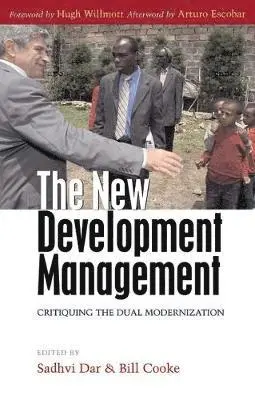
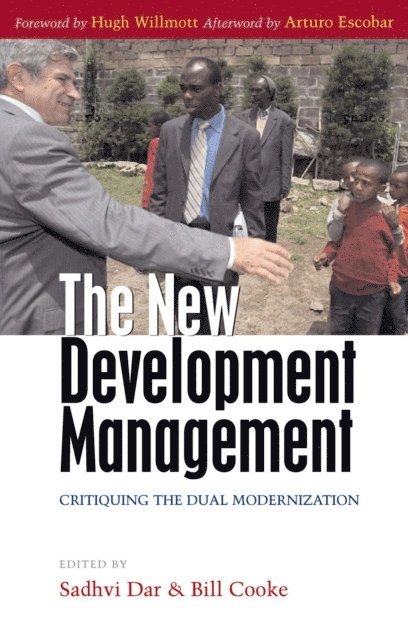
'Development management' is an idea that blends the seemingly innocuous claims of managerialism with notions of modernity and utopian ideals of 'third world' progress. This book views both phenomena as problematic and modernizing interventions. In doing so, it overturns and reclaims such ideas as participation, community, governance, NGOs, and civil society. The contributors argue that the practices of development are often threaded together by the language of managerialism - reports, logframe, encounters with the boss - yet all of these serve to further development's disengagement from the mundane.In voicing such concerns about the way development is going, and about the encroachment of managerialism, The New Development Management will breathe fresh life into post-development debates.
434 kr
Skickas inom 10-15 vardagar
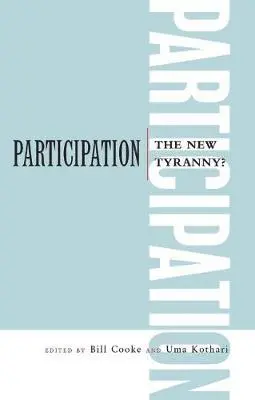
This book is about participatory development's potential for tyranny, showing how it can lead to the unjust and illegitimate exercise of power. It is the first book-length treatment to address the gulf between the almost universally fashionable rhetoric of participation, which promises empowerment and appropriate development on the one hand, and what actually happens when consultants and activists promote and practise participatory development, on the other.The contributors, all social scientists and development specialists, come from various disciplines and a wide variety of hands on experience. Their aim is to provide a sharp contrast to the seductive claims of participation, and to warn its advocates of the pitfalls and limitations of participatory development. The book also challenges participatory practitioners and theorists to reassess their own role in promoting a set of practices which are at best naive about questions of power, and at worst serve systematically to reinforce, rather than overthrow, existing inequalities.For the recipients of participatory development this book provides critical insights into the history, institutions, and day-to-day activities through which participation is 'done to' them. It provides them with a range of arguments which support the legitimate decision not to participate on others' terms.This rigorous and provocative understanding of participatory development is one which donors, academics and practitioners will find hard to ignore.