Board on the Health of Select Populations – författare
Visar alla böcker från författaren Board on the Health of Select Populations. Handla med fri frakt och snabb leverans.
29 produkter
29 produkter
Häftad, Engelska, 2012
573 kr
Skickas
Prior to the military conflicts in Iraq and Afghanistan, wars and conflicts have been characterized by such injuries as infectious diseases and catastrophic gunshot wounds. However, the signature injuries sustained by United States military personnel in these most recent conflicts are blast wounds and the psychiatric consequences to combat, particularly posttraumatic stress disorder (PTSD), which affects an estimated 13 to 20 percent of U.S. service members who have fought in Iraq or Afghanistan since 2001. PTSD is triggered by a specific traumatic event - including combat - which leads to symptoms such as persistent re-experiencing of the event; emotional numbing or avoidance of thoughts, feelings, conversations, or places associated with the trauma; and hyperarousal, such as exaggerated startle responses or difficulty concentrating. As the U.S. reduces its military involvement in the Middle East, the Departments of Defense (DoD) and Veterans Affairs (VA) anticipate that increasing numbers of returning veterans will need PTSD services.As a result, Congress asked the DoD, in consultation with the VA, to sponsor an IOM study to assess both departments' PTSD treatment programs and services. Treatment for Posttraumatic Stress Disorder in Military and Veteran Populations: Initial Assessment is the first of two mandated reports examines some of the available programs to prevent, diagnose, treat, and rehabilitate those who have PTSD and encourages further research that can help to improve PTSD care.
Häftad, Engelska, 2013
385 kr
Skickas
Beginning with the development of the atomic bomb during World War II, the United States continued to build nuclear weapons throughout the Cold War. Thousands of people mined and milled uranium, conducted research on nuclear warfare, or worked in nuclear munitions factories around the country from the 1940s through the 1980s. Such work continues today, albeit to a smaller extent. The Department of Energy (DOE) is now responsible for overseeing those sites and facilities, many of which were, and continue to be, run by government contractors. The materials used at those sites were varied and ranged from the benign to the toxic and highly radioactive. Workers at DOE facilities often did not know the identity of the materials with which they worked and often were unaware of health risks related to their use. In many instances, the work was considered top secret, and employees were cautioned not to reveal any work-related information to family or others. Workers could be exposed to both radioactive and nonradioactive toxic substances for weeks or even years.Consequently, some of the workers have developed health problems and continue to have concerns about potential health effects of their exposures to occupational hazards during their employment in the nuclear weapons industry. In response to the concerns expressed by workers and their representatives, DOL asked the Institute of Medicine (IOM) to review the SEM database and its use of a particular database, Haz-Map, as the source of its toxic substance-occupational disease links. Accordingly, this IOM consensus report reflects careful consideration of its charge by the committee, and describes the strengths and shortcomings of both. To complete its task, IOM formed an ad hoc committee of experts in occupational medicine, toxicology, epidemiology, industrial hygiene, public health, and biostatistics to conduct an 18-month study to review the scientific rigor of the SEM database. The committee held two public meetings at which it heard from DOL Division of Energy Employee Occupational Illness Compensation (DEEOIC) representatives, the DOL contractor that developed the SEM database, the developer of the Haz-Map database, DOE worker advocacy groups, and several individual workers.The committee also submitted written questions to DOL to seek clarification of specific issues and received written responses from DEEOIC. The committee's report considers both the strengths and weaknesses of the SEM and the Haz-Map databases, recognizing that the latter was developed first and for a different purpose. The committee then discusses its findings and recommends improvements that could be made in both databases with a focus on enhancing the usability of SEM for both DOL claims examiners and for former DOE workers and their representatives. Review of the Department of Labor's Site Exposure Matrix Database summarizes the committee's findings.
Inbunden, Engelska, 2014
1 316 kr
Skickas
From 1962 to 1971, the US military sprayed herbicides over Vietnam to strip the thick jungle canopy that could conceal opposition forces, to destroy crops that those forces might depend on, and to clear tall grasses and bushes from the perimeters of US base camps and outlying fire-support bases. Mixtures of 2,4-dichlorophenoxyacetic acid (2,4-D), 2,4,5-trichlorophenoxyacetic acid (2,4,5-T), picloram, and cacodylic acid made up the bulk of the herbicides sprayed. The main chemical mixture sprayed was Agent Orange, a 50:50 mixture of 2,4-D and 2,4,5-T. At the time of the spraying, 2,3,7,8-tetrachlorodibenzo-p-dioxin (TCDD), the most toxic form of dioxin, was an unintended contaminant generated during the production of 2,4,5-T and so was present in Agent Orange and some other formulations sprayed in Vietnam.Because of complaints from returning Vietnam veterans about their own health and that of their children combined with emerging toxicologic evidence of adverse effects of phenoxy herbicides and TCDD, the National Academy of Sciences (NAS) was asked to perform a comprehensive evaluation of scientific and medical information regarding the health effects of exposure to Agent Orange, other herbicides used in Vietnam, and the various components of those herbicides, including TCDD. Updated evaluations are conducted every two years to review newly available literature and draw conclusions from the overall evidence.Veterans and Agent Orange: Update 2012 reviews peer-reviewed scientific reports concerning associations between health outcomes and exposure to TCDD and other chemicals in the herbicides used in Vietnam that were published in October 2010--September 2012 and integrates this information with the previously established evidence database.This report considers whether a statistical association with herbicide exposure exists, taking into account the strength of the scientific evidence and the appropriateness of the statistical and epidemiological methods used to detect the association; the increased risk of disease among those exposed to herbicides during service in the Republic of Vietnam during the Vietnam era; and whether there exists a plausible biological mechanism or other evidence of a causal relationship between herbicide exposure and the disease.
Häftad, Engelska, 2011
550 kr
Skickas
At a time when lesbian, gay, bisexual, and transgender individuals--often referred to under the umbrella acronym LGBT--are becoming more visible in society and more socially acknowledged, clinicians and researchers are faced with incomplete information about their health status. While LGBT populations often are combined as a single entity for research and advocacy purposes, each is a distinct population group with its own specific health needs. Furthermore, the experiences of LGBT individuals are not uniform and are shaped by factors of race, ethnicity, socioeconomic status, geographical location, and age, any of which can have an effect on health-related concerns and needs. The Health of Lesbian, Gay, Bisexual, and Transgender People assesses the state of science on the health status of LGBT populations, identifies research gaps and opportunities, and outlines a research agenda for the National Institute of Health. The report examines the health status of these populations in three life stages: childhood and adolescence, early/middle adulthood, and later adulthood.At each life stage, the committee studied mental health, physical health, risks and protective factors, health services, and contextual influences. To advance understanding of the health needs of all LGBT individuals, the report finds that researchers need more data about the demographics of these populations, improved methods for collecting and analyzing data, and an increased participation of sexual and gender minorities in research. The Health of Lesbian, Gay, Bisexual, and Transgender People is a valuable resource for policymakers, federal agencies including the National Institute of Health (NIH), LGBT advocacy groups, clinicians, and service providers.
Häftad, Engelska, 2010
668 kr
Tillfälligt slut
Nearly 1.9 million U.S. troops have been deployed to Afghanistan and Iraq since October 2001. Many service members and veterans face serious challenges in readjusting to normal life after returning home. This initial book presents findings on the most critical challenges, and lays out the blueprint for the second phase of the study to determine how best to meet the needs of returning troops and their families.
Inbunden, Engelska, 2010
845 kr
Tillfälligt slut
For the United States, the 1991 Persian Gulf War was a brief and successful military operation with few injuries and deaths. However, soon after returning from duty, a large number of veterans began reporting health problems they believed were associated with their service in the Gulf. At the request of Congress, the IOM is conducting an ongoing review of the evidence to determine veterans' long-term health problems and what might be causing those problems. The fourth volume in the series, released in 2006, summarizes the long-term health problems seen in Gulf War veterans. In 2008, the IOM began an update to look at existing health problems and identify possible new ones, considering evidence collected since the initial summary. In this report, the IOM determines that Gulf War service causes post-traumatic stress disorder (PTSD) and that service is associated with multisymptom illness; gastrointestinal disorders such as irritable bowel syndrome; alcohol and other substance abuse; and anxiety disorders and other psychiatric disorders.To ensure that our veterans receive the best possible care, now and in the future, the government should continue to monitor their health and conduct research to identify the best treatments to assist Gulf War veterans still suffering from persistent, unexplained illnesses.
Häftad, Engelska, 2011
349 kr
Tillfälligt slut
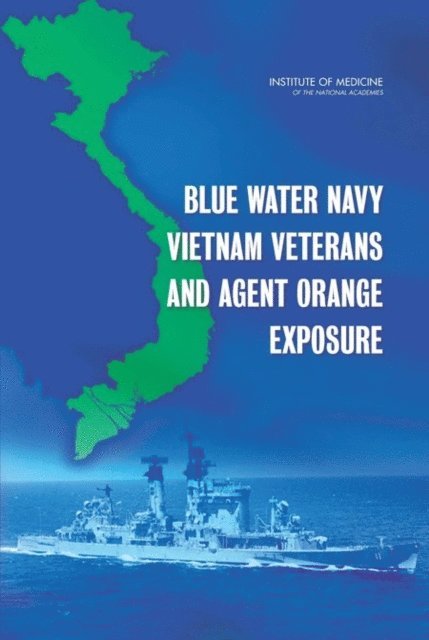
Over 3 million U.S. military personnel were sent to Southeast Asia to fight in the Vietnam War. Since the end of the Vietnam War, veterans have reported numerous health effects. Herbicides used in Vietnam, in particular Agent Orange have been associated with a variety of cancers and other long term health problems from Parkinson's disease and type 2 diabetes to heart disease. Prior to 1997 laws safeguarded all service men and women deployed to Vietnam including members of the Blue Navy. Since then, the Department of Veteran Affairs (VA) has established that Vietnam veterans are automatically eligible for disability benefits should they develop any disease associated with Agent Orange exposure, however, veterans who served on deep sea vessels in Vietnam are not included. These "Blue Water Navy" veterans must prove they were exposed to Agent Orange before they can claim benefits. At the request of the VA, the Institute of Medicine (IOM) examined whether Blue Water Navy veterans had similar exposures to Agent Orange as other Vietnam veterans.Blue Water Navy Vietnam Veterans and Agent Orange Exposure comprehensively examines whether Vietnam veterans in the Blue Water Navy experienced exposures to herbicides and their contaminants by reviewing historical reports, relevant legislation, key personnel insights, and chemical analysis to resolve current debate on this issue.
Inbunden, Engelska, 2012
1 328 kr
Tillfälligt slut
Because of continuing uncertainty about the long-term health effects of the sprayed herbicides on Vietnam veterans, Congress passed the Agent Orange Act of 1991. The legislation directed the Secretary of Veterans Affairs (VA) to request the Institite of Medicine to perform a comprehensive evaluation of scientific and medical information regarding the health effects of exposure to Agent Orange and other herbicides used in Vietnam to be followed by biennial updates. The 2010 update recommends further research of links between Vietnam service and specific health outcomes, most importantly COPD, tonsil cancer, melanoma, brain cancer, Alzheimer's disease, and paternally transmitted effects to offspring.
Häftad, Engelska, 2011
408 kr
Tillfälligt slut
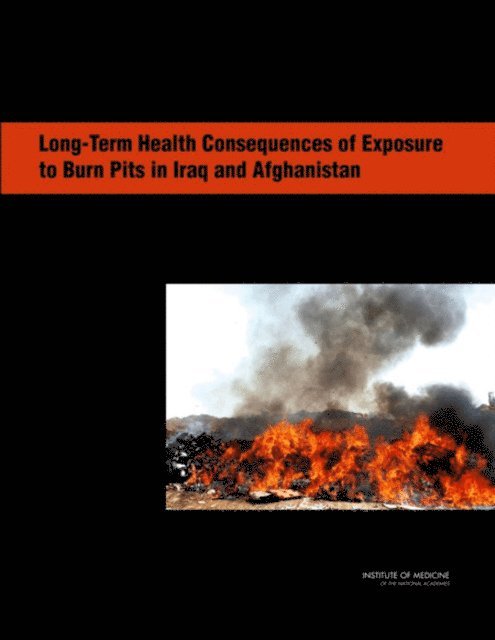
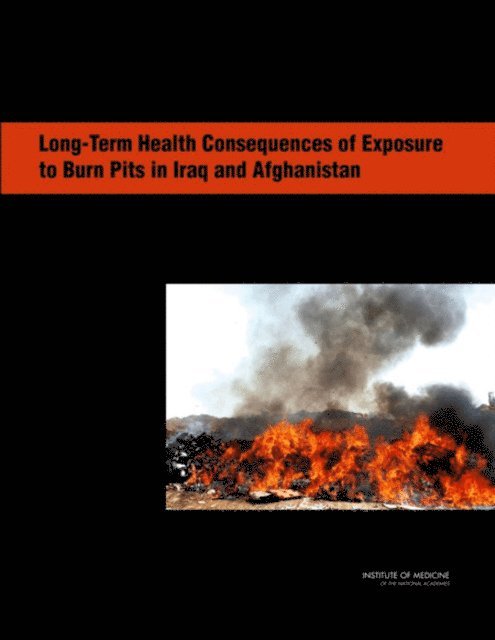
Many veterans returning from the conflicts in Iraq and Afghanistan have health problems they believe are related to their exposure to the smoke from the burning of waste in open-air "burn pits" on military bases. Particular controversy surrounds the burn pit used to dispose of solid waste at Joint Base Balad in Iraq, which burned up to 200 tons of waste per day in 2007. The Department of Veterans Affairs asked the IOM to form a committee to determine the long-term health effects from exposure to these burn pits. Insufficient evidence prevented the IOM committee from developing firm conclusions. This report, therefore, recommends that, along with more efficient data-gathering methods, a study be conducted that would evaluate the health status of service members from their time of deployment over many years to determine their incidence of chronic diseases.
Häftad, Engelska, 2011
590 kr
Tillfälligt slut
Traumatic brain injury (TBI) may affect 10 million people worldwide. It is considered the "signature wound" of the conflicts in Iraq and Afghanistan. These injuries result from a bump or blow to the head, or from external forces that cause the brain to move within the head, such as whiplash or exposure to blasts. TBI can cause an array of physical and mental health concerns and is a growing problem, particularly among soldiers and veterans because of repeated exposure to violent environments. One form of treatment for TBI is cognitive rehabilitation therapy (CRT), a patient-specific, goal-oriented approach to help patients increase their ability to process and interpret information. The Department of Defense asked the IOM to conduct a study to determine the effectiveness of CRT for treatment of TBI.
Häftad, Engelska, 2012
432 kr
Tillfälligt slut
Founded during the Civil War as the Army Medical Museum, the Armed Forces Institute of Pathology (AFIP) amassed the world's largest collection of human pathologic specimens and was considered a premier consultation, education, and research facility by the end of the 20th century. Samples from the AFIP were instrumental in helping to solve public health mysteries, such as the sequence of the genome of the 1918 influenza virus that killed more than 40 million people worldwide. In 2005, the federal Base Realignment and Closure Commission recommended that the AFIP be closed, and its biorepository was transferred to the newly created Joint Pathology Center. During the transition, the Department of Defense asked the IOM to provide advice on operating the biorepository, managing its collection, and determining appropriate future use of specimens for consultation, education, and research.Future Uses of the Department of Defense Joint Pathology Center Biorepository, the IOM proposes a series of protocols, standards, safeguards, and guidelines that could help to ensure that this national treasure continues to be available to researchers in the years to come, while protecting the privacy of the people who provided the materials and maintaining the security of their personal information.
Häftad, Engelska, 2013
662 kr
Tillfälligt slut
As of December 2012, Operation Enduring Freedom (OEF) in Afghanistan and Operation Iraqi Freedom (OIF) in Iraq have resulted in the deployment of about 2.2 million troops; there have been 2,222 US fatalities in OEF and Operation New Dawn (OND)1 and 4,422 in OIF. The numbers of wounded US troops exceed 16,000 in Afghanistan and 32,000 in Iraq. In addition to deaths and morbidity, the operations have unforeseen consequences that are yet to be fully understood. In contrast with previous conflicts, the all-volunteer military has experienced numerous deployments of individual service members; has seen increased deployments of women, parents of young children, and reserve and National Guard troops; and in some cases has been subject to longer deployments and shorter times at home between deployments. Numerous reports in the popular press have made the public aware of issues that have pointed to the difficulty of military personnel in readjusting after returning from Iraq and Afghanistan.Many of those who have served in OEF and OIF readjust with few difficulties, but others have problems in readjusting to home, reconnecting with family members, finding employment, and returning to school. In response to the return of large numbers of veterans from Iraq and Afghanistan with physical-health and mental-health problems and to the growing readjustment needs of active duty service members, veterans, and their family members, Congress included Section 1661 of the National Defense Authorization Act for fiscal year 2008. That section required the secretary of defense, in consultation with the secretary of veterans affairs, to enter into an agreement with the National Academies for a study of the physical-health, mental-health, and other readjustment needs of members and former members of the armed forces who were deployed in OIF or OEF, their families, and their communities as a result of such deployment. The study consisted of two phases. The Phase 1 task was to conduct a preliminary assessment.The Phase 2 task was to provide a comprehensive assessment of the physical, psychologic, social, and economic effects of deployment on and identification of gaps in care for members and former members, their families, and their communities. The Phase 1 report was completed in March 2010 and delivered to the Department of Defense (DOD), the Department of Veterans Affairs (VA), and the relevant committees of the House of Representatives and the Senate. The secretaries of DOD and VA responded to the Phase 1 report in September 2010. Returning Home from Iraq and Afghanistan: Assessment of Readjustment Needs of Veterans, Service Members, and Their Families fulfills the requirement for Phase 2.
Häftad, Engelska, 2013
326 kr
Tillfälligt slut
In October 2011, the Institute of Medicine (IOM) released the report Cognitive Rehabilitation Therapy for Traumatic Brain Injury: Evaluating the Evidence, assessing the published evidence for the effectiveness of using cognitive rehabilitation therapy (CRT) to treat people with traumatic brain injury (TBI). TBI has gained increasing attention in the past 15 years because of its status as the signature wound of American military conflicts in Iraq and Afghanistan. Growing numbers of U.S. service members are suffering traumatic brain injuries and are surviving them, given that (a) the majority of traumatic brain injuries are mild and (b) lifesaving measures for more severe injuries have significantly improved. People with any level of injury can require ongoing health care in their recovery, helping them to regain (or compensate for) their losses of function and supporting their full integration into their social structure and an improved quality of life. One form of treatment for TBI is CRT, a systematic, goal-oriented approach to helping patients overcome cognitive impairments.The Department of Defense (DoD) asked the IOM to evaluate CRT for traumatic brain injury in order to guide the DoD's use and coverage in the Military Health System. Cognitive Rehabilitation Therapy for Traumatic Brain Injury: Evaluating the Evidence was the IOM's resulting study of the evidence. The report's conclusions revolved around the fact that there is little continuity among research studies of the effectiveness of different types of CRT, and there exist only small amounts of evidence (or, in many cases, none) demonstrating the effectiveness of using CRT to treat TBI-although the evidence that does exist generally indicates that CRT interventions have some effectiveness. The workshop brought together experts in health services administration, research, and clinical practice from the civilian and military arenas in order to discuss the barriers for evaluating the effectiveness of CRT care and for identifying suggested taxonomy, terminology, timing, and ways forward for CRT researchers. The workshop consisted of individuals and was not intended to constitute a comprehensive group.Select decision makers in the Military Health System and Veterans Affairs (VA) and researchers were invited to participate. The workshop was designed to spur thinking about (1) the types of research necessary to move the field forward toward evidence-based clinical guidelines, (2) what the translational pipeline looks like and what its current deficiencies are, and (3) considerations that decision makers may choose to use as they decide what research they will support and decide how they will balance the urgency of the need with the level of evidence for CRT interventions. Cognitive Rehabilitation Therapy for Traumatic Brain Injury: Model Study Protocols and Frameworks to Advance the State of the Science summarizes the happenings of the workshop.
Häftad, Engelska, 2013
338 kr
Tillfälligt slut
Collecting Sexual Orientation and Gender Identity Data in Electronic Health Records: Workshop Summary reviews the statement of task set to the committee which required them to collect sexual orientation and gender identity data in electronic health records. This report summarizes the invited presentations and facilitated discussions about current practices around sexual orientation and gender identity data collection, the challenges in collecting these data, and ways in which these challenges can be overcome. Areas of focus for the workshop include the clinical rationale behind collecting these data, standardized questions that can be used to collect these data, mechanisms for supporting providers and patients in the collection of these data, technical specifications involved in creating standards for sexual orientation and gender identity data collection and exchange, and policy considerations related to the health information technology (HIT) Meaningful Use process being overseen by the Department of Health and Human Services. This report summarizes the workshop agenda, select invited speakers and discussants, and moderate the discussions.Invited participants will include lesbian, gay, bisexual, and transgender (LGBT) health care consumer advocates, providers with experience working with LGBT populations, HIT vendors and other HIT specialists, health care administrators, and policy makers.
Häftad, Engelska, 2013
314 kr
Tillfälligt slut
Over the past four decades, the rate of incarceration in the United States has skyrocketed to unprecedented heights, both historically and in comparison to that of other developed nations. At far higher rates than the general population, those in or entering U.S. jails and prisons are prone to many health problems. This is a problem not just for them, but also for the communities from which they come and to which, in nearly all cases, they will return. Health and Incarceration is the summary of a workshop jointly sponsored by the National Academy of Sciences(NAS) Committee on Law and Justice and the Institute of Medicine(IOM) Board on Health and Select Populations in December 2012. Academics, practitioners, state officials, and nongovernmental organization representatives from the fields of healthcare, prisoner advocacy, and corrections reviewed what is known about these health issues and what appear to be the best opportunities to improve healthcare for those who are now or will be incarcerated. The workshop was designed as a roundtable with brief presentations from 16 experts and time for group discussion.Health and Incarceration reviews what is known about the health of incarcerated individuals, the healthcare they receive, and effects of incarceration on public health. This report identifies opportunities to improve healthcare for these populations and provides a platform for visions of how the world of incarceration health can be a better place.
Häftad, Engelska, 2014
526 kr
Tillfälligt slut
Being deployed to a war zone can result in numerous adverse psychological health conditions. It is well documented in the literature that there are high rates of psychological disorders among military personnel serving in Operation Enduring Freedom in Afghanistan and Operation Iraqi Freedom in Iraq as well as among the service members' families. For service members' families, the degree of hardship and negative consequences rises with the amount of the service members' exposure to traumatic or life-altering experiences. Adult and child members of the families of service members who experience wartime deployments have been found to be at increased risk for symptoms of psychological disorders and to be more likely to use mental health services.In an effort to provide early recognition and early intervention that meet the psychological health needs of service members and their families, DOD currently screens for many of these conditions at numerous points during the military life cycle, and it is implementing structural interventions that support the improved integration of military line personnel, non-medical caregivers, and clinicians, such as RESPECT-Mil (Re-engineering Systems of Primary Care Treatment in the Military), embedded mental health providers, and the Patient-Centered Medical Home. Preventing Psychological Disorders in Service Members and Their Families evaluates risk and protective factors in military and family populations and suggests that prevention strategies are needed at multiple levels - individual, interpersonal, institutional, community, and societal - in order to address the influence that these factors have on psychological health. This report reviews and critiques reintegration programs and prevention strategies for PTSD, depression, recovery support, and prevention of substance abuse, suicide, and interpersonal violence.
Häftad, Engelska, 2014
385 kr
Tillfälligt slut
More than 2 decades have passed since the 1990-1991 conflict in the Persian Gulf. During the intervening years, many Gulf War veterans have experienced various unexplained symptoms that many associate with service in the gulf region, but no specific exposure has been definitively associated with symptoms. Numerous researchers have described the pattern of signs and symptoms found in deployed Gulf War veterans and noted that they report unexplained symptoms at higher rates than nondeployed veterans or veterans deployed elsewhere during the same period. Gulf War veterans have consistently shown a higher level of morbidity than the nondeployed, in some cases with severe and debilitating consequences. However, efforts to define a unique illness or syndrome in Gulf War veterans have failed, as have attempts to develop a uniformly accepted case definition. Chronic Multisymptom Illness in Gulf War Veterans is a comprehensive review of the available scientific and medical literature regarding symptoms for chronic multisymptom illness (CMI) among the 1991 Gulf War Veterans.This report evaluates and summarizes the literature in an effort to identify appropriate terminology to use in referring to CMI in Gulf War Veterans. While the report does not recommend one specific case definition over another, Chronic Multisymptom Illness in Gulf War Veterans does recommend the consideration of two case definitions on the basis of their concordance with the evidence and their ability to identify specific symptoms commonly reported by Gulf War veterans. This report recommends that the Department of Veterans Affairs use the term Gulf War illness rather than CMI. The report recommends that that the Department of Veterans Affairs, to the extent possible, systematically assess existing data to identify additional features of Gulf War illness, such as onset, duration, severity, frequency of symptoms, and exclusionary criteria to produce a more robust case definition.
Häftad, Engelska, 2014
514 kr
Tillfälligt slut
Posttraumatic stress disorder (PTSD) is one of the signature injuries of the U.S. conflicts in Afghanistan and Iraq, but it affects veterans of all eras. It is estimated that 7-20% of service members and veterans who served in Operation Enduring Freedom and Operation Iraqi Freedom may have the disorder. PTSD is characterized by a combination of mental health symptoms - re-experiencing of a traumatic event, avoidance of trauma-associated stimuli, adverse alterations in thoughts and mood, and hyperarousal - that last at least 1 month and impair functioning. PTSD can be lifelong and pervade all aspects of a service member's or veteran's life, including mental and physical health, family and social relationships, and employment. It is often concurrent with other health problems, such as depression, traumatic brain injury, chronic pain, substance abuse disorder, and intimate partner violence. The Department of Defense (DoD) and the Department of Veterans Affairs (VA) provide a spectrum of programs and services to screen for, diagnose, treat for, and rehabilitate service members and veterans who have or are at risk for PTSD.The 2010 National Defense Authorization Act asked the Institute of Medicine to assess those PTSD programs and services in two phases. The Phase 1 study, Treatment for Posttraumatic Stress Disorder in Military and Veteran Populations: Initial Assessment, focused on data gathering. Treatment for Posttraumatic Stress Disorder in Military and Veteran Populations Final Assessment is the report of the second phase of the study. This report analyzes the data received in Phase 1 specifically to determine the rates of success for each program or method. Treatment for Posttraumatic Stress Disorder in Military and Veteran Populations Final Assessment considers what a successful PTSD management system is and whether and how such a system is being implemented by DoD and VA. This includes an assessment of what care is given and to whom, how effectiveness is measured, what types of mental health care providers are available, what influences whether a service member or veteran seeks care, and what are the costs associated with that care.This report focuses on the opportunities and challenges that DoD and VA face in developing, implementing, and evaluating services and programs in the context of achieving a high-performing system to care for service members and veterans who have PTSD. The report also identifies where gaps or new emphases might be addressed to improve prevention of, screening for, diagnosis of, and treatment and rehabilitation for the disorder. The findings and recommendations of Treatment for Posttraumatic Stress Disorder in Military and Veteran Populations: Final Assessment will encourage DoD and VA to increase their efforts in moving toward a high-performing, comprehensive, integrated PTSD management strategy that addresses the needs of current and future service members, veterans, and their families.
Häftad, Engelska, 2014
455 kr
Tillfälligt slut
It is probably only a matter of time before we witness the next event in which large numbers of people are exposed to ionizing radiation. In the past, planning a response to such an occurrence would have likely focused on the management of casualties from high-dose exposure. However, more recently, a different threat has come to the fore: accidental (through a containment breach in a nuclear power plant, for example) or intentional (via a "dirty bomb") releases of radioactivity resulting in low-dose exposure to a population. The magnitude of the health risks arising from low-dose radiation exposure is uncertain, and this uncertainty has significant economic implications for public health decision making. Research on Health Effects of Low-Level Ionizing Radiation Exposure examines recent scientific knowledge about the human effects of exposure to low-dose radiation from medical, occupational, and environmental ionizing-radiation sources. This report is intended to provide advice to the Armed Forces Radiobiology Research Institute (AFRRI) about its role in low-dose radiation health effects research.The report identifies current research directions in radiobiological science and assesses how AFRRI programs are advancing research along these directions. The recommendations of Research on Health Effects of Low-Level Ionizing Radiation Exposure will provide guidance for AFRRI to build on its strengths and advance its mission while contributing to the body of scientific knowledge on the health effects of exposure to low-dose ionizing radiation.
Häftad, Engelska, 2015
397 kr
Tillfälligt slut
U.S. Marine Corps Base Camp Lejeune, located in eastern North Carolina, is a large installation that covers 156,000 acres and is home at any given time to a population of about 170,000 active-duty personnel, family members, retirees, and civilian employees living on base or in the surrounding community. Between 1957 and 1987, the ground water at Camp Lejeune was inadvertently contaminated with chemicals, primarily industrial solvents that are now known to cause cancer and other health problems. In 1980, drinking water contaminants, primarily trichloroethylene (TCE) and perchloroethylene (PCE), as well as other solvents, were first detected at Camp Lejeune in treated drinking water. The contaminated wells were closed in 1987. In 1989, the U.S. Environmental Protection Agency placed Camp Lejeune on the National Priorities List, also known as Superfund. It is estimated that between 500,000 and 1,000,000 people may have used the contaminated water and many of them continue to have concerns about the long-term effects that might result from that exposure. In 2012 Congress passed the Honoring America's Veterans and Caring for Camp Lejeune Families Act.The law provides health benefits to veterans and family members who have any of 15 health outcomes associated with exposure to TCE, PCE, or solvent mixtures. At the request of the Veteran's Administration, Review of the VA Guidance for the Health Conditions Identified by the Camp Lejeune Legislation reviews the latest scientific literature to ensure that the clinical guidance provided for the 15 covered medical conditions is scientifically sound. This report also describes the medical conditions that result from renal toxicity due to solvent exposures and characterizes neurobehavioral effects as mandated for coverage in the law.
Häftad, Engelska, 2015
503 kr
Tillfälligt slut
Myalgic encephalomyelitis (ME) and chronic fatigue syndrome (CFS) are serious, debilitating conditions that affect millions of people in the United States and around the world. ME/CFS can cause significant impairment and disability. Despite substantial efforts by researchers to better understand ME/CFS, there is no known cause or effective treatment. Diagnosing the disease remains a challenge, and patients often struggle with their illness for years before an identification is made. Some health care providers have been skeptical about the serious physiological - rather than psychological - nature of the illness. Once diagnosed, patients often complain of receiving hostility from their health care provider as well as being subjected to treatment strategies that exacerbate their symptoms. Beyond Myalgic Encephalomyelitis/Chronic Fatigue Syndrome proposes new diagnostic clinical criteria for ME/CFS and a new term for the illness - systemic exertion intolerance disease(SEID).According to this report, the term myalgic encephalomyelitis does not accurately describe this illness, and the term chronic fatigue syndrome can result in trivialization and stigmatization for patients afflicted with this illness. Beyond Myalgic Encephalomyelitis/Chronic Fatigue Syndrome stresses that SEID is a medical - not a psychiatric or psychological - illness. This report lists the major symptoms of SEID and recommends a diagnostic process.One of the report's most important conclusions is that a thorough history, physical examination, and targeted work-up are necessary and often sufficient for diagnosis. The new criteria will allow a large percentage of undiagnosed patients to receive an accurate diagnosis and appropriate care. Beyond Myalgic Encephalomyelitis/Chronic Fatigue Syndrome will be a valuable resource to promote the prompt diagnosis of patients with this complex, multisystem, and often devastating disorder; enhance public understanding; and provide a firm foundation for future improvements in diagnosis and treatment.
Häftad, Engelska, 2015
385 kr
Tillfälligt slut
The Air Force Health Study (AFHS) is a longitudinal, prospective epidemiologic study of more than 2,700 men followed for approximately 20 years. This cohort participated in up to six intensive physical examinations with high rates of compliance. In addition to a complete record of clinical measurements and observations collected at these exams, serum and other biological samples were obtained and preserved. Extensive questionnaires addressing health, lifestyle, and socioeconomic status were administered during each exam, and other information was obtained about the participants' employment, families and offspring, and potential sources of environmental exposures. While the study was completed in 2006, the extensive health data linked to several types of longitudinally collected biologic specimens - some 91,000 serum, whole blood, urine, semen, and adipose tissue specimens - remain a resource for additional research. The AFHS assets are exceptional in the sheer multitude and range of types of information available for each participant.The longitudinal nature of the AFHS - with its extended follow-up, high rates of retention, and repeat biological samples - provides a valuable opportunity for research beyond the original aims of the study. Currently, the Institute of Medicine is the custodian of these assets. The Air Force Health Study Assets Research Program outlines the feasibility and advisability of maintaining the biospecimens based on interest generated from the general scientific community and results of pilot projects and other research projects using the AFHS assets. According to this report, sustaining access to the AFHS biospecimens and data benefits the veterans community and the public at large, who will gain from the information derived from studies of the assets. . This report discusses the scientific value of the AFHS data and biospecimens and the lessons learned in managing access to the assets.
Häftad, Engelska, 2015
550 kr
Tillfälligt slut
The United States Social Security Administration (SSA) administers two disability programs: Social Security Disability Insurance (SSDI), for disabled individuals, and their dependent family members, who have worked and contributed to the Social Security trust funds, and Supplemental Security Income (SSSI), which is a means-tested program based on income and financial assets for adults aged 65 years or older and disabled adults and children. Both programs require that claimants have a disability and meet specific medical criteria in order to qualify for benefits. SSA establishes the presence of a medically-determined impairment in individuals with mental disorders other than intellectual disability through the use of standard diagnostic criteria, which include symptoms and signs. These impairments are established largely on reports of signs and symptoms of impairment and functional limitation. Psychological Testing in the Service of Disability Determination considers the use of psychological tests in evaluating disability claims submitted to the SSA.This report critically reviews selected psychological tests, including symptom validity tests, that could contribute to SSA disability determinations. The report discusses the possible uses of such tests and their contribution to disability determinations. Psychological Testing in the Service of Disability Determination discusses testing norms, qualifications for administration of tests, administration of tests, and reporting results. The recommendations of this report will help SSA improve the consistency and accuracy of disability determination in certain cases.
Häftad, Engelska, 2015
781 kr
Tillfälligt slut
Children living in poverty are more likely to have mental health problems, and their conditions are more likely to be severe. Of the approximately 1.3 million children who were recipients of Supplemental Security Income (SSI) disability benefits in 2013, about 50% were disabled primarily due to a mental disorder. An increase in the number of children who are recipients of SSI benefits due to mental disorders has been observed through several decades of the program beginning in 1985 and continuing through 2010. Nevertheless, less than 1% of children in the United States are recipients of SSI disability benefits for a mental disorder. At the request of the Social Security Administration, Mental Disorders and Disability Among Low-Income Children compares national trends in the number of children with mental disorders with the trends in the number of children receiving benefits from the SSI program, and describes the possible factors that may contribute to any differences between the two groups. This report provides an overview of the current status of the diagnosis and treatment of mental disorders, and the levels of impairment in the U.S. population under age 18.The report focuses on 6 mental disorders, chosen due to their prevalence and the severity of disability attributed to those disorders within the SSI disability program: attention-deficit/hyperactivity disorder, oppositional defiant disorder/conduct disorder, autism spectrum disorder, intellectual disability, learning disabilities, and mood disorders. While this report is not a comprehensive discussion of these disorders, Mental Disorders and Disability Among Low-Income Children provides the best currently available information regarding demographics, diagnosis, treatment, and expectations for the disorder time course - both the natural course and under treatment.
Häftad, Engelska, 2016
621 kr
Tillfälligt slut
For the United States, the 1991 Persian Gulf War was a brief and successful military operation with few injuries and deaths. However, soon after returning from duty, a large number of veterans began reporting health problems they believed were associated with their service in the Gulf. At the request of Congress, the Institute of Medicine (IOM) has been conducting an ongoing review of the evidence to determine veterans' long-term health problems and potential causes. The fourth volume in the series, released in 2006, summarizes the long-term health problems seen in Gulf War veterans. In 2010, the IOM released an update that focuses on existing health problems and identifies possible new ones, considering evidence collected since the initial summary. Gulf War and Health: Volume 10, the final volume of the series, is an update of the scientific and medical literature on the health effects associated with deployment to the Gulf War that were identified in Volumes 4 and 8.This report reviews and evaluates the associations between illness and exposure to toxic agents, environmental or wartime hazards, or preventive measures and vaccines associated with Gulf War service, and provides recommendations for future research efforts on Gulf War veterans.
Inbunden, Engelska, 2016
1 126 kr
Tillfälligt slut
From 1962 to 1971, the US military sprayed herbicides over Vietnam to strip the thick jungle canopy that could conceal opposition forces, to destroy crops that those forces might depend on, and to clear tall grasses and bushes from the perimeters of US base camps and outlying fire-support bases. Mixtures of 2,4-dichlorophenoxyacetic acid (2,4-D), 2,4,5-trichlorophenoxyacetic acid (2,4,5-T), picloram, and cacodylic acid made up the bulk of the herbicides sprayed. The main chemical mixture sprayed was Agent Orange, a 50:50 mixture of 2,4-D and 2,4,5-T. At the time of the spraying, 2,3,7,8-tetrachlorodibenzo-p-dioxin (TCDD), the most toxic form of dioxin, was an unintended contaminant generated during the production of 2,4,5-T and so was present in Agent Orange and some other formulations sprayed in Vietnam.Because of complaints from returning Vietnam veterans about their own health and that of their children combined with emerging toxicologic evidence of adverse effects of phenoxy herbicides and TCDD, the National Academy of Sciences was asked to perform a comprehensive evaluation of scientific and medical information regarding the health effects of exposure to Agent Orange, other herbicides used in Vietnam, and the various components of those herbicides, including TCDD. Updated evaluations were conducted every two years to review newly available literature and draw conclusions from the overall evidence. Veterans and Agent Orange: Update 2014 is the final and cumulative report of the series.
Häftad, Engelska, 2016
455 kr
Tillfälligt slut
Between 1963 and 1969, the U.S. military carried out a series of tests, termed Project SHAD (Shipboard Hazard and Defense), to evaluate the vulnerabilities of U.S. Navy ships to chemical and biological warfare agents. These tests involved use of active chemical and biological agents, stimulants, tracers, and decontaminants. Approximately 5,900 military personnel, primarily from the Navy and Marine Corps, are reported to have been included in Project SHAD testing. In the 1990s some veterans who participated in the SHAD tests expressed concerns to the Department of Veterans Affairs (VA) that they were experiencing health problems that might be the result of exposures in the testing. These concerns led to a 2002 request from VA to the Institute of Medicine (IOM) to carry out an epidemiological study of the health of SHAD veterans and a comparison population of veterans who had served on similar ships or in similar units during the same time period. In response to continuing concerns, Congress in 2010 requested an additional IOM study.This second study expands on the previous IOM work by making use of additional years of follow up and some analysis of diagnostic data from Medicare and the VA health care system.
Häftad, Engelska, 2016
679 kr
Tillfälligt slut
Advances in trauma care have accelerated over the past decade, spurred by the significant burden of injury from the wars in Afghanistan and Iraq. Between 2005 and 2013, the case fatality rate for United States service members injured in Afghanistan decreased by nearly 50 percent, despite an increase in the severity of injury among U.S. troops during the same period of time. But as the war in Afghanistan ends, knowledge and advances in trauma care developed by the Department of Defense (DoD) over the past decade from experiences in Afghanistan and Iraq may be lost. This would have implications for the quality of trauma care both within the DoD and in the civilian setting, where adoption of military advances in trauma care has become increasingly common and necessary to improve the response to multiple civilian casualty events. Intentional steps to codify and harvest the lessons learned within the militarya (TM)s trauma system are needed to ensure a ready military medical force for future combat and to prevent death from survivable injuries in both military and civilian systems.This will require partnership across military and civilian sectors and a sustained commitment from trauma system leaders at all levels to assure that the necessary knowledge and tools are not lost. A National Trauma Care System defines the components of a learning health system necessary to enable continued improvement in trauma care in both the civilian and the military sectors. This report provides recommendations to ensure that lessons learned over the past decade from the militarya (TM)s experiences in Afghanistan and Iraq are sustained and built upon for future combat operations and translated into the U.S. civilian system.
Häftad, Engelska, 2017
432 kr
Tillfälligt slut
Advances in genetics and genomics are transforming medical practice, resulting in a dramatic growth of genetic testing in the health care system. The rapid development of new technologies, however, has also brought challenges, including the need for rigorous evaluation of the validity and utility of genetic tests, questions regarding the best ways to incorporate them into medical practice, and how to weigh their cost against potential short- and long-term benefits. As the availability of genetic tests increases so do concerns about the achievement of meaningful improvements in clinical outcomes, costs of testing, and the potential for accentuating medical care inequality. Given the rapid pace in the development of genetic tests and new testing technologies, An Evidence Framework for Genetic Testing seeks to advance the development of an adequate evidence base for genetic tests to improve patient care and treatment. Additionally, this report recommends a framework for decision-making regarding the use of genetic tests in clinical care.