Bob Brier – författare
Visar alla böcker från författaren Bob Brier. Handla med fri frakt och snabb leverans.
11 produkter
11 produkter
Häftad, Engelska, 2009
172 kr
Skickas inom 5-8 vardagar
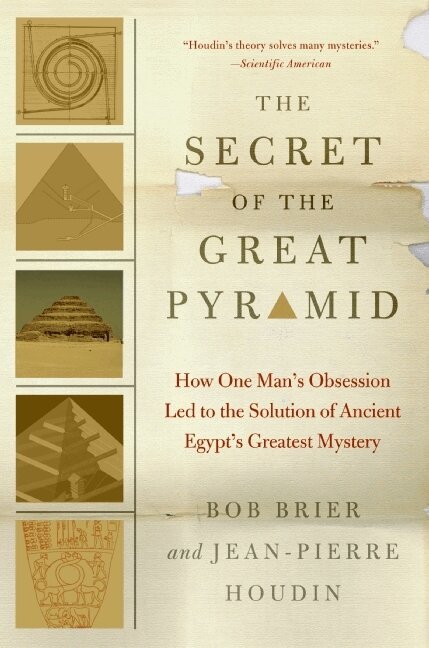
Eight years ago, Jean-Pierre Houdin, a successful French architect, became obsessed by the age-old mystery of how the Great Pyramid was built. He renounced his architectural practice, sold his Paris apartment, and for ten hours a day labored at his computer to create exquisitely detailed 3-D models of the interior of the Great Pyramid. After five years of effort, the images rotating on his computer screen provided irrefutable evidence of an astonishing secret. Corkscrewing up the inside of the Great Pyramid is a mile-long ramp, unseen for 4,500 years. The pyramid was built from the inside. The revelation casts a fresh light on the minds that founded earth's first civilization. The narration takes place in two time frames: ancient and modern. The ancient story explains how a nation of farmers that had only recently emerged from the Stone Age could construct one of the Seven Wonders of the Ancient World. To execute something as complex and massive as the Great Pyramid, Egypt needed architects, mathematicians, boat builders, stone masons, metallurgists. It took twenty years to build the Great Pyramid.By the time its capstone was laid in 2560 BC, the innovations born of the building quest had transformed agrarian Egypt into the world's most modern, most powerful nation. As we follow the progress of Hemienu, the innovative architect who planned, organized and oversaw construction of the Great Pyramid, we also follow Houdin working to discover how and why the ancient architect designed the pyramid as he did. Houdin works as a 'forensic' architect, aiming to reconstruct the lessons Hemienu had learned from construction of three previous pyramids and to visualise his blueprint for the massive stone building.
E-bok
Engelska, 2008114 kr
Läs direkt efter köp
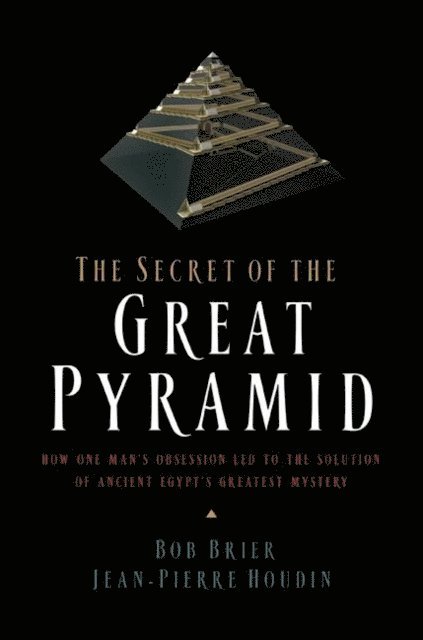
In “a book to fascinate pyramid fans,” an egyptologist and an architect attempt to solve the mystery of the Great Pyramid of Giza’s construction (Booklist).A decade ago, French architect Jean-Pierre Houdin became obsessed by the centuries-old question: How was the Great Pyramid built? How, in a nation of farmers only recently emerged from the Stone Age, could such a massive, complex, and enduring structure have been envisioned and constructed?Laboring at his computer ten hours a day for five years—creating exquisitely detailed 3-D models of the Pyramid’s interior—Houdin finally had his answer. It was a startling revelation that cast a fresh light on the minds that conceived one of the wonders of the ancient world.Written by world-renowned Egyptologist Bob Brier in collaboration with Houdin,The Secret of the Great Pyramid moves deftly between the ancient and the modern, chronicling two equally fascinating interrelated histories. It is a remarkable account of the step-by-step planning and assembling of the magnificent edifice—the brainchild of an innovative genius, the Egyptian architect Hemienu, who imagined, organized, and oversaw a monumental construction project that took more than two decades to complete and that employed the services of hundreds of architects, mathematicians, boatbuilders, stonemasons, and metallurgists. Here also is the riveting story of Jean-Pierre Houdin’s single-minded search for solutions to the mysteries that have bedeviled Egyptologists for centuries, such as the purpose of the enigmatic Grand Gallery and the Pyramid’s crack.“The authors’ prose is lucid, aided by drawings and photos, and the theories are intriguing.” —Publishers Weekly
Inbunden, Engelska, 2022
302 kr
Skickas
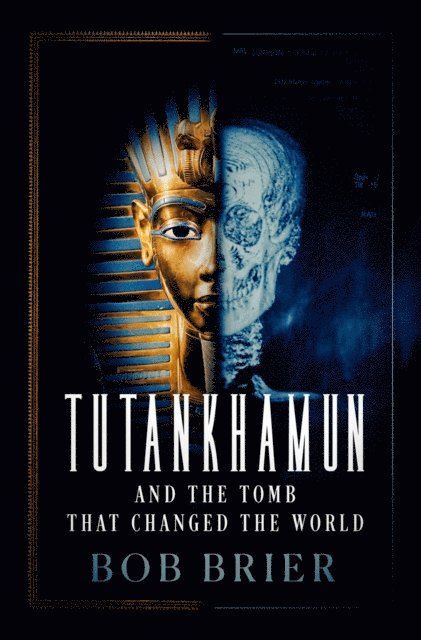
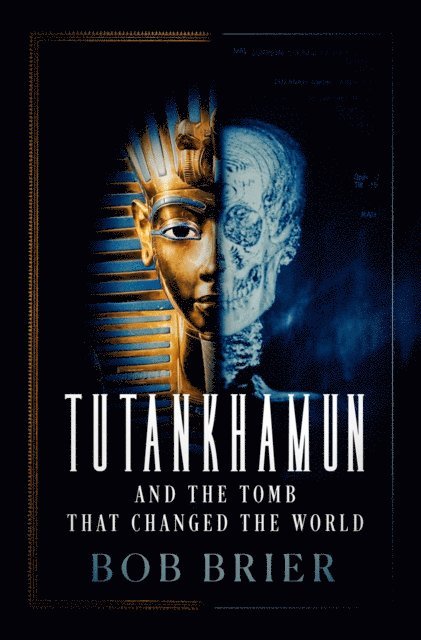
It is often thought that the story of Tutankhamun ended when the thousands of dazzling items discovered by Howard Carter and Lord Carnarvon were transported to the Egyptian Museum in Cairo and put on display. But there is far more to the boy-king's story. Tutankhamun and the Tomb that Changed the World explores the 100 years of research on Tutankhamun that have taken place since the tomb's discovery, from the several objects in the tomb made of meteoritic iron that came from outer space to new evidence that shows that Tutankhamun may actually have been a warrior who went into battle. Author Bob Brier also takes readers behind the scenes of the recent CT-scans of Tutankhamuns mummy to reveal more secrets of the young pharaoh.The book also illustrates the wide-ranging impact the discovery of Tutankhamun's tomb had on fields beyond Egyptology. Brier examines how the discovery of the tomb influenced Egyptian politics and contributed to the downfall of colonialism in Egypt. Outside Egypt, the modern blockbuster exhibitions that raise great sums of monies for museums around the world all began with Tutankhamun, as did the idea of documenting every object discovered in place before it was moved. And to a great extent, the modern fascination with ancient Egypt DL Egyptomania DL was also greatly promoted by the Tutmania that surrounded the discovery of the tomb. Deeply informed by the latest research and presented in vivid detail, Tutankhamun and the Tomb that Changed the World is a compelling introduction to the worlds greatest archaeological discovery.
Häftad, Engelska, 2025
194 kr
Skickas inom 5-8 vardagar
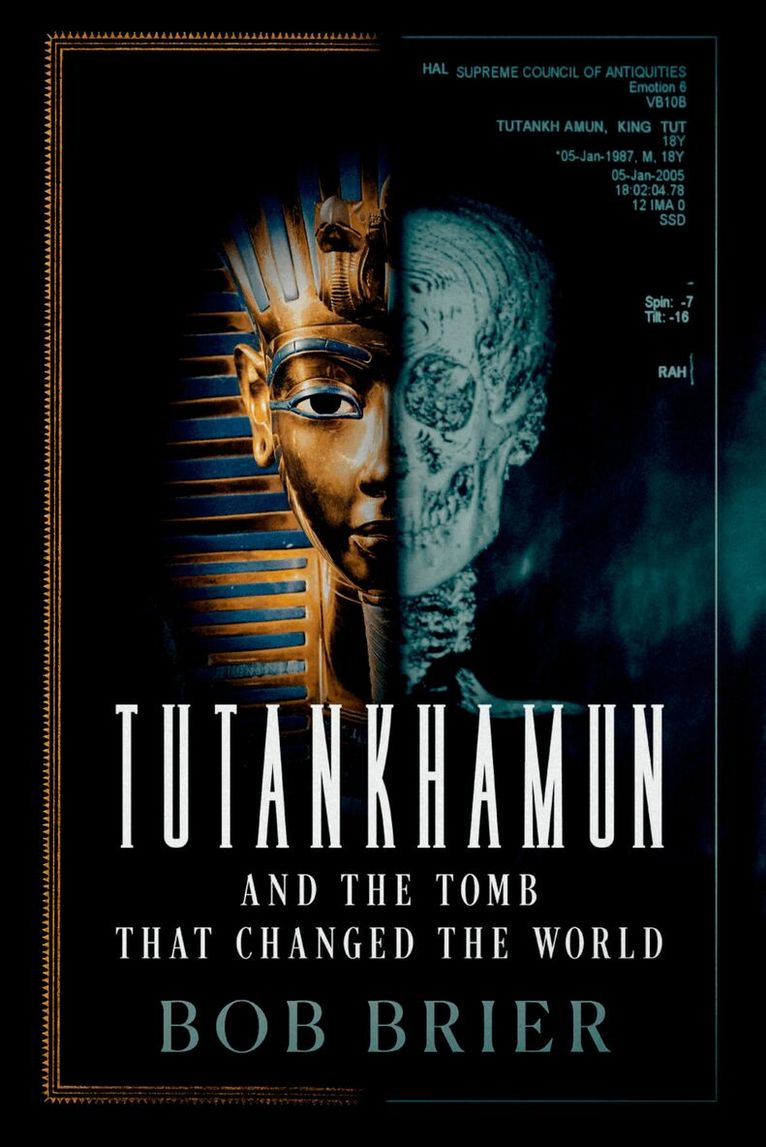
It is often thought that the story of Tutankhamun ended when the thousands of dazzling items discovered by Howard Carter and Lord Carnarvon were transported to the Egyptian Museum in Cairo and put on display. But there is far more to the boy-king's story. Tutankhamun and the Tomb that Changed the World explores the 100 years of research on Tutankhamun that have taken place since the tomb's discovery, from the several objects in the tomb made of meteoritic iron that came from outer space to new evidence that shows that Tutankhamun may actually have been a warrior who went into battle. Author Bob Brier also takes readers behind the scenes of the recent CT-scans of Tutankhamun's mummy to reveal more secrets of the young pharaoh.The book also illustrates the wide-ranging impact the discovery of Tutankhamun's tomb had on fields beyond Egyptology. Brier examines how the discovery of the tomb influenced Egyptian politics and contributed to the downfall of colonialism in Egypt. Outside Egypt, the modern blockbuster exhibitions that raise great sums of monies for museums around the world all began with Tutankhamun, as did the idea of documenting every object discovered in place before it was moved. And to a great extent, the modern fascination with ancient Egypt was also greatly promoted by the Tutmania that surrounded the discovery of the tomb. Deeply informed by the latest research and presented in vivid detail, Tutankhamun and the Tomb that Changed the World is a compelling introduction to the world's greatest archaeological discovery.
Häftad, Engelska, 2005
336 kr
Skickas inom 3-6 vardagar
Häftad, Engelska, 1996
261 kr
Skickas inom 3-6 vardagar
E-bok
Engelska, 2005171 kr
Läs direkt efter köp
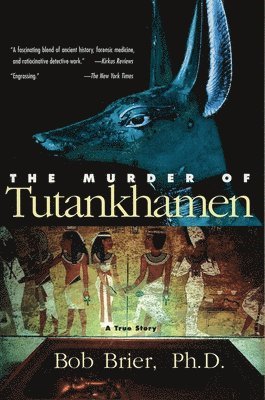
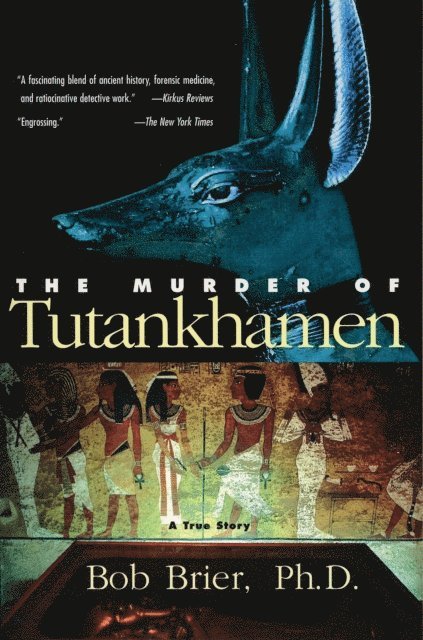
One of the nation’s most respected Egyptologists examines the compelling mystery behind the death of King Tutankhamen.“Can the truth be known about a possible murder that would have been committed 3,000 years ago? Respected Egyptologist Bob Brier, specialist in paleopathology and host of the Learning Channel’s acclaimed series The Great Egyptians, believes it can. Skillfully combining known historical events with evidence gathered by advanced technologies, Brier has re-created the suspenseful story of religious upheaval and political intrigue that likely resulted in the murder of the teenage king Tutankhamen. . . . Breathing life into old bones and artifacts, Brier examines all available evidence to arrive at ‘the most reasonable explanation for a tragic event,’ an explanation that, he says, is testable through the use of current technology on the mummified remains of the ancient king.”—Booklist (starred review)“Brier''s 3,000-year-old mystery steadily draws the reader into the curious and exotic world of Egyptology. . . . By the time you finish his intrigue-filled reconstruction of Tutankhamen’s world—which includes such elements as teenage love, religious heresy, the Orwellian rewriting of history and the desperate pleas of a terrified queen—you risk coming to care a good deal about the young Pharaoh’s fate. . . . We can be grateful to Dr. Brier for showing that even a mystery dating to the fourteenth century B.C. is subject to engrossing examination.”—The New York TimesINCLUDES 16 PAGES OF PHOTOS
Häftad, Engelska, 2021
324 kr
Skickas
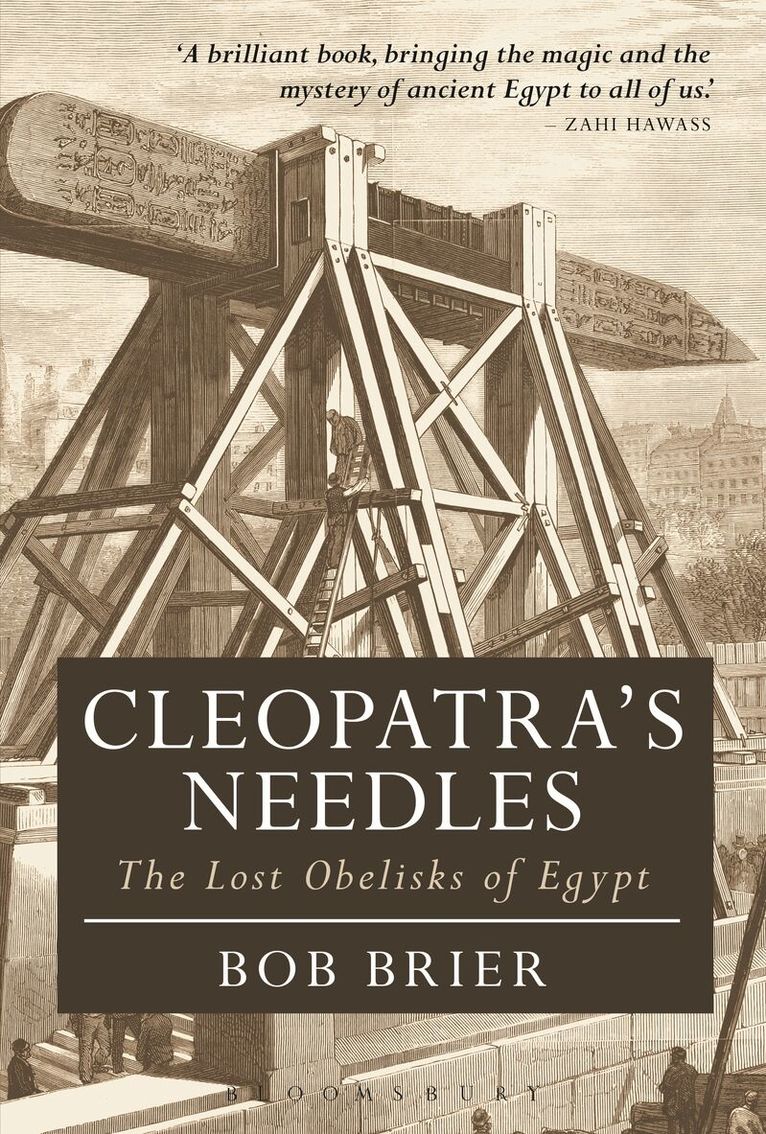
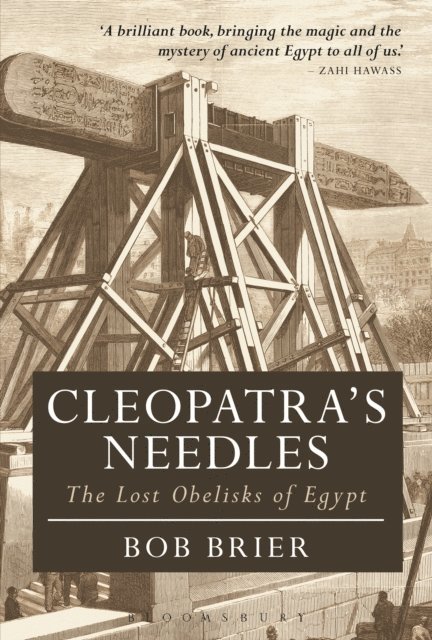
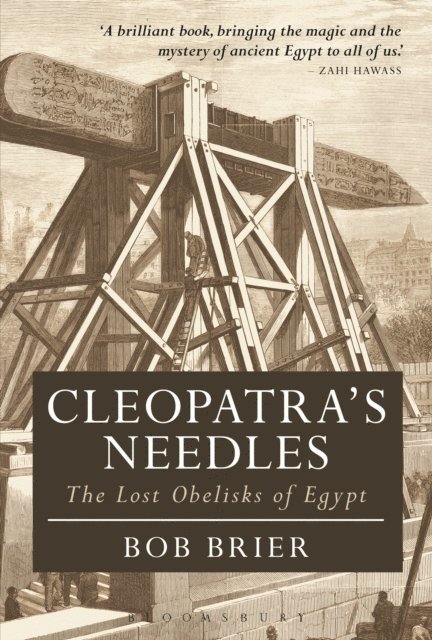
In the half-century between 1831 and 1881 three massive obelisks left Egypt for new lands. Prior to these journeys, the last large obelisk moved was the Vatican obelisk in 1586 – one of the great engineering achievements of the Renaissance. Roman emperors moved more than a dozen, but left no records of how they did it. The nineteenth-century engineers entrusted with transporting the obelisks across oceans had to invent new methods, and they were far from certain that they would work. As the three obelisks, bound for Paris, London and New York, sailed towards their new homes, the world held its breath. Newspapers reported the obelisks’ daily progress, complete with dramatic illustrations of the heroic deeds of the engineers and crews struggling under nearly impossible conditions. When the obelisks finally arrived safely in their new homes, bands played Cleopatra’s Needle Waltz and silver obelisk pencils dangled from fashionable ladies’ necks. This turbulent era, caught up in obelisk mania, is recreated by Bob Brier in all its glory. Amid astounding tales of engineering dexterity and naval endurance, the individuals involved in transporting the obelisks and receiving them in their future homes are brought to life through their letters and diaries, newspaper articles and illustrations. Written by a renowned Egyptologist and author, this compelling book will fascinate all those interested in Egypt, its iconic monuments and the history of great endeavour.
E-bok
Engelska, 2016346 kr
Läs direkt efter köp
In the half-century between 1831 and 1881 three massive obelisks left Egypt for new lands. Prior to these journeys, the last large obelisk moved was the Vatican obelisk in 1586 – one of the great engineering achievements of the Renaissance. Roman emperors moved more than a dozen, but left no records of how they did it. The nineteenth-century engineers entrusted with transporting the obelisks across oceans had to invent new methods, and they were far from certain that they would work. As the three obelisks, bound for Paris, London and New York, sailed towards their new homes, the world held its breath. Newspapers reported the obelisks'' daily progress, complete with dramatic illustrations of the heroic deeds of the engineers and crews struggling under nearly impossible conditions. When the obelisks finally arrived safely in their new homes, bands played Cleopatra''s Needle Waltz and silver obelisk pencils dangled from fashionable ladies'' necks. This turbulent era, caught up in obelisk mania, is recreated by Bob Brier in all its glory. Amid astounding tales of engineering dexterity and naval endurance, the individuals involved in transporting the obelisks and receiving them in their future homes are brought to life through their letters and diaries, newspaper articles and illustrations. Written by a renowned Egyptologist and author, this compelling book will fascinate all those interested in Egypt, its iconic monuments and the history of great endeavour.
E-bok
PDF, Engelska, 2016346 kr
Läs direkt efter köp
In the half-century between 1831 and 1881 three massive obelisks left Egypt for new lands. Prior to these journeys, the last large obelisk moved was the Vatican obelisk in 1586 – one of the great engineering achievements of the Renaissance. Roman emperors moved more than a dozen, but left no records of how they did it. The nineteenth-century engineers entrusted with transporting the obelisks across oceans had to invent new methods, and they were far from certain that they would work. As the three obelisks, bound for Paris, London and New York, sailed towards their new homes, the world held its breath. Newspapers reported the obelisks'' daily progress, complete with dramatic illustrations of the heroic deeds of the engineers and crews struggling under nearly impossible conditions. When the obelisks finally arrived safely in their new homes, bands played Cleopatra''s Needle Waltz and silver obelisk pencils dangled from fashionable ladies'' necks. This turbulent era, caught up in obelisk mania, is recreated by Bob Brier in all its glory. Amid astounding tales of engineering dexterity and naval endurance, the individuals involved in transporting the obelisks and receiving them in their future homes are brought to life through their letters and diaries, newspaper articles and illustrations. Written by a renowned Egyptologist and author, this compelling book will fascinate all those interested in Egypt, its iconic monuments and the history of great endeavour.
E-bok
Arabiska, 202453 kr
Läs direkt efter köp
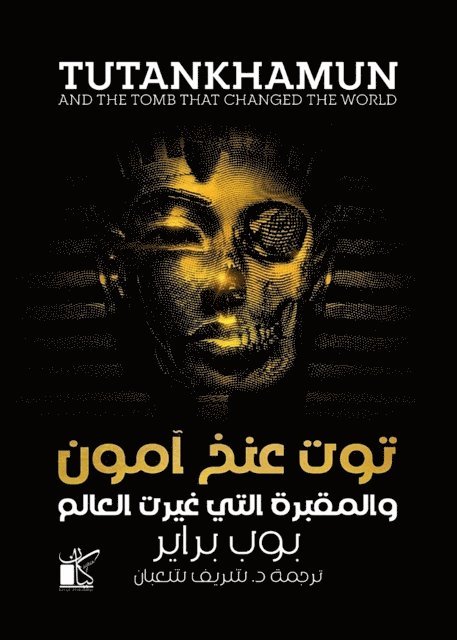
A great new look at the treasures and secrets of Tutankhamun''s tomb on the centenary of its discovery. It is often believed that the story of Tutankhamun ends with the transportation of thousands of pieces and treasures that Howard Carter and Lurd Carnarefone discovered to the Egyptian Museum in Cairo to display, but there is much more in the story of the Golden King. The book "Tutankhamun and the cemetery that changed the world" reveals to us a hundred years of research in the world of Tutankhamun, which started since the discovery of the cemetery, so we discover that many of the pieces that were found in the cemetery were made of meteorite iron that came from outer space, as it appeared to us New evidence that Tutankhamun may have been a warrior who has fought several real battles. The AUTHOR Bob Prayer takes his readers beyond the scenes of the last survey operations with CTA for the king''s mummy to reveal his secrets, and the book also shows the broad impact of the discovery of the tomb of Tutankhamun in areas outside Egyptology, as it includes a study of how the effect of discovering the cemetery on Egyptian policy, and how he contributed In the fall of colonialism in Egypt. As for outside Egypt, how the huge modern exhibitions of the treasures of Tutankhamun''s treasures all over the world began to reap exorbitant amounts as a result of the huge number of visits, and the discovery of the cemetery presented a new theory to document each artifact that was discovered in its place before being transferred, in addition to increasing the state of fondness In ancient Egypt in what is known as egyptomania with the discovery of the cemetery, which was called Tutmania or fondness in Anah Amon.