Boreth Ly - Böcker
Visar alla böcker från författaren Boreth Ly. Handla med fri frakt och snabb leverans.
4 produkter
4 produkter
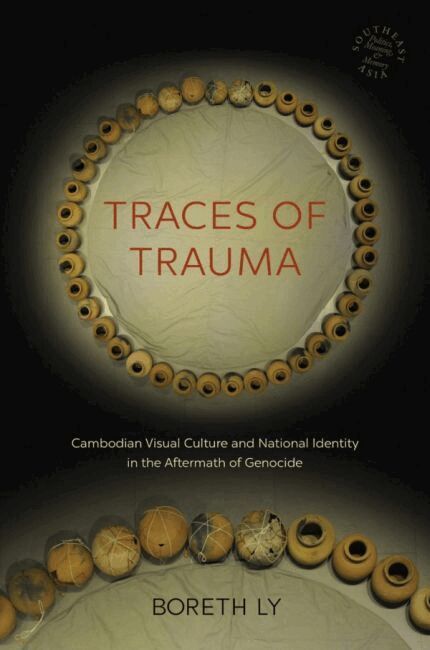
Traces of Trauma
Cambodian Visual Culture and National Identity in the Aftermath of Genocide
Inbunden, Engelska, 2019
874 kr
Skickas inom 7-10 vardagar
How do the people of a morally shattered culture and nation find ways to go on living? Cambodians confronted this challenge following the collective disasters of the American bombing, the civil war, and the Khmer Rouge genocide. The magnitude of violence and human loss, the execution of artists and intellectuals, the erasure of individual and institutional cultural memory all caused great damage to Cambodian arts, culture, and society. Author Boreth Ly explores the “traces” of this haunting past in order to understand how Cambodians at home and in the diasporas deal with trauma on such a vast scale.Ly maintains that the production of visual culture by contemporary Cambodian artists and writers—photographers, filmmakers, court dancers, and poets—embodies traces of trauma, scars leaving an indelible mark on the body and the psyche. His book considers artists of different generations and family experiences: a Cambodian-American woman whose father sent her as a baby to the United States to be adopted; the Cambodian-French film-maker, Rithy Panh, himself a survivor of the Khmer Rouge, whose film The Missing Picture was nominated for an Oscar in 2014; a young Cambodian artist born in 1988—part of the “post-memory” generation. The works discussed include a variety of materials and remnants from the historical past: the broken pieces of a shattered clay pot, the scarred landscape of bomb craters, the traditional symbolism of the checkered scarf called krama, as well as the absence of a visual archive.Boreth Ly’s poignant book explores obdurate traces that are fragmented and partial, like the acts of remembering and forgetting. His interdisciplinary approach, combining art history, visual studies, psychoanalysis, cultural studies, religion, and philosophy, is particularly attuned to the diverse body of material discussed in his book, which includes photographs, video installations, performance art, poetry, and mixed media. By analyzing these works through the lens of trauma, he shows how expressions of a national trauma can contribute to healing and the reclamation of national identity.
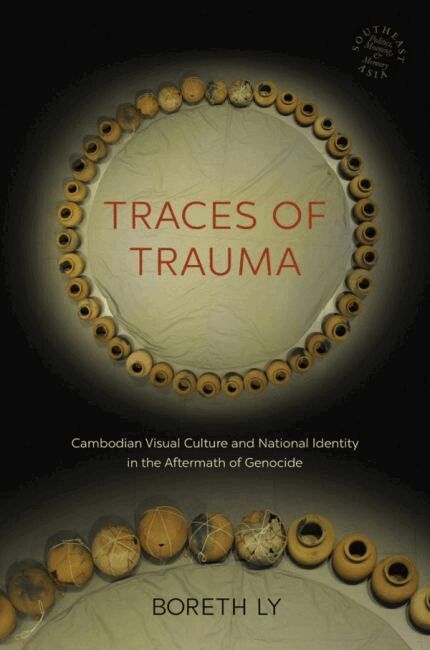
Traces of Trauma
Cambodian Visual Culture and National Identity in the Aftermath of Genocide
Häftad, Engelska, 2020
332 kr
Skickas inom 7-10 vardagar
How do the people of a morally shattered culture and nation find ways to go on living? Cambodians confronted this challenge following the collective disasters of the American bombing, the civil war, and the Khmer Rouge genocide. The magnitude of violence and human loss, the execution of artists and intellectuals, the erasure of individual and institutional cultural memory all caused great damage to Cambodian arts, culture, and society. Author Boreth Ly explores the "traces" of this haunting past in order to understand how Cambodians at home and in the diasporas deal with trauma on such a vast scale.Ly maintains that the production of visual culture by contemporary Cambodian artists and writers-photographers, filmmakers, court dancers, and poets-embodies traces of trauma, scars leaving an indelible mark on the body and the psyche. His book considers artists of different generations and family experiences: a Cambodian-American woman whose father sent her as a baby to the United States to be adopted; the Cambodian-French film-maker, Rithy Panh, himself a survivor of the Khmer Rouge, whose film The Missing Picture was nominated for an Oscar in 2014; a young Cambodian artist born in 1988-part of the "post-memory" generation. The works discussed include a variety of materials and remnants from the historical past: the broken pieces of a shattered clay pot, the scarred landscape of bomb craters, the traditional symbolism of the checkered scarf called krama, as well as the absence of a visual archive.Boreth Ly's poignant book explores obdurate traces that are fragmented and partial, like the acts of remembering and forgetting. His interdisciplinary approach, combining art history, visual studies, psychoanalysis, cultural studies, religion, and philosophy, is particularly attuned to the diverse body of material discussed in his book, which includes photographs, video installations, performance art, poetry, and mixed media. By analyzing these works through the lens of trauma, he shows how expressions of a national trauma can contribute to healing and the reclamation of national identity.
337 kr
Skickas inom 10-15 vardagar
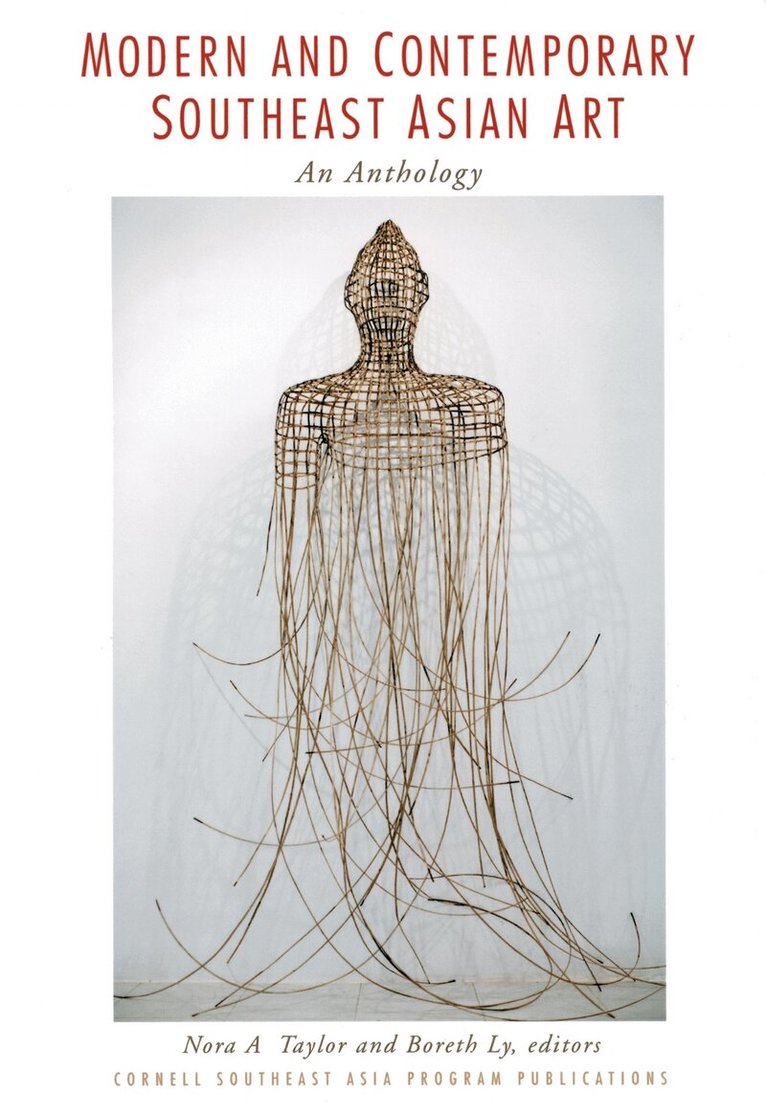
"The anthology edited by Nora Taylor and Boreth Ly emerges at a time when Southeast Asian contemporary art is gaining increasing visibility on the global art stage.... This volume serves as a reflective and critical body of essays that illuminates ways in which these developments may be questioned and understood."― Journal of Asian StudiesThis anthology explores artistic practices and works from a diverse and vibrant region. Scholars, critics, and curators offer their perspectives on Southeast Asian art and artists, aiming not to define the field but to Illuminate its changing nature and Its Interactions with creative endeavors and histories originating elsewhere. These essays examine a range of new and modern work, from sculptures that Invoke post-conflict trauma In Cambodia to Thai art Installations that Invite audience participation and thereby challenge traditional definitions of the "art object." In this way, the authors not only provide a lively study of regional art, but challenge and expand broad debates about international and transnational art.
584 kr
Skickas inom 10-15 vardagar
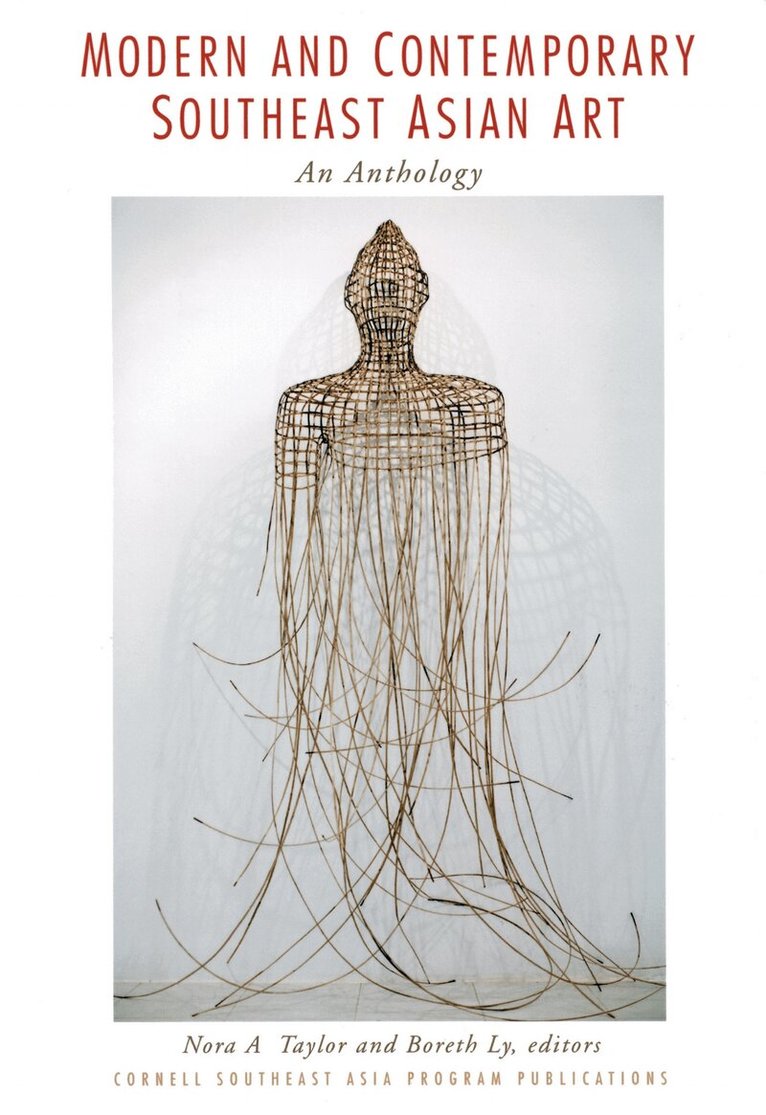
"The anthology edited by Nora Taylor and Boreth Ly emerges at a time when Southeast Asian contemporary art is gaining increasing visibility on the global art stage.... This volume serves as a reflective and critical body of essays that illuminates ways in which these developments may be questioned and understood."― Journal of Asian StudiesThis anthology explores artistic practices and works from a diverse and vibrant region. Scholars, critics, and curators offer their perspectives on Southeast Asian art and artists, aiming not to define the field but to Illuminate its changing nature and Its Interactions with creative endeavors and histories originating elsewhere. These essays examine a range of new and modern work, from sculptures that Invoke post-conflict trauma In Cambodia to Thai art Installations that Invite audience participation and thereby challenge traditional definitions of the "art object." In this way, the authors not only provide a lively study of regional art, but challenge and expand broad debates about international and transnational art.