Breandán Mac Suibhne - Böcker
Visar alla böcker från författaren Breandán Mac Suibhne. Handla med fri frakt och snabb leverans.
5 produkter
5 produkter
493 kr
Skickas
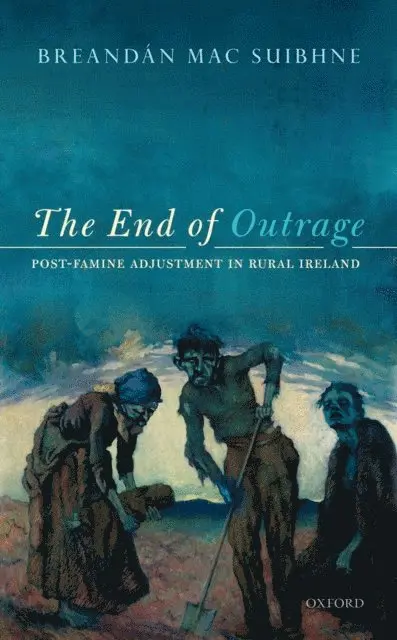
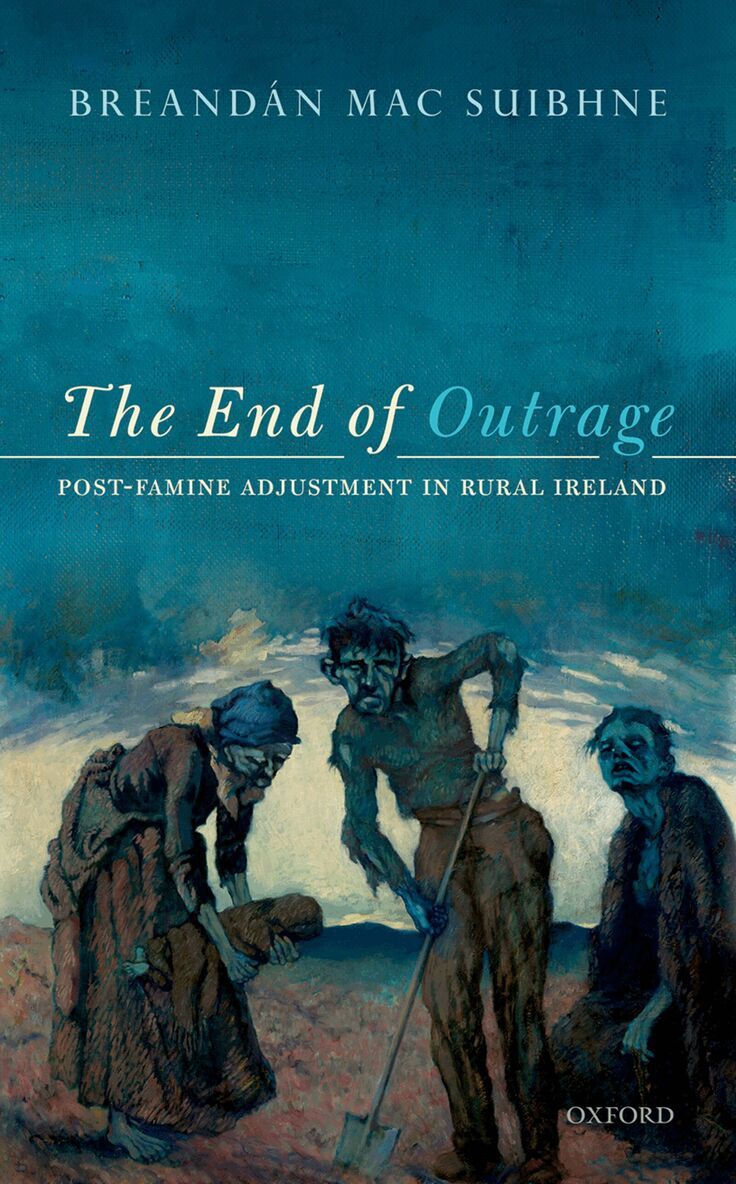
South-west Donegal, Ireland, June 1856. From the time that the blight first came on the potatoes in 1845, armed and masked men dubbed Molly Maguires had been raiding the houses of people deemed to be taking advantage of the rural poor. On some occasions, they represented themselves as 'Molly's Sons', sent by their mother, to carry out justice; on others, a man attired as a woman, introducing 'herself' as Molly Maguire, demanding redress for wrongs inflicted on her children. The raiders might stipulate the maximum price at which provisions were to be sold, warn against the eviction of tenants, or demand that an evicted family be reinstated to their holding. People who refused to meet their demands were often viciously beaten and, in some instances, killed -- offences that the Constabulary classified as 'outrages'. Catholic clergymen regularly denounced the Mollies and in 1853, the district was proclaimed under the Crime and Outrage (Ireland) Act. Yet the 'outrages' continued. Then, in 1856, Patrick McGlynn, a young schoolmaster, suddenly turned informer on the Mollies, precipitating dozens of arrests. Here, a history of McGlynn's informing, backlit by episodes over the previous two decades, sheds light on that wave of outrage, its origins and outcomes, the meaning and the memory of it. More specifically, it illuminates the end of 'outrage' -- the shifting objectives of those who engaged in it, and also how, after hunger faded and disease abated, tensions emerged in the Molly Maguires, when one element sought to curtail such activity, while another sought, unsuccessfully, to expand it. And in that contention, when the opportunities of post-Famine society were coming into view, one glimpses the end, or at least an ebbing, of outrage -- in the everyday sense of moral indignation -- at the fate of the rural poor. But, at heart, The End of Outrage is about contention among neighbours -- a family that rose from the ashes of a mode of living, those consumed in the conflagration, and those who lost much but not all. Ultimately, the concern is how the poor themselves came to terms with their loss: how their own outrage at what had been done unto them and their forbears lost malignancy, and eventually ended. The author being a native of the small community that is the focus of The End of Outrage makes it an extraordinarily intimate and absorbing history.
301 kr
Tillfälligt slut
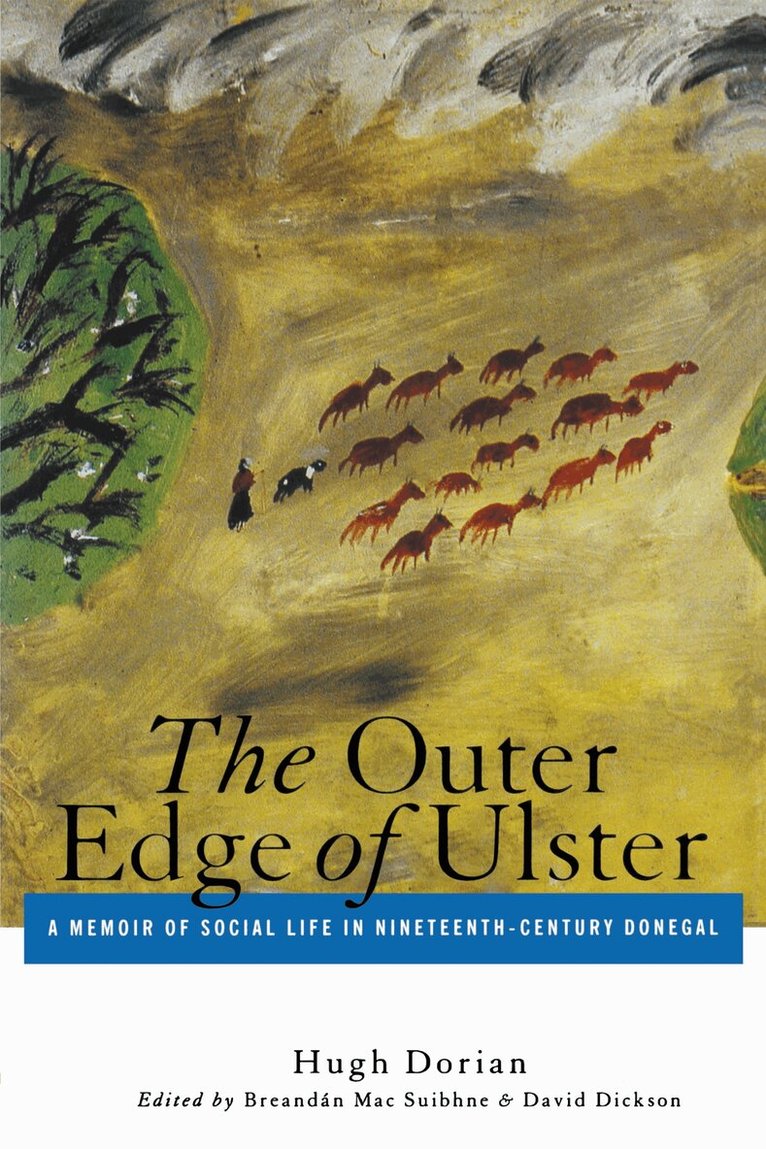
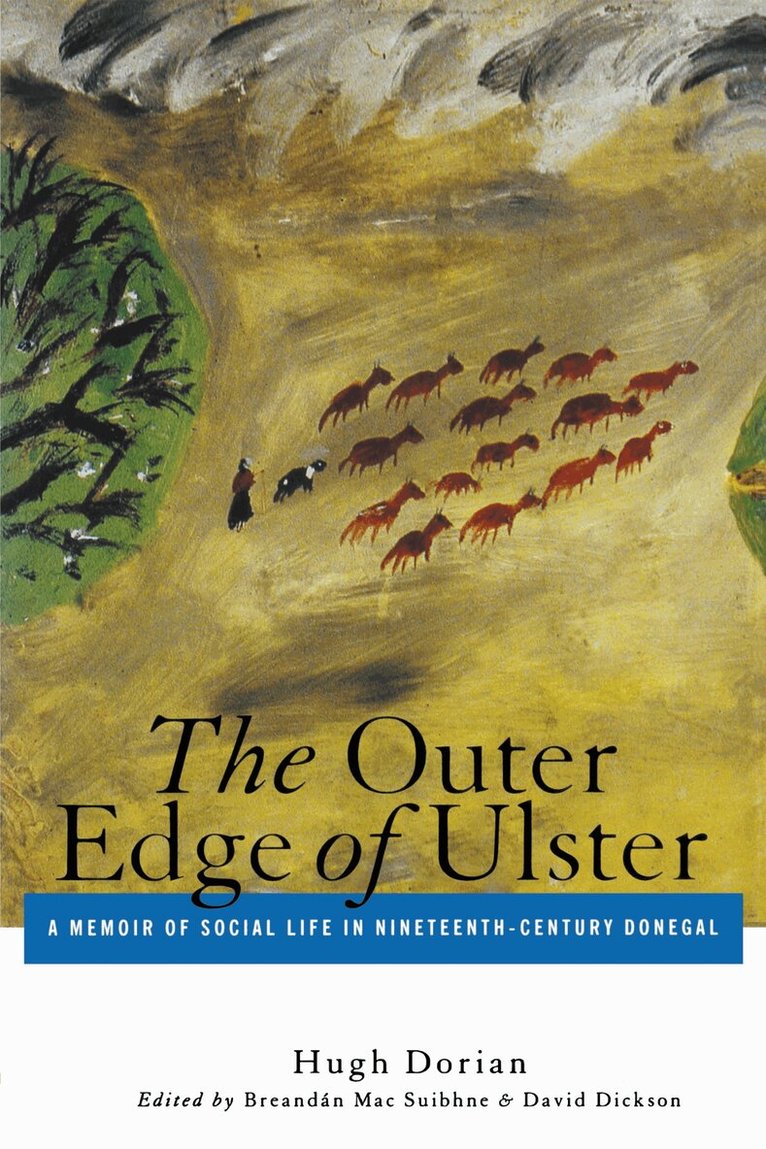
Hugh Dorian was born in poverty in rural Donegal in 1834. He survived Ireland's Great Famine, only to squander uncommon opportunities for self-advancement. Having lost his job and clashed with priests and policemen, he moved to the city of Derry but never slipped the shadow of trouble. Three of his children died from disease and his wife fell drunk into the River Foyle and drowned. Dorian declined into alcohol-numbed poverty and died in an overcrowded slum in 1914. A unique document survived the tragedy of Dorian's life. In 1890 he completed a "true historical narrative" of the social and cultural transformation of his home community. This narrative forms the most extensive lower-class account of the Great Famine. A moving account of the lives of ordinary people in extraordinary circumstances, it invites comparison with the classic slave narratives of Frederick Douglass and Harriet Jacobs. Dorian achieves a degree of totality in his reconstruction of the world of the pre-Famine poor that is unparalleled in contemporary memoir or fiction. He describes their working and living conditions, sports and drinking, religious devotions and festivals. And then he describes the catastrophe that obliterated that world. Horror is remembered vividly but with restraint: "in a very short time there was nothing but stillness; a mournful silence in the villages; in the cottages grim poverty and emaciated faces showing all the signs of hardships." The picture of starvation is stark but authentic: "the cheek bones became thin and high, the cheeks blue, the bones sharp, and the eyes sunk . . .. the legs and the feet swell and get red and the skin cracks . . .". And at last came "the dispersion . . . to places which their fathers never heard of and which they themselves never would have seen, had the times not changed." No one," he writes, "can measure the distance of the broad Atlantic speedier and better than a father whose child is there." A sense of loss, closer to bereavement than nostalgia, is threaded through the text: it is a lament for the might have been — the future as imagined before the Famine — rather than the actual past. The final and lasting image is of trauma without recovery: the wise-men who had sat late into the small hours debating politics in the years before the Famine congregated in the after years but sat now in silence "their subjects . . . lacking words." Dorian's narrative was never published in his own lifetime and all but forgotten after the author's death. First published in Ireland in August 2000, The Outer Edge of Ulster includes a scholarly introduction that traces the troubles that beset the author and locates the narrative in wider literary contexts. Appearing for the first time in America, this critically acclaimed book offers an intimate look at the everyday lives of ordinary people facing extraordinary challenges.
1 547 kr
Skickas inom 11-20 vardagar
Hugh Dorian was born in poverty in rural Donegal in 1834. He survived Ireland's Great Famine, only to squander uncommon opportunities for self-advancement. Having lost his job and clashed with priests and policemen, he moved to the city of Derry but never slipped the shadow of trouble. Three of his children died from disease and his wife fell drunk into the River Foyle and drowned. Dorian declined into alcohol-numbed poverty and died in an overcrowded slum in 1914. A unique document survived the tragedy of Dorian's life. In 1890 he completed a "true historical narrative" of the social and cultural transformation of his home community. This narrative forms the most extensive lower-class account of the Great Famine. A moving account of the lives of ordinary people in extraordinary circumstances, it invites comparison with the classic slave narratives of Frederick Douglass and Harriet Jacobs. Dorian achieves a degree of totality in his reconstruction of the world of the pre-Famine poor that is unparalleled in contemporary memoir or fiction. He describes their working and living conditions, sports and drinking, religious devotions and festivals. And then he describes the catastrophe that obliterated that world. Horror is remembered vividly but with restraint: "in a very short time there was nothing but stillness; a mournful silence in the villages; in the cottages grim poverty and emaciated faces showing all the signs of hardships." The picture of starvation is stark but authentic: "the cheek bones became thin and high, the cheeks blue, the bones sharp, and the eyes sunk . . .. the legs and the feet swell and get red and the skin cracks . . .". And at last came "the dispersion . . . to places which their fathers never heard of and which they themselves never would have seen, had the times not changed." No one," he writes, "can measure the distance of the broad Atlantic speedier and better than a father whose child is there." A sense of loss, closer to bereavement than nostalgia, is threaded through the text: it is a lament for the might have been — the future as imagined before the Famine — rather than the actual past. The final and lasting image is of trauma without recovery: the wise-men who had sat late into the small hours debating politics in the years before the Famine congregated in the after years but sat now in silence "their subjects . . . lacking words." Dorian's narrative was never published in his own lifetime and all but forgotten after the author's death. First published in Ireland in August 2000, The Outer Edge of Ulster includes a scholarly introduction that traces the troubles that beset the author and locates the narrative in wider literary contexts. Appearing for the first time in America, this critically acclaimed book offers an intimate look at the everyday lives of ordinary people facing extraordinary challenges.
2 289 kr
Skickas inom 10-15 vardagar
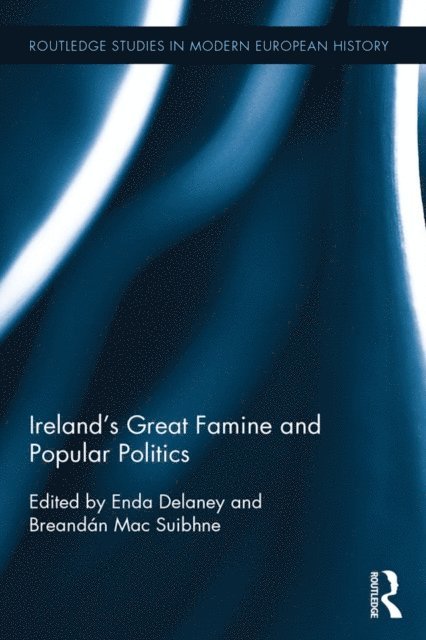
Ireland’s Great Famine of 1845–52 was among the most devastating food crises in modern history. A country of some eight-and-a-half-million people lost one million to hunger and disease and another million to emigration. According to land activist Michael Davitt, the starving made little or no effort to assert "the animal’s right to existence," passively accepting their fate. But the poor did resist. In word and deed, they defied landlords, merchants and agents of the state: they rioted for food, opposed rent and rate collection, challenged the decisions of those controlling relief works, and scorned clergymen who attributed their suffering to the Almighty. The essays collected here examine the full range of resistance in the Great Famine, and illuminate how the crisis itself transformed popular politics. Contributors include distinguished scholars of modern Ireland and emerging historians and critics. This book is essential reading for students of modern Ireland, and the global history of collective action.
649 kr
Skickas inom 10-15 vardagar
Ireland’s Great Famine of 1845–52 was among the most devastating food crises in modern history. A country of some eight-and-a-half-million people lost one million to hunger and disease and another million to emigration. According to land activist Michael Davitt, the starving made little or no effort to assert "the animal’s right to existence," passively accepting their fate. But the poor did resist. In word and deed, they defied landlords, merchants and agents of the state: they rioted for food, opposed rent and rate collection, challenged the decisions of those controlling relief works, and scorned clergymen who attributed their suffering to the Almighty. The essays collected here examine the full range of resistance in the Great Famine, and illuminate how the crisis itself transformed popular politics. Contributors include distinguished scholars of modern Ireland and emerging historians and critics. This book is essential reading for students of modern Ireland, and the global history of collective action.