Brenda E. Stevenson - Böcker
Visar alla böcker från författaren Brenda E. Stevenson. Handla med fri frakt och snabb leverans.
4 produkter
4 produkter
302 kr
Skickas inom 5-8 vardagar
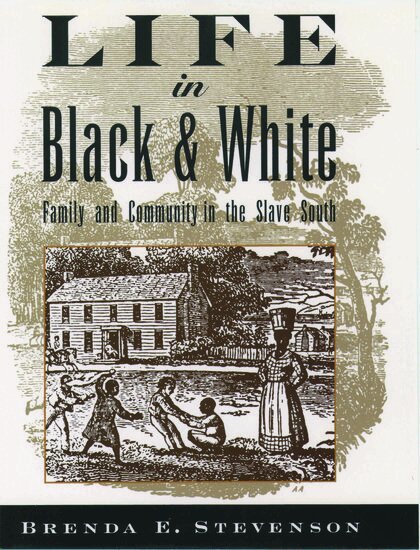
Life in the old South has always fascinated Americans--whether in the mythical portrayals of the planter elite from fiction such as Gone With the Wind or in historical studies that look inside the slave cabin. Now Brenda E. Stevenson presents a reality far more gripping than popular legend, even as she challenges the conventional wisdom of academic historians. Life in Black and White provides a panoramic portrait of family and community life in and around Loudoun County, Virginia--weaving the fascinating personal stories of planters and slaves, of free blacks and poor-to-middling whites, into a powerful portrait of southern society from the mid-eighteenth century to the Civil War.Loudoun County and its vicinity encapsulated the full sweep of southern life. Here the region's most illustrious families--the Lees, Masons, Carters, Monroes, and Peytons--helped forge southern traditions and attitudes that became characteristic of the entire region while mingling with yeoman farmers of German, Scotch-Irish, and Irish descent, and free black families who lived alongside abolitionist Quakers and thousands of slaves. Stevenson brilliantly recounts their stories as she builds the complex picture of their intertwined lives, revealing how their combined histories guaranteed Loudon's role in important state, regional, and national events and controversies. Both the Declaration of Independence and the U.S. Constitution, for example, were hidden at a local plantation during the War of 1812. James Monroe wrote his famous "Doctrine" at his Loudon estate. The area also was the birthplace of celebrated fugitive slave Daniel Dangerfield, the home of John Janney, chairman of the Virginia secession convention, a center for Underground Railroad activities, and the location of John Brown's infamous 1859 raid at Harpers Ferry.In exploring the central role of the family, Brenda Stevenson offers a wealth of insight: we look into the lives of upper class women, who bore the oppressive weight of marriage and motherhood as practiced in the South and the equally burdensome roles of their husbands whose honor was tied to their ability to support and lead regardless of their personal preference; the yeoman farm family's struggle for respectability; and the marginal economic existence of free blacks and its undermining influence on their family life.Most important, Stevenson breaks new ground in her depiction of slave family life. Following the lead of historian Herbert Gutman, most scholars have accepted the idea that, like white, slaves embraced the nuclear family, both as a living reality and an ideal. Stevenson destroys this notion, showing that the harsh realities of slavery, even for those who belonged to such attentive masters as George Washington, allowed little possibility of a nuclear family. Far more important were extended kin networks and female headed households.Meticulously researched, insightful, and moving, Life in Black and White offers our most detailed portrait yet of the reality of southern life. It forever changes our understanding of family and race relations during the reign of the peculiar institution in the American South.
736 kr
Skickas inom 7-10 vardagar
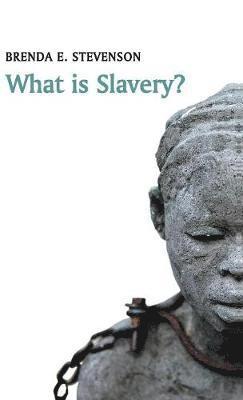
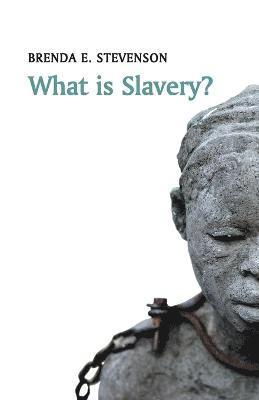
What is slavery? It seems a simple enough question. Despite the long history of the institution and its widespread use around the globe, many people still largely associate slavery, outside of the biblical references in the Old Testament, to the enslavement of Africans in America, particularly the United States. Slavery proved to be essential to the creation of the young nation’s agricultural and industrial economies and profoundly shaped its political and cultural landscapes, even until today.What Is Slavery? focuses on the experience of enslaved black people in the United States from its early colonial period to the dawn of that destructive war that was as much about slavery as anything else. The book begins with a survey of slavery across time and place, from the ancient world to the beginning of the Atlantic slave trade and then describes the commerce in black laborers that ushered in market globalization and brought more than 12 million Africans to the Americas, before finally examining slavery in law and practice. For those who are looking for a concise and comprehensive treatment of such topics as slave labor, culture, resistance, family and gender relations, the domestic slave trade, the regionalization of the institution in the expanding southern and southwestern frontiers, and escalating abolitionist and proslavery advocacies, this book will be essential reading.
250 kr
Skickas inom 7-10 vardagar
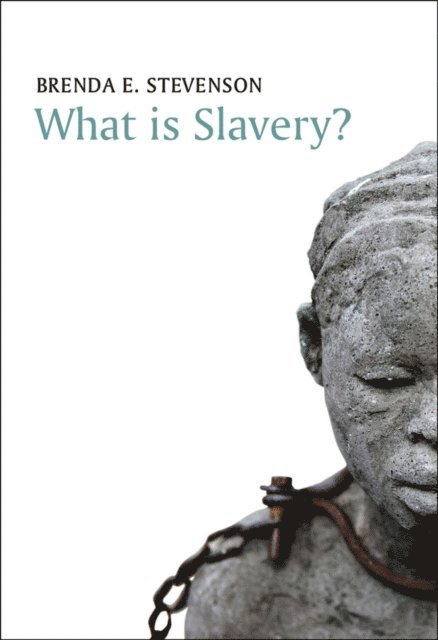
What is slavery? It seems a simple enough question. Despite the long history of the institution and its widespread use around the globe, many people still largely associate slavery, outside of the biblical references in the Old Testament, to the enslavement of Africans in America, particularly the United States. Slavery proved to be essential to the creation of the young nation’s agricultural and industrial economies and profoundly shaped its political and cultural landscapes, even until today.What Is Slavery? focuses on the experience of enslaved black people in the United States from its early colonial period to the dawn of that destructive war that was as much about slavery as anything else. The book begins with a survey of slavery across time and place, from the ancient world to the beginning of the Atlantic slave trade and then describes the commerce in black laborers that ushered in market globalization and brought more than 12 million Africans to the Americas, before finally examining slavery in law and practice. For those who are looking for a concise and comprehensive treatment of such topics as slave labor, culture, resistance, family and gender relations, the domestic slave trade, the regionalization of the institution in the expanding southern and southwestern frontiers, and escalating abolitionist and proslavery advocacies, this book will be essential reading.
What Sorrows Labour in My Parent's Breast?
A History of the Enslaved Black Family
Inbunden, Engelska, 2023
489 kr
Skickas inom 10-15 vardagar
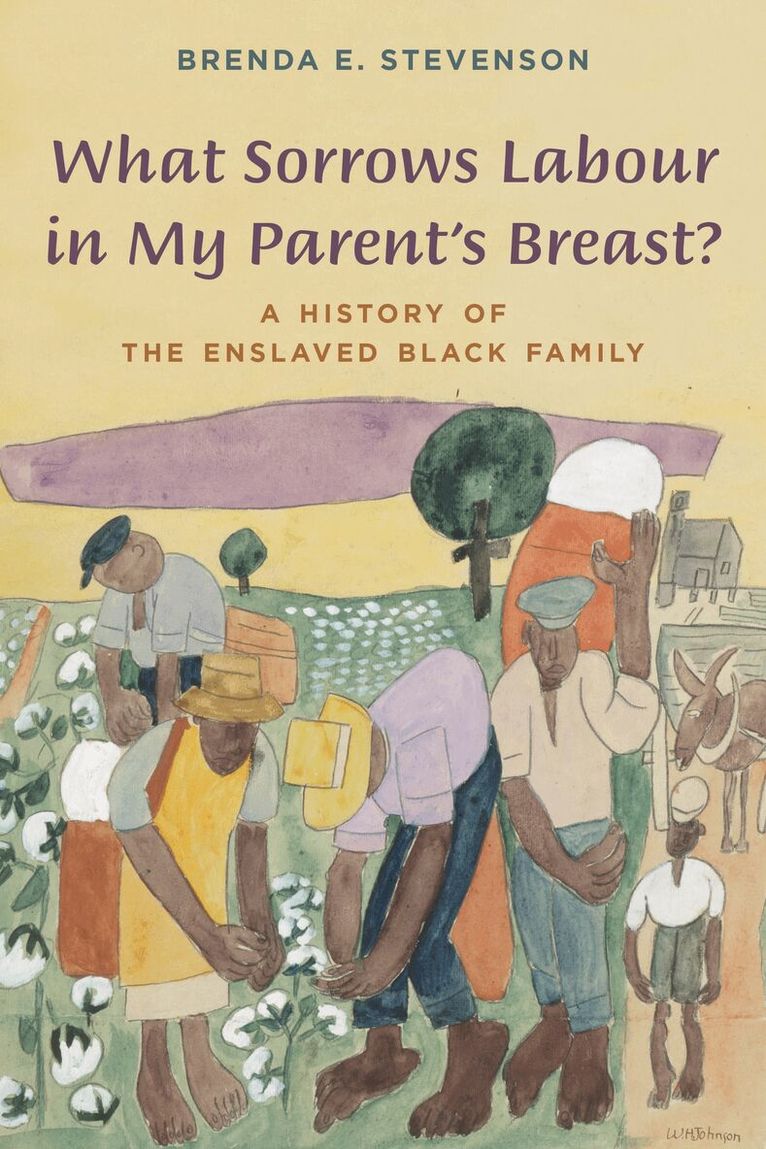
The legacy of the slave family haunts the status of black Americans in modern U.S. society. Stereotypes that first entered the popular imagination in the form of plantation lore have continued to distort the African American social identity. In What Sorrows Labour in My Parents' Breast?, Brenda Stevenson provides a long overdue concise history to help the reader understand this vitally important African American institution as it evolved and survived under the extreme opposition that the institution of slavery imposed. The themes of this work center on the multifaceted reality of loss, recovery, resilience and resistance embedded in the desire of African/African descended people to experience family life despite their enslavement. These themes look back to the critical loss that Africans, both those taken and those who remained, endured, as the enslaved poet Phillis Wheatley honors in the line—“What sorrows labour in my parents’ breast?,” and look forward to the generations of slaves born through the Civil War era who struggled to realize their humanity in the recreation of family ties that tied them, through blood and emotion, to a reality beyond their legal bondage to masters and mistresses. Stevenson pays particular attention to the ways in which gender, generation, location, slave labor, the economic status of slaveholders and slave societies’ laws affected the black family in slavery.