Brian Loveman – författare
Visar alla böcker från författaren Brian Loveman. Handla med fri frakt och snabb leverans.
14 produkter
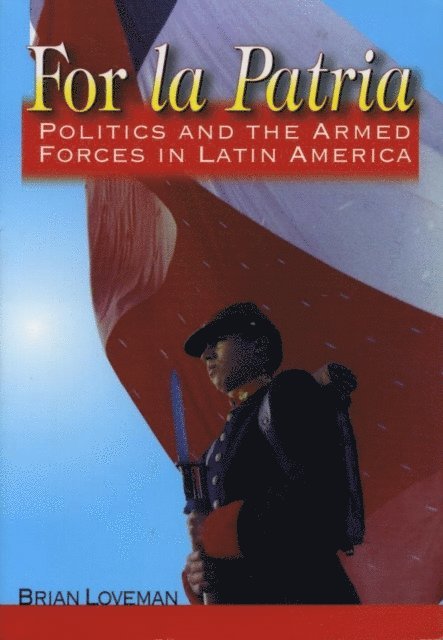
For la Patria
Politics and the Armed Forces in Latin America
E-bok, 2004
655 kr
Lägg i varukorg
Defending ''la patria,'' or ''homeland,'' is the historical mission claimed by Latin American armed forces. For la Patria is a comprehensive narrative history of the military''s political role in Latin America in national defense and security. Latin American civil-military relations and the role of …
Addicted to Failure
U.S. Security Policy in Latin America and the Andean Region
Inbunden, 2006
1564 kr
Lägg i varukorg
For supplementary documentation and useful websites, click here.This perceptive book critically explores why the United States continues to pursue failed policies in Latin America. What elements of the U.S. and Latin American political systems have allowed the Cold War, the war on drugs, and the …
Addicted to Failure
U.S. Security Policy in Latin America and the Andean Region
Häftad, 2006
714 kr
Lägg i varukorg
For supplementary documentation and useful websites, click here.This perceptive book critically explores why the United States continues to pursue failed policies in Latin America. What elements of the U.S. and Latin American political systems have allowed the Cold War, the war on drugs, and the …
Addicted to Failure
U.S. Security Policy in Latin America and the Andean Region
E-bok, 2006
785 kr
Lägg i varukorg
For supplementary documentation and useful websites, click here. This perceptive book critically explores why the United States continues to pursue failed policies in Latin America. What elements of the U.S. and Latin American political systems have allowed the Cold War, the war on drugs, and the …
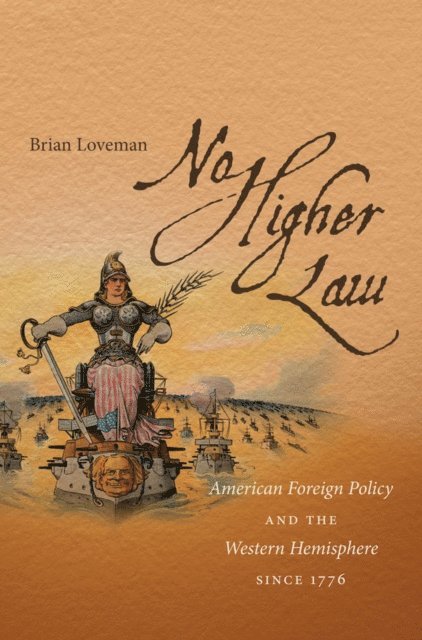
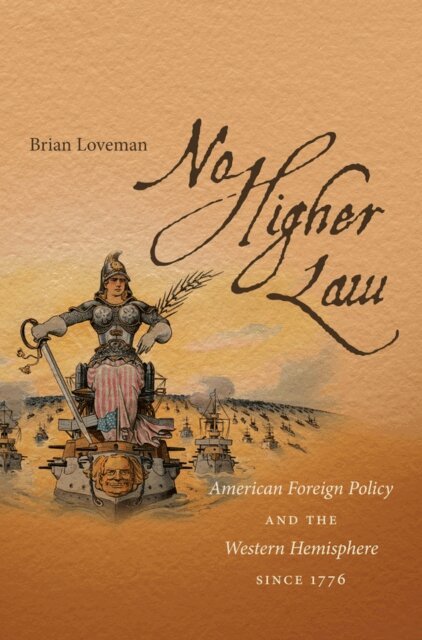
No Higher Law
American Foreign Policy and the Western Hemisphere Since 1776
Häftad, 2012
573 kr
Lägg i varukorg
Dismantling the myths of United States isolationism and exceptionalism, No Higher Law is a sweeping history and analysis of American policy toward the Western Hemisphere and Latin America from independence to the present. From the nation's earliest days, argues Brian Loveman, U.S. leaders viewed …
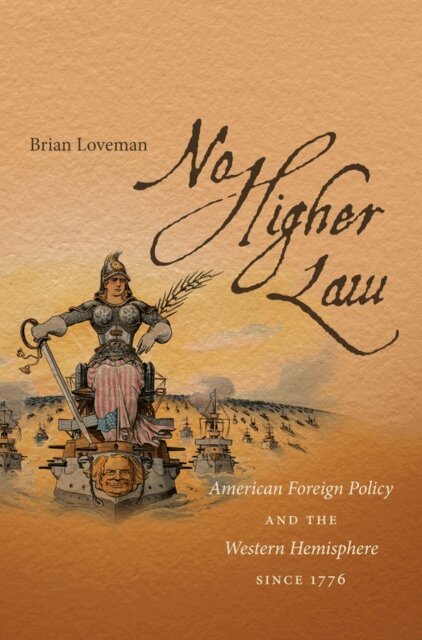
No Higher Law
American Foreign Policy and the Western Hemisphere since 1776
E-bok, 2010
520 kr
Lägg i varukorg
Dismantling the myths of United States isolationism and exceptionalism, No Higher Law is a sweeping history and analysis of American policy toward the Western Hemisphere and Latin America from independence to the present. From the nation''s earliest days, argues Brian Loveman, U.S. leaders viewed …
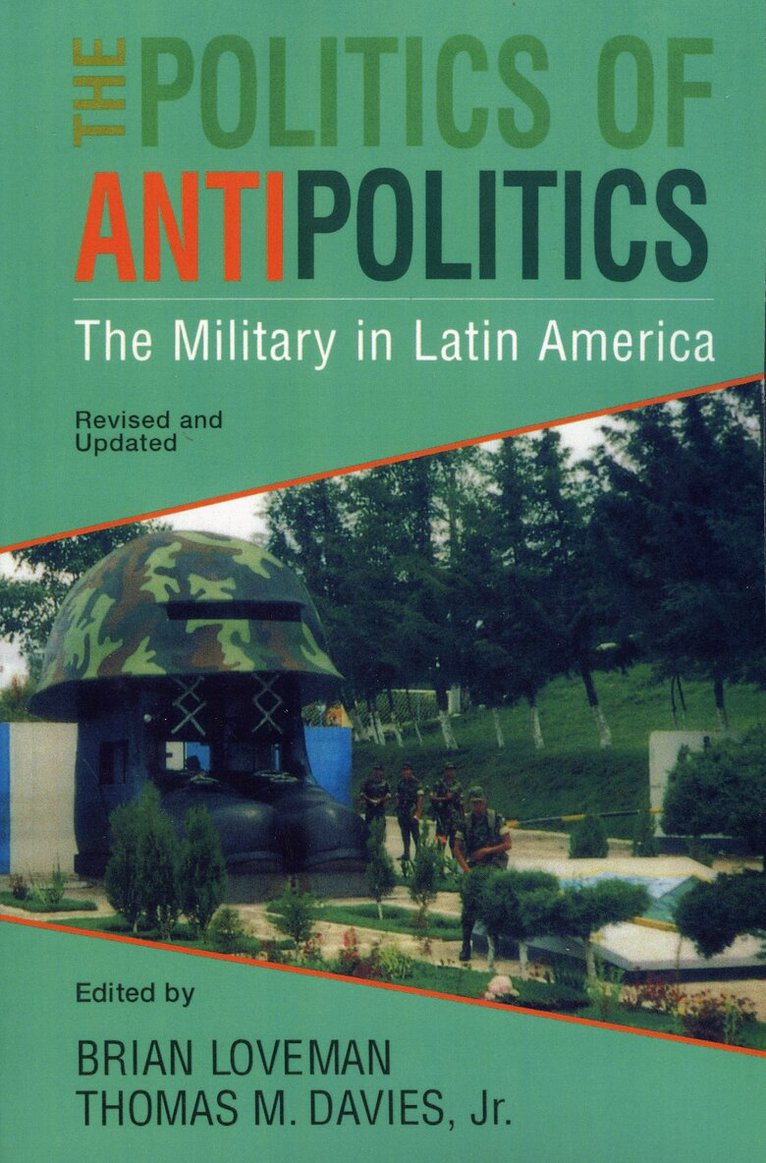
Politics of Antipolitics
The Military in Latin America
Av Thomas Davies, Brian Loveman
Häftad, 1997
615 kr
Lägg i varukorg
Latin America is moving toward democracy. The region's countries hold elections, choose leaders, and form new governments. But is the civilian government firmly in power? Or is the military still influencing policy and holding the elected politicians in check under the guise of guarding against …
No Higher Law
American Foreign Policy and the Western Hemisphere since 1776
E-bok, 2010
1008 kr
Lägg i varukorg
Dismantling the myths of United States isolationism and exceptionalism, No Higher Law is a sweeping history and analysis of American policy toward the Western Hemisphere and Latin America from independence to the present. From the nation''s earliest days, argues Brian Loveman, U.S. leaders viewed …
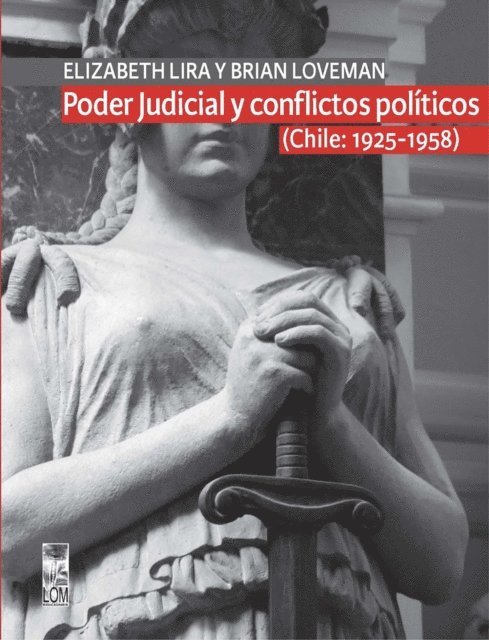
Poder Judicial y conflictos politicos. Volumen I. (Chile: 1925-1958)
Av Brian Loveman, Elizabeth Lira Kornfeld
E-bok, 2021
189 kr
Lägg i varukorg
La verdad judicial que resulta de los casos aquí estudiados, permite reconsiderar la historia oficial y ofrecer una visión distinta, y a veces sorprendente, sobre algunos acontecimientos críticos de la historia nacional.
Poder Judicial y conflictos politicos. Tomo II. (Chile: 1958-1973)
Av Brian Loveman, Elizabeth Lira Kornfeld
E-bok, 2021
222 kr
Lägg i varukorg
En los conflictos y procesos judiciales analizados, se revelan las diferencias ideológicas y políticas existentes en el país, haciendo difícil asegurar la percepción de imparcialidad, de neutralidad e independencia de los tribunales.
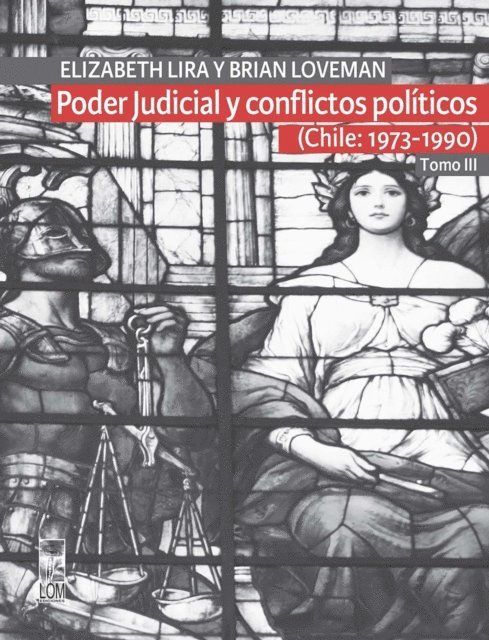
Poder Judicial y conflictos políticos. Tomo III. (Chile: 1973-1990)
Av Brian Loveman, Elizabeth Lira Kornfeld
E-bok, 2021
200 kr
Lägg i varukorg
Este volumen describe el rol político y las transformaciones del Poder Judicial. En 1973, la Corte Suprema rehusó ejercer sus facultades, afirmando falta de jurisdicción. La consecuencia fue la total desprotección de miles de chilenos.
No Higher Law
American Foreign Policy and the Western Hemisphere since 1776
E-bok, 2010
535 kr
Lägg i varukorg
Dismantling the myths of United States isolationism and exceptionalism, No Higher Law is a sweeping history and analysis of American policy toward the Western Hemisphere and Latin America from independence to the present. From the nation''s earliest days, argues Brian Loveman, U.S. leaders viewed …
No Higher Law
American Foreign Policy and the Western Hemisphere since 1776
E-bok, 2010
1133 kr
Lägg i varukorg
Dismantling the myths of United States isolationism and exceptionalism, No Higher Law is a sweeping history and analysis of American policy toward the Western Hemisphere and Latin America from independence to the present. From the nations earliest days, argues Brian Loveman, U.S. leaders viewed and …
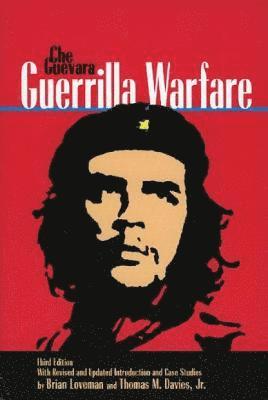
Guerrilla Warfare
Av Che Guevara, Brian Loveman m. fl.
Inbunden, 2002
725 kr
Tillfälligt slut
Che Guevara, the larger-than-life hero of the 1959 revolutionary victory that overturned the Cuban dictatorship, believed that revolution would also topple the imperialist governments in Latin America. Che's call to action, his proclamation of 'invincibility'-the ultimate victory of revolutionary …