Brooks D. Simpson – författare
Visar alla böcker från författaren Brooks D. Simpson. Handla med fri frakt och snabb leverans.
24 produkter
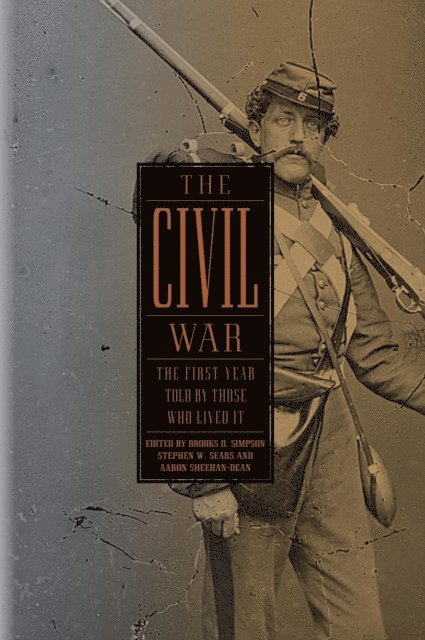
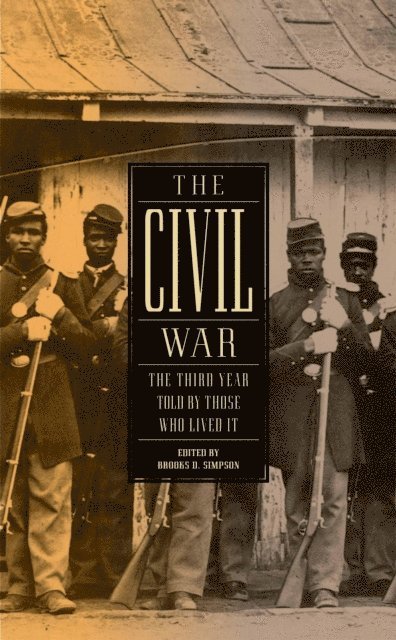
Civil War Told By Those Who Lived It
A Library of America Boxed Set
Av Brooks D. Simpson, Stephen W. Sears m. fl.
Inbunden, 2014
1534 kr
Lägg i varukorg
The definitive firsthand narrative of the Civil War, in a collector's boxed set After 150 years the Civil War still holds a central place in American history and self-understanding. It is our greatest national drama, at once heroic, tragic, and epic—our Iliad , but also our Bible, a story of sin …
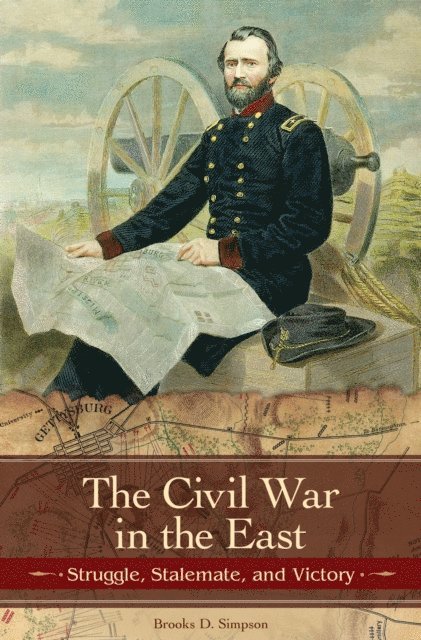
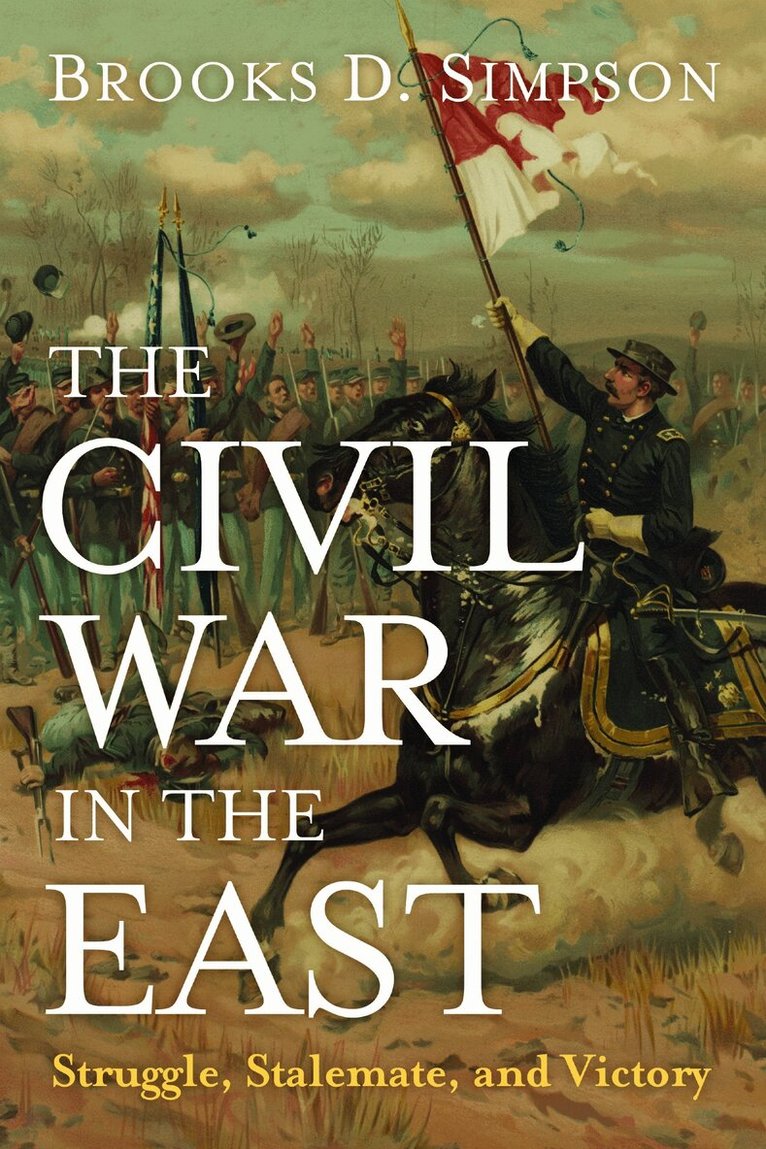
Civil War in the East
Struggle, Stalemate, and Victory
Inbunden, 2011
516 kr
Lägg i varukorg
This book fills a gap in Civil War literature on the strategies employed by the Union and Confederacy in the East, offering a more integrated interpretation of military operations that shows how politics, public perception, geography, and logistics shaped the course of military operations in the …
Civil War in the East
Struggle, Stalemate, and Victory
E-bok, 2011
562 kr
Lägg i varukorg
This book fills a gap in Civil War literature on the strategies employed by the Union and Confederacy in the East, offering a more integrated interpretation of military operations that shows how politics, public perception, geography, and logistics shaped the course of military operations in the …
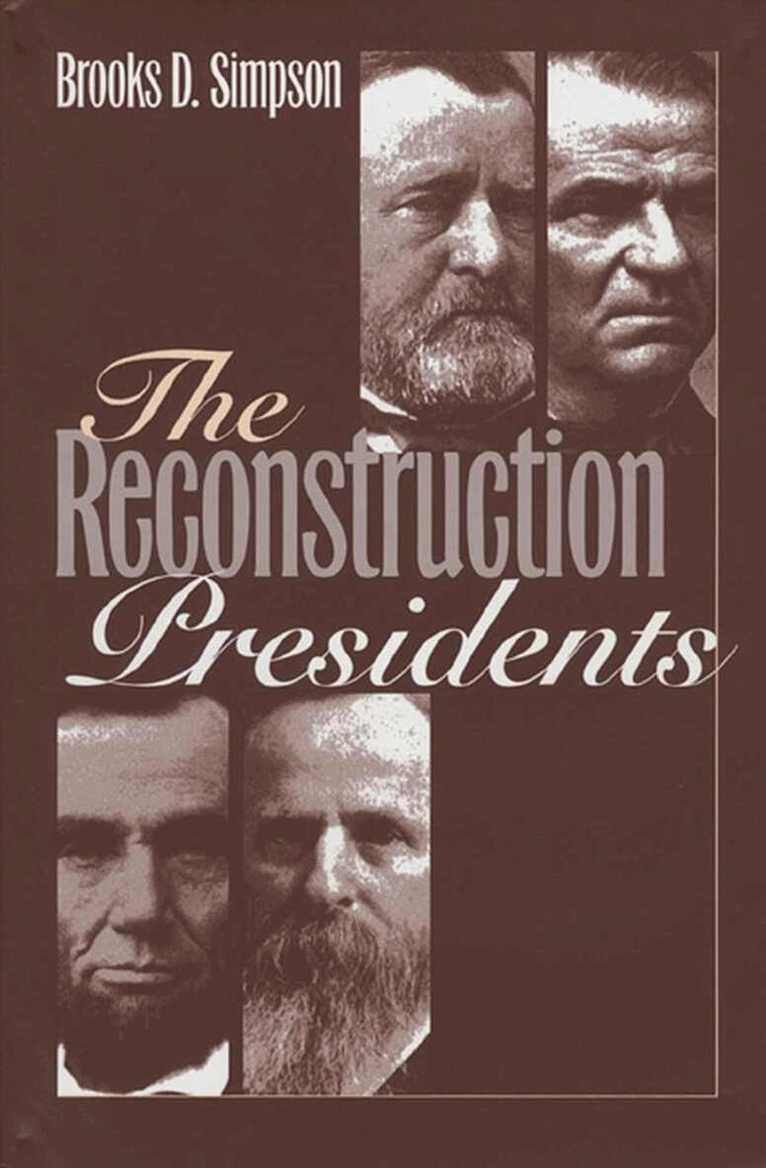
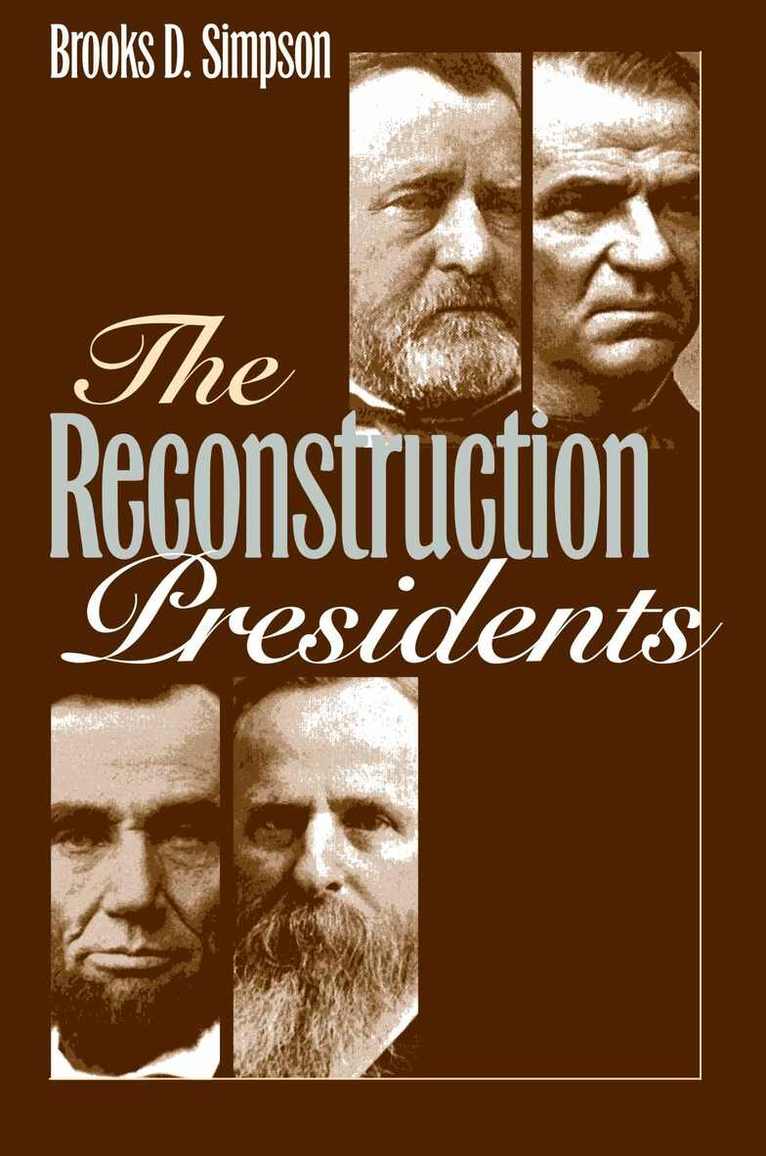
Reconstruction Presidents
Inbunden, 1998
853 kr
Lägg i varukorg
During and after the Civil War, four presidents faced the challenge of reuniting the nation and providing justice for black Americans. This book examines the Reconstruction policies of Lincoln, Johnson, Grant and Hayes and reveals how they responded to the complex issues that confronted them.
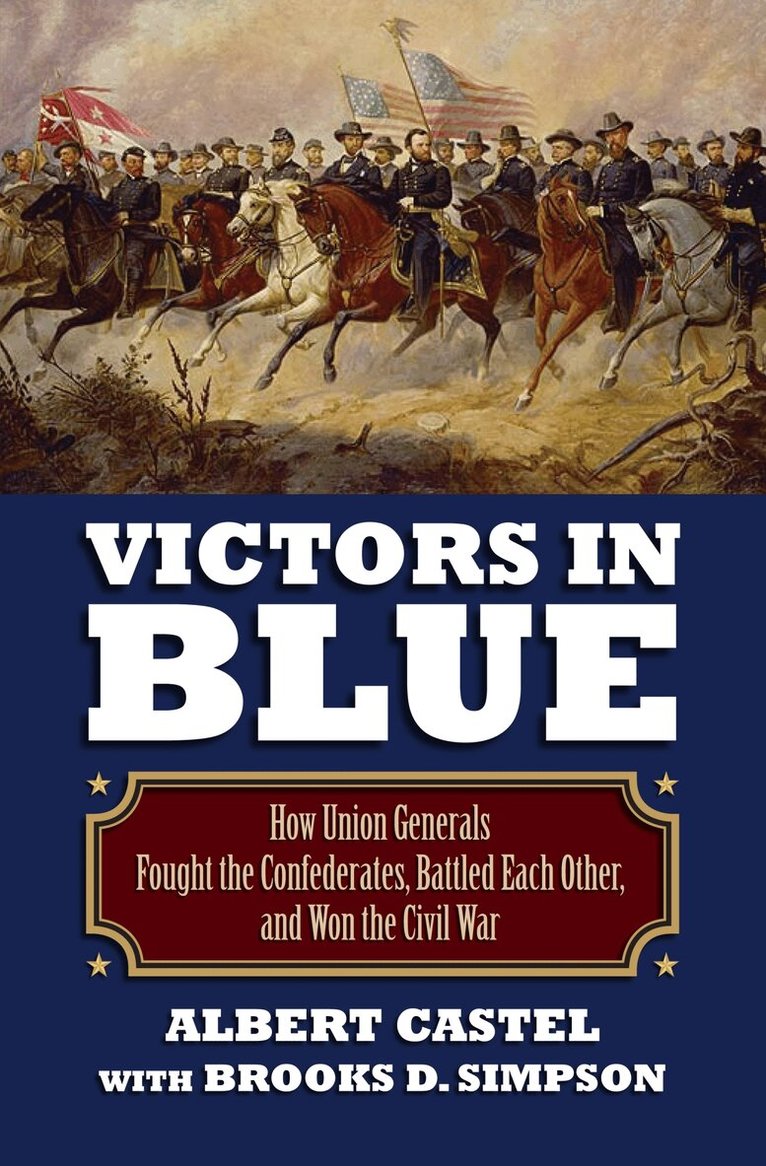
Victors in Blue
How Union Generals Fought the Confederates, Battled Each Other, and Won the Civil War
Av Albert Casel, Brooks D. Simpson
Inbunden, 2011
641 kr
Lägg i varukorg
Reassessing how battles and campaigns forged a decisive Northern victory, this book reevaluates the generalship of the victors, and lays bare the sometimes vicious rivalries among the Union generals and their effect on the war. The author provides fresh accounts of how the Union commanders …
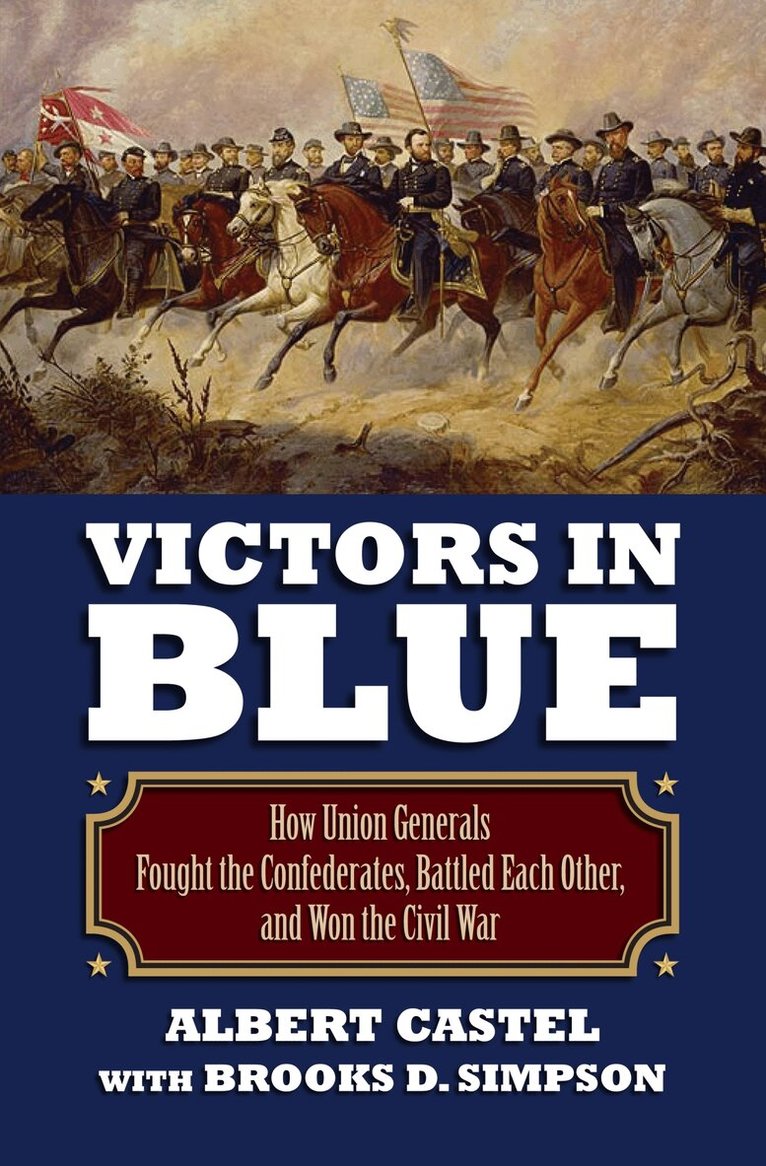
Victors in Blue
How Union Generals Fought the Confederates, Battled EachOther, and Won the Civil War
Av Albert Castel, Brooks D. Simpson
Häftad, 2015
429 kr
Lägg i varukorg
Make no mistake, the Confederacy had the will and valor to fight. But the Union had the manpower, the money, the materiel, and, most important, the generals. Although the South had arguably the best commander in the Civil War in Robert E. Lee, the North's full house beat their one-of-a-kind. Flawed …
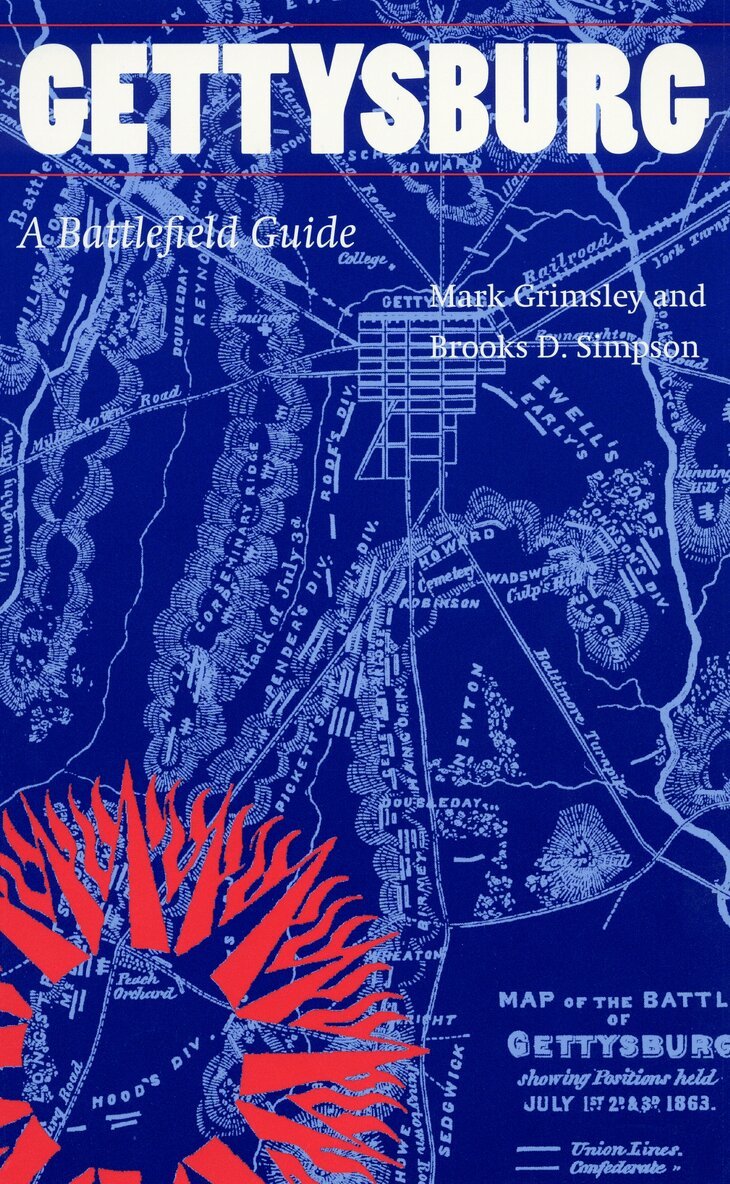
Gettysburg
A Battlefield Guide
Av Mark Grimsley, Brooks D. Simpson
Häftad, 1999
254 kr
Lägg i varukorg
Little Round Top, the Railroad Cut, Pickett's Charge—these are the turning points within the most important battle of the Civil War. Even careful students of Gettysburg, however, can find themselves disoriented when visiting the site itself. Here, finally, is a convenient guide for serious student …
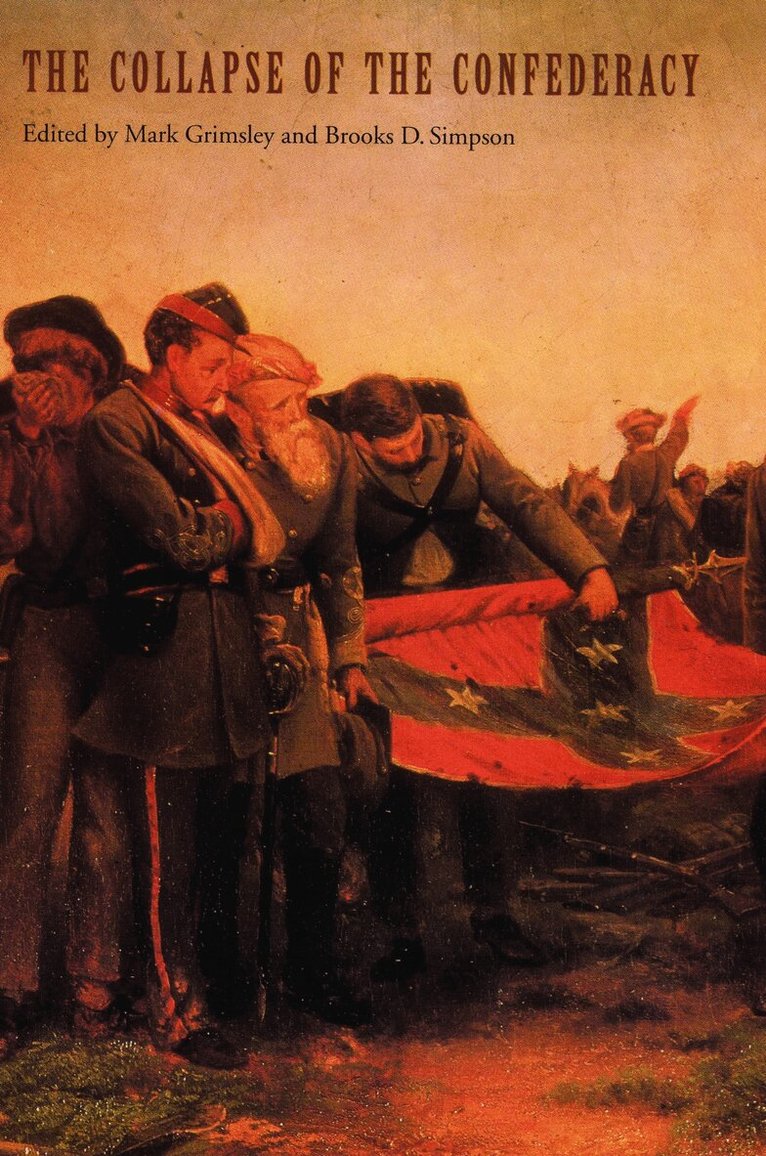
Collapse of the Confederacy
Av Brooks D. Simpson, Mark Grimsley
Häftad, 2002
240 kr
Lägg i varukorg
Practically all Civil War historians agree that after the fall of Atlanta in September 1864 and Lincoln's triumphant reelection in November, the South had no remaining chance to make good its independence. Well aware that Appomattox and Durham Station were close at hand, historians have treated the …
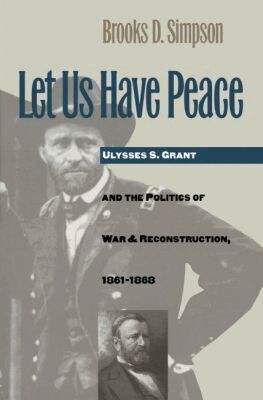
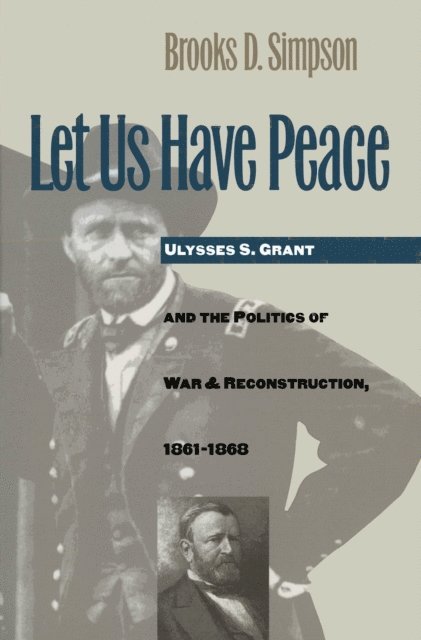
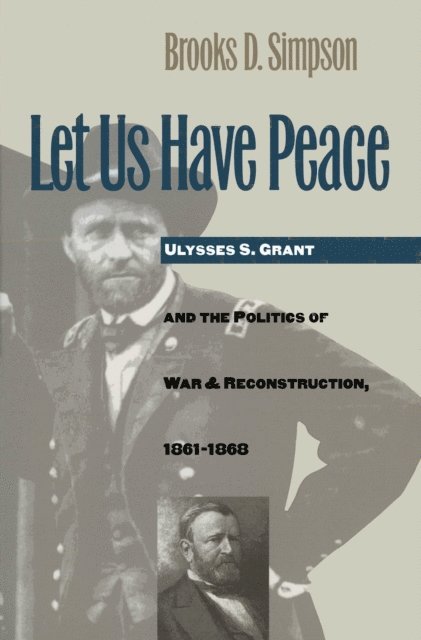
Let Us Have Peace
Ulysses S. Grant and the Politics of War and Reconstruction, 1861-1868
Häftad, 1997
562 kr
Lägg i varukorg
Historians have traditionally drawn distinctions between Ulysses S. Grant's military and political careers. In Let Us Have Peace , Brooks Simpson questions such distinctions and offers a new understanding of this often enigmatic leader. He argues that during the 1860s Grant was both soldier and …
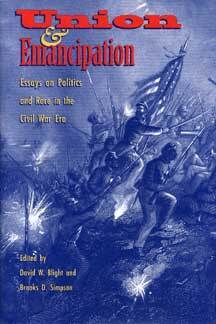
Union and Emancipation
Essays on Politics and Race in the Civil War Era
Av David Blight, Brooks D Simpson
Häftad, 2007
281 kr
Lägg i varukorg
In Union and Emancipation, seven leading historians offer new perspectives on the issues of race and politics in American Society from the antebellum era to the aftermath of Reconstruction. The authors, all trained by Richard H. Sewell at the University of Wisconsin-Madison, address two major …
America's Civil War
Häftad, 2013
352 kr
Lägg i varukorg
Such is the continuing volume of work on the Civil War that we are regularly in need of an authoritative and accessible brief synthesis to keep us up to date with this endlessly fascinating subject. Brooks Simpson meets that need for the 1990s in America's Civil War, a wonderful feat of compression …
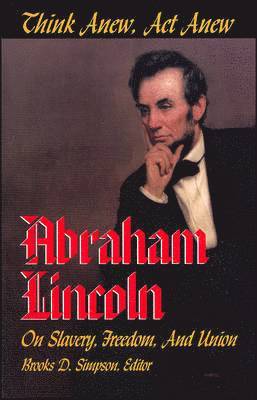
Think Anew, Act Anew
Abraham Lincoln on Slavery, Freedom, and Union
Häftad, 2013
289 kr
Lägg i varukorg
In the hope of shedding light on questions that continue to spark debate among historians and students of Lincoln, Brooks Simpson presents Think Anew, Act Anew, a concise and inventively annotated collection of documents written by Abraham Lincoln that focus on the interrelated themes of slavery, …
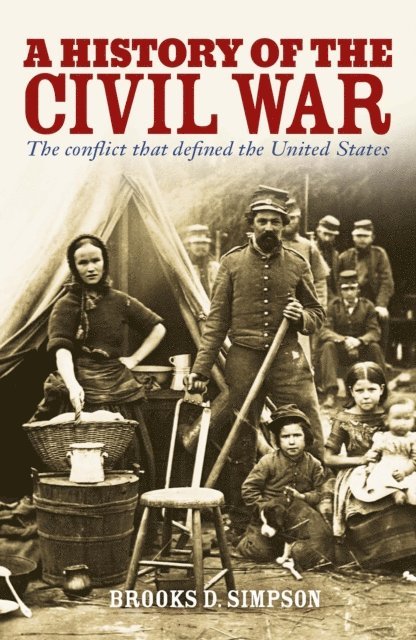
History of the Civil War
The Conflict that Defined the United States
E-bok, 2023
15 kr
Lägg i varukorg
In this account of the bloodiest war fought on American soil, Brooks Simpson recounts the events of the war from the opening salvo at Fort Sumter through the battlefields of Gettysburg and Shiloh to the Confederate surrender at Appomattox Court House. A History of the Civil War brings to life the …
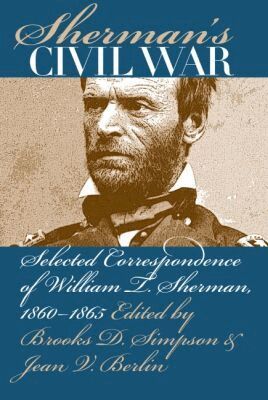
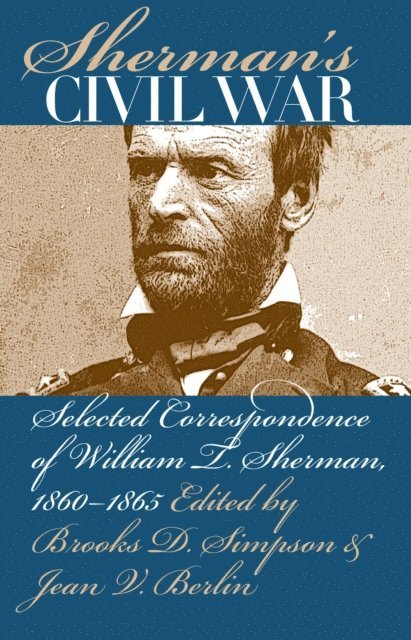
Sherman's Civil War
Selected Correspondence of William T. Sherman, 1860-1865
Av Brooks D. Simpson, Jean V. Berlin
Häftad, 2013
985 kr
Lägg i varukorg
The first major modern edition of the wartime correspondence of General William T. Sherman, this volume features more than 400 letters written between the election of Abraham Lincoln in 1860 and the day Sherman bade farewell to his troops in 1865. Together, they trace Sherman's rise from obscurity …
Let Us Have Peace
Ulysses S. Grant and the Politics of War and Reconstruction, 1861-1868
E-bok, 2014
520 kr
Lägg i varukorg
Historians have traditionally drawn distinctions between Ulysses S. Grant’s military and political careers. In Let Us Have Peace , Brooks Simpson questions such distinctions and offers a new understanding of this often enigmatic leader. He argues that during the 1860s Grant was both soldier and …
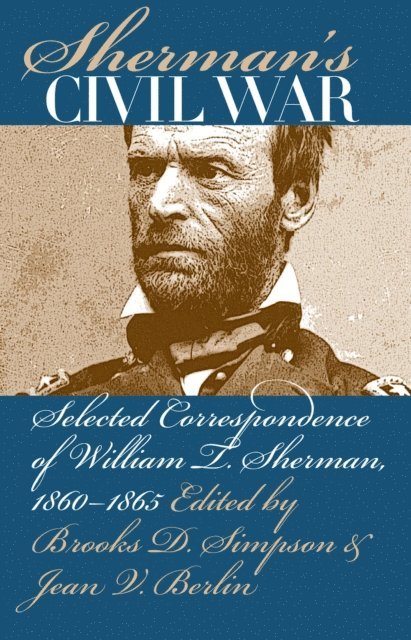
Sherman's Civil War
Selected Correspondence of William T. Sherman, 1860-1865
Av Jean V. Berlin, Brooks D. Simpson
E-bok, 2014
423 kr
Lägg i varukorg
The first major modern edition of the wartime correspondence of General William T. Sherman, this volume features more than 400 letters written between the election of Abraham Lincoln in 1860 and the day Sherman bade farewell to his troops in 1865. Together, they trace Sherman’s rise from obscurity …
Civil War: The First Year Told by Those Who Lived It (LOA #212)
(Library of America #212)
Av Sheehan-Dean Aaron, Stephen W. Sears m. fl.
E-bok, 2011
469 kr
Lägg i varukorg
After 150 years the Civil War is still our greatest national drama, at once heroic, tragic, and epic-our Iliad, but also our Bible, a story of sin and judgment, suffering and despair, death and resurrection in a "new birth of freedom." Drawn from letters, diaries, speeches, articles, poems, songs, …
Civil War: The Third Year Told by Those Who Lived It (LOA #234)
(Library of America #234)
E-bok, 2013
459 kr
Lägg i varukorg
This is the third volume of the ground-breaking eyewitness narrative that has been called a "masterpiece." Spanning the crucial months from January 1863 to March 1864, this third volume of The Library of America’s highly acclaimed four volume series presents an incomparable portrait of a nation at …
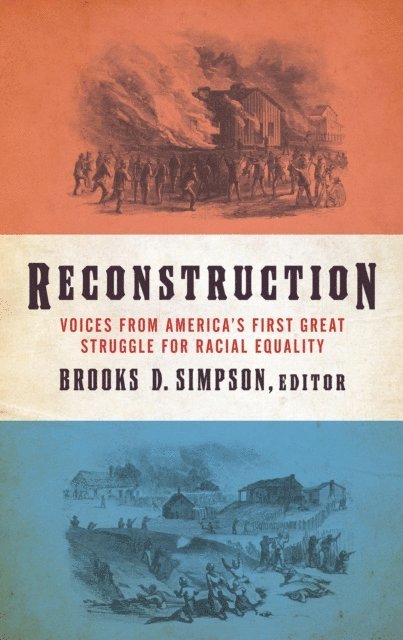
Reconstruction: Voices from America's First Great Struggle for Racial Equality (LOA #303)
E-bok, 2018
469 kr
Lägg i varukorg
The violent aftermath of the Civil War comes to dramatic life in this sweeping new collection of firsthand writing There are few periods in American history more consquential but less understood than Reconstruction, the tumultuous twelve years after Appomattox, when the battered nation sought to …
Civil War in the East
Struggle, Stalemate, and Victory
Häftad, 2013
256 kr
Lägg i varukorg
For all the literature about Civil War military operations and leadership, precious little has been written about strategy, particularly in the eastern theater. The Civil War in the East takes a fresh look at military operations in this sector and the assumptions that shaped them.With opposing …
Civil War in the East
Struggle, Stalemate, and Victory
E-bok, 2011
562 kr
Lägg i varukorg
This book fills a gap in Civil War literature on the strategies employed by the Union and Confederacy in the East, offering a more integrated interpretation of military operations that shows how politics, public perception, geography, and logistics shaped the course of military operations in the …
Let Us Have Peace
Ulysses S. Grant and the Politics of War and Reconstruction, 1861-1868
E-bok, 2014
410 kr
Lägg i varukorg
Historians have traditionally drawn distinctions between Ulysses S. Grant’s military and political careers. In Let Us Have Peace , Brooks Simpson questions such distinctions and offers a new understanding of this often enigmatic leader. He argues that during the 1860s Grant was both soldier and …
Sherman's Civil War
Selected Correspondence of William T. Sherman, 1860-1865
Av Jean V. Berlin, Brooks D. Simpson
E-bok, 2014
423 kr
Lägg i varukorg
The first major modern edition of the wartime correspondence of General William T. Sherman, this volume features more than 400 letters written between the election of Abraham Lincoln in 1860 and the day Sherman bade farewell to his troops in 1865. Together, they trace Sherman’s rise from obscurity …