Bruce Masters – författare
Visar alla böcker från författaren Bruce Masters. Handla med fri frakt och snabb leverans.
12 produkter
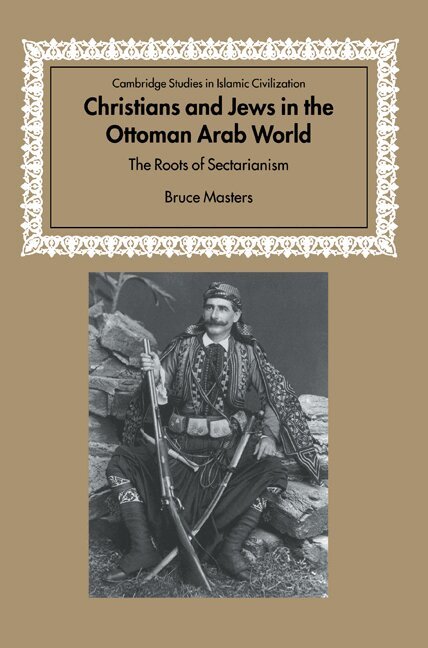
Christians and Jews in the Ottoman Arab World
The Roots of Sectarianism
Av Bruce Masters, David Morgan
Häftad, 2004
754 kr
Lägg i varukorg
Masters explores the history of Christians and Jews in the Arab provinces of the Ottoman empire and how their identities as non-Muslims evolved over four hundred years. At the start of this period, in the sixteenth century, social community was circumscribed by religious identity and non-Muslims …
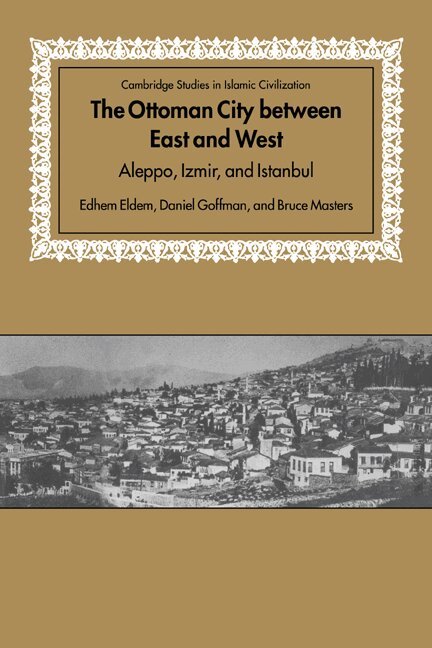
The Ottoman City between East and West
Aleppo, Izmir, and Istanbul
Av Edhem Eldem, Daniel Goffman m. fl.
Inbunden, 1999
2029 kr
Lägg i varukorg
Studies of early-modern Islamic cities have stressed the atypical or the idiosyncratic. This bias derives largely from orientalist presumptions that they were in some way substandard or deviant. The first purpose of this volume is to normalize Ottoman cities, to demonstrate how, on the one hand, …
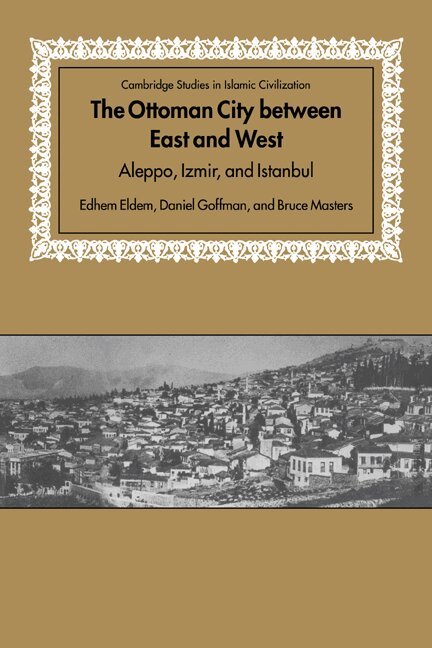
The Ottoman City between East and West
Aleppo, Izmir, and Istanbul
Av Edhem Eldem, Daniel Goffman m. fl.
Häftad, 2005
687 kr
Lägg i varukorg
Studies of early-modern Islamic cities have stressed the atypical or the idiosyncratic. This bias derives largely from orientalist presumptions that they were in some way substandard or deviant. The first purpose of this volume is to normalize Ottoman cities, to demonstrate how, on the one hand, …
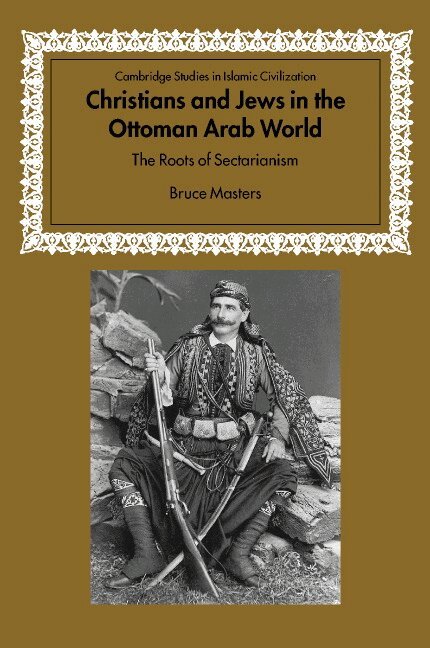
Christians and Jews in the Ottoman Arab World
The Roots of Sectarianism
Av Bruce Masters, David Morgan
Inbunden, 2001
1677 kr
Lägg i varukorg
Masters explores the history of Christians and Jews in the Arab provinces of the Ottoman empire and how their identities as non-Muslims evolved over four hundred years. At the start of this period, in the sixteenth century, social community was circumscribed by religious identity and non-Muslims …
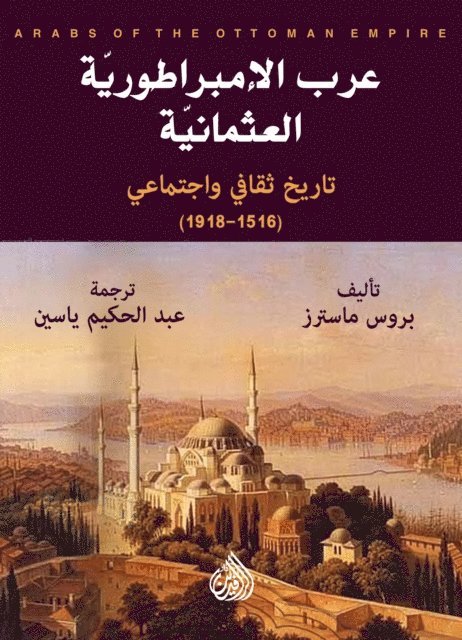
The Arabs of the Ottoman Empire, 1516-1918
A Social and Cultural History
Inbunden, 2013
1312 kr
Lägg i varukorg
The Ottomans ruled much of the Arab World for four centuries. Bruce Masters's work surveys this period, emphasizing the cultural and social changes that occurred against the backdrop of the political realities that Arabs experienced as subjects of the Ottoman sultans. The persistence of Ottoman …
Arabs of the Ottoman Empire, 1516-1918
A Social and Cultural History
E-bok, 2013
407 kr
Lägg i varukorg
The Ottomans ruled much of the Arab World for four centuries. Bruce Masters''s work surveys this period, emphasizing the cultural and social changes that occurred against the backdrop of the political realities that Arabs experienced as subjects of the Ottoman sultans. The persistence of Ottoman …
Arabs of the Ottoman Empire, 1516-1918
A Social and Cultural History
E-bok, 2013
411 kr
Lägg i varukorg
The Ottomans ruled much of the Arab World for four centuries. Bruce Masters''s work surveys this period, emphasizing the cultural and social changes that occurred against the backdrop of the political realities that Arabs experienced as subjects of the Ottoman sultans. The persistence of Ottoman …
The Arabs of the Ottoman Empire, 1516-1918
A Social and Cultural History
Häftad, 2013
435 kr
Lägg i varukorg
The Ottomans ruled much of the Arab World for four centuries. Bruce Masters's work surveys this period, emphasizing the cultural and social changes that occurred against the backdrop of the political realities that Arabs experienced as subjects of the Ottoman sultans. The persistence of Ottoman …
The Origins of Western Economic Dominance in the Middle East: Mercantilism and the Islamic Economy in Aleppo, 1600-1750
Inbunden, 1899
777 kr
Lägg i varukorg
Arabs of the Ottoman Empire
E-bok, 2024
145 kr
Lägg i varukorg
In this book, the author, Professor John Masters, traces the Ottoman rule of the Arab lands for four centuries extending from 1516 to 1918, and presents a comprehensive, impartial survey of the political, economic, and social conditions in the Arab lands during Ottoman rule. It also deals with the …
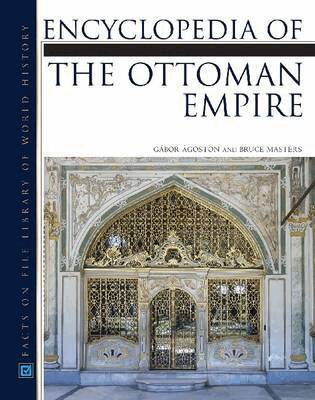
Encyclopedia of the Ottoman Empire
Av Gabor Agoston, Bruce Alan Masters m. fl.
Inbunden, 2009
988 kr
Tillfälligt slut
Once stretching from Vienna in the north to Iraq and Yemen in the south, the Ottoman Empire has played an integral role in the history of Eurasia and the Middle East. The dynamics and complexity of the present-day Middle East and Balkans cannot be understood without an examination of the history of …