Bruno Hamnell - Böcker
Visar alla böcker från författaren Bruno Hamnell. Handla med fri frakt och snabb leverans.
2 produkter
2 produkter
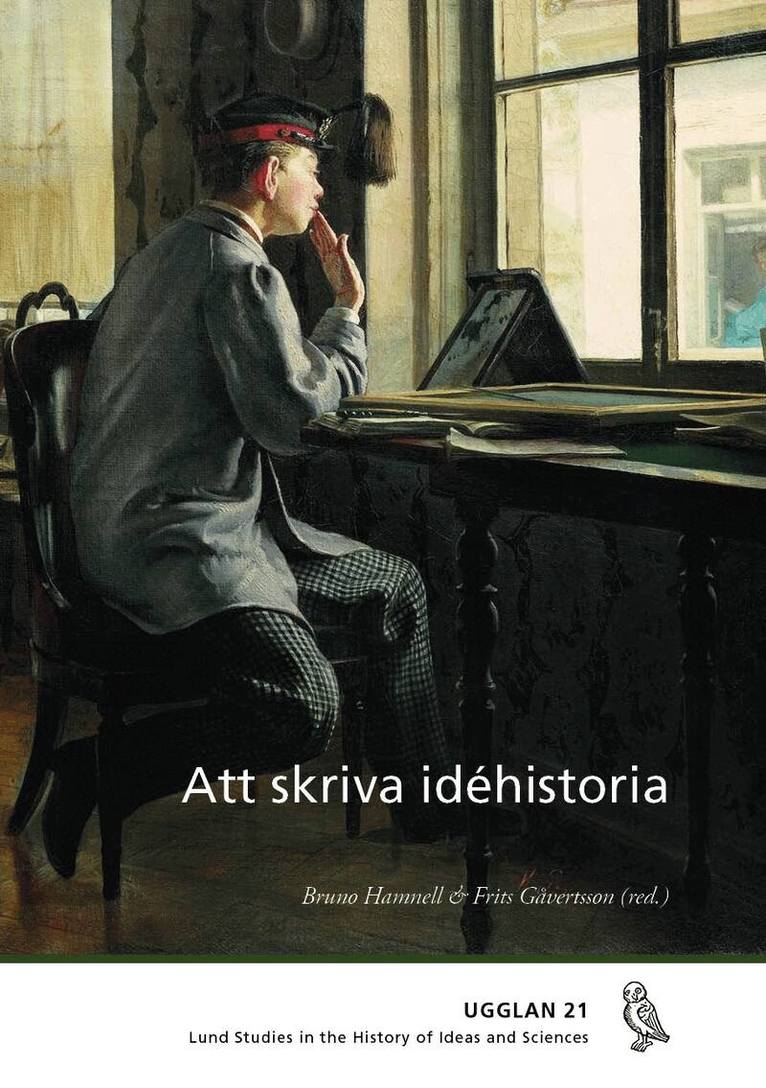
Del 21 - Ugglan. Lund Studies in the History of Ideas and sciences
Att skriva idéhistoria
Häftad, Svenska, 2026
359 kr
Skickas inom 5-8 vardagar
Hur formulerar man ett idéhistoriskt problem? Vilken betydelse kan plats ha i idéhistoriska undersökningar? Vilka digitala verktyg kan en idéhistoriker arbeta med? Hur skiljer sig idéhistoriska undersökningar inriktade mot medicinens, filosofins, politikens och vetenskapens historia från varandra? I den här handboken ges svar på dessa och ytterligare frågor. Boken består av tre delar som behandlar grundläggande aspekter av forskningsprocessen, ett urval av idéhistoriska metoder, samt idéhistoriska forskningsfält. Den riktas både till studenter inom ämnet och till andra som är intresserade av att förstå och anlägga idéhistoriska angreppssätt. Boken syftar till att beskriva och utveckla idéhistorieämnets normer och praktiker och därigenom hjälpa studenter och andra intresserade att arbeta mer analytiskt, metodiskt och reflekterande med idéhistoriska texter.
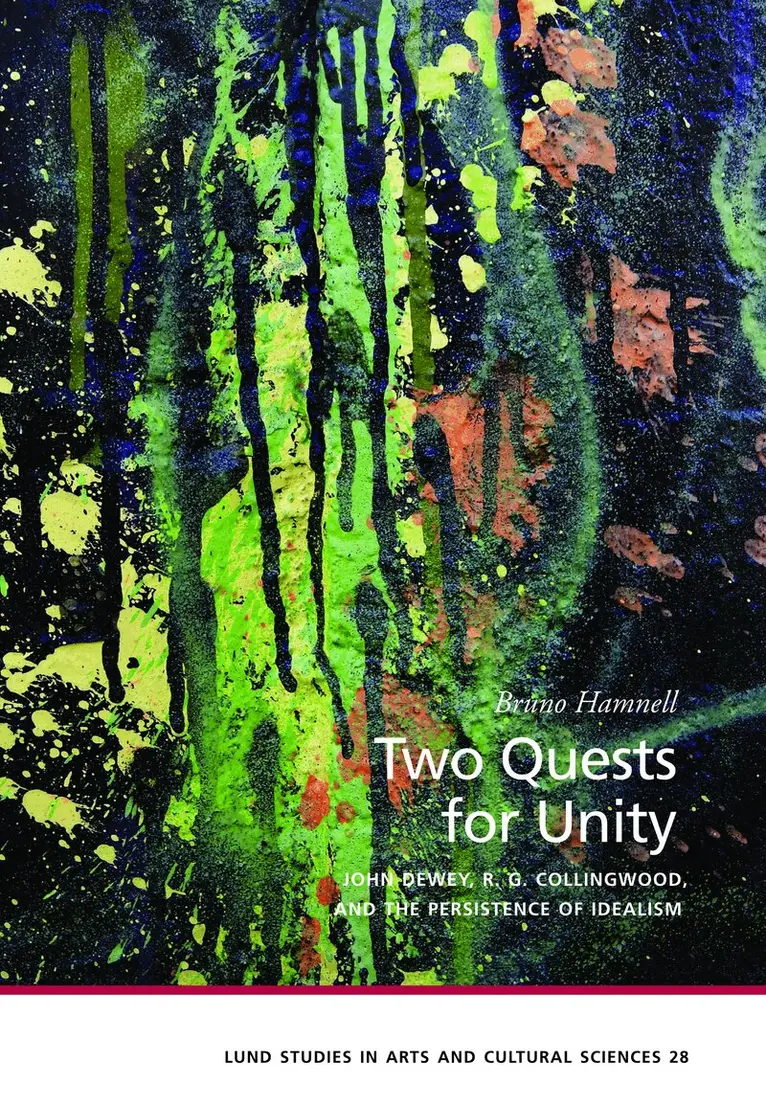
Del 28 - Lund Studies in Arts and Cultural Sciences
Two quests for unity : John Dewey, R. G. Collingwood, and the persistence of idealism
Häftad, Engelska, 2021
465 kr
Skickas inom 5-8 vardagar
Two Quests for Unity investigates the persistence of idealist philosophy in Anglo-America during the first half of the nineteenth century through a study of Robin George Collingwood (1889–1943) and John Dewey (1859–1952). By focusing on an English and an American philosopher, this study illustrates the importance of taking a transnational approach to philosophy in contrast to the methodological nationalism that dominates the field. The study uncovers Dewey’s and Collingwood’s idealist background and shows that they shared certain characteristics of idealism and its “thought style” throughout their lives, even though Dewey later became a pragmatist. As such, this study also provides insight into the historical relation between idealism and pragmatism. Special attention is given to unity, experience, and praxis, which were central notions in Anglo-American idealist philosophy as well as for Dewey and Collingwood. While Dewey and Collingwood came to reject and revise certain aspects of idealism, they nevertheless retained its conception of philosophy as a broad, synthetic, situated, and reconstructive form of humanistic cultural criticism committed to the common good. This ideal has unfortunately been lost, but a critical conversation with philosophers like Collingwood and Dewey may help us imagine what such a philosophy —adapted for the twenty-first century — might look like.