Budy P Resosudarmo – författare
Visar alla böcker från författaren Budy P Resosudarmo. Handla med fri frakt och snabb leverans.
10 produkter
10 produkter
Häftad, Engelska, 2026
776 kr
Skickas inom 5-8 vardagar
Del 11 - New Frontiers in Regional Science: Asian Perspectives
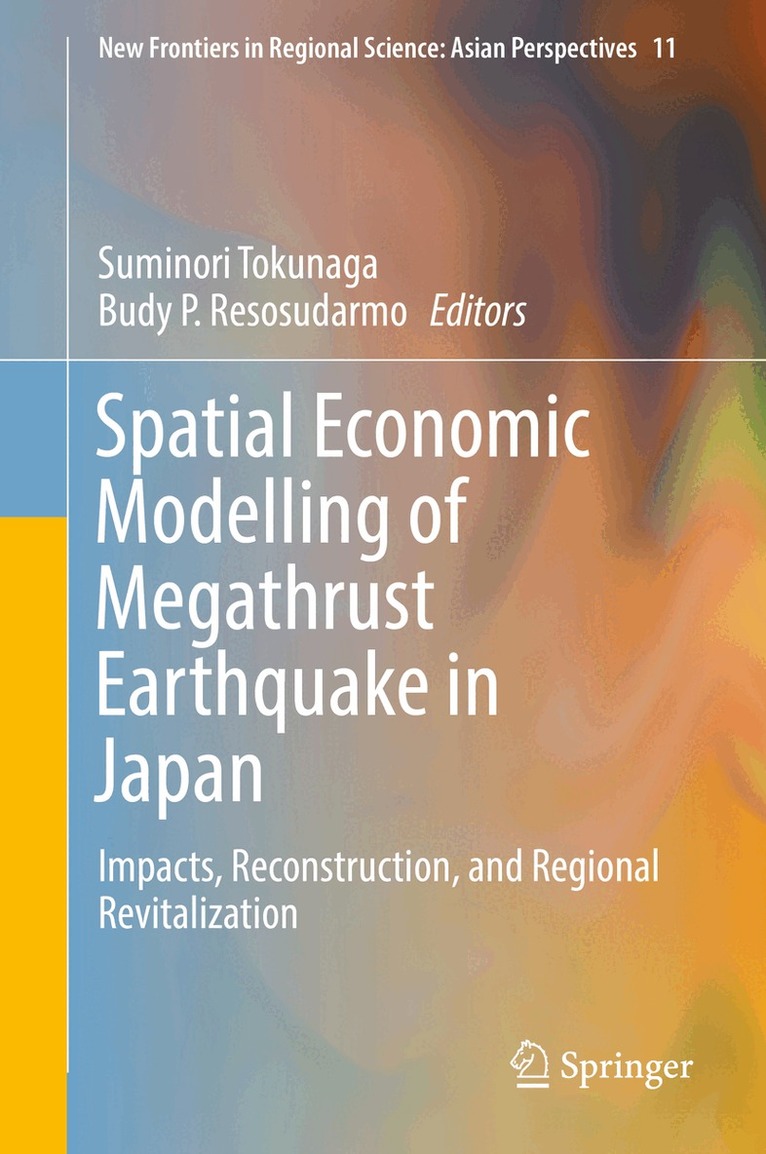
Spatial Economic Modelling of Megathrust Earthquake in Japan
Impacts, Reconstruction, and Regional Revitalization
Inbunden, Engelska, 2018
1 091 kr
Skickas inom 10-15 vardagar
This book presents an evaluation of the impacts of megathrust earthquakes and tsunamis on regional economies and subsequent reconstruction, as well as regional revitalization by the spatial economic model and dynamic macro and regional computable general equilibrium (CGE) models. The cases examined are the Great East Japan Earthquake and the Indian Ocean Tsunami. The study constructs three models of these megathrust earthquakes and the associated tsunami. In the first model, the regional CGE model is proposed with a database comprising the two-regional social accounting matrix for 2005 between the region comprising four disaster-affected prefectures of Japan and the non-disaster region. For the recursive dynamic regional CGE model, the model that expanded and improved the dynamic two-regional CGE model to reflect the incomplete employment conditions and the aging society is used to analyze the impacts of an earthquake and the construction of industrial clusters. In the second model, the interregional input–output model is proposed in order to analyze the impacts of the earthquake and rapid population decline and construction of a biogas electricity power plant. In the third model, a new economic geography (NEG) model is proposed, consisting of the 47 prefectures of Japan in order to investigate the impacts of the Great East Japan and Nankai megathrust earthquakes and the associated tsunami and to consider how they change the regional economies of Japan. Using these three models, the impacts of megathrust earthquakes and tsunamis on regional economies and reconstruction and on regional revitalization are evaluated.
E-bok
Engelska, 20171 387 kr
Läs direkt efter köp
This book presents an evaluation of the impacts of megathrust earthquakes and tsunamis on regional economies and subsequent reconstruction, as well as regional revitalization by the spatial economic model and dynamic macro and regional computable general equilibrium (CGE) models. The cases examined are the Great East Japan Earthquake and the Indian Ocean Tsunami. The study constructs three models of these megathrust earthquakes and the associated tsunami. In the first model, the regional CGE model is proposed with a database comprising the two-regional social accounting matrix for 2005 between the region comprising four disaster-affected prefectures of Japan and the non-disaster region. For the recursive dynamic regional CGE model, the model that expanded and improved the dynamic two-regional CGE model to reflect the incomplete employment conditions and the aging society is used to analyze the impacts of an earthquake and the construction of industrial clusters. In the second model, the interregional input–output model is proposed in order to analyze the impacts of the earthquake and rapid population decline and construction of a biogas electricity power plant. In the third model, a new economic geography (NEG) model is proposed, consisting of the 47 prefectures of Japan in order to investigate the impacts of the Great East Japan and Nankai megathrust earthquakes and the associated tsunami and to consider how they change the regional economies of Japan. Using these three models, the impacts of megathrust earthquakes and tsunamis on regional economies and reconstruction and on regional revitalization are evaluated.
Del 11 - New Frontiers in Regional Science: Asian Perspectives
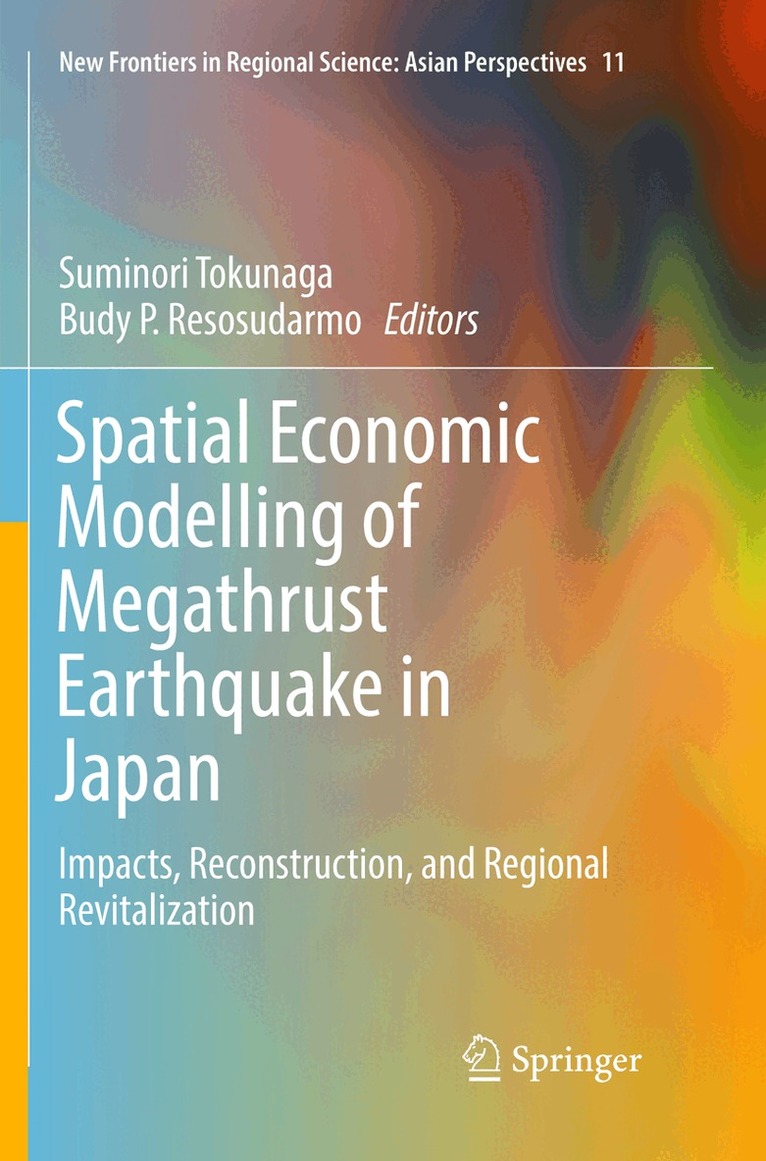
Spatial Economic Modelling of Megathrust Earthquake in Japan
Impacts, Reconstruction, and Regional Revitalization
Häftad, Engelska, 2018
1 091 kr
Skickas inom 10-15 vardagar
This book presents an evaluation of the impacts of megathrust earthquakes and tsunamis on regional economies and subsequent reconstruction, as well as regional revitalization by the spatial economic model and dynamic macro and regional computable general equilibrium (CGE) models. The cases examined are the Great East Japan Earthquake and the Indian Ocean Tsunami. The study constructs three models of these megathrust earthquakes and the associated tsunami. In the first model, the regional CGE model is proposed with a database comprising the two-regional social accounting matrix for 2005 between the region comprising four disaster-affected prefectures of Japan and the non-disaster region. For the recursive dynamic regional CGE model, the model that expanded and improved the dynamic two-regional CGE model to reflect the incomplete employment conditions and the aging society is used to analyze the impacts of an earthquake and the construction of industrial clusters. In the second model, the interregional input–output model is proposed in order to analyze the impacts of the earthquake and rapid population decline and construction of a biogas electricity power plant. In the third model, a new economic geography (NEG) model is proposed, consisting of the 47 prefectures of Japan in order to investigate the impacts of the Great East Japan and Nankai megathrust earthquakes and the associated tsunami and to consider how they change the regional economies of Japan. Using these three models, the impacts of megathrust earthquakes and tsunamis on regional economies and reconstruction and on regional revitalization are evaluated.
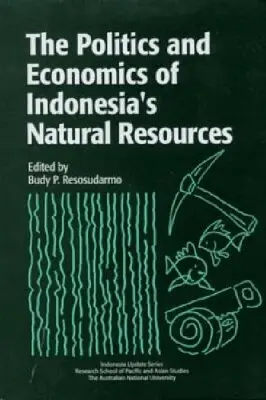
Inbunden, Engelska, 2005
490 kr
Skickas inom 10-15 vardagar
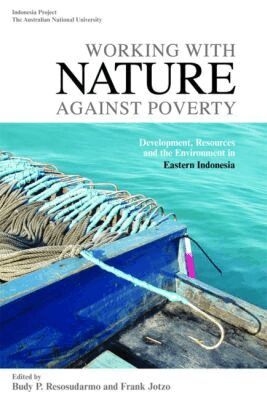
Häftad, Engelska, 2009
338 kr
Skickas inom 10-15 vardagar
With its low incomes, lagging social indicators and widespread poverty, eastern Indonesia epitomizes the problems of development in Indonesia. The challenge is to advance the economy. But this means more intensive use of natural resources, placing pressure on the region's unique ecosystems. This book explores the trade-offs and synergies between development, social concerns and the environment in Papua, Maluku and East Nusa Tenggara. It is written by leading scholars and experts on the region. They investigate the dilemmas of fishing in eastern Indonesia's seas, the strategies and challenges for mining and forestry, and the efforts to tackle biodiversity conservation and climate change. The book lays out the challenges for development, public administration and public health in Papua. It maps Maluku's road to recovery from conflict. And it examines ways to alleviate poverty in the desperately poor province of East Nusa Tenggara. The book provides an overview of the economy of each of these provinces, making it an essential resource for anyone interested in the challenges of development and environment in eastern Indonesia.
Inbunden, Engelska, 2014
420 kr
Skickas inom 10-15 vardagar
This volume is a tribute to Professor hal Hill, one of the most distinguished and internationally renowned Australian development economists and the single most important Australian figure in the networks that bind the Australian and Southeast Asian profe
E-bok
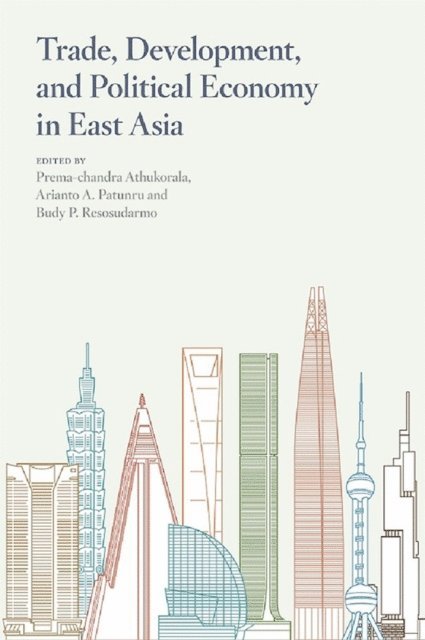
PDF, Engelska, 2018543 kr
Läs direkt efter köp
No detailed description available for "Trade, Development, and Political Economy in East Asia".
Inbunden, Engelska, 2026
1 842 kr
Skickas inom 5-8 vardagar
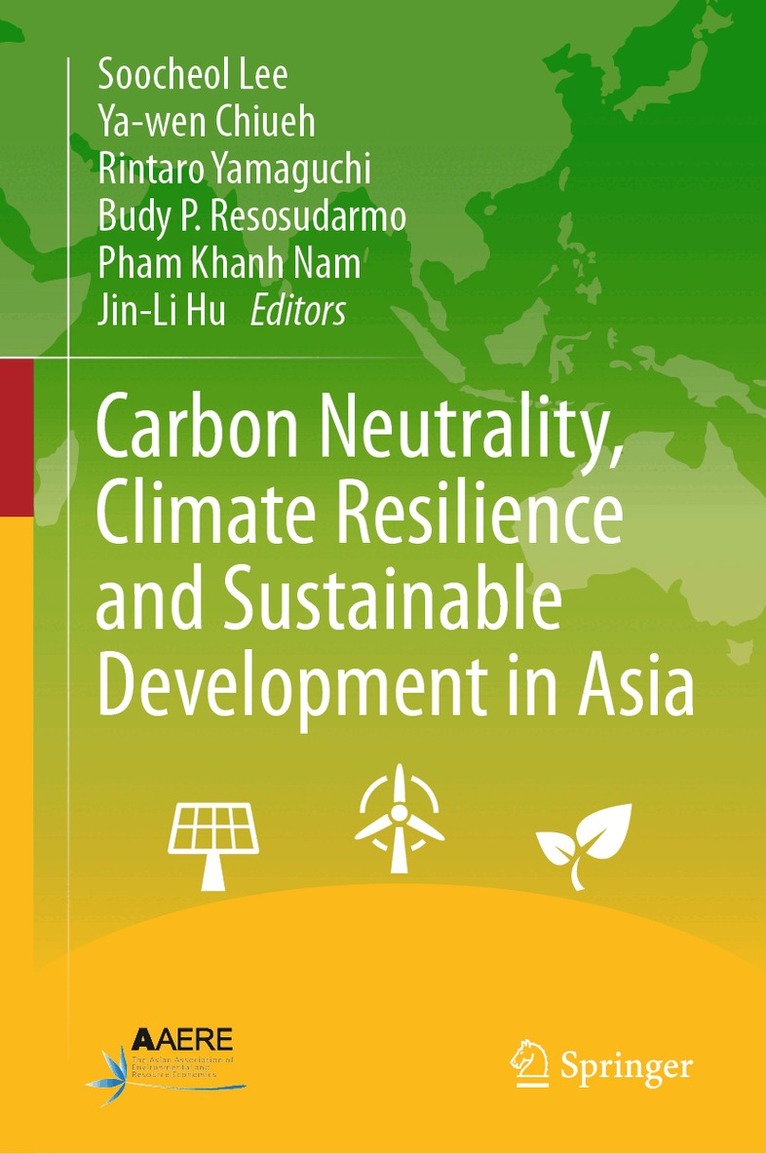
This book provides a comprehensive analysis of the interconnected challenges facing the Asian continent in the era of climate change. Structured in three parts, the book addresses the critical pathways toward a sustainable future.Part I delves into the core mitigation strategy of carbon pricing, examining the design and effects of carbon taxes in Taiwan, the impact of internal carbon pricing within Japanese corporations, and the potential for regional cooperation through joint carbon markets among ASEAN, Japan, China, and South Korea. Part II broadens the scope to energy policy and sustainable development, exploring diverse topics from the rise of climate litigation in China and the complexities of international environmental agreements, to new frameworks for energy security in Vietnam and the tensions between industrialization and renewable energy in ASEAN. Part III focuses on climate resilience and adaptation, presenting empirical case studies on the human and environmental impacts of natural disasters. It investigates the mental health consequences of volcanic eruptions, the gendered dimensions of flooding in Indonesia, the economic valuation of habitat conservation in Taiwan, and strategies for mitigating typhoon losses in Vietnam.Aimed at scholars, policymakers, and professionals in environmental economics and policy, this volume serves as a comprehensive guide to the evolving dynamics of Asia’s path toward a carbon-neutral and ecologically resilient future.
E-bok
Engelska, 20262 283 kr
Läs direkt efter köp
This book provides a comprehensive analysis of the interconnected challenges facing the Asian continent in the era of climate change. Structured in three parts, the book addresses the critical pathways toward a sustainable future. Part I delves into the core mitigation strategy of carbon pricing, examining the design and effects of carbon taxes in Taiwan, the impact of internal carbon pricing within Japanese corporations, and the potential for regional cooperation through joint carbon markets among ASEAN, Japan, China, and South Korea. Part II broadens the scope to energy policy and sustainable development, exploring diverse topics from the rise of climate litigation in China and the complexities of international environmental agreements, to new frameworks for energy security in Vietnam and the tensions between industrialization and renewable energy in ASEAN. Part III focuses on climate resilience and adaptation, presenting empirical case studies on the human and environmental impacts of natural disasters. It investigates the mental health consequences of volcanic eruptions, the gendered dimensions of flooding in Indonesia, the economic valuation of habitat conservation in Taiwan, and strategies for mitigating typhoon losses in Vietnam. Aimed at scholars, policymakers, and professionals in environmental economics and policy, this volume serves as a comprehensive guide to the evolving dynamics of Asia's path toward a carbon-neutral and ecologically resilient future.