C. Michele Thompson – författare
Visar alla böcker från författaren C. Michele Thompson. Handla med fri frakt och snabb leverans.
4 produkter
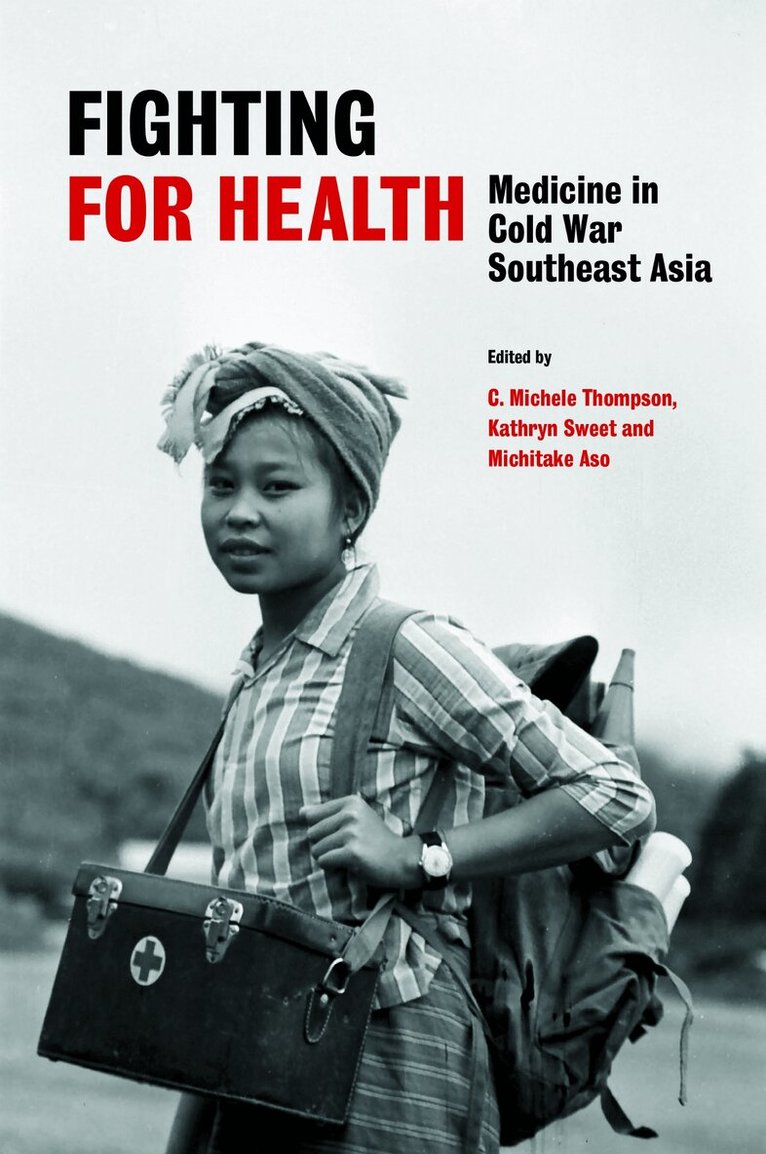
Fighting for Health
Medicine in Cold War Southeast Asia
Av C. Michele Thompson, Kathryn Sweet m. fl.
Häftad, 2024
396 kr
Lägg i varukorg
An overlooked history of Southeast Asia’s varied healthcare regimes during the Cold War.For far too long, Southeast Asia has been treated as a static backdrop for the exploits and discoveries of Western biomedical doctors. Yet, Southeast Asians have been vital to the significant developments in the …
Fighting for Health
Medicine in Cold War Southeast Asia
Av Michitake Aso, Kathryn Sweet m. fl.
E-bok, 2024
753 kr
Lägg i varukorg
An overlooked history of Southeast Asia’s varied healthcare regimes during the Cold War. For far too long, Southeast Asia has been treated as a static backdrop for the exploits and discoveries of Western biomedical doctors. Yet, Southeast Asians have been vital to the significant developments in …
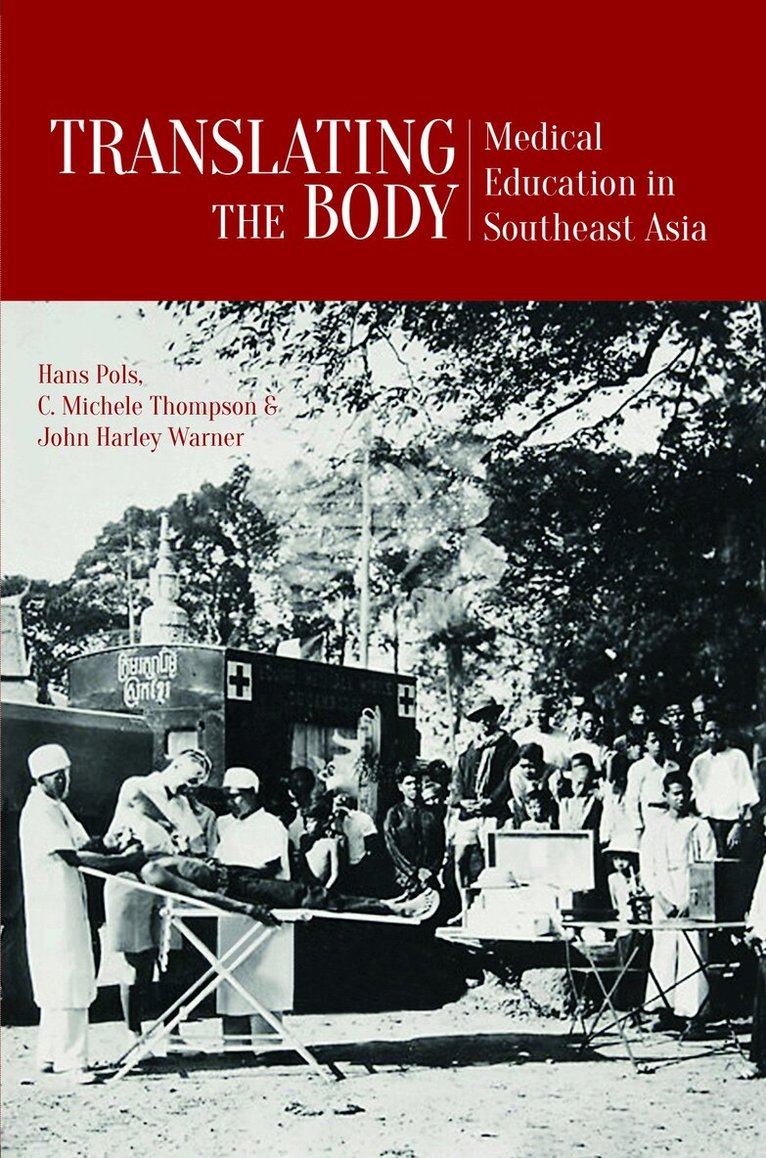
Translating the Body
Medical Education in Southeast Asia
Av Hans Pols, C. Michele Thompson m. fl.
Häftad, 2018
382 kr
Lägg i varukorg
Until recently, receiving a European or North American-style medical education in Southeast Asia was a profoundly transformative experience, as western conceptions of the body differed significantly from indigenous knowledge and explanatory frameworks. Further, European and North American …
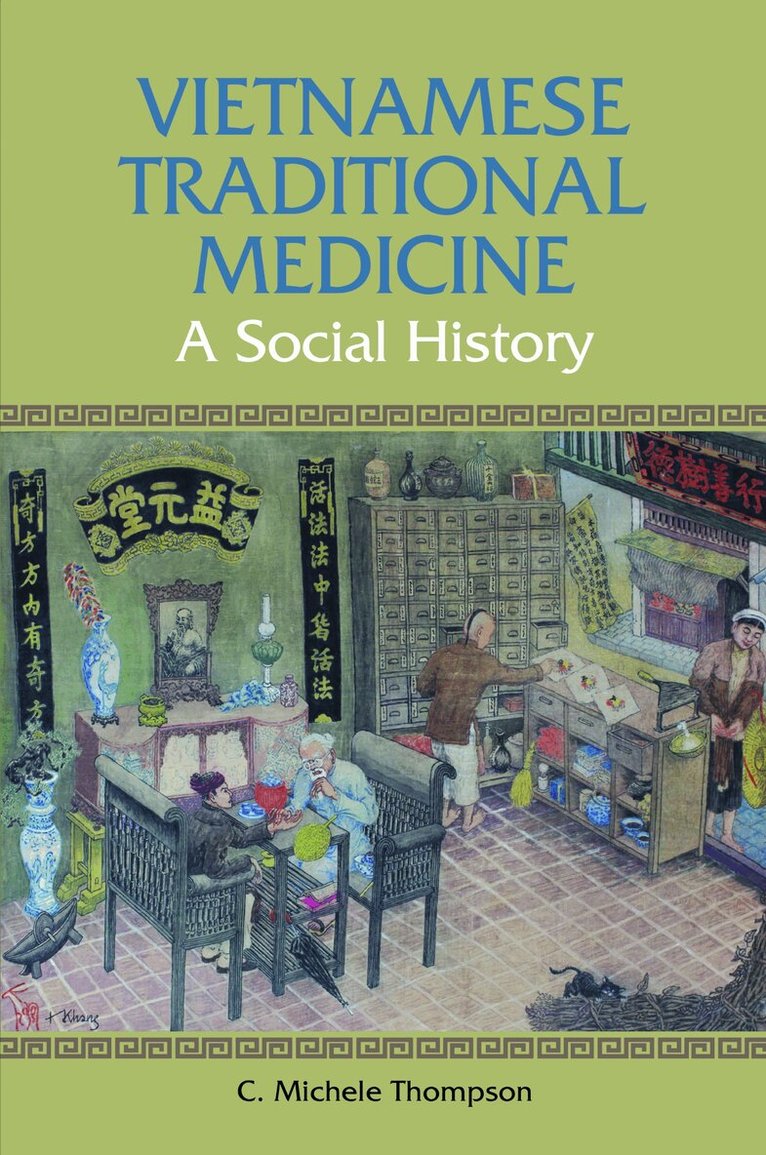
Vietnamese Traditional Medicine
A Social History
Häftad, 2015
362 kr
Lägg i varukorg
While reshaping our understanding of the history and development of traditional Vietnamese medicine in the 19th and 20th centuries, Michele Thompson’s new book reaches across disciplines to open important perspectives in Vietnamese colonial and social history as well as our understanding of the …