Carlo Falciani – Författare
Visar alla böcker från författaren Carlo Falciani. Handla med fri frakt och snabb leverans.
5 produkter
5 produkter
559 kr
Skickas inom 7-10 vardagar
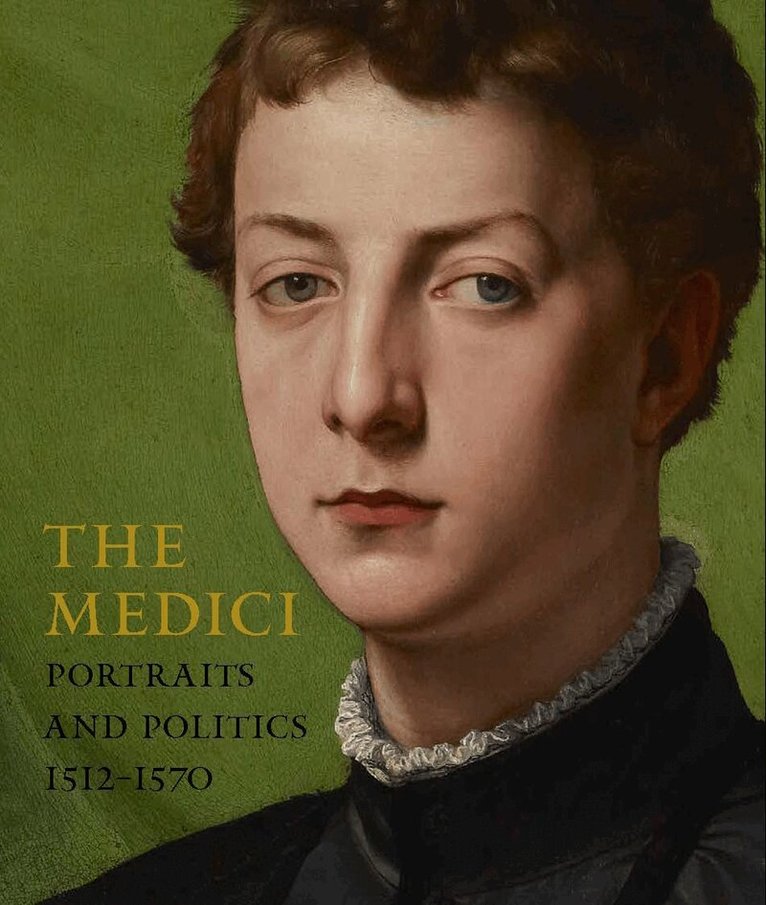
Portraits, an inherently personal subject, provide an engaging entry point to an exploration of the politics, patronage, and power in Renaissance Florence The Medici family ruled Florence without interruption between 1434 and 1494, but following their return to power in 1512, Cosimo I de’ Medici demonstrated an unprecedented ability to wield culture as a political tool. His rule transformed Florence into a dynastic duchy and give Florentine art the central position it has held ever since. As Florence underwent these dramatic political transformations in the sixteenth century, portraits became an essential means of recording a likeness and conveying a sitter’s character, social position, and cultural ambitions. This fascinating book explores the ways that painters (including Jacopo Pontormo, Agnolo Bronzino, and Francesco Salviati), sculptors (such as Benvenuto Cellini), and artists in other media endowed their works with an erudite and self-consciously stylish character that distinguished Florentine portraiture. Featuring more than ninety remarkable paintings, sculptures, works on paper, and medals, this volume is written by a team of leading international authors and presents a sweeping, penetrating exploration of a crucial and vibrant period in Italian art. Published by The Metropolitan Museum of Art/Distributed by Yale University Press Exhibition Schedule: The Metropolitan Museum of Art, New York(June 26–October 11, 2021)
224 kr
Skickas inom 7-10 vardagar
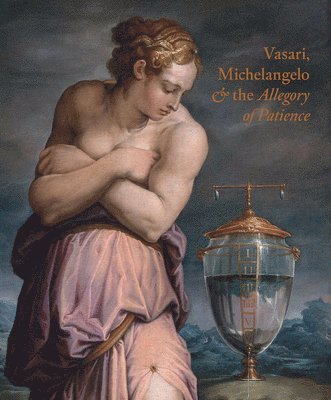
This book recounts the exciting rediscovery of Giorgio Vasari's painting Allegory of Patience, created in 1551–52 for the Bishop of Arezzo in Vasari's hometown. This book explores the history of the painting, from its commission to the display of the stunning final work. The Bishop of Arezzo regarded patience as the key to his career and achievements and wished it to be represented in a picture. Vasari, assigned the task, consulted his contemporaries and fellow humanists—as well as the great sculptor Michelangelo, as many surviving letters now reveal—when deciding what form the interpretation of such a virtue should take. The painting depicts the monumental figure of a woman, life-sized, with arms crossed, as she watches time run down. The passing of time is symbolized in the drops that fall from an antique water clock beside her, gradually wearing away the stone on which she rests her foot. The image represents more exactly the Latin tag diuturna tolerantia, or "daily tolerance." The painting quickly became famous in its time and was frequently copied—but not until now has the original emerged. Thanks to letters between those involved, the painting and the process of its creation are richly documented. Furthermore, the correspondence reveals new insights and quotations about picture-making from Michelangelo. The lavishly illustrated volume opens a new window onto the historical importance of Vasari's celebrated work, which is on temporary loan to the National Gallery in London until 2023.
224 kr
Skickas inom 7-10 vardagar
This book recounts the exciting rediscovery of Giorgio Vasari’s painting Allegory of Patience, painted in 1551–52 for the Bishop of Arezzo, Vasari’s hometown. The painting was conceived in Rome with the aid of Michelangelo, as many surviving letters reveal. The work will be on view to the public at the National Gallery, London, through 2023. The monumental figure of a woman, life-sized, with arms crossed, watches time run down. The passing of time is symbolized in the drops that fall from an antique water clock beside her, gradually wearing away the stone on which she rests her foot. The Bishop of Arezzo regarded patience as the key to his career and achievements, and wished it to be represented in a picture. Vasari consulted his contemporaries and fellow humanists as well as the great sculptor Michelangelo when deciding what form it should take. The image represents more exactly the Latin tag ‘diuturna tolerantia’ (daily tolerance). The painting quickly became famous in its time and numerous copies were made of it - but not until now has the original emerged. Thanks to letters between those involved, the painting and the process of its creation are richly documented, and in particular provide insights and quotations about picture-making from Michelangelo. The book carries full documentation of the work and its known copies, some of which can be traced to leading patrons in Renaissance Italy. It also examines Vasari’s own autograph technique and artistic aims.
223 kr
Skickas inom 7-10 vardagar
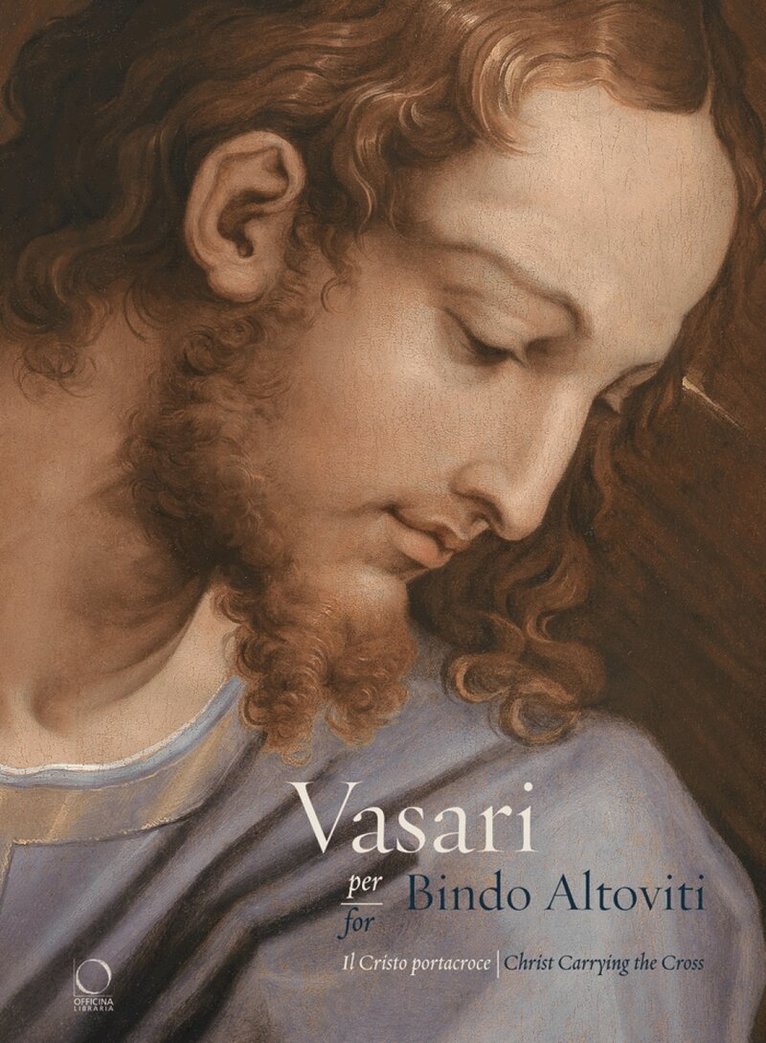
The catalogue presents Christ Carrying the Cross, recently rediscovered by Carlo Falciani in a private collection, which was born out of the intense friendship between the painter and art historian Giorgio Vasari (1511-1574) with Bindo Altoviti (1491-1557), important banker and refined art collector and patron. The artwork was painted in 1553, just before Vasari's return to Florence to take service as court painter of the Duke Cosimo I de' Medici. The painting shows the extremely high quality reached by Vasari's production in Rome - where he was working for Pope Julius III and where the Florentine banker Bindo Altoviti had a palace and conducted business - and, at the same time, it shows the experimentations of his manner, characterised by the re-elaboration of modern and contemporary models, in this case works of Michelangelo, Francesco Salviati and Sebastiano del Piombo. Published to accompany an exhibition at the Gallerie Nazionali Barberini Corsini, Palazzo Corsini, Rome from 24 January-30 June 2019.Text in English and Italian.
426 kr
Tillfälligt slut
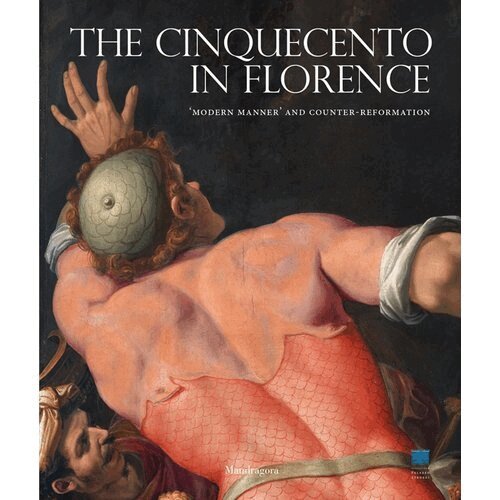
From 22 September 2017 to 21 January 2018 Palazzo Strozzi will be hosting a splendid exhibition devoted to the art of the second half of the 16th century in Florence, the third and final act in a trilogy which began with Bronzino ISBN 9788874611546, in 2010 and was followed by Pontormo and Rosso Fiorentino ISBN 9788874612161, in 2014. Curated by Carlo Falciani and Antonio Natali, the show, and this accompanying book, explores the development of Florentine art in the second half of the century through the painting, sculpture, and draughtsmanship of such artists as Andrea del Sarto, Bronzino, Pontormo, Giorgio Vasari, Giambologna and Bartolomeo Ammannati. The exhibition will also provide a unique opportunity to celebrate the outstanding cultural and intellectual era that was marked by the Council of Trent and its Counter-Reformation, and by the figure of Francesco I de Medici, one of the most outstanding figures in the history of court patronage of the arts in Europe.