Carmen Soliz - Böcker
Visar alla böcker från författaren Carmen Soliz. Handla med fri frakt och snabb leverans.
3 produkter
3 produkter
Fields of Revolution
Agrarian Reform and Rural State Formation in Bolivia, 1935-1964
Inbunden, Engelska, 2021
760 kr
Skickas inom 7-10 vardagar
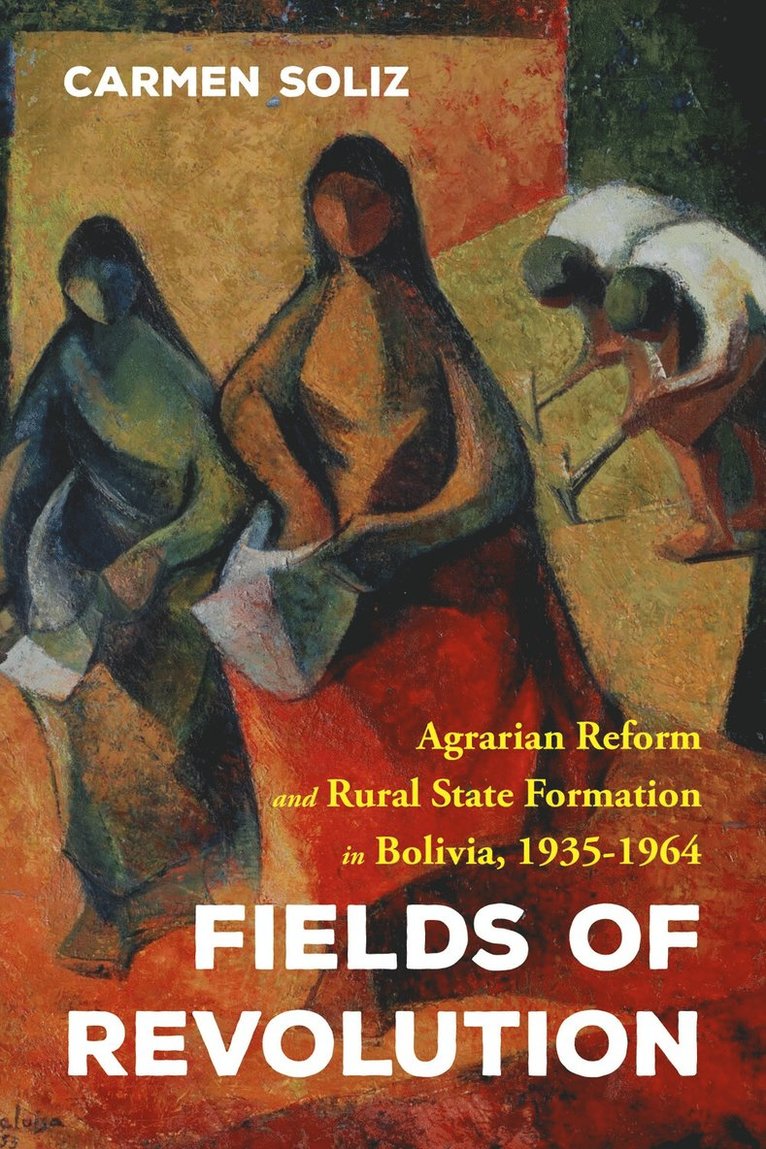
Winner, 2023 CLAH Susan Socolow-Lyman Johnson Book PrizeFields of Revolution examines the second largest case of peasant land redistribution in Latin America and agrarian reform—arguably the most important policy to arise out of Bolivia’s 1952 revolution. Competing understandings of agrarian reform shaped ideas of property, productivity, welfare, and justice. Peasants embraced the nationalist slogan of “land for those who work it” and rehabilitated national union structures. Indigenous communities proclaimed instead “land to its original owners” and sought to link the ruling party discourse on nationalism with their own long-standing demands for restitution. Landowners, for their part, embraced the principle of “land for those who improve it” to protect at least portions of their former properties from expropriation. Carmen Soliz combines analysis of governmental policies and national discourse with everyday local actors’ struggles and interactions with the state to draw out the deep connections between land and people as a material reality and as the object of political contention in the period surrounding the revolution.
1 036 kr
Skickas inom 7-10 vardagar
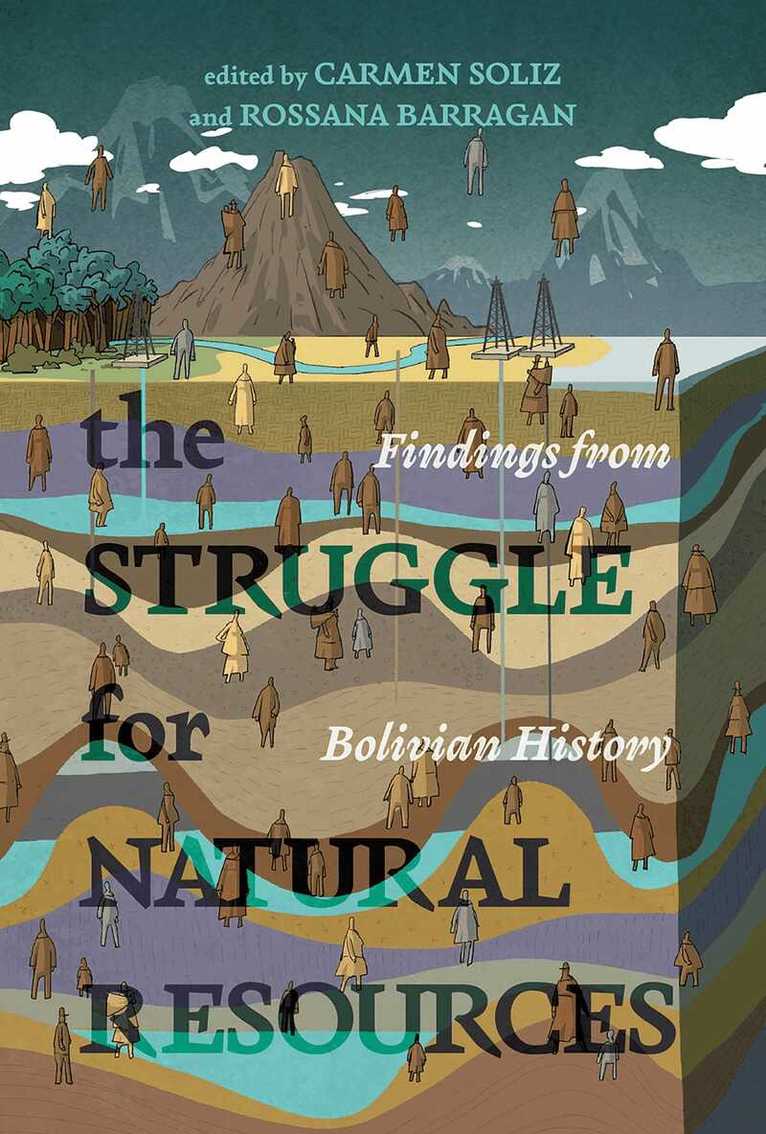
The Struggle for Natural Resources traces the troubled history of Bolivia's land and commodity disputes across five centuries, combining local, regional, national, and transnational scales. Enriched by the extractivism and commodity frontiers approaches to world history, the book treats Bolivia's political struggles over natural resources as long-term processes that outlast immediate political events. Exploration of the Bolivian case invites dialogue and comparison with other parts of the world, particularly regions and countries of the so-called Global South.The book begins by examining three Bolivian resources at the center of political dispute since the early colonial period, namely land, water, and minerals. Carmen Soliz, Rossana Barragán, and Sarah Hines show that, as in the colonial and early republican past, these resources have remained the focus of political contention to the present day. Until the end of the nineteenth century, Bolivia's battle over natural resources was primarily concentrated in the highlands and inter-Andean valleys. Beginning in the 1860s, the bicycle and soon the automobile industries triggered demand for natural rubber found in the heart of the Amazon. José Orsag analyzes the impact of this extractive economy at the turn of the twentieth century. The book concludes by examining two resources that are central to understanding the last century of Bolivia's history. Kevin Young examines the fraught business of hydrocarbons, and Thomas Grisaffi analyzes the coca/cocaine circuit. Each chapter studies the social dynamics and political conflicts that shaped the processes of extraction, exchange, and ownership of each of these resources.
624 kr
Skickas inom 3-6 vardagar
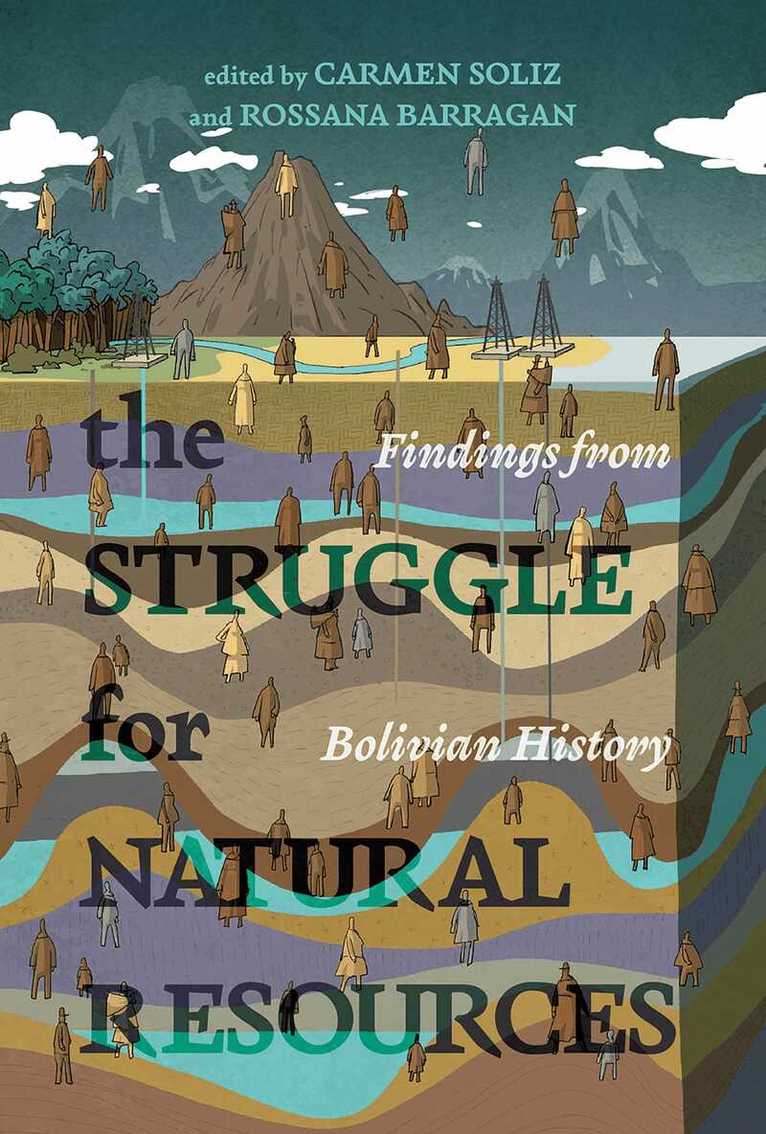
The Struggle for Natural Resources traces the troubled history of Bolivia's land and commodity disputes across five centuries, combining local, regional, national, and transnational scales. Enriched by the extractivism and commodity frontiers approaches to world history, the book treats Bolivia's political struggles over natural resources as long-term processes that outlast immediate political events. Exploration of the Bolivian case invites dialogue and comparison with other parts of the world, particularly regions and countries of the so-called Global South.The book begins by examining three Bolivian resources at the center of political dispute since the early colonial period, namely land, water, and minerals. Carmen Soliz, Rossana Barragán, and Sarah Hines show that, as in the colonial and early republican past, these resources have remained the focus of political contention to the present day. Until the end of the nineteenth century, Bolivia's battle over natural resources was primarily concentrated in the highlands and inter-Andean valleys. Beginning in the 1860s, the bicycle and soon the automobile industries triggered demand for natural rubber found in the heart of the Amazon. José Orsag analyzes the impact of this extractive economy at the turn of the twentieth century. The book concludes by examining two resources that are central to understanding the last century of Bolivia's history. Kevin Young examines the fraught business of hydrocarbons, and Thomas Grisaffi analyzes the coca/cocaine circuit. Each chapter studies the social dynamics and political conflicts that shaped the processes of extraction, exchange, and ownership of each of these resources.