Carol A. Breckenridge – författare
Visar alla böcker från författaren Carol A. Breckenridge. Handla med fri frakt och snabb leverans.
6 produkter
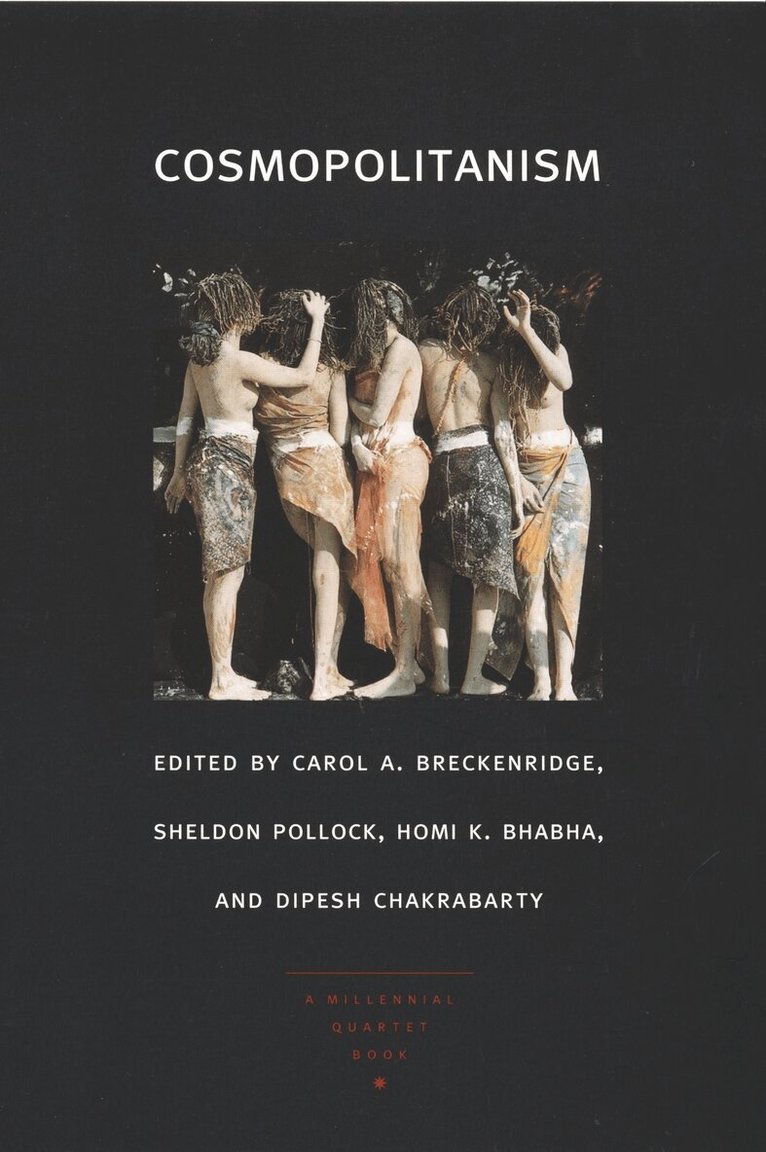
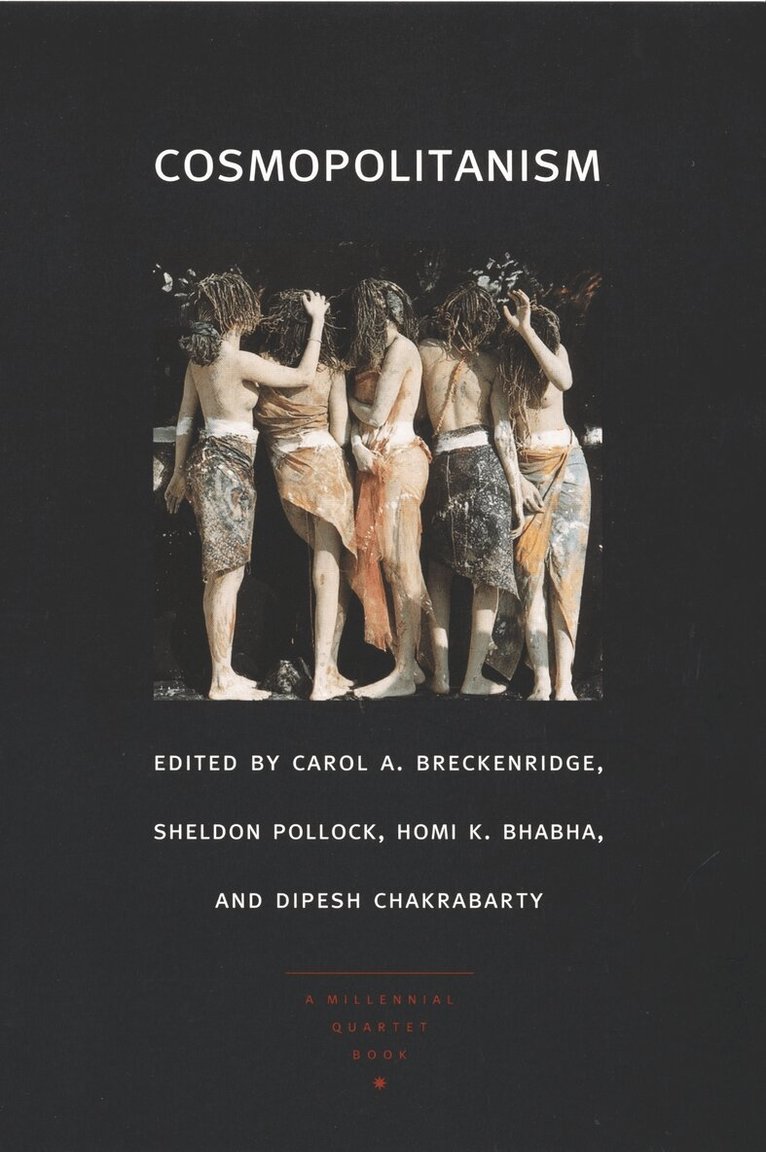
Cosmopolitanism
Av Dipesh Chakrabarty, Homi K. Bhabha m. fl.
Häftad, 2002
365 kr
Lägg i varukorg
As the final installment of Public Culture’s Millennial Quartet, Cosmopolitanism assesses the pasts and possible futures of cosmopolitanism-or ways of thinking, feeling, and acting beyond one’s particular society. With contributions from distinguished scholars in disciplines such as literary …
Orientalism and the Postcolonial Predicament
Perspectives on South Asia
Av Carol A. Breckenridge, Peter van der Veer
Häftad, 1993
399 kr
Lägg i varukorg
In his extraordinarily influential book Orientalism, Edward Said argued that Western knowledge about the Orient in the Post-Enlightenment period has been "a systematic discourse by which Europe was able to manage-even produce-the Orient politically, sociologically, militarily, ideologically, …
Consuming Modernity
Public Culture in a South Asian World
Häftad, 1995
300 kr
Lägg i varukorg
Consuming Modernity illustrates that what is distinctive of any particular society is not the fact of its modernity, but rather its own unique debates about modernity. Behind the embattled arena of culture in India, for example, lie particular social and political interests such as the growing …
Cosmopolitanism
Av Dipesh Chakrabarty, Homi K. Bhabha m. fl.
E-bok, 2002
570 kr
Lägg i varukorg
As the final installment of Public Culture’ s Millennial Quartet, Cosmopolitanism assesses the pasts and possible futures of cosmopolitanism—or ways of thinking, feeling, and acting beyond one’s particular society. With contributions from distinguished scholars in disciplines such as literary …
Cosmopolitanism
Av Dipesh Chakrabarty, Homi K. Bhabha m. fl.
Inbunden, 2002
1569 kr
Tillfälligt slut
As the final installment of Public Culture’s Millennial Quartet, Cosmopolitanism assesses the pasts and possible futures of cosmopolitanism-or ways of thinking, feeling, and acting beyond one’s particular society. With contributions from distinguished scholars in disciplines such as literary …
Cosmopolitanism
Millennial Quartet IV
Av Dipesh Chakrabarty, Homi K. Bhabha m. fl.
Häftad, 2000
160 kr
Tillfälligt slut
This final installment of the Millennial Quartet addresses the question of whether cosmopolitanism-ways of thinking, feeling, and acting beyond one’s particular society-is simply the universalism of a Western particular. Assembling scholars from an array of disciplines including English literature …