Carole Haber - Böcker
Visar alla böcker från författaren Carole Haber. Handla med fri frakt och snabb leverans.
2 produkter
2 produkter
323 kr
Skickas inom 7-10 vardagar
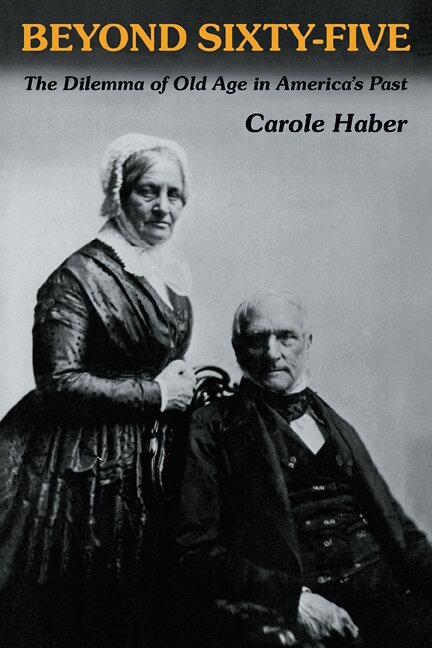
This book investigates the changing roles and perceptions of old age in nineteenth-century America. It shows how the economic and social transformation of the nation affected the condition of the aged, as it altered beliefs about their abilities and needs. Focusing on the ideas of doctors, charity workers, and social planners, it traces the process by which their view of senescence was incorporated into geriatric medicine, the development of the nation's first old-age homes and mandatory retirement plans. With the adoption of these programmes, old age came to be seen as a widespread social problem. By the early twentieth century, it had become characterized as a time of dependence and disease - an attitude which continues to influence the way that modern Americans perceive and treat the elderly.
421 kr
Skickas inom 10-15 vardagar
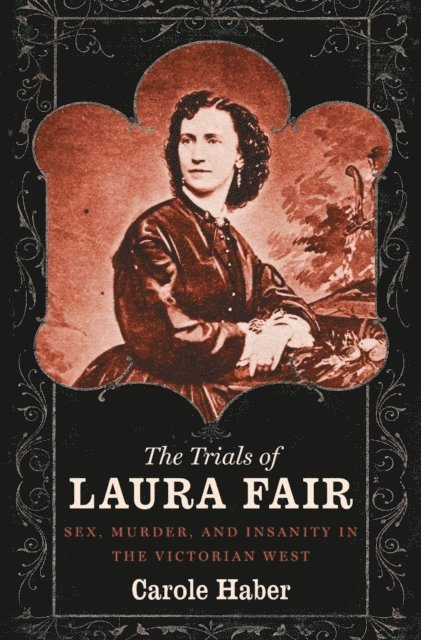
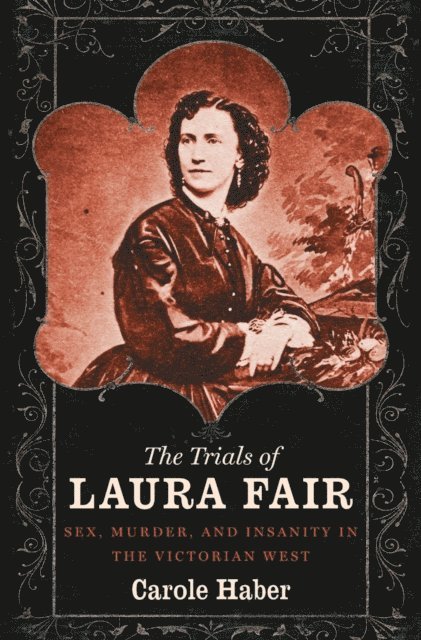
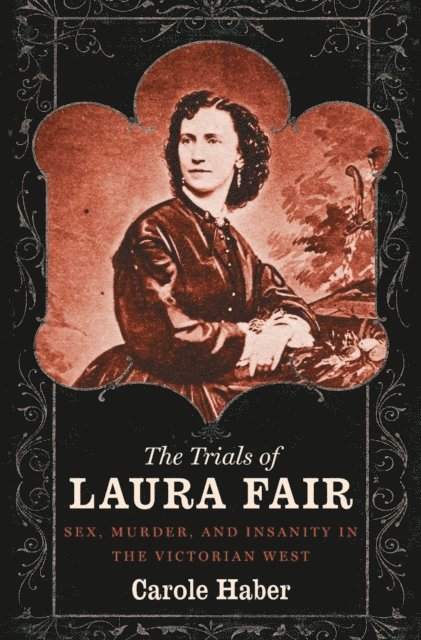
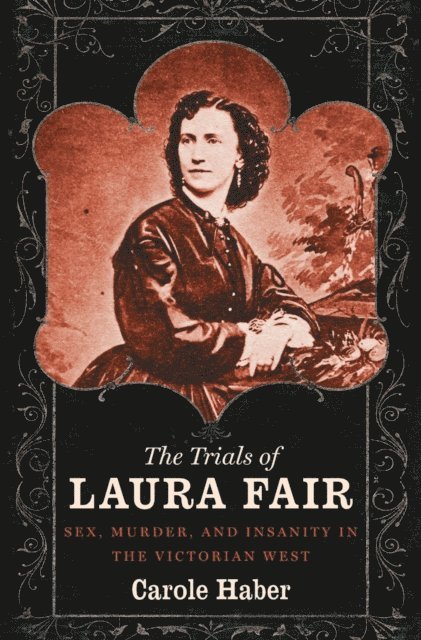
On November 3, 1870, on a San Francisco ferry, Laura Fair shot a bullet into the heart of her married lover, A. P. Crittenden. Throughout her two murder trials, Fair's lawyers, supported by expert testimony from physicians, claimed that the shooting was the result of temporary insanity caused by a severely painful menstrual cycle. The first jury disregarded such testimony, choosing instead to focus on Fair's disreputable character. In the second trial, however, an effective defense built on contemporary medical beliefs and gendered stereotypes led to a verdict that shocked Americans across the country. In this rousing history, Carole Haber probes changing ideas about morality and immorality, masculinity and femininity, love and marriage, health and disease, and mental illness to show that all these concepts were reinvented in the Victorian West.Haber's book examines the era's most controversial issues, including suffrage, the gendered courts, women's physiology, and free love. This notorious story enriches our understanding of Victorian society, opening the door to a discussion about the ways in which reputation, especially female reputation, is shaped.