Carole Naggar – författare
575 kr
Skickas inom 5-8 vardagar
415 kr
Skickas inom 5-8 vardagar
482 kr
Läs direkt efter köp
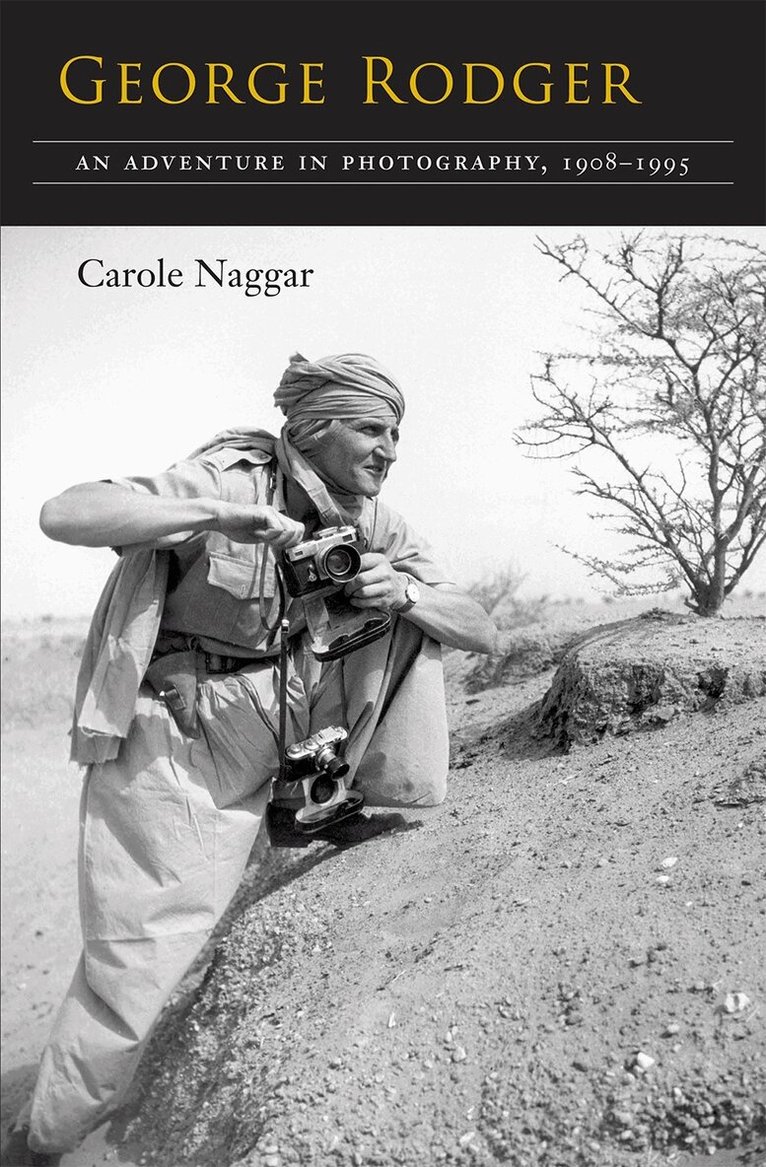
He was a trailblazing twentieth-century British photojournalist but George Rodger lived in the adventurous tradition of nineteenth-century explorers. Cofounding Magnum Photos in 1947 with Henri Cartier-Bresson and Robert Capa, the modest Rodger was eclipsed by his partnersuntil now. Rodger''s Indiana Jones-style escapades are legendary and worth the telling. He once covered over 75,000 miles of "old Africa" in a Land Rover. He even survived a white rhino charge. He went on to become a key photographer of African tribal life. During World War II he covered sixty-one countries for Life magazine. He was chased through three hundred miles of Burmese jungles by both the Japanese army and a tribe of headhunters. And he was the first to record the liberation of the Bergen-Belsen concentration camp. He quit photography when he realized he was arranging "thousands of Jewish corpses in nice photographic compositions." In fascinating detail Carol Naggar not only recalls Roger''s singular life and artistic contribution, but she also provides an in-depth look at the complex dynamics of ethics, violence, and photojournalism. As such, it places the legacy of George Rodger within a broader sociohistorical context.
1 506 kr
Skickas inom 5-8 vardagar
1 571 kr
Skickas inom 5-8 vardagar
1 512 kr
Läs direkt efter köp
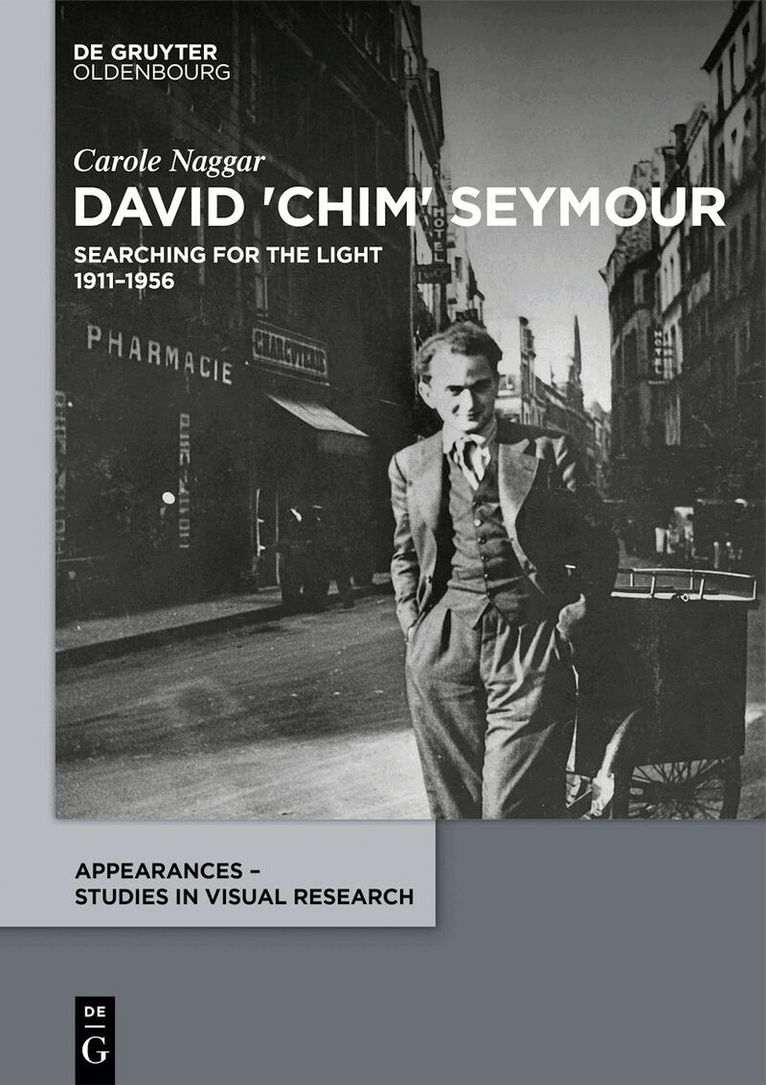
"He used his camera like a doctor would use a stethoscope in order to diagnose the state of the heart. His own was vulnerable.", Cartier-Bresson wrote about David Seymour, who liked to be called Chim.
Chim is best known as one of the cofounders of photojournalism’s famous cooperative Magnum Photos. Weaving Chim’s life and work, this book discovers this empathetic photographer who has been called "The First Human Rights Photographer".
In 1947, Chim was one of the four cofounders of the Magnum Photos cooperative with Robert Capa, Henri Cartier-Bresson and George Rodger. He also wrote Magnum’s 1955 bylaws, which are still in effect today. But he is the only one of those famous photographers who does not have a full biography to his name. This book examines his life and work from Poland to France to the Spanish Civil War, his work for British intelligence during World War II, his reportage on Europe’s children after the war, his reportages on Italian actors, illiteracy and religious festivals in Southern Italy, his coverage of Israel’s beginnings before his 1956 death during the Suez war. His complex itinerary is emblematic of the displacements and passages of the XXth century.
1 512 kr
Läs direkt efter köp
"He used his camera like a doctor would use a stethoscope in order to diagnose the state of the heart. His own was vulnerable.", Cartier-Bresson wrote about David Seymour, who liked to be called Chim.
Chim is best known as one of the cofounders of photojournalism’s famous cooperative Magnum Photos. Weaving Chim’s life and work, this book discovers this empathetic photographer who has been called "The First Human Rights Photographer".
In 1947, Chim was one of the four cofounders of the Magnum Photos cooperative with Robert Capa, Henri Cartier-Bresson and George Rodger. He also wrote Magnum’s 1955 bylaws, which are still in effect today. But he is the only one of those famous photographers who does not have a full biography to his name. This book examines his life and work from Poland to France to the Spanish Civil War, his work for British intelligence during World War II, his reportage on Europe’s children after the war, his reportages on Italian actors, illiteracy and religious festivals in Southern Italy, his coverage of Israel’s beginnings before his 1956 death during the Suez war. His complex itinerary is emblematic of the displacements and passages of the XXth century.
546 kr
Tillfälligt slut