Caroline Batten - Böcker
Visar alla böcker från författaren Caroline Batten. Handla med fri frakt och snabb leverans.
6 produkter
6 produkter
213 kr
Skickas inom 5-8 vardagar
213 kr
Skickas inom 5-8 vardagar
241 kr
Skickas inom 7-10 vardagar
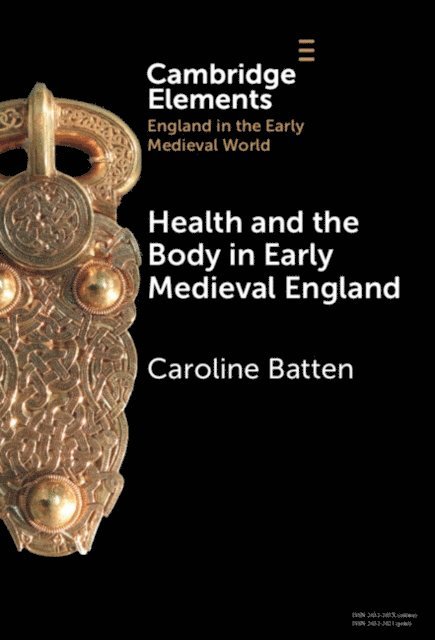
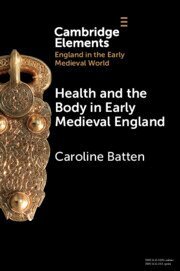
This Element explores ideas about the sick and healthy body in early medieval England from the seventh to the eleventh centuries, proposing that surviving Old English texts offer consistent and coherent ideas about how human bodies work and how disease operates. A close examination of these texts illuminates the ways early medieval people thought about their embodied selves and the place of humanity in a fallen world populated by hostile supernatural forces. This Element offers a comprehensive and accessible introduction to medical practice and writing in England before the Norman Conquest, draws on dozens of remedies, charms, and prayers to illustrate cultural concepts of sickness and health, provides a detailed discussion of the way impairment and disability were treated in literature and experienced by individuals, and concludes with a case study of a saint who died of a devastating illness while fighting demons in the fens of East Anglia.
775 kr
Skickas inom 7-10 vardagar
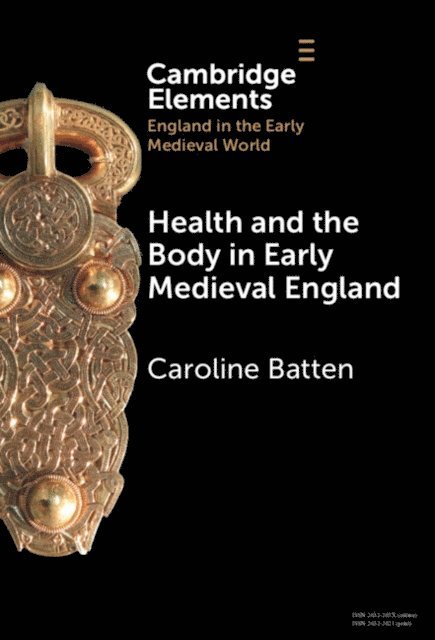
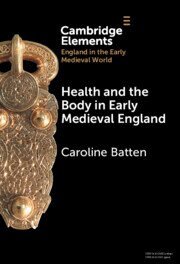
This Element explores ideas about the sick and healthy body in early medieval England from the seventh to the eleventh centuries, proposing that surviving Old English texts offer consistent and coherent ideas about how human bodies work and how disease operates. A close examination of these texts illuminates the ways early medieval people thought about their embodied selves and the place of humanity in a fallen world populated by hostile supernatural forces. This Element offers a comprehensive and accessible introduction to medical practice and writing in England before the Norman Conquest, draws on dozens of remedies, charms, and prayers to illustrate cultural concepts of sickness and health, provides a detailed discussion of the way impairment and disability were treated in literature and experienced by individuals, and concludes with a case study of a saint who died of a devastating illness while fighting demons in the fens of East Anglia.
1 195 kr
Skickas inom 7-10 vardagar
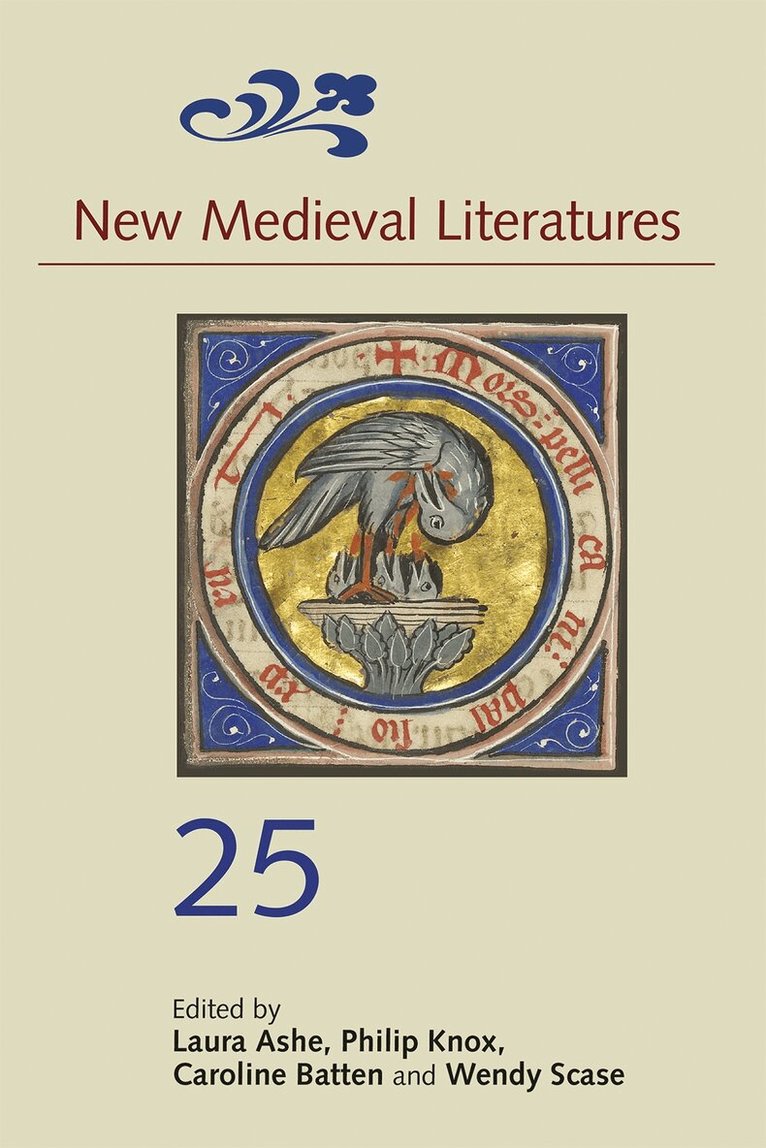
This volume continues the series' engagement with intellectual and cultural pluralism in the Middle Ages, showing the best new work in the field.Essays in this volume deal with texts from the ninth to the fifteenth century and include some unexpected comparisons with British Romanticism. Great attention is paid to manuscripts in their contexts and situations of production: thirteenth-century mortuary rolls are examined as sites of fluidly variegated scribal training and practice, revealing a "scriptscape" of social networks spread across the country. Elsewhere, close analysis of manuscripts known to have belonged to Henry Despenser, bishop of Norwich (1370-1406) makes the case for an effective scribal atelier in the city, presided over by the "Despenser Master". Three essays are linked by a consideration of didactic writing: the Old English translation of Gregory the Great's Pastoral Care is analysed both textually and paleographically for what it reveals about grammatical study in England's early Middle Ages, and the moral freighting of that learning; a comparative analysis of multilingual retellings of sheep fables making an important contribution to animal studies; and recent, violent historical events are shown to have been reshaped into a parable for the instruction of wives in the Mesnagier de Paris. Finally, Gower's expansive geographical and genealogical imaginary in the Confessio Amantis reveals the impossibility of controlling the affordances of his multivalent "East"; while the Alliterative Morte Arthur is newly examined for its representation of mountains and mountaineering as sites of active moral allegory and spiritual importance, as well as real-world experiences of beauty and danger.
2 009 kr
Skickas inom 3-6 vardagar
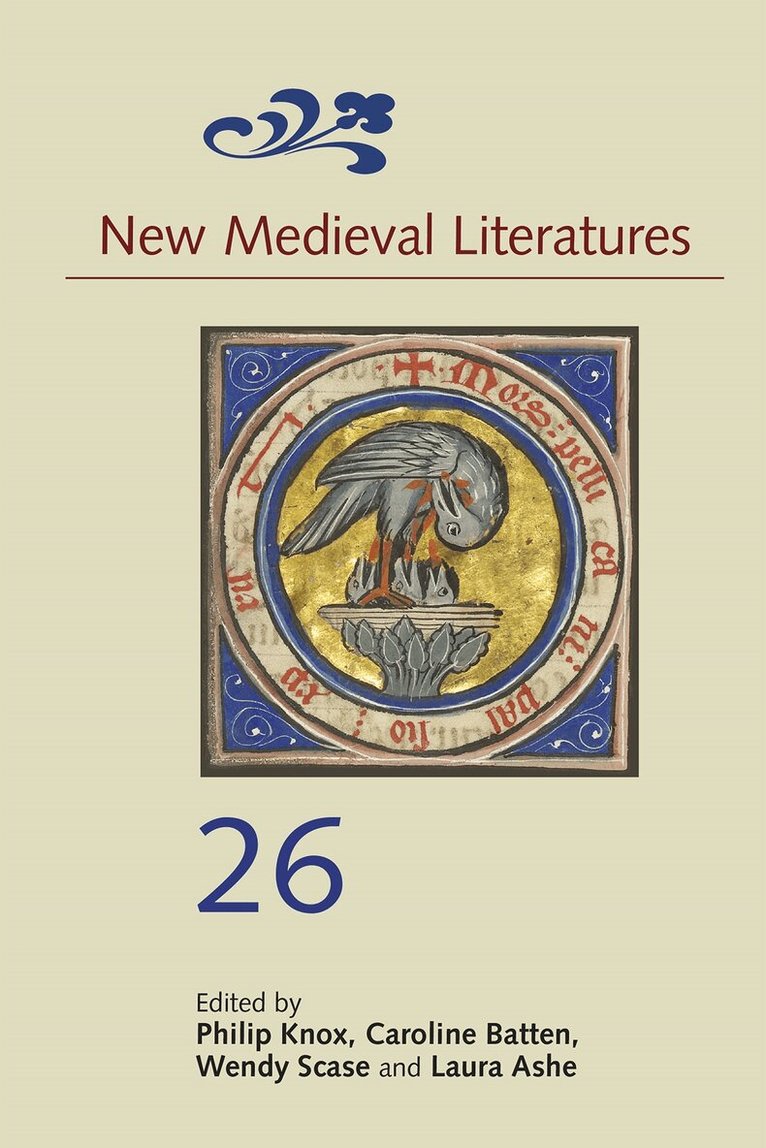
This volume continues the series' engagement with intellectual and cultural pluralism in the Middle Ages, showing the best new work in the field.Essays in this volume cover a rich and diverse range - in chronological terms, from the ninth to the fifteenth century, and across linguistic traditions from Old and Middle English to medieval Latin and Middle French. Using varied conceptual tools and detailed explorations of social, cultural, and intellectual contexts, they offer new interpretations of key works from the central and late Middle Ages. Contributors explore the educational background of the Middle English "Ricardians" - Geoffrey Chaucer, William Langland, John Gower, and the Gawain-poet - through the novel perspective of versification; the intellectual context for the poem St Erkenwald, where a poem about the miraculous salvation of a pagan reflects a detailed engagement with contemporary theology that tests the limits of theological orthodoxy; and the social background of the Gawain-poet, via examples of household hierarchy. A form of textual analysis known as "ergodics" is deployed to offer a way of making sense of the unique challenge of the Old English Maxims, and their position in monastic reading cultures. The Middle English Titus and Vespasian, which tells the story of the siege of Jerusalem, is shown to contain a complex and conflicted form of anti-Judaism, traversed in complex ways by anxieties about gender as well religion and race. Finally, in a linked suite of essays, late medieval heraldry is illuminated from a range of unexpected perspectives drawn from the study of literary form, examining heraldic miscellanies, the creativity of the heraldic imaginary, and the community-building work of the late medieval poetic society known as the Cour Amoureuse.