Caroline Joan "Kay" S. Picart - Böcker
Visar alla böcker från författaren Caroline Joan "Kay" S. Picart. Handla med fri frakt och snabb leverans.
8 produkter
8 produkter
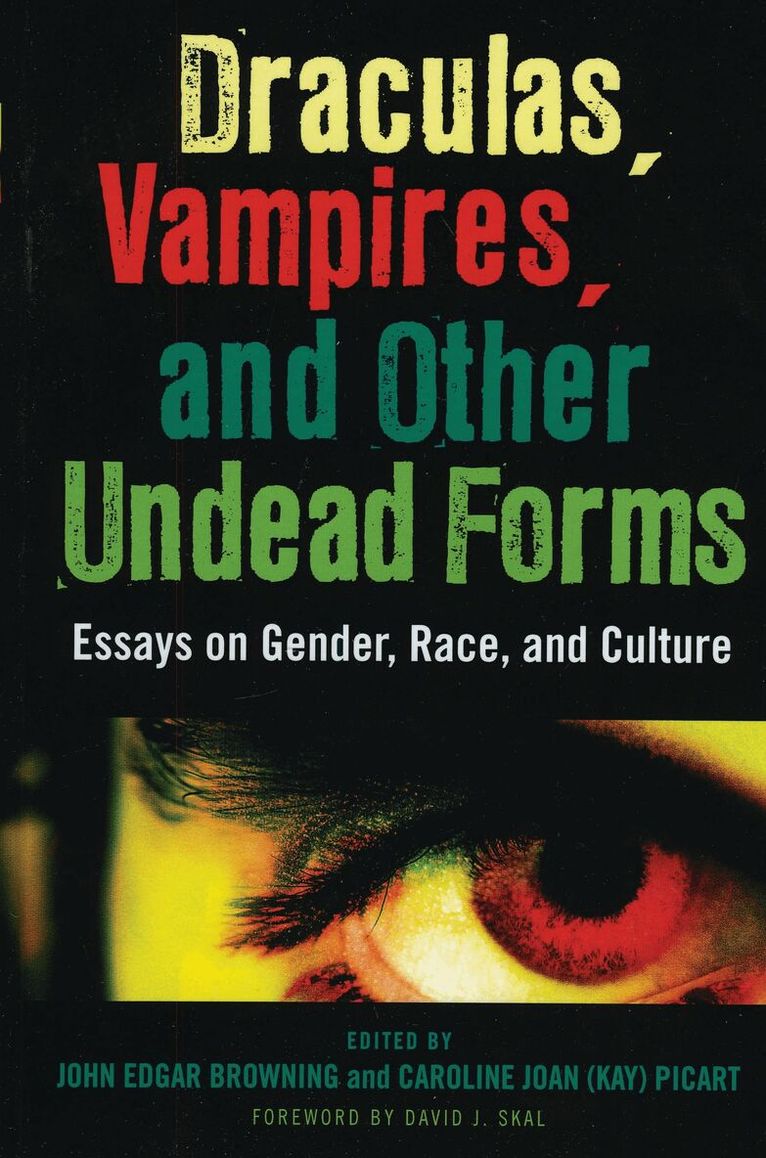
Draculas, Vampires, and Other Undead Forms
Essays on Gender, Race and Culture
Inbunden, Engelska, 2009
1 071 kr
Skickas inom 10-15 vardagar
Since the publication of Dracula in 1897, Bram Stoker's original creation has been a source of inspiration for artists, writers, and filmmakers. From Universal's early black-and-white films and Hammer's Technicolor representations that followed, iterations of Dracula have been cemented in mainstream cinema. This anthology investigates and explores the far larger body of work coming from sources beyond mainstream cinema reinventing Dracula.Draculas, Vampires and Other Undead Forms assembles provocative essays that examine Dracula films and their movement across borders of nationality, sexuality, ethnicity, gender, and genre since the 1920s. The essays analyze the complexity Dracula embodies outside the conventional landscape of films with which the vampire is typically associated. Focusing on Dracula and Dracula-type characters in film, anime, and literature from predominantly non-Anglo markets, this anthology offers unique perspectives that seek to ground depictions and experiences of Dracula within a larger political, historical, and cultural framework.
1 698 kr
Skickas inom 10-15 vardagar
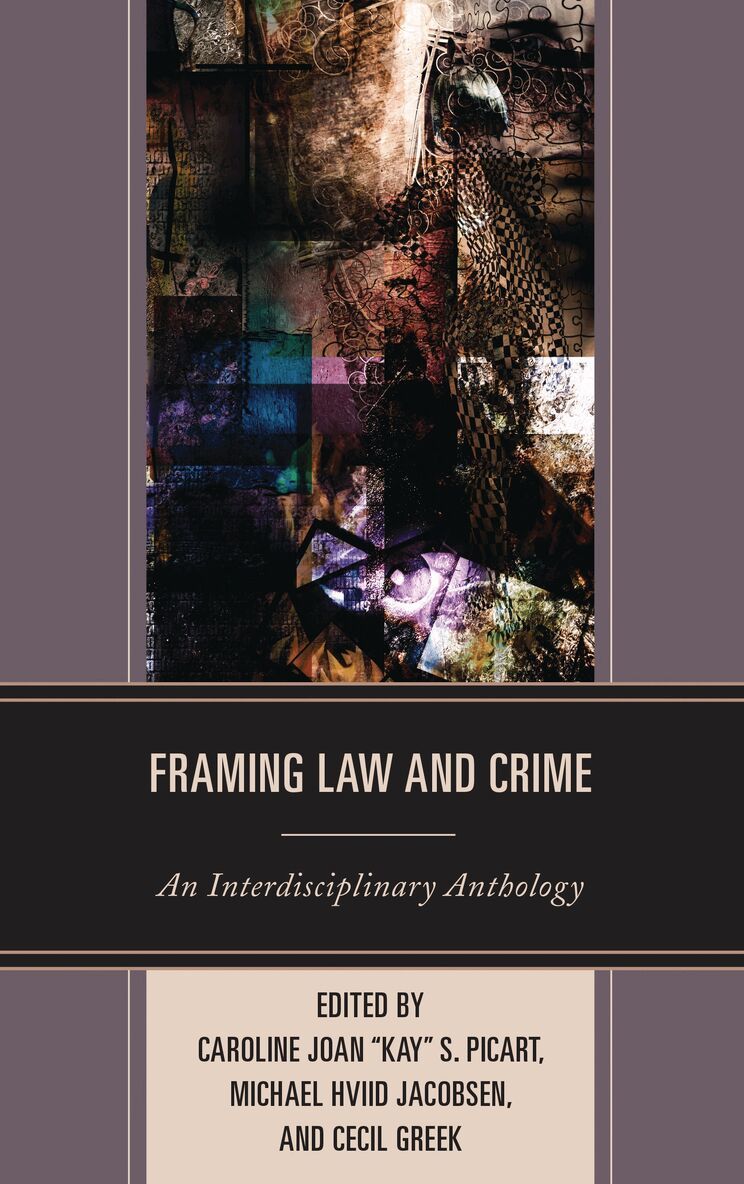
This cutting-edge edited collection brings together 17 scholarly essays on two of cinema and television’s most enduring and powerful themes: law and crime. With contributions by many of the most prominent scholars in law, sociology, criminology, and film, Framing Law and Crime offers a critical survey of a variety of genres and media, integrating descriptions of technique with critical analysis, and incorporating historical and socio-political critique. The first set of essays brings together accounts of the history of the Law and Cinema Movement; the groundbreaking genre of “post-apocalyptic fiction;” and the policy-setting genesis of a Canadian documentary. The second section of the book turns to the examination of a range of international or global films, with an eye to assessing the strengths, frailties, and possible functions of law, as depicted in fictional cinema. After an international focus in the second section, the third section focuses on law and crime in American film and television, inclusive of both fictional and documentary modes of narration. This section’s expansion beyond film narratives to include television series attempts to broaden the scope of the edited collection, in terms of media discussed; it is also a nod to how the big screen, although still a dominant force in American popular culture, now has to compete, to some extent, with the small screen, for influence over the collective American popular cultural imaginary. The fourth section, titled brings together various chapters that attempt to instantiate how a “Gothic Criminology” could be useful, as an interpretative framework in analyzing depictions of law and crime in film and television. The fifth and final section covers issues of pedagogy, epistemology, and ethics in relation to moving images of law and crime. Merging wide-ranging analyses with nuanced scholarly interpretations, Framing Law and Crime examines key concepts and showcases original research reflecting the latest interdisciplinary trends in the scholarship of the moving image. It addresses, not only scholars, but also fans, and will heighten the appreciation of connoisseurs and newcomers to these topics alike.
Law In and As Culture
Intellectual Property, Minority Rights, and the Rights of Indigenous Peoples
Inbunden, Engelska, 2016
928 kr
Skickas inom 10-15 vardagar
There are two oppositional narratives in relation to telling the story of indigenous peoples and minorities in relation to globalization and intellectual property rights. The first, the narrative of Optimism, is a story of the triumphant opening of brave new worlds of commercial integration and cultural inclusion. The second, the narrative of Fear, is a story of the endangerment, mourning, and loss of a traditional culture. While the story of Optimism deploys a rhetoric of commercial mobilization and “innovation,” the story of Fear emphasizes the rhetoric of preserving something “pure” and “traditional” that is “dying.” Both narratives have compelling rhetorical force, and actually need each other, in order to move their opposing audiences into action. However, as Picart shows, the realities behind these rhetorically framed political parables are more complex than a simple binary. Hence, the book steers a careful path between hope rather than unbounded Optimism, and caution, rather than Fear, in exploring how law functions in and as culture as it contours the landscape of intellectual property rights, as experienced by indigenous peoples and minorities. Picart uses, among a variety of tools derived from law, critical and cultural studies, anthropology and communication, case studies to illustrate this approach. She tracks the fascinating stories of the controversies surrounding the ownership of a Taiwanese folk song; the struggle over control of the Mapuche’s traditional land in Chile against the backdrop of Chile’s drive towards modernization; the collaboration between the Kani tribe in India and a multinational corporation to patent an anti-fatigue chemical agent; the drive for respect and recognition by Australian Aboriginal artists for their visual expressions of folklore; and the challenges American women of color such as Josephine Baker and Katherine Dunham faced in relation to the evolving issues of choreography, improvisation and copyright. The book also analyzes the cultural conflicts that result from these encounters between indigenous populations or minorities and majority groups, reflects upon the ways in which these conflicts were negotiated or resolved, both nationally and internationally, and carefully explores proposals to mediate such conflicts.
Law In and As Culture
Intellectual Property, Minority Rights, and the Rights of Indigenous Peoples
Häftad, Engelska, 2017
498 kr
Skickas inom 10-15 vardagar
There are two oppositional narratives in relation to telling the story of indigenous peoples and minorities in relation to globalization and intellectual property rights. The first, the narrative of Optimism, is a story of the triumphant opening of brave new worlds of commercial integration and cultural inclusion. The second, the narrative of Fear, is a story of the endangerment, mourning, and loss of a traditional culture. While the story of Optimism deploys a rhetoric of commercial mobilization and “innovation,” the story of Fear emphasizes the rhetoric of preserving something “pure” and “traditional” that is “dying.” Both narratives have compelling rhetorical force, and actually need each other, in order to move their opposing audiences into action. However, as Picart shows, the realities behind these rhetorically framed political parables are more complex than a simple binary. Hence, the book steers a careful path between hope rather than unbounded Optimism, and caution, rather than Fear, in exploring how law functions in and as culture as it contours the landscape of intellectual property rights, as experienced by indigenous peoples and minorities. Picart uses, among a variety of tools derived from law, critical and cultural studies, anthropology and communication, case studies to illustrate this approach. She tracks the fascinating stories of the controversies surrounding the ownership of a Taiwanese folk song; the struggle over control of the Mapuche’s traditional land in Chile against the backdrop of Chile’s drive towards modernization; the collaboration between the Kani tribe in India and a multinational corporation to patent an anti-fatigue chemical agent; the drive for respect and recognition by Australian Aboriginal artists for their visual expressions of folklore; and the challenges American women of color such as Josephine Baker and Katherine Dunham faced in relation to the evolving issues of choreography, improvisation and copyright. The book also analyzes the cultural conflicts that result from these encounters between indigenous populations or minorities and majority groups, reflects upon the ways in which these conflicts were negotiated or resolved, both nationally and internationally, and carefully explores proposals to mediate such conflicts.
930 kr
Skickas inom 10-15 vardagar
This cutting-edge edited collection brings together 17 scholarly essays on two of cinema and television’s most enduring and powerful themes: law and crime. With contributions by many of the most prominent scholars in law, sociology, criminology, and film, Framing Law and Crime offers a critical survey of a variety of genres and media, integrating descriptions of technique with critical analysis, and incorporating historical and socio-political critique. The first set of essays brings together accounts of the history of the Law and Cinema Movement; the groundbreaking genre of “post-apocalyptic fiction;” and the policy-setting genesis of a Canadian documentary. The second section of the book turns to the examination of a range of international or global films, with an eye to assessing the strengths, frailties, and possible functions of law, as depicted in fictional cinema. After an international focus in the second section, the third section focuses on law and crime in American film and television, inclusive of both fictional and documentary modes of narration. This section’s expansion beyond film narratives to include television series attempts to broaden the scope of the edited collection, in terms of media discussed; it is also a nod to how the big screen, although still a dominant force in American popular culture, now has to compete, to some extent, with the small screen, for influence over the collective American popular cultural imaginary. The fourth section, titled brings together various chapters that attempt to instantiate how a “Gothic Criminology” could be useful, as an interpretative framework in analyzing depictions of law and crime in film and television. The fifth and final section covers issues of pedagogy, epistemology, and ethics in relation to moving images of law and crime. Merging wide-ranging analyses with nuanced scholarly interpretations, Framing Law and Crime examines key concepts and showcases original research reflecting the latest interdisciplinary trends in the scholarship of the moving image. It addresses, not only scholars, but also fans, and will heighten the appreciation of connoisseurs and newcomers to these topics alike.
1 358 kr
Skickas inom 10-15 vardagar
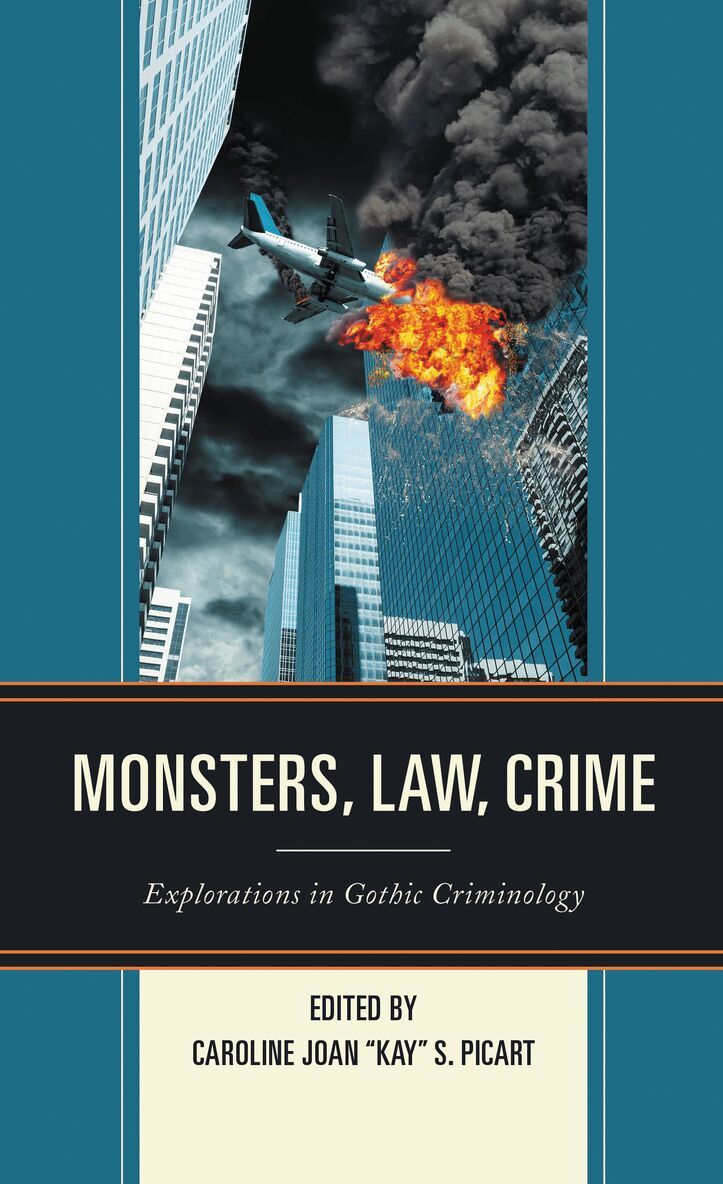
Monsters, Law, Crime, an edited collection composed of essays written by prominent U.S. and international experts in Law, Criminology, Sociology, Anthropology, Communication and Film, constitutes a rigorous attempt to explore fertile interdisciplinary inquiries into “monsters” and “monster-talk,” and law and crime. This edited collection explores and updates contemporary discussions of the emergent and evolving frontiers of monster theory in relation to cutting-edge research on law and crime as extensions of a Gothic Criminology. This theoretical framework was initially developed by Caroline Joan “Kay” S. Picart, a Philosophy and Film professor turned Attorney and Law professor, and Cecil Greek, a Sociologist (Picart and Greek 2008). Picart and Greek proposed a Gothic Criminology to analyze the fertile synapses connecting the “real” and the “reel” in the flow of Gothic metaphors and narratives that abound around criminological phenomena that populate not only popular culture but also academic and public policy discourses. Picart's edited collection adapts the framework to focus predominantly on law and the social sciences.
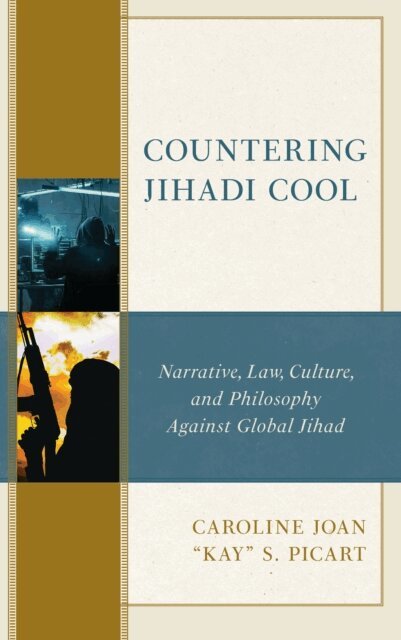
Countering Jihadi Cool
Narrative, Law, Culture, and Philosophy Against Global Jihad
Inbunden, Engelska, 2025
928 kr
Skickas inom 10-15 vardagar
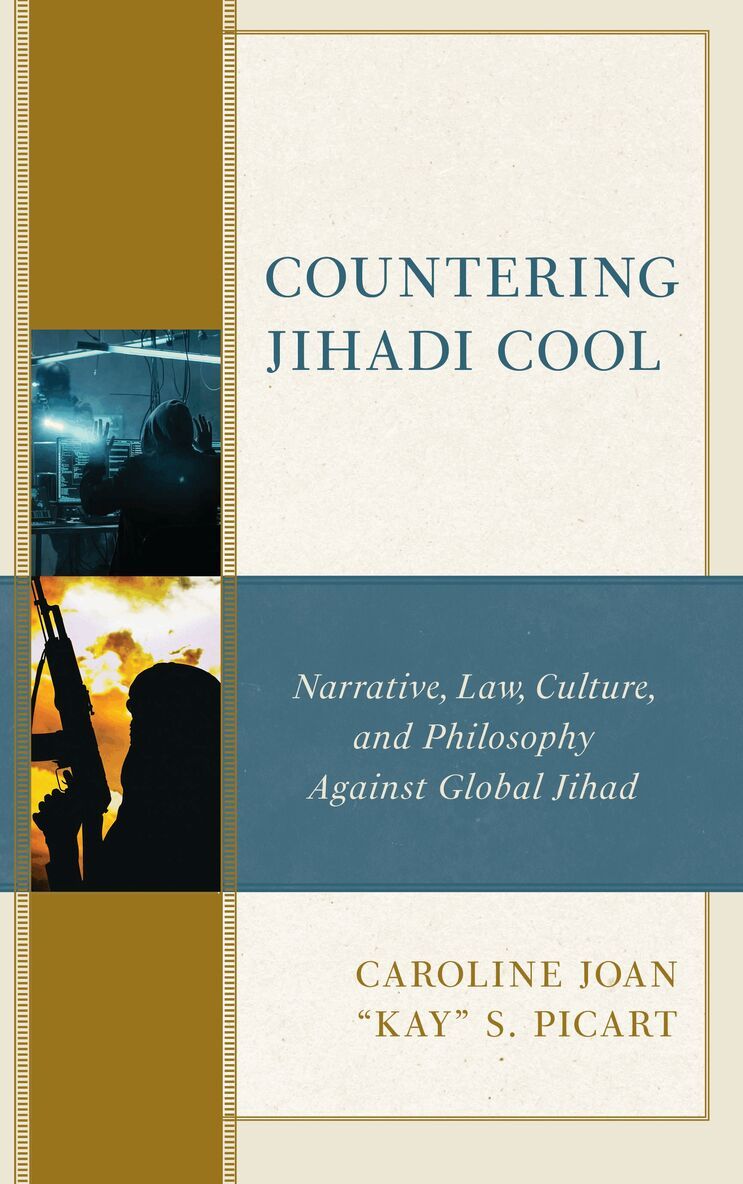
Using an aesthetic culture and techniques termed as jihadi cool, terrorist groups have been able to recruit members from around the world, so how do we begin to respond?This book analyzes the rhetorical and ethical dynamics of a culture of jihadi cool/chic, and why these rhetorical and aesthetic techniques have been such a powerful recruitment force for particular transnational terrorist groups. The author uses an evidence-based approach, with frameworks derived from law, politics, philosophy, rhetoric, feminist theory, and communication studies, to examine various attempts to construct counter-narratives to the jihadi cool master narrative. The book closes with an examination of how to begin to respond critically and effectively to the lure of jihadi cool.
Countering Jihadi Cool: Narrative, Law, Culture, and Philosophy Against Global Jihad
Häftad, Engelska, 2027
664 kr
Kommande