Caroline Sturdy Colls – författare
Visar alla böcker från författaren Caroline Sturdy Colls. Handla med fri frakt och snabb leverans.
14 produkter
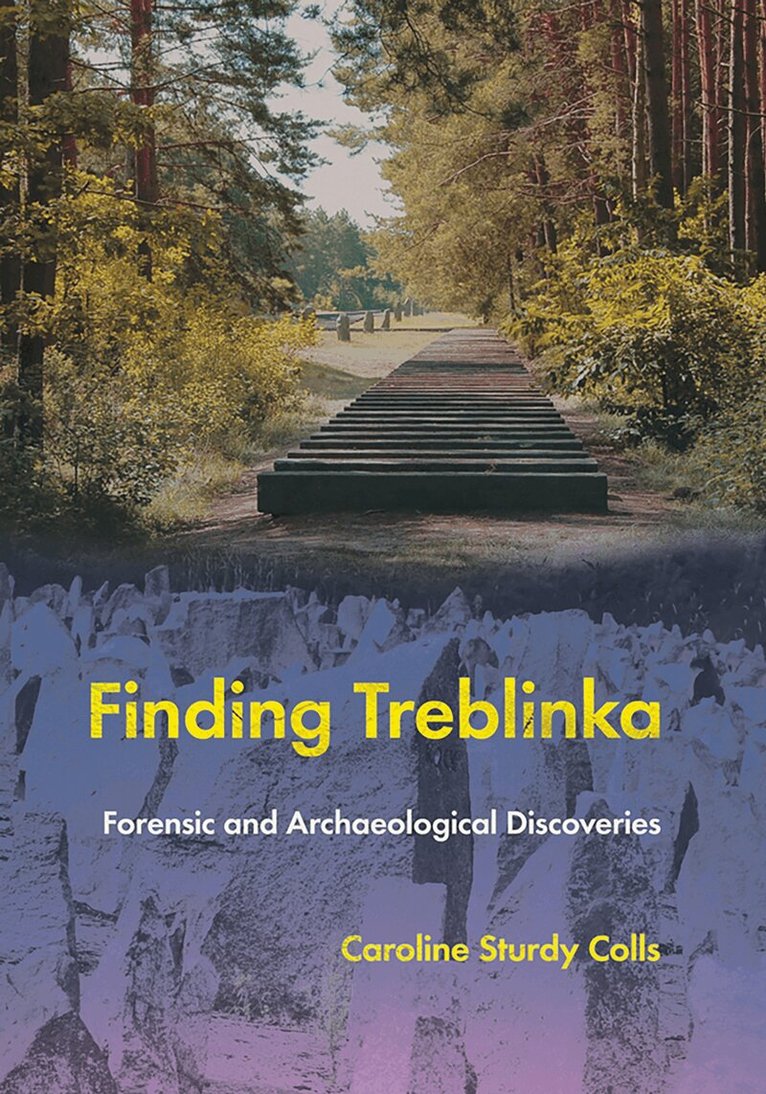
Finding Treblinka
Forensic and Archaeological Discoveries
Häftad, 2026
362 kr
Kommande
Finding Treblinka challenges the long-held belief that Treblinka, the second-deadliest extermination camp operated by Nazi Germany in occupied Poland, was completely destroyed. Even though Nazis demolished buildings, exhumed and burned victims' bodies, and planted trees to obscure the site, …
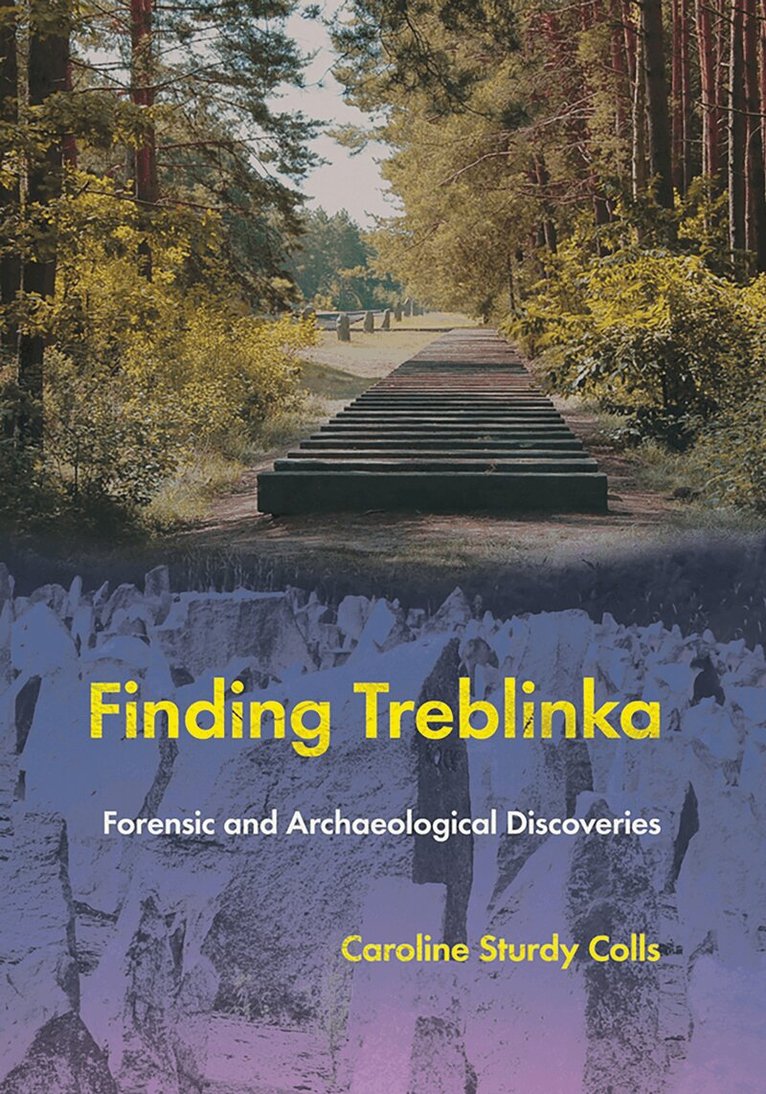
Finding Treblinka
Forensic and Archaeological Discoveries
Inbunden, 2026
1678 kr
Lägg i varukorg
Finding Treblinka challenges the long-held belief that Treblinka, the second-deadliest extermination camp operated by Nazi Germany in occupied Poland, was completely destroyed. Even though Nazis demolished buildings, exhumed and burned victims' bodies, and planted trees to obscure the site, …
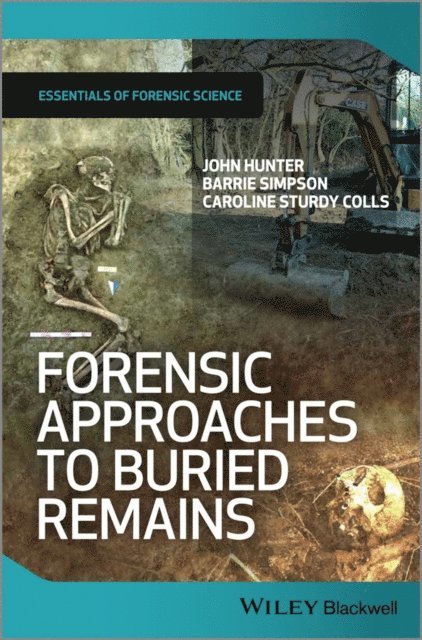
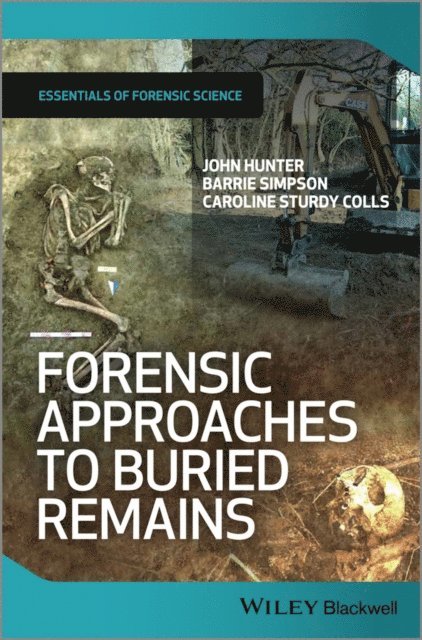
Forensic Approaches to Buried Remains
Av John Hunter, Barrie Simpson m. fl.
Häftad, 2013
813 kr
Lägg i varukorg
The field of forensic archaeology has developed over recent years from being a branch of conventional archaeology into a well-established discipline in its own right. Forensic Approaches to Buried Remains takes an innovative approach to the subject by placing the role of the forensic archaeologist …
Forensic Approaches to Buried Remains
Av Caroline Sturdy Colls, Barrie Simpson m. fl.
E-bok, 2013
831 kr
Lägg i varukorg
The field of forensic archaeology has developed over recent years from being a branch of conventional archaeology into a well-established discipline in its own right. Forensic Approaches to Buried Remains takes an innovative approach to the subject by placing the role of the forensic archaeologist …
Forensic Approaches to Buried Remains
Av Caroline Sturdy Colls, Barrie Simpson m. fl.
E-bok, 2013
2004 kr
Lägg i varukorg
The field of forensic archaeology has developed over recent years from being a branch of conventional archaeology into a well-established discipline in its own right. Forensic Approaches to Buried Remains takes an innovative approach to the subject by placing the role of the forensic archaeologist …
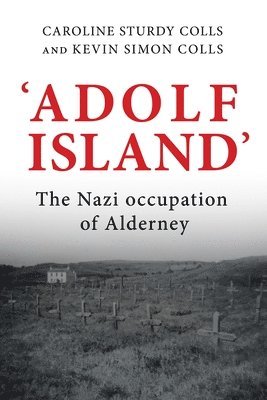
'Adolf Island'
The Nazi Occupation of Alderney
Av Caroline Sturdy Colls, Kevin Colls
Inbunden, 2022
1337 kr
Lägg i varukorg
‘Adolf Island’ offers new forensic, archaeological and spatial perspectives on the Nazi forced and slave labour programme that was initiated on the Channel Island of Alderney during its occupation in the Second World War. Drawing on extensive archival research and the results of the first in-field …
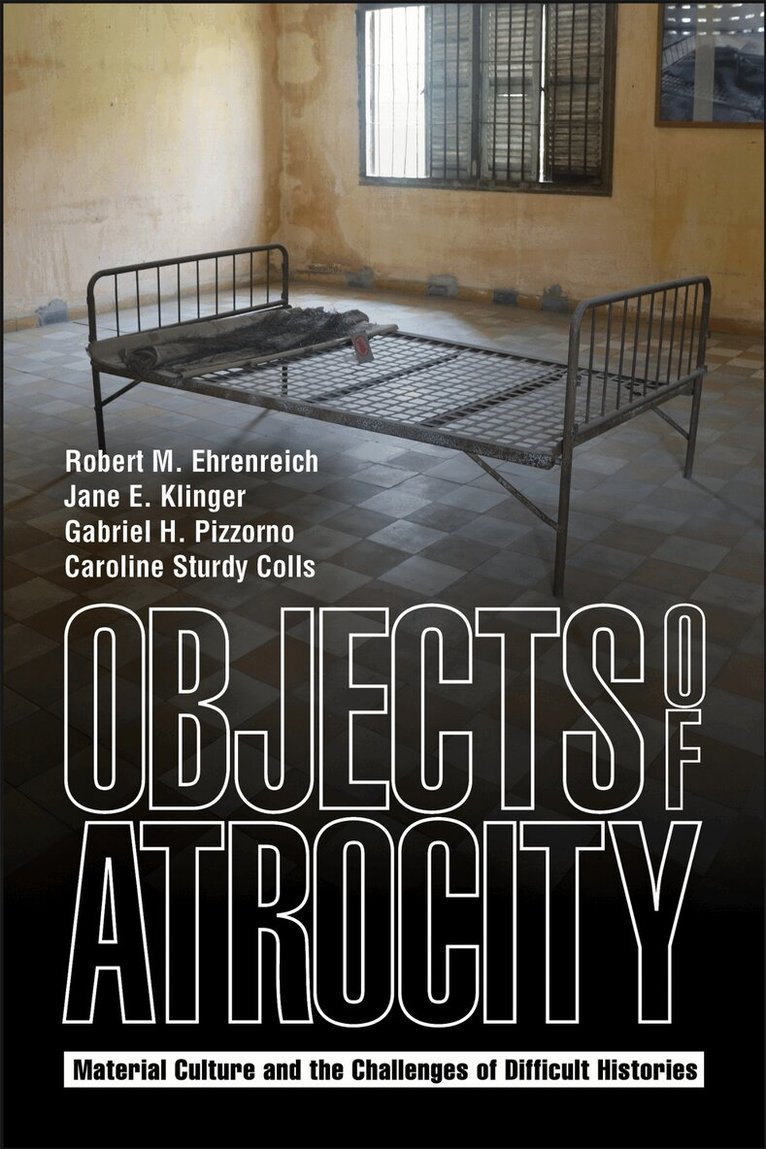
Objects of Atrocity
Material Culture and the Challenges of Difficult Histories
Av Robert M. Ehrenreich, Jane E. Klinger m. fl.
Inbunden, 2026
1403 kr
Lägg i varukorg
The vast majority of people throughout history have left few written traces. That is especially the case for those who were brutally forced from their homes, stripped of their possessions, and swiftly imprisoned, enslaved, or murdered. Objects of Atrocity: Material Culture and the Challenges of …
Objects of Atrocity
Material Culture and the Challenges of Difficult Histories
Av Robert M. Ehrenreich, Jane E. Klinger m. fl.
Häftad, 2026
580 kr
Lägg i varukorg
The vast majority of people throughout history have left few written traces. That is especially the case for those who were brutally forced from their homes, stripped of their possessions, and swiftly imprisoned, enslaved, or murdered. Objects of Atrocity: Material Culture and the Challenges of …
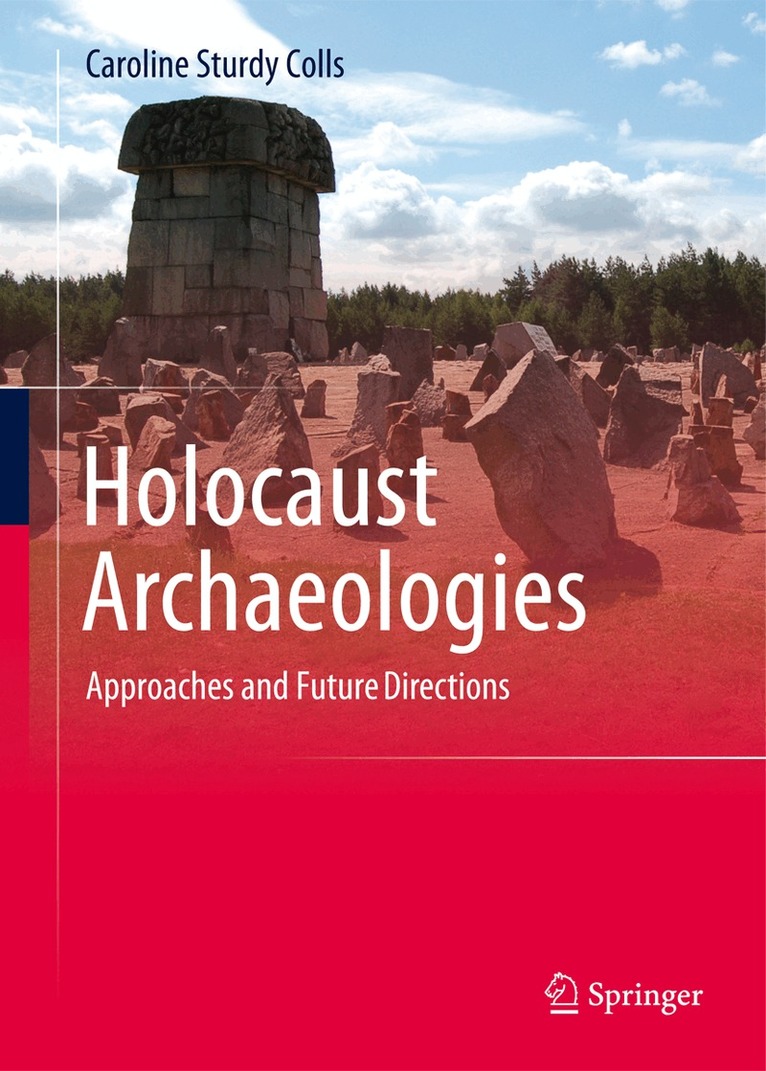
Holocaust Archaeologies
Approaches and Future Directions
Inbunden, 2015
1237 kr
Lägg i varukorg
Holocaust Archaeologies: Approaches and Future Directions aims to move archaeological research concerning the Holocaust forward through a discussion of the variety of the political, social, ethical and religious issues that surround investigations of this period and by considering how to address …
Holocaust Archaeologies
Approaches and Future Directions
E-bok, 2015
923 kr
Lägg i varukorg
Holocaust Archaeologies : Approaches and Future Directions aims to move archaeological research concerning the Holocaust forward through a discussion of the variety of the political, social, ethical and religious issues that surround investigations of this period and by considering how to address …
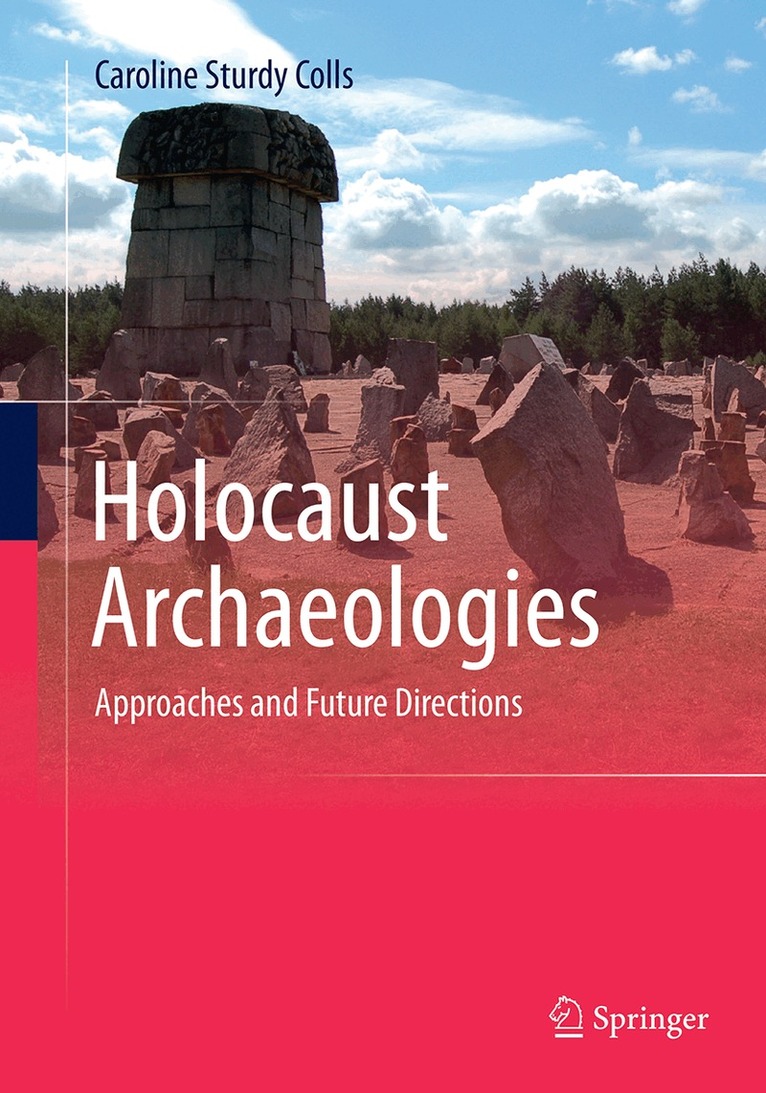
Holocaust Archaeologies
Approaches and Future Directions
Häftad, 2016
902 kr
Lägg i varukorg
Holocaust Archaeologies: Approaches and Future Directions aims to move archaeological research concerning the Holocaust forward through a discussion of the variety of the political, social, ethical and religious issues that surround investigations of this period and by considering how to address …
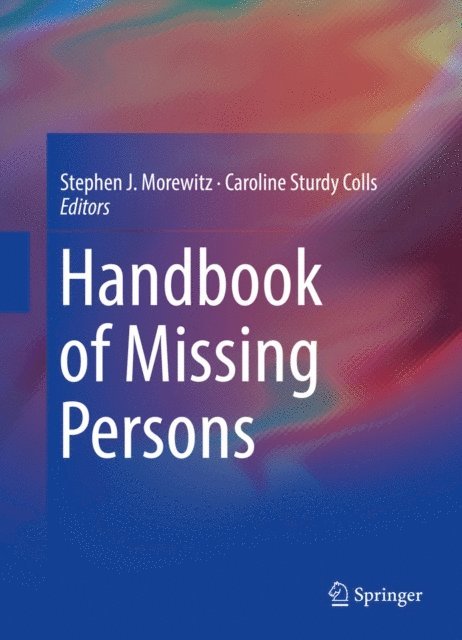
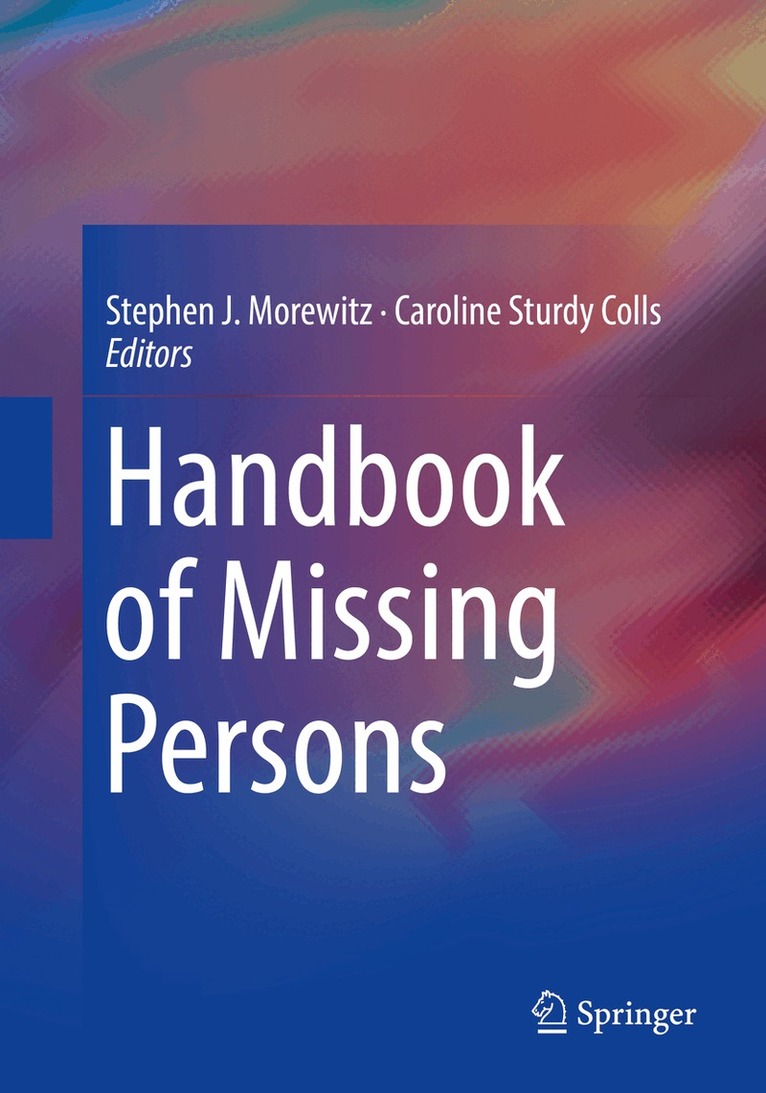
Handbook of Missing Persons
Av Stephen J. Morewitz, Caroline Sturdy Colls
Inbunden, 2016
2305 kr
Lägg i varukorg
This ambitious multidisciplinary volume surveys the science, forensics, politics, and ethics involved in responding to missing persons cases. International experts across the physical and social sciences offer data, case examples, and insights on best practices, new methods, and emerging …
Handbook of Missing Persons
Av Caroline Sturdy Colls, Stephen J. Morewitz
E-bok, 2016
2455 kr
Lägg i varukorg
This ambitious multidisciplinary volume surveys the science, forensics, politics, and ethics involved in responding to missing persons cases. International experts across the physical and social sciences offer data, case examples, and insights on best practices, new methods, and emerging …
Handbook of Missing Persons
Av Stephen J. Morewitz, Caroline Sturdy Colls
Häftad, 2018
1705 kr
Lägg i varukorg
This ambitious multidisciplinary volume surveys the science, forensics, politics, and ethics involved in responding to missing persons cases. International experts across the physical and social sciences offer data, case examples, and insights on best practices, new methods, and emerging …