Carolyn Dinshaw – författare
Visar alla böcker från författaren Carolyn Dinshaw. Handla med fri frakt och snabb leverans.
10 produkter
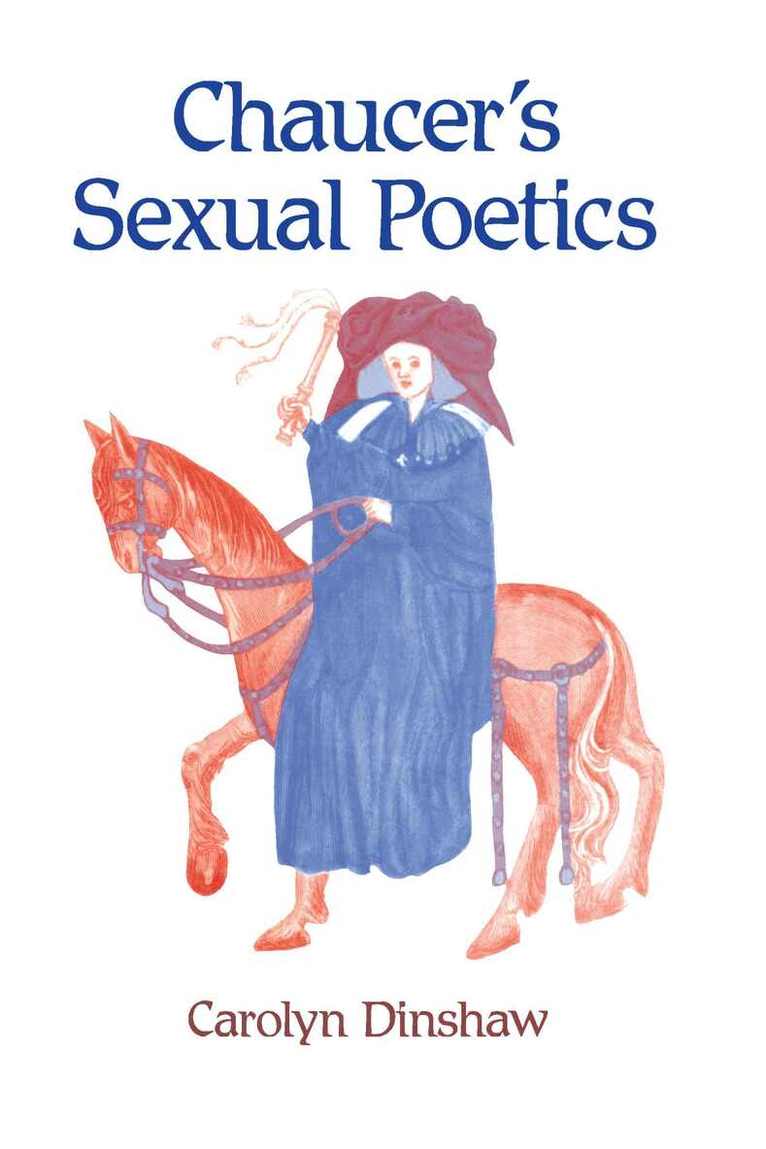
Chaucer's Sexual Poetics
Häftad, 1990
317 kr
Lägg i varukorg
In Chaucer's texts amatory acts are often correlated with literary acts; for him, literary activity is always a gendered activity. Writing in the context of a resolutely patriarchal culture, Chaucer's acts of interpretation are masculine activities. Carolyn Dinshaw's work is based on the idea that …
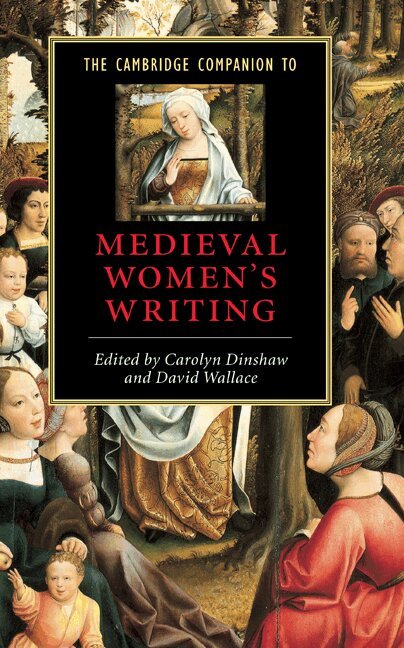
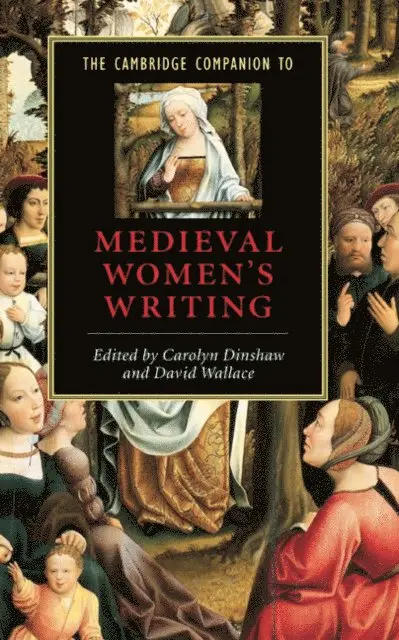
The Cambridge Companion to Medieval Women's Writing
Av Carolyn Dinshaw, David Wallace
Inbunden, 2003
1610 kr
Lägg i varukorg
The Cambridge Companion to Medieval Women's Writing seeks to recover the lives and particular experiences of medieval women by concentrating on various kinds of texts: the texts they wrote themselves as well as texts that attempted to shape, limit, or expand their lives. The first section …
The Cambridge Companion to Medieval Women's Writing
Av Carolyn Dinshaw, David Wallace
Häftad, 2003
560 kr
Lägg i varukorg
The Cambridge Companion to Medieval Women's Writing seeks to recover the lives and particular experiences of medieval women by concentrating on various kinds of texts: the texts they wrote themselves as well as texts that attempted to shape, limit, or expand their lives. The first section …
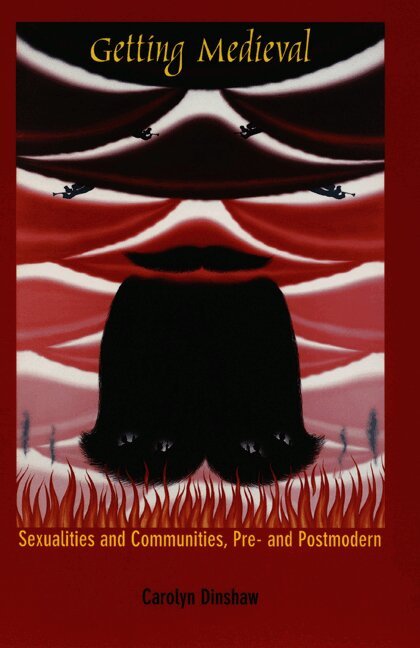
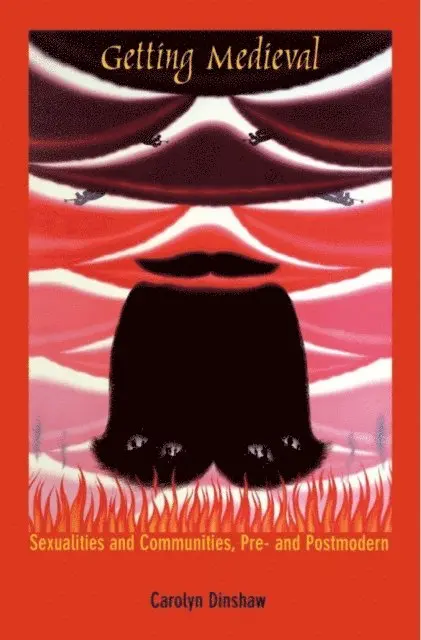
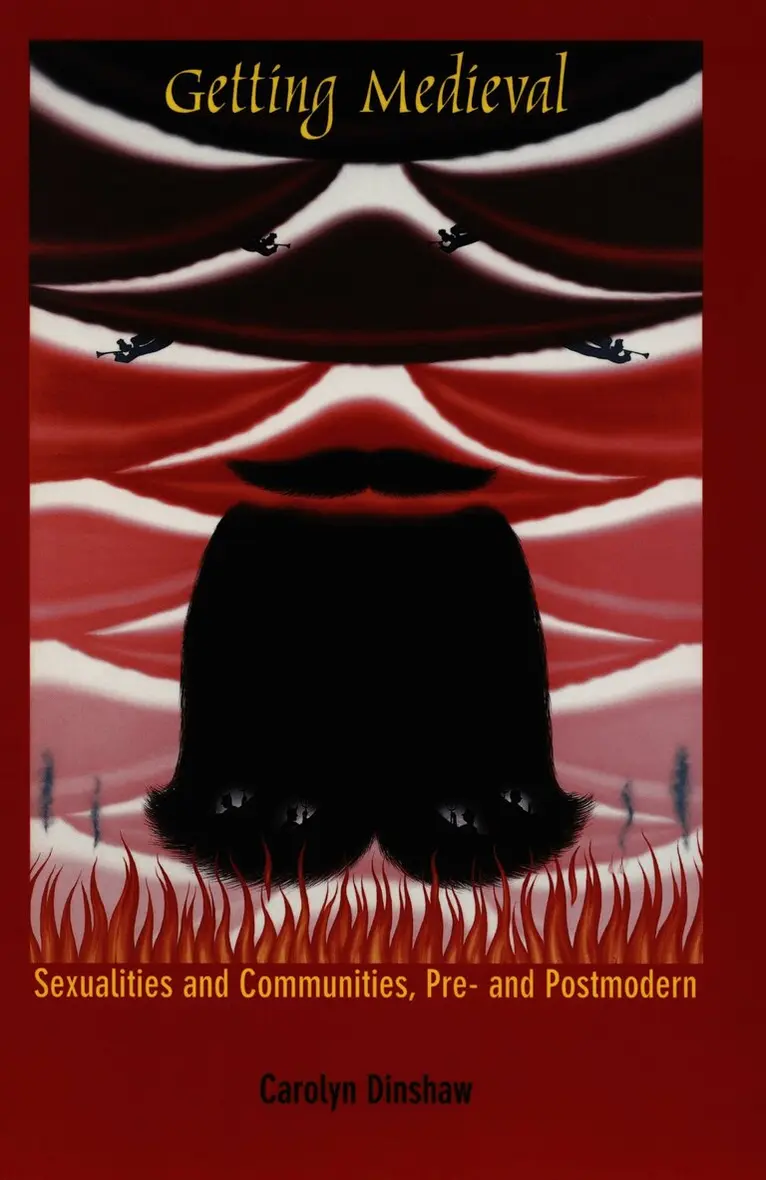
Getting Medieval
Sexualities and Communities, Pre- and Postmodern
Häftad, 1999
444 kr
Lägg i varukorg
In Getting Medieval Carolyn Dinshaw examines communities-dissident and orthodox-in late-fourteenth and early-fifteenth-century England to create a new sense of queer history. Reaching beyond both medieval and queer studies, Dinshaw demonstrates in this challenging work how intellectual inquiry into …
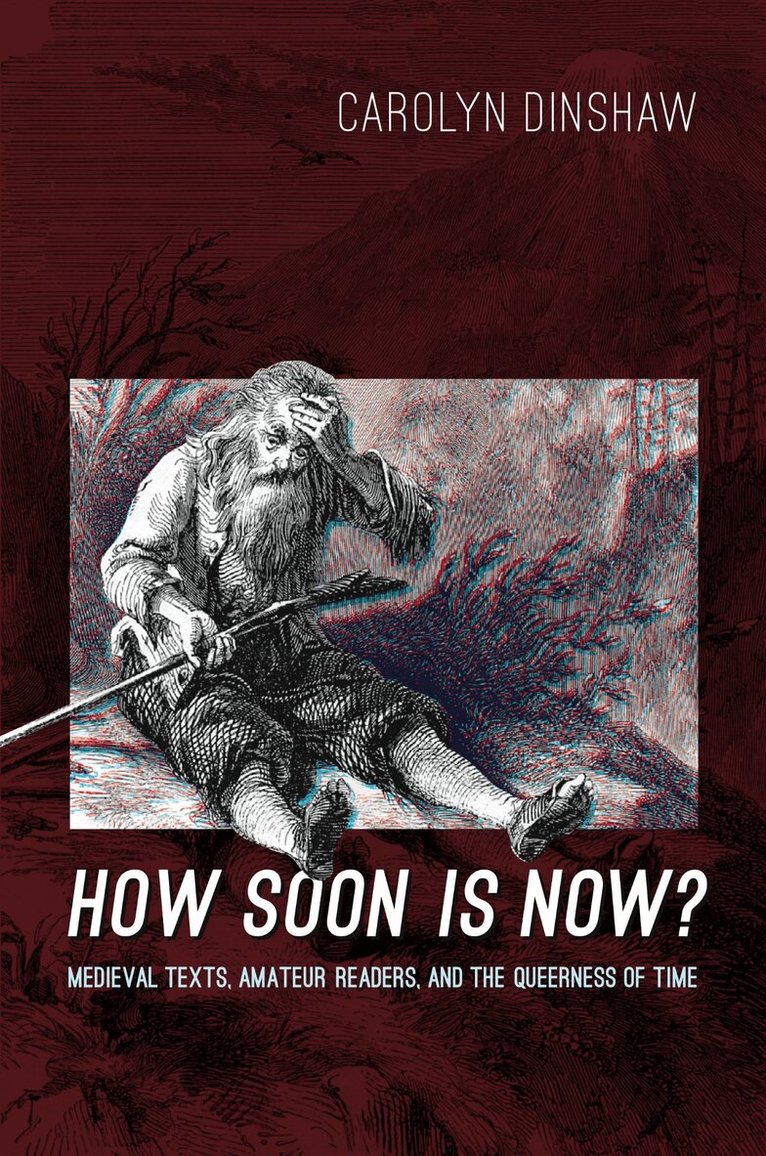
How Soon Is Now?
Medieval Texts, Amateur Readers, and the Queerness of Time
Inbunden, 2012
1459 kr
Lägg i varukorg
How Soon Is Now? performs a powerful critique of modernist temporal regimes through its revelatory exploration of queer ways of being in time as well as of the potential queerness of time itself. Carolyn Dinshaw focuses on medieval tales of asynchrony and on engagements with these medieval temporal …
How Soon Is Now?
Medieval Texts, Amateur Readers, and the Queerness of Time
Häftad, 2012
647 kr
Lägg i varukorg
How Soon Is Now? performs a powerful critique of modernist temporal regimes through its revelatory exploration of queer ways of being in time as well as of the potential queerness of time itself. Carolyn Dinshaw focuses on medieval tales of asynchrony and on engagements with these medieval temporal …
Getting Medieval
Sexualities and Communities, Pre- and Postmodern
E-bok, 1999
749 kr
Lägg i varukorg
In Getting Medieval Carolyn Dinshaw examines communities—dissident and orthodox—in late-fourteenth and early-fifteenth-century England to create a new sense of queer history. Reaching beyond both medieval and queer studies, Dinshaw demonstrates in this challenging work how intellectual inquiry into …
How Soon Is Now?
Medieval Texts, Amateur Readers, and the Queerness of Time
E-bok, 2012
655 kr
Lägg i varukorg
How Soon Is Now? performs a powerful critique of modernist temporal regimes through its revelatory exploration of queer ways of being in time as well as of the potential queerness of time itself. Carolyn Dinshaw focuses on medieval tales of asynchrony and on engagements with these medieval temporal …
Cambridge Companion to Medieval Women's Writing
Av David Wallace, Carolyn Dinshaw
E-bok, 2003
544 kr
Lägg i varukorg
The Cambridge Companion to Medieval Women''s Writing seeks to recover the lives and particular experiences of medieval women by concentrating on various kinds of texts: the texts they wrote themselves as well as texts that attempted to shape, limit, or expand their lives. The first section …
Getting Medieval
Sexualities and Communities, Pre- and Postmodern
Inbunden, 1999
1855 kr
Tillfälligt slut
In Getting Medieval Carolyn Dinshaw examines communities-dissident and orthodox-in late-fourteenth and early-fifteenth-century England to create a new sense of queer history. Reaching beyond both medieval and queer studies, Dinshaw demonstrates in this challenging work how intellectual inquiry into …