Catherine Ingraham - Böcker
Visar alla böcker från författaren Catherine Ingraham. Handla med fri frakt och snabb leverans.
2 produkter
2 produkter
319 kr
Skickas
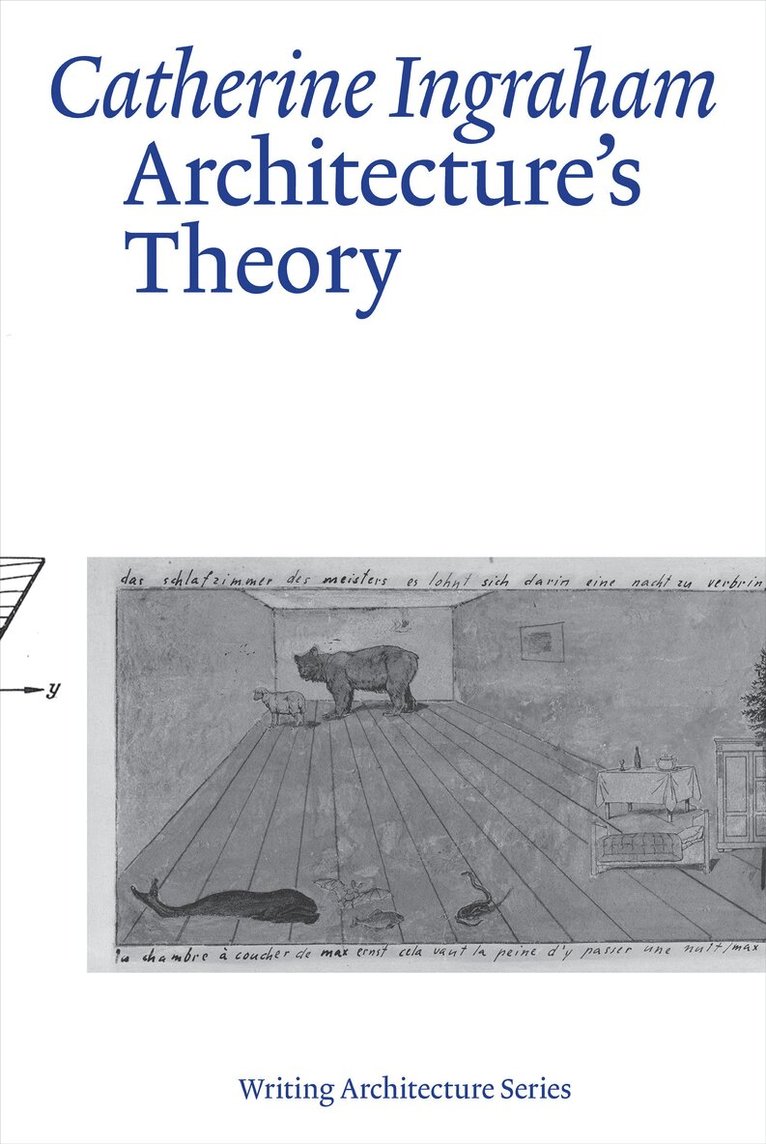
A collection of illuminating essays exploring what theory makes of architecture and what architecture makes of theory in philosophical and materialized contexts.From poststructuralism and deconstruction to current theories of technology and nature, critical theory has long been closely aligned with architecture. In turn, architecture as a thinking profession materializes theory in the form of built work that always carries symbolic loads. In this collection of essays, Catherine Ingraham studies the complex connectivity between architecture's discipline and practice and theories of philosophy, art, literature, history, and politics. She argues that there can be no architecture without theory.Whether considering architecture’s relationship to biomodernity or exploring the ways in which contemporary artists and designers engage in figural play, Ingraham offers provocative interpretations that enhance our understanding of both critical theory and architectural practice today. Along the way, she engages with a wide range of contemporary theorists, including Giorgio Agamben, Judith Butler, Jacques Derrida, Graham Harman, and Timothy Morton, considering buildings around the world, including the Palace of Culture in Warsaw, the Viceroy’s House complex in New Delhi, Mack Scogin and Merrill Elam's Wolfsburg Science Center project in Germany, and the Superdome in New Orleans. Approaching its subject matter from multiple angles, Architecture’s Theory shows how architecture's theoretical and artifactual practices have a unique power to alter culture.
729 kr
Skickas inom 5-8 vardagar
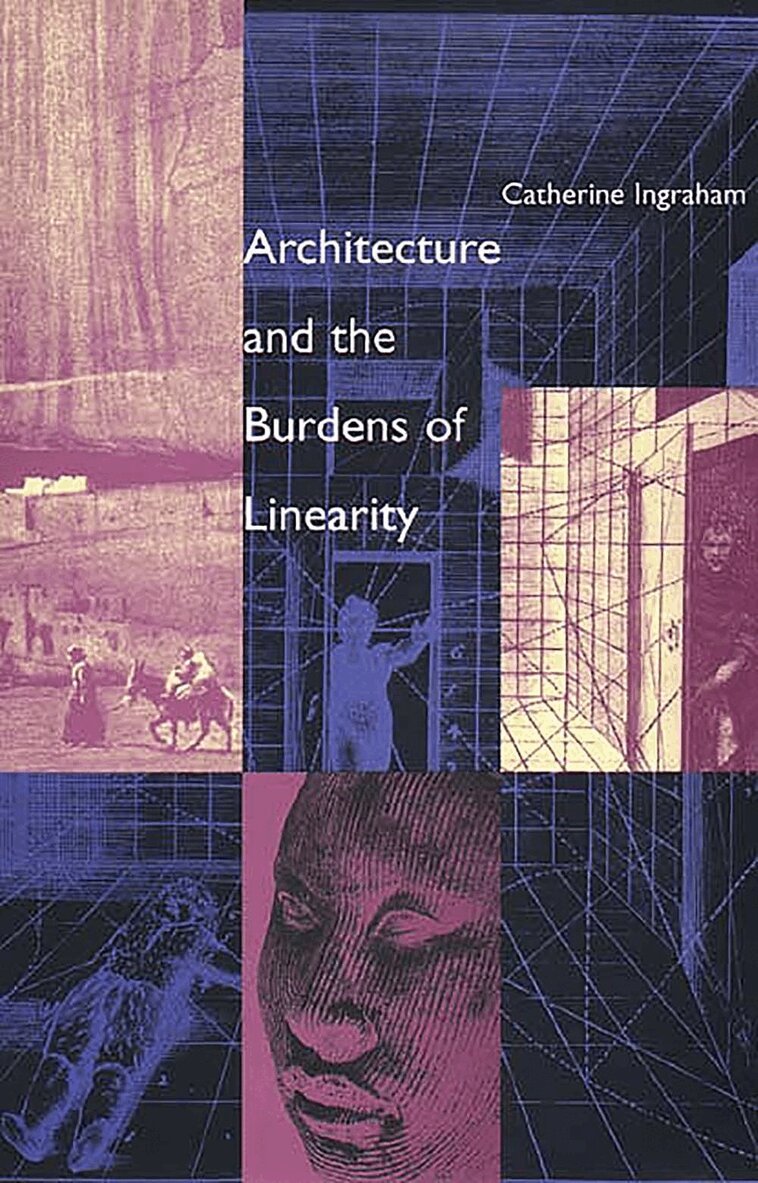
In this suggestive inquiry into the operations of linearity in architectural theory and practice, Catherine Ingraham investigates the line as both a conceptual and literal force in architecture. She approaches her subject from philosophical, theoretical, practical, and historical points of view, finding the following points of convergence: architecture’s relation to property, politics, and economy; architecture’s relation to propriety and the need to keep things "in line"; and architecture’s relation to the proper name, human identity, object identity, and spatial location and demarcation.In this engaging discussion, Ingraham considers maps, architectural plans, the laws of geometry, systems of architectural knowledge, and mythologies of architectural origin in work by Le Corbusier, Vitruvius, Alberti, Tafuri, Derrida, Lévi-Strauss, Shakespeare, Lacan, Deleuze, Rilke, and Stendhal. Entering the current complex debates about the relation between theory and practice in architecture, the author also addresses themes in psychoanalytic criticism, poststructural theory, and feminist criticism. Her examination thus moves beyond architecture and its literal structures to the notion of epistemological structure that architecture as a discipline and practice upholds and promotes.Theoretical Perspectives in Architectural History and Criticism SeriesMark Rakatansky, Editor