
Catherine Kendig – författare
Visar alla böcker från författaren Catherine Kendig. Handla med fri frakt och snabb leverans.
3 produkter
3 produkter
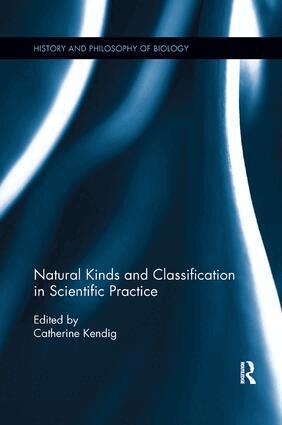
Häftad, Engelska, 2018
560 kr
Skickas inom 10-15 vardagar
This edited volume of 13 new essays aims to turn past discussions of natural kinds on their head. Instead of presenting a metaphysical view of kinds based largely on an unempirical vantage point, it pursues questions of kindedness which take the use of kinds and activities of kinding in practice as significant in the articulation of them as kinds. The book brings philosophical study of current and historical episodes and case studies from various scientific disciplines to bear on natural kinds as traditionally conceived of within metaphysics. Focusing on these practices reveals the different knowledge-producing activities of kinding and processes involved in natural kind use, generation, and discovery.Specialists in their field, the esteemed group of contributors use diverse empirically responsive approaches to explore the nature of kindhood. This groundbreaking volume presents detailed case studies that exemplify kinding in use. Newly written for this volume, each chapter engages with the activities of kinding across a variety of disciplines. Chapter topics include the nature of kinds, kindhood, kinding, and kind-making in linguistics, chemical classification, neuroscience, gene and protein classification, colour theory in applied mathematics, homology in comparative biology, sex and gender identity theory, memory research, race, extended cognition, symbolic algebra, cartography, and geographic information science. The volume seeks to open up an as-yet unexplored area within the emerging field of philosophy of science in practice, and constitutes a valuable addition to the disciplines of philosophy and history of science, technology, engineering, and mathematics.
Inbunden, Engelska, 2015
2 359 kr
Skickas inom 10-15 vardagar
This edited volume of 13 new essays aims to turn past discussions of natural kinds on their head. Instead of presenting a metaphysical view of kinds based largely on an unempirical vantage point, it pursues questions of kindedness which take the use of kinds and activities of kinding in practice as significant in the articulation of them as kinds. The book brings philosophical study of current and historical episodes and case studies from various scientific disciplines to bear on natural kinds as traditionally conceived of within metaphysics. Focusing on these practices reveals the different knowledge-producing activities of kinding and processes involved in natural kind use, generation, and discovery.Specialists in their field, the esteemed group of contributors use diverse empirically responsive approaches to explore the nature of kindhood. This groundbreaking volume presents detailed case studies that exemplify kinding in use. Newly written for this volume, each chapter engages with the activities of kinding across a variety of disciplines. Chapter topics include the nature of kinds, kindhood, kinding, and kind-making in linguistics, chemical classification, neuroscience, gene and protein classification, colour theory in applied mathematics, homology in comparative biology, sex and gender identity theory, memory research, race, extended cognition, symbolic algebra, cartography, and geographic information science. The volume seeks to open up an as-yet unexplored area within the emerging field of philosophy of science in practice, and constitutes a valuable addition to the disciplines of philosophy and history of science, technology, engineering, and mathematics.
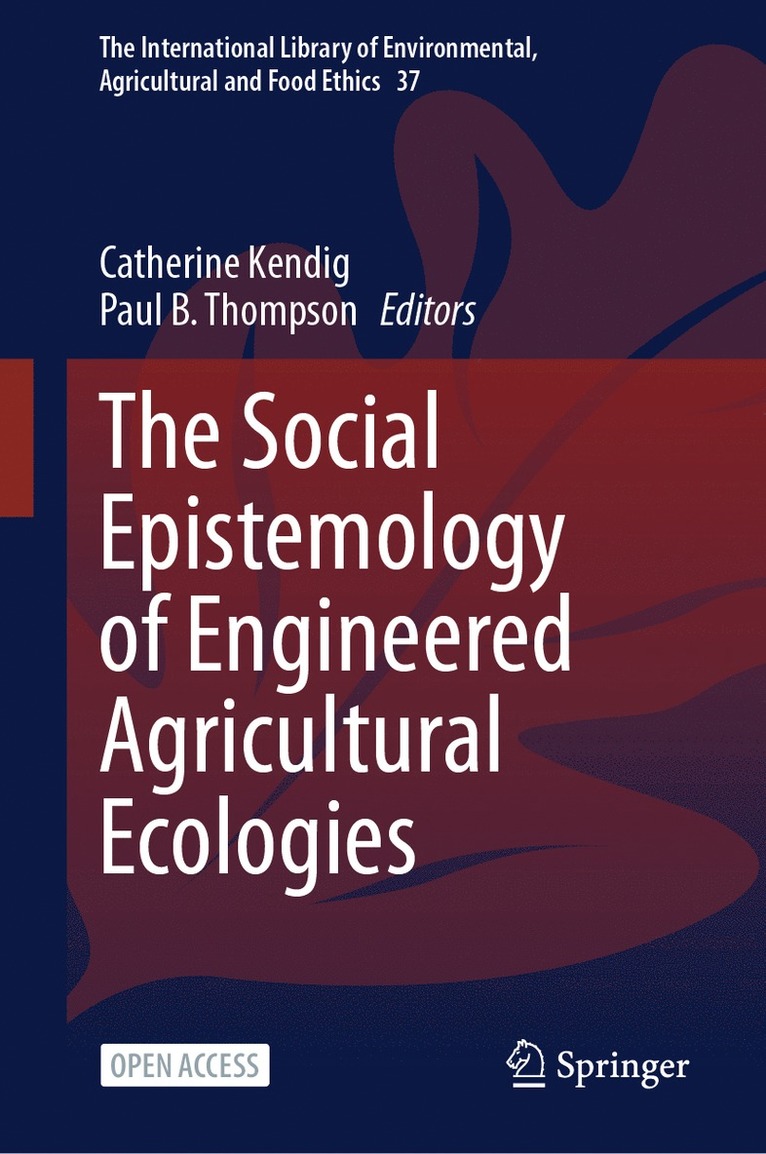
Del 37 - International Library of Environmental, Agricultural and Food Ethics
Social Epistemology of Engineered Agricultural Ecologies
Inbunden, Engelska, 2025
544 kr
Skickas inom 10-15 vardagar
This open access collection of new interdisciplinary essays discusses philosophical and social implications of new biotechnologies, methods, and tools used in agriculture from a multispecies perspective. Contributors employ philosophy, sociology, and history of agriculture; agricultural ethics; philosophy of science; and science and technology studies to investigate agricultural research, farming practice, and agricultural policy. Chapters explore and critically discuss how mechanical, chemical, and genetic interventions reshape ecological relationships and agricultural knowledge by relying on case studies of interspecies interactions across different agriculturalized landscapes. These include careful examinations of the nature of dynamic causal relationships across microbial, macrobial, megaflora and faunal organismal communities; exploration of specific coevolved species of pollinators and field crops; and analyses of the epistemic and normative commitments that guide crop management decisions and shape methodological choices leading to the reengineering of land use. These analyses and case studies are intended to provide readers with a variety of conceptual tools through which the use of agricultural technologies might possibly be understood and debated.