Catherine McNicol Stock - Böcker
Visar alla böcker från författaren Catherine McNicol Stock. Handla med fri frakt och snabb leverans.
11 produkter
11 produkter
1 088 kr
Skickas inom 7-10 vardagar
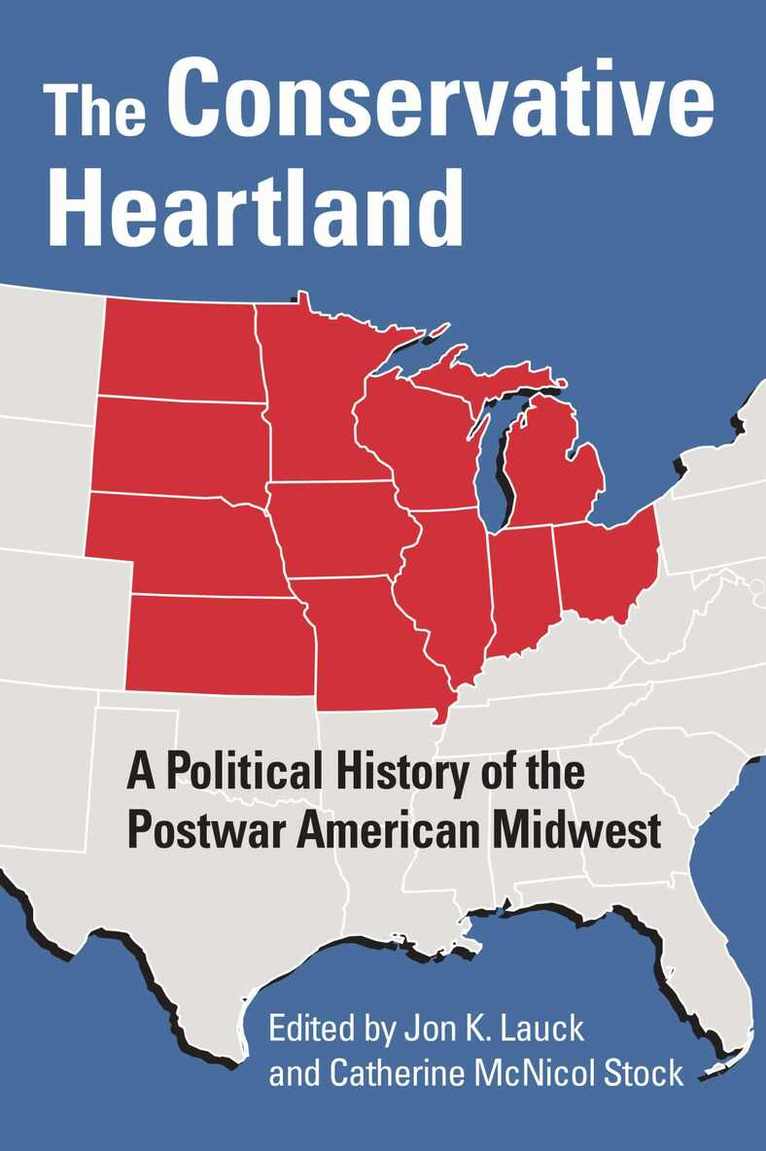
In the wake of the 2016 presidential election there was widespread shock that the Midwest, the Democrats' so-called blue wall, had been so effectively breached by Donald Trump. But the blue wall, as The Conservative Heartland makes clear, was never quite as secure as so many observers assumed. A deep look at the Midwest's history of conservative politics, this timely volume reveals how conservative victories in state houses, legislatures, and national elections in the early twenty-first century, far from coming out of nowhere, in fact had extensive roots across decades of political organization in the region.Focusing on nine states, from Iowa and the Dakotas to Indiana and Ohio, the essays in this collection detail the rise of midwestern conservatism after World War II - a trend that coincided with the transformation of the prewar Republican Party into the New Right. This transformation, the authors contend, involved the Midwest and the Sunbelt states. Through the lenses of race, class, gender, and sexuality, their essays explore the development of midwestern conservative politics in light of deindustrialization, environmentalism, second wave feminism, mass incarceration, privatization, and debates over same-sex marriage and abortion, among other issues. Together these essays map the region's complex patchwork of viable rural and urban areas, variously subject to a wide array of conflicting interests and concerns; the perspective they provide, at once broad and in-depth, offers unique historical insight into the Midwest's political complexity - and its status as the last real competitive battleground in presidential elections.
345 kr
Skickas inom 7-10 vardagar
In the wake of the 2016 presidential election there was widespread shock that the Midwest, the Democrats' so-called blue wall, had been so effectively breached by Donald Trump. But the blue wall, as The Conservative Heartland makes clear, was never quite as secure as so many observers assumed. A deep look at the Midwest's history of conservative politics, this timely volume reveals how conservative victories in state houses, legislatures, and national elections in the early twenty-first century, far from coming out of nowhere, in fact had extensive roots across decades of political organization in the region.Focusing on nine states, from Iowa and the Dakotas to Indiana and Ohio, the essays in this collection detail the rise of midwestern conservatism after World War II - a trend that coincided with the transformation of the prewar Republican Party into the New Right. This transformation, the authors contend, involved the Midwest and the Sunbelt states. Through the lenses of race, class, gender, and sexuality, their essays explore the development of midwestern conservative politics in light of deindustrialization, environmentalism, second wave feminism, mass incarceration, privatization, and debates over same-sex marriage and abortion, among other issues. Together these essays map the region's complex patchwork of viable rural and urban areas, variously subject to a wide array of conflicting interests and concerns; the perspective they provide, at once broad and in-depth, offers unique historical insight into the Midwest's political complexity - and its status as the last real competitive battleground in presidential elections.
555 kr
Skickas inom 10-15 vardagar
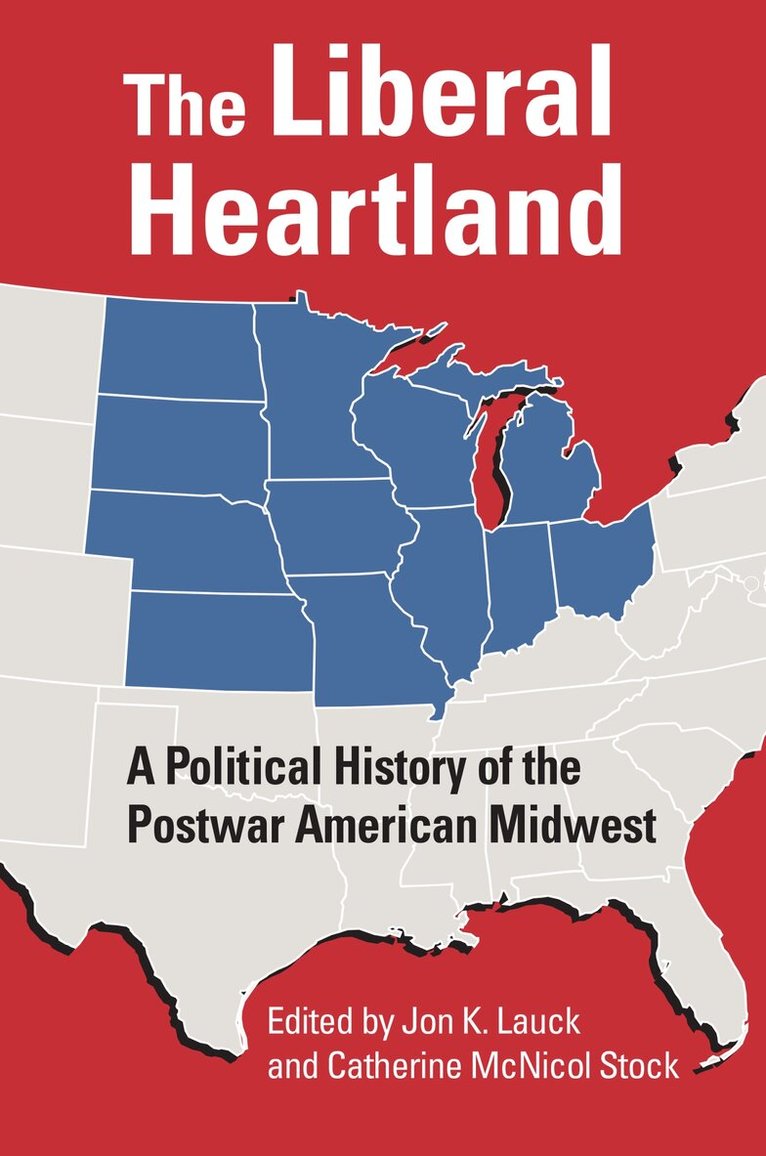
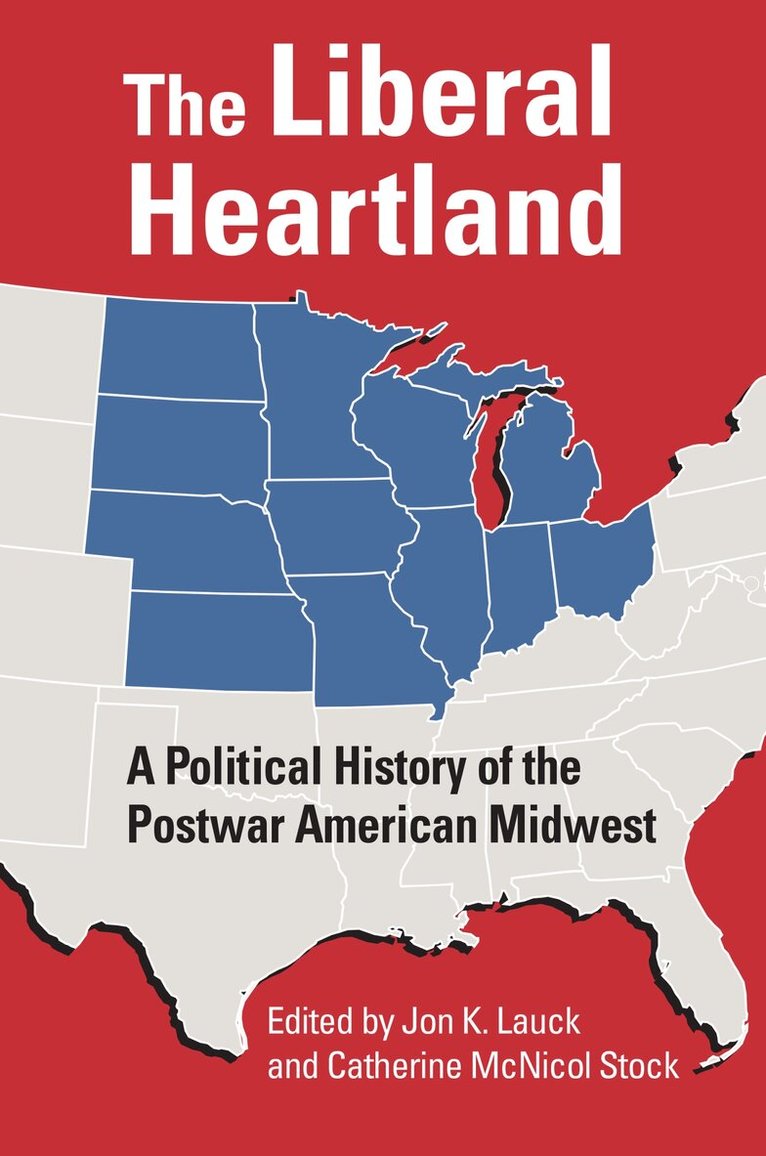
Over the last two decades, the political narrative of the “liberal coasts” and the “conservative heartland” has become something of a truism, leading many Democrats to write off much of the Midwest as a Republican stronghold. Today’s polarized divide between rural and urban voters makes it easy to forget that things have not always been this way. The Liberal Heartland is a powerful reminder that the American Midwest has a progressive legacy that rivals the coasts.Across twenty chapters, The Liberal Heartland traces the political history of this region from the post–New Deal period to the rise of the New Right and Donald Trump’s right-wing populism. The contributors explore the way liberals and progressives across the Midwest fought for expanding environmental protection, engaged in community activism, developed a queer-labor coalition before Stonewall, struggled for women’s rights and representation in the Plains states, opposed the death penalty, and mobilized for Indigenous self-determination, among other topics. In addition to well-known leaders like Harry Truman and George McGovern, the book highlights lesser-known figures, such as Lydia Cady Langer, Mary Jean Collins, Richard Hatcher, Jim Jontz, and Paul Wellstone.A companion to the 2020 volume, The Conservative Heartland, The Liberal Heartland explores the history of the Midwest from a less-acknowledged perspective, recounting often forgotten stories that demonstrate the importance of the Midwest for New Deal liberalism and various forms of left-wing politics. This is a long-overdue book that represents a fresh look at the American heartland.
350 kr
Skickas inom 10-15 vardagar
Over the last two decades, the political narrative of the “liberal coasts” and the “conservative heartland” has become something of a truism, leading many Democrats to write off much of the Midwest as a Republican stronghold. Today’s polarized divide between rural and urban voters makes it easy to forget that things have not always been this way. The Liberal Heartland is a powerful reminder that the American Midwest has a progressive legacy that rivals the coasts.Across twenty chapters, The Liberal Heartland traces the political history of this region from the post–New Deal period to the rise of the New Right and Donald Trump’s right-wing populism. The contributors explore the way liberals and progressives across the Midwest fought for expanding environmental protection, engaged in community activism, developed a queer-labor coalition before Stonewall, struggled for women’s rights and representation in the Plains states, opposed the death penalty, and mobilized for Indigenous self-determination, among other topics. In addition to well-known leaders like Harry Truman and George McGovern, the book highlights lesser-known figures, such as Lydia Cady Langer, Mary Jean Collins, Richard Hatcher, Jim Jontz, and Paul Wellstone.A companion to the 2020 volume, The Conservative Heartland, The Liberal Heartland explores the history of the Midwest from a less-acknowledged perspective, recounting often forgotten stories that demonstrate the importance of the Midwest for New Deal liberalism and various forms of left-wing politics. This is a long-overdue book that represents a fresh look at the American heartland.
Countryside in the Age of the Modern State
Political Histories of Rural America
Inbunden, Engelska, 2001
1 268 kr
Skickas inom 10-15 vardagar
"However urban the nation has become," Catherine McNicol Stock and Robert D. Johnston write, "twenty percent of its citizens still live outside major metropolitan areas. Moreover, rural economic activity—agricultural, extractive, recreational, and industrial—has an enormous impact on the nation's overall economic well-being. The stories of contemporary rural people still have the power to move us.... They reflect the values, dreams, and ideals at the core of the economically, racially, and ethnically diverse American experience."The Countryside in the Age of the Modern State moves rural history into explorations of modern politics: diverse rural peoples and their complex relationships to the American state in the twentieth century. The volume's contributors examine African American progressive farm organizers; the experiences of Caribbean and Mexican farm laborers; agrarian intellectuals in the New Deal; the politics of land and landscape in the Rocky Mountain west; and the origins of today's rural political movements.
Countryside in the Age of the Modern State
Political Histories of Rural America
Häftad, Engelska, 2001
555 kr
Skickas inom 10-15 vardagar
"However urban the nation has become," Catherine McNicol Stock and Robert D. Johnston write, "twenty percent of its citizens still live outside major metropolitan areas. Moreover, rural economic activity—agricultural, extractive, recreational, and industrial—has an enormous impact on the nation's overall economic well-being. The stories of contemporary rural people still have the power to move us.... They reflect the values, dreams, and ideals at the core of the economically, racially, and ethnically diverse American experience."The Countryside in the Age of the Modern State moves rural history into explorations of modern politics: diverse rural peoples and their complex relationships to the American state in the twentieth century. The volume's contributors examine African American progressive farm organizers; the experiences of Caribbean and Mexican farm laborers; agrarian intellectuals in the New Deal; the politics of land and landscape in the Rocky Mountain west; and the origins of today's rural political movements.
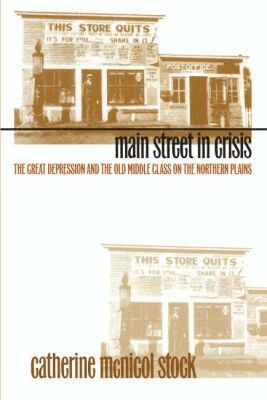
Main Street in Crisis
The Great Depression and the Old Middle Class on the Northern Plains
Häftad, Engelska, 1997
460 kr
Skickas inom 10-15 vardagar
This study of class during the Great Depression is the first to examine a relatively neglected geographical area, the northern plains states of North and South Dakota, from a social and cultural perspective. Surveying the values and ideals of the old middle class -- independent shopkeepers, artisans, professionals, and farmers -- Catherine Stock presents a picture of Dakotans' cultural life in the 1920s and 1930s and tells of their efforts to come to terms with the enormous social change brought about by the New Deal. According to Stock, the depression not only destroyed Dakotans' economic foundations but also bankrupted their community organizations and undermined theirsocial relations. She shows that Dakotans' social values, characterized by notions of neighborliness, loyalty, hard wok, upright character, and individual enterprise, were threatedened first by devastating drought and subsequent economic collapse and then by massive relief efforts and governmental intervention on an unprecedented scale. By 1940, one-third of all farmers who owned their land had lost it to foreclosure, and the federal government had spent nearly half a billion dollars to aid the region. Stock argues that to Dakotans, the New Deal offered a trade-off between autonomy, community, and local control, on the one hand, and survival itself on the other. Dakotans, ambivalent toward ""progress,"" feared not only for their land, their businesses, their families, and their communities; they feared for the survival of a way of life. They responded, says Stock, by working to make sense of the new world and find renewed meaning in the old. Consulting varied sources such as diaries, autobiographies, oral histories, and newspaper accounts, Stock includes women's voices as well as men's. She integrates female perspectives on farm life and old-middle-class community into the narrative as a whole and devotes a separate chapter to women's experiences of the upheavals produced by the Great Depression and the New Deal.
665 kr
Skickas inom 10-15 vardagar
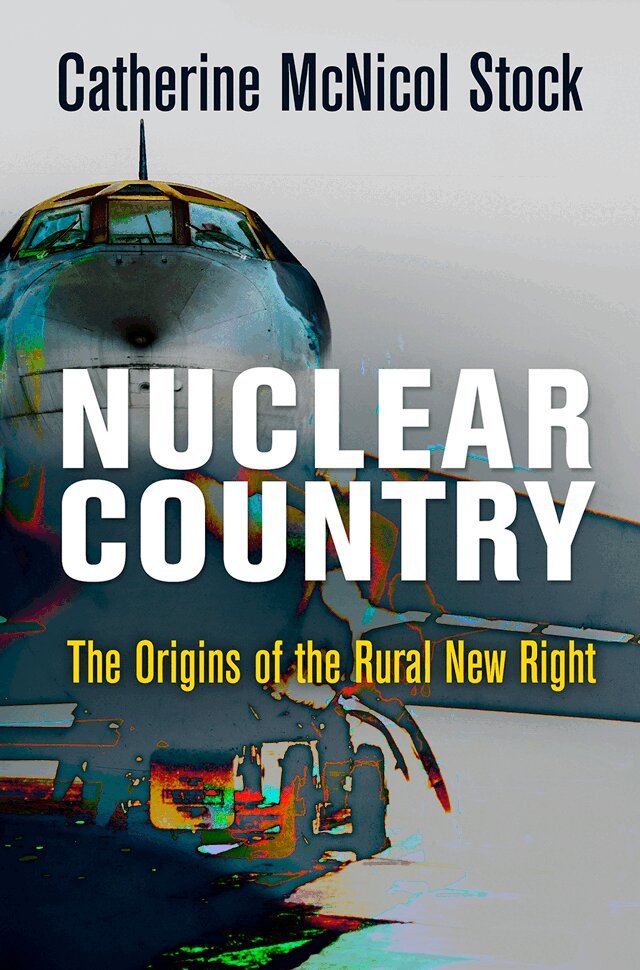
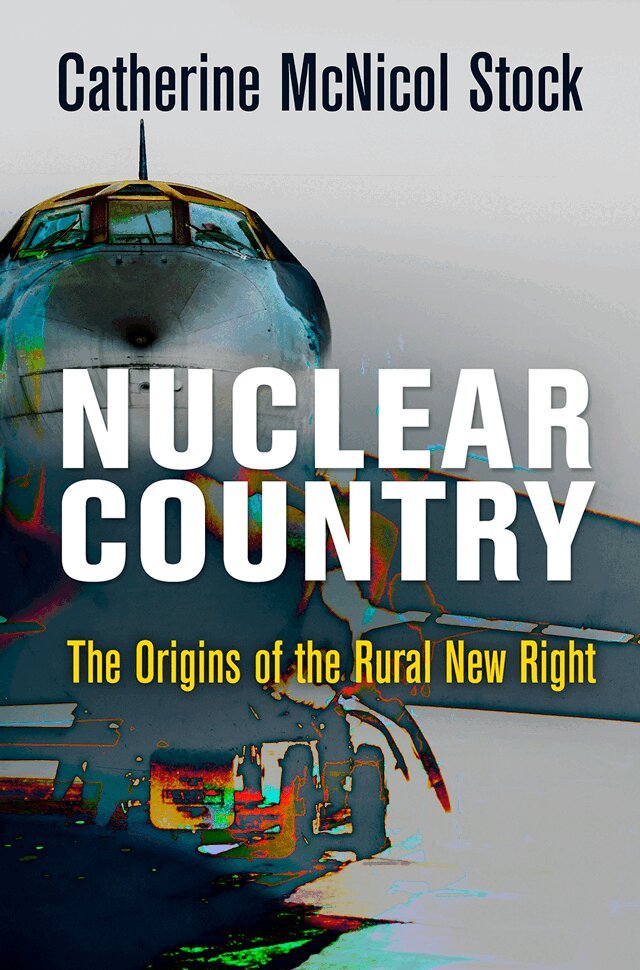
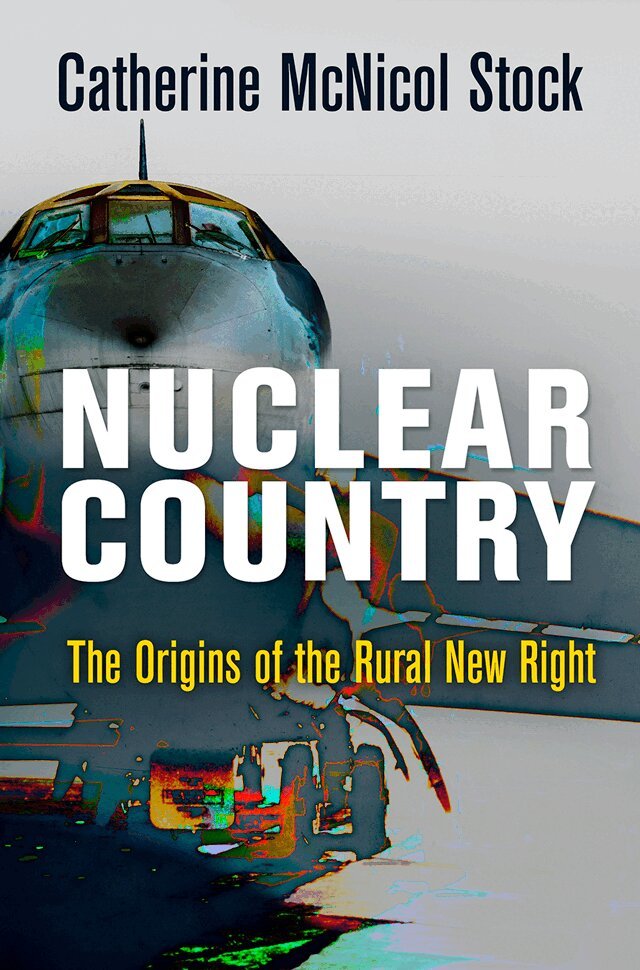
Militarization and nuclearization were the historical developments most essential to the creation of the rural New RightBoth North Dakota and South Dakota have long been among the most reliably Republican states in the nation: in the past century, voters have only chosen two Democrats, Franklin Roosevelt and Lyndon B. Johnson, and in 2016 both states preferred Donald Trump by over thirty points. Yet in the decades before World War II, the people of the Northern Plains were not universally politically conservative. Instead, many Dakotans, including Republicans, supported experiments in agrarian democracy that incorporated ideas from populism and progressivism to socialism and communism and fought against "bigness" in all its forms, including "bonanza" farms, out-of-state railroads, corporations, banks, corrupt political parties, and distant federal bureaucracies—but also, surprisingly, the culture of militarism and the expansion of American military power abroad.In Nuclear Country, Catherine McNicol Stock explores the question of why, between 1968 and 1992, most voters in the Dakotas abandoned their distinctive ideological heritage and came to embrace the conservatism of the New Right. Stock focuses on how this transformation coincided with the coming of the military and national security states to the countryside via the placement of military bases and nuclear missile silos on the Northern Plains. This militarization influenced regional political culture by reinforcing or re-contextualizing long-standing local ideas and practices, particularly when the people of the plains found that they shared culturally conservative values with the military. After adopting the first two planks of the New Right—national defense and conservative social ideas—Dakotans endorsed the third plank of New Right ideology, fiscal conservativism. Ultimately, Stock contends that militarization and nuclearization were the historical developments most essential to the creation of the rural New Right throughout the United States, and that their impact can best be seen in this often-overlooked region's history.
282 kr
Skickas inom 10-15 vardagar
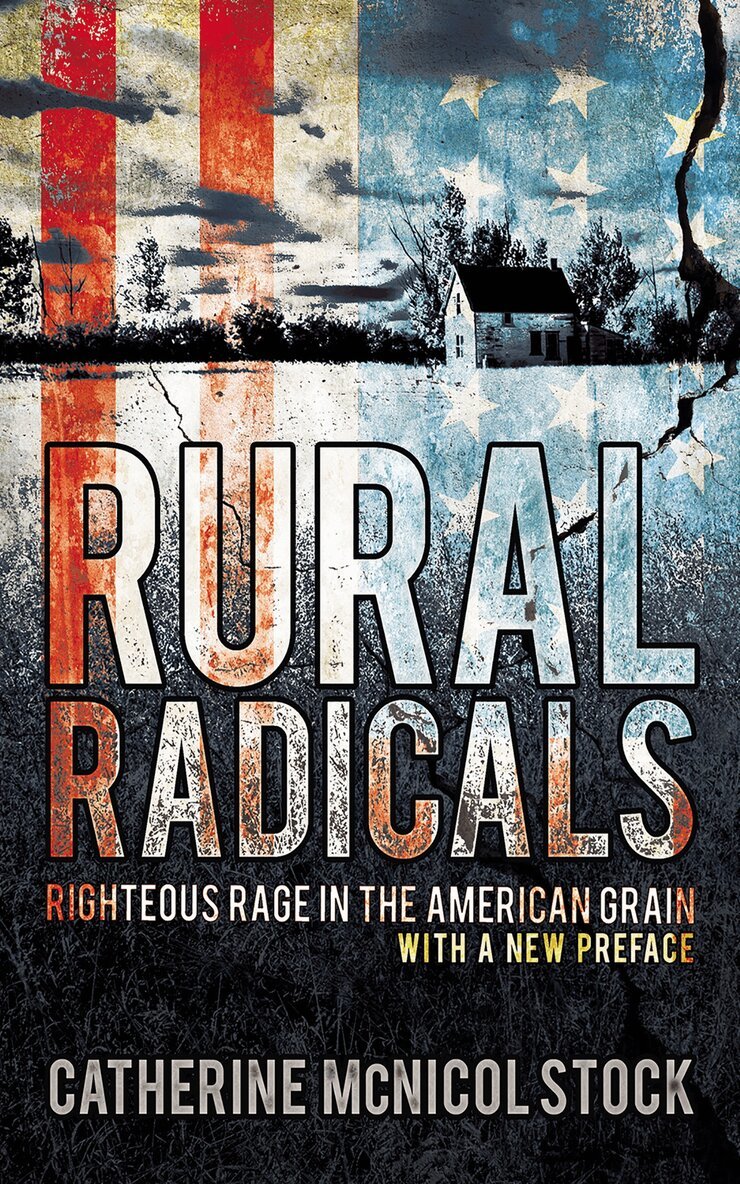
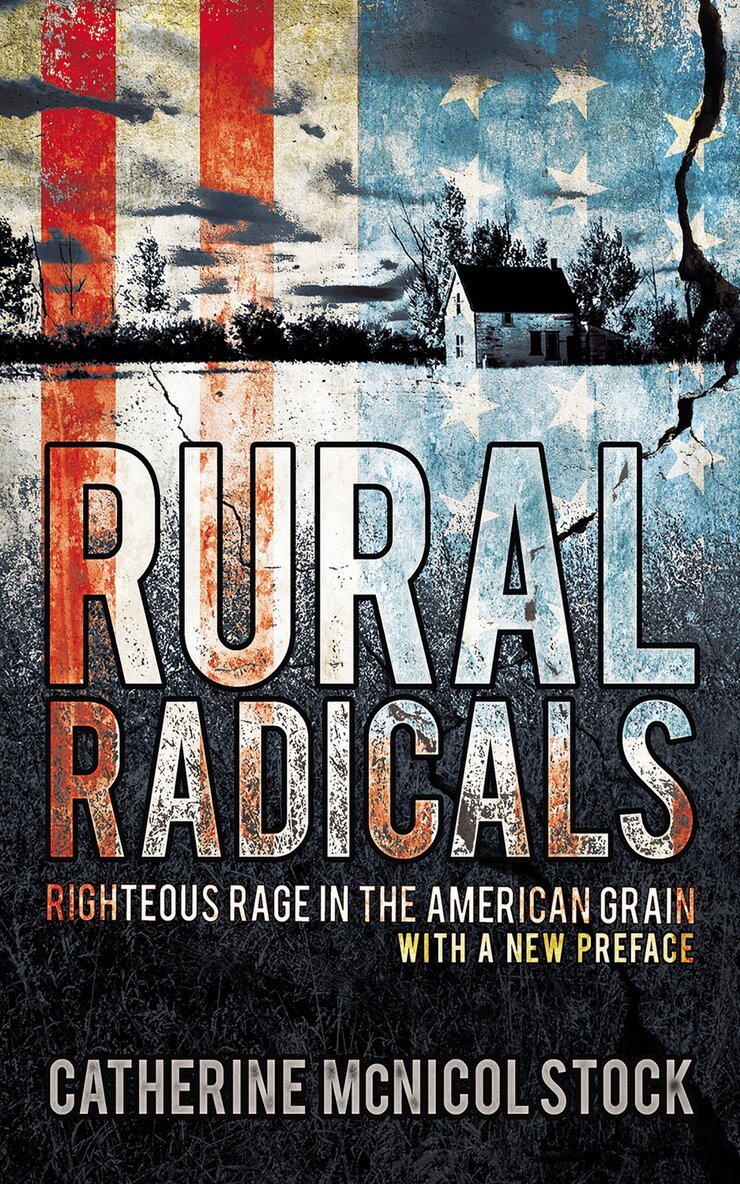
Through its history, populism has meant hope and progress, as well as hate and a desire to turn back the clock on American history. In her new preface, Catherine McNicol Stock provides an update and overview of the conservative face of rural America. She paints a comprehensive portrait of a long line of rural activists whose crusades against big government, bug business, and big banks sometimes spoke in a language of progressive populism and sometimes in a language of hate and bigotry. Rural Radicals breaks down the populism expressed by activists, confronts our conventional notions of right and left, and allows us to understand political factionalism differently.
557 kr
Skickas inom 10-15 vardagar
Through its history, populism has meant hope and progress, as well as hate and a desire to turn back the clock on American history. In her new preface, Catherine McNicol Stock provides an update and overview of the conservative face of rural America. She paints a comprehensive portrait of a long line of rural activists whose crusades against big government, bug business, and big banks sometimes spoke in a language of progressive populism and sometimes in a language of hate and bigotry. Rural Radicals breaks down the populism expressed by activists, confronts our conventional notions of right and left, and allows us to understand political factionalism differently.
373 kr
Skickas inom 7-10 vardagar
Militarization and nuclearization were the historical developments most essential to the creation of the rural New RightBoth North Dakota and South Dakota have long been among the most reliably Republican states in the nation: in the past century, voters have only chosen two Democrats, Franklin Roosevelt and Lyndon B. Johnson, and in 2016 both states preferred Donald Trump by over thirty points. Yet in the decades before World War II, the people of the Northern Plains were not universally politically conservative. Instead, many Dakotans, including Republicans, supported experiments in agrarian democracy that incorporated ideas from populism and progressivism to socialism and communism and fought against "bigness" in all its forms, including "bonanza" farms, out-of-state railroads, corporations, banks, corrupt political parties, and distant federal bureaucracies—but also, surprisingly, the culture of militarism and the expansion of American military power abroad.In Nuclear Country, Catherine McNicol Stock explores the question of why, between 1968 and 1992, most voters in the Dakotas abandoned their distinctive ideological heritage and came to embrace the conservatism of the New Right. Stock focuses on how this transformation coincided with the coming of the military and national security states to the countryside via the placement of military bases and nuclear missile silos on the Northern Plains. This militarization influenced regional political culture by reinforcing or re-contextualizing long-standing local ideas and practices, particularly when the people of the plains found that they shared culturally conservative values with the military. After adopting the first two planks of the New Right—national defense and conservative social ideas—Dakotans endorsed the third plank of New Right ideology, fiscal conservativism. Ultimately, Stock contends that militarization and nuclearization were the historical developments most essential to the creation of the rural New Right throughout the United States, and that their impact can best be seen in this often-overlooked region's history.