Cathy Rex - Böcker
Visar alla böcker från författaren Cathy Rex. Handla med fri frakt och snabb leverans.
4 produkter
4 produkter
2 159 kr
Skickas inom 10-15 vardagar
This book addresses the interconnected issues of public memory, race, and heritage tourism, exploring the ways in which historical tourism shapes collective understandings of America’s earliest engagements with race.It includes contributions from a diverse group of humanities scholars, including early Americanists, and scholars from communication, English, museum studies, historic preservation, art and architecture, Native American studies, and history. Through eight chapters, the collection offers varied perspectives and original analyses of memory-making and re-making through travel to early American sites, bringing needed attention to the considerable role that tourism plays in producing—and possibly unsettling—racialized memories about America’s past. The book is an interdisciplinary effort that analyses lesser-known sites of historical and racial significance throughout North America and the Caribbean (up to about 1830) to unpack the relationship between leisure travel, processes of collective remembering or forgetting, and the connections of tourist sites to colonialism, slavery, genocide, and oppression.Public Memory, Race, and Heritage Tourism of Early America provides a deconstruction of the touristic experience with racism, slavery, and the Indigenous experience in America that will appeal to students and academics in the social sciences and humanities.The introductory chapter and chapter 3 of this book are freely available as a downloadable Open Access PDF at http://www.taylorfrancis.com under a Creative Commons [Attribution-Non Commercial-No Derivatives (CC-BY-NC-ND)] 4.0 license.
632 kr
Skickas inom 10-15 vardagar
This book addresses the interconnected issues of public memory, race, and heritage tourism, exploring the ways in which historical tourism shapes collective understandings of America’s earliest engagements with race.It includes contributions from a diverse group of humanities scholars, including early Americanists, and scholars from communication, English, museum studies, historic preservation, art and architecture, Native American studies, and history. Through eight chapters, the collection offers varied perspectives and original analyses of memory-making and re-making through travel to early American sites, bringing needed attention to the considerable role that tourism plays in producing—and possibly unsettling—racialized memories about America’s past. The book is an interdisciplinary effort that analyses lesser-known sites of historical and racial significance throughout North America and the Caribbean (up to about 1830) to unpack the relationship between leisure travel, processes of collective remembering or forgetting, and the connections of tourist sites to colonialism, slavery, genocide, and oppression.Public Memory, Race, and Heritage Tourism of Early America provides a deconstruction of the touristic experience with racism, slavery, and the Indigenous experience in America that will appeal to students and academics in the social sciences and humanities.The introductory chapter and chapter 3 of this book are freely available as a downloadable Open Access PDF at http://www.taylorfrancis.com under a Creative Commons [Attribution-Non Commercial-No Derivatives (CC-BY-NC-ND)] 4.0 license.
395 kr
Skickas inom 10-15 vardagar
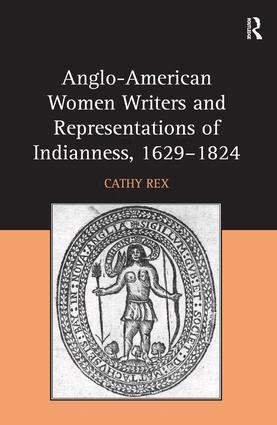
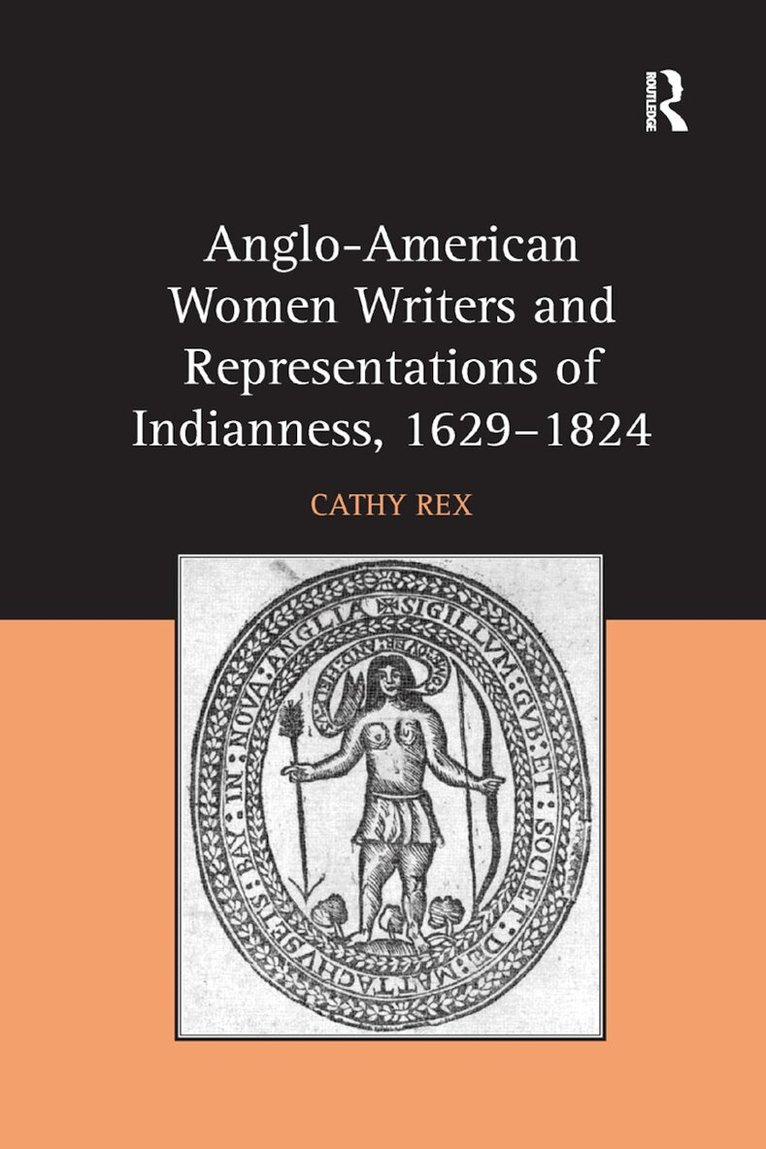
Examining the appropriations and revisions of Indian identity first carried out by Anglo-American engravers and later by early Anglo-American women writers, Cathy Rex shows the ways in which iconic images of Native figures inform not only an emerging colonial/early republican American identity but also the authorial identity of white women writers. Women such as Mary Rowlandson, Ann Eliza Bleecker, Lydia Maria Child, and the pseudonymous Unca Eliza Winkfield of The Female American, Rex argues, co-opted and revised images of Indianness such as those found in the Massachusetts Bay Colony seal and the numerous variations of Pocahontas’s image based on Simon Van de Passe’s original 1616 engraving. Doing so allowed them to posit their own identities and presumed superiority as American women writers. Sometimes ugly, occasionally problematic, and often patently racist, the Indian writings of these women nevertheless question the masculinist and Eurocentric discourses governing an American identity that has always had Indianness at its core. Rather than treating early American images and icons as ancillary to literary works, Rex places them in conversation with one another, suggesting that these well-known narratives and images are mutually constitutive. The result is a new, more textually inclusive perspective on the field of early American studies.
1 046 kr
Skickas inom 10-15 vardagar
Examining the appropriations and revisions of Indian identity first carried out by Anglo-American engravers and later by early Anglo-American women writers, Cathy Rex shows the ways in which iconic images of Native figures inform not only an emerging colonial/early republican American identity but also the authorial identity of white women writers. Women such as Mary Rowlandson, Ann Eliza Bleecker, Lydia Maria Child, and the pseudonymous Unca Eliza Winkfield of The Female American, Rex argues, co-opted and revised images of Indianness such as those found in the Massachusetts Bay Colony seal and the numerous variations of Pocahontas’s image based on Simon Van de Passe’s original 1616 engraving. Doing so allowed them to posit their own identities and presumed superiority as American women writers. Sometimes ugly, occasionally problematic, and often patently racist, the Indian writings of these women nevertheless question the masculinist and Eurocentric discourses governing an American identity that has always had Indianness at its core. Rather than treating early American images and icons as ancillary to literary works, Rex places them in conversation with one another, suggesting that these well-known narratives and images are mutually constitutive. The result is a new, more textually inclusive perspective on the field of early American studies.