Centre for Contemporary Cultural Studies - Böcker
Visar alla böcker från författaren Centre for Contemporary Cultural Studies. Handla med fri frakt och snabb leverans.
4 produkter
4 produkter
451 kr
Skickas inom 10-15 vardagar
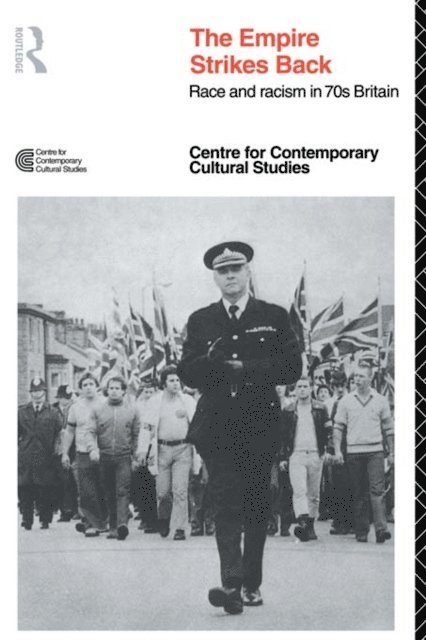
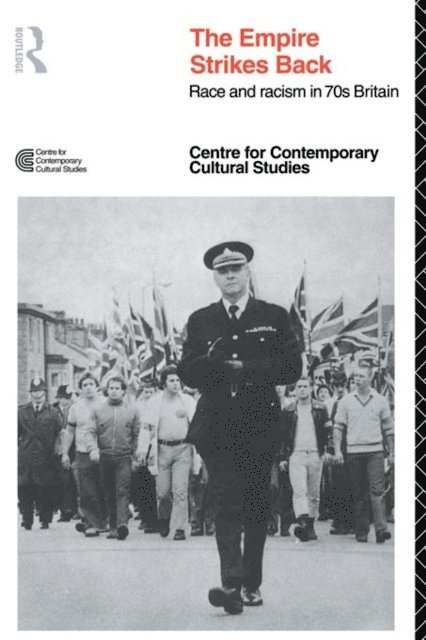
First Published in 1982. The Empire Strikes Back examines the place of 'race' and racism in the political transformation of Britain at the end of the seventies, and argues that Britain has entered a longterm political and economic crisis which has brought new urgency to the politics of race and nation. The authors explore the elements of a new, culturally focused racism which, in representations of black families, stresses their alienness and the supposed criminal inclinations of the black population. They argue that the British state is very far from its popular image as a liberal democracy, and that all our notions of culture, nation and class are based on deeply racist structures. Key areas of state intervention such as schooling, policing and policy-oriented 'race relations' research are analysed to demonstrate that a definition of the growing crisis in the economy and social services is emerging, which shifts the focus of blame on to black people. The authors argue that existing race relations theory has significantly failed to deal adequately with the British situation. In particular, the experience of black women and the political organization of young black people raises major problems for race-blind feminism and Eurocentric Marxism alike. In conclusion, the book assesses the political relation of race to class, and suggests that any long-term struggle against racism must begin by recognizing the autonomy of black struggles at all levels of British society.
1 742 kr
Skickas inom 10-15 vardagar
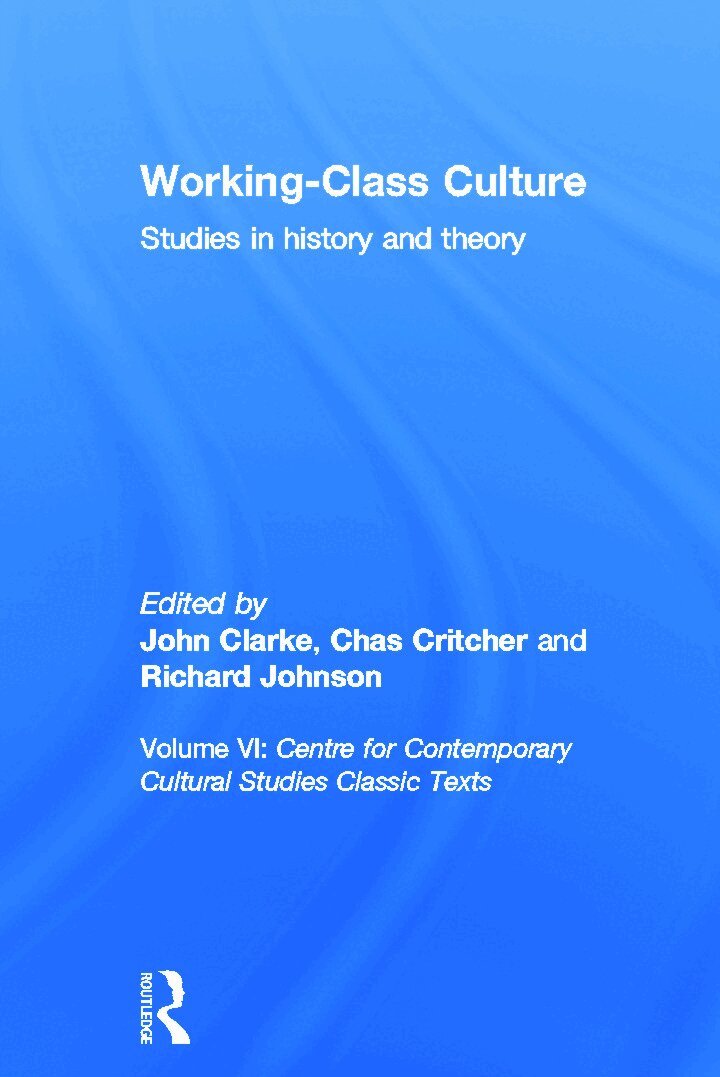
First published in 2013. How can we define working class culture? Since the late 1950s, the term has become more complex, because of both social changes and intense debates about the meaning of ‘culture’. Through this collection of original case studies and theoretical essays, the authors explore some central problems in the field. The first part of the book provides a unique critical review of existing literature, focusing on two main traditions of writing about the working class. Examining the empirical sociology tradition, the authors analyse a group of books from the post-war debate about affluence and its immediate aftermath. In looking at the related tradition of working class historiography, they examine the origins of social and labour history from the 1880s up to the 1960s, and conclude by discussing some of the dilemmas of history writing in the 1970s. Part two is a series of case studies which span the whole period that a working class has existed, with emphasis on the late nineteenth and twentieth centuries, and which examine the most important spheres of working class life: politics, education, youth, recreation, waged and domestic labour. Part three returns to some of the problems raised in part one, considering three main ways in which working class culture can be understood, through the problematics of ‘consciousness’, ‘culture’ or ‘ideology’, and examining the strengths and weaknesses of each approach. The authors argue for a more fruitful and developed way of thinking about working class culture, and suggest some guidelines for a history of the post-war working class.
646 kr
Skickas inom 10-15 vardagar
First published in 2013. How can we define working class culture? Since the late 1950s, the term has become more complex, because of both social changes and intense debates about the meaning of ‘culture’. Through this collection of original case studies and theoretical essays, the authors explore some central problems in the field. The first part of the book provides a unique critical review of existing literature, focusing on two main traditions of writing about the working class. Examining the empirical sociology tradition, the authors analyse a group of books from the post-war debate about affluence and its immediate aftermath. In looking at the related tradition of working class historiography, they examine the origins of social and labour history from the 1880s up to the 1960s, and conclude by discussing some of the dilemmas of history writing in the 1970s. Part two is a series of case studies which span the whole period that a working class has existed, with emphasis on the late nineteenth and twentieth centuries, and which examine the most important spheres of working class life: politics, education, youth, recreation, waged and domestic labour. Part three returns to some of the problems raised in part one, considering three main ways in which working class culture can be understood, through the problematics of ‘consciousness’, ‘culture’ or ‘ideology’, and examining the strengths and weaknesses of each approach. The authors argue for a more fruitful and developed way of thinking about working class culture, and suggest some guidelines for a history of the post-war working class.
1 692 kr
Skickas inom 10-15 vardagar
First Published in 1982. The Empire Strikes Back examines the place of 'race' and racism in the political transformation of Britain at the end of the seventies, and argues that Britain has entered a longterm political and economic crisis which has brought new urgency to the politics of race and nation. The authors explore the elements of a new, culturally focused racism which, in representations of black families, stresses their alienness and the supposed criminal inclinations of the black population. They argue that the British state is very far from its popular image as a liberal democracy, and that all our notions of culture, nation and class are based on deeply racist structures. Key areas of state intervention such as schooling, policing and policy-oriented 'race relations' research are analysed to demonstrate that a definition of the growing crisis in the economy and social services is emerging, which shifts the focus of blame on to black people. The authors argue that existing race relations theory has significantly failed to deal adequately with the British situation. In particular, the experience of black women and the political organization of young black people raises major problems for race-blind feminism and Eurocentric Marxism alike. In conclusion, the book assesses the political relation of race to class, and suggests that any long-term struggle against racism must begin by recognizing the autonomy of black struggles at all levels of British society.