Chad Engelland – författare
Visar alla böcker från författaren Chad Engelland. Handla med fri frakt och snabb leverans.
24 produkter
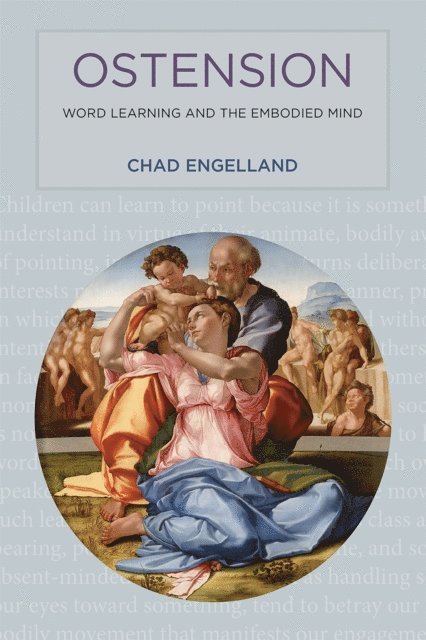
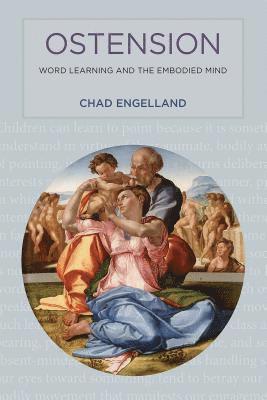
Ostension
E-bok, 2014
519 kr
Lägg i varukorg
An examination of the role of ostension—the bodily manifestation of intention—-in word learning, and an investigation of the philosophical puzzles it poses. Ostension is bodily movement that manifests our engagement with things, whether we wish it to or not. Gestures, glances, facial expressions: …
Phenomenology
Häftad, 2020
215 kr
Lägg i varukorg
A concise and accessible introduction to phenomenology, which investigates the experience of experience.This volume in the MIT Press Essential Knowledge series offers a concise and accessible introduction to phenomenology, a philosophical movement that investigates the experience of experience. …
Language and Phenomenology
Inbunden, 2020
2510 kr
Lägg i varukorg
At first blush, phenomenology seems to be concerned preeminently with questions of knowledge, truth, and perception, and yet closer inspection reveals that the analyses of these phenomena remain bound up with language and that consequently phenomenology is, inextricably, a philosophy of language. …
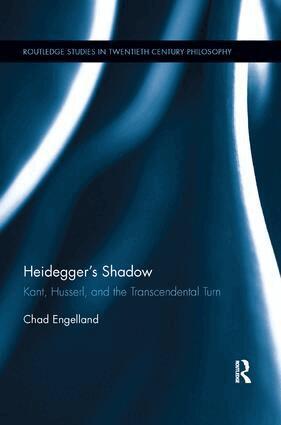
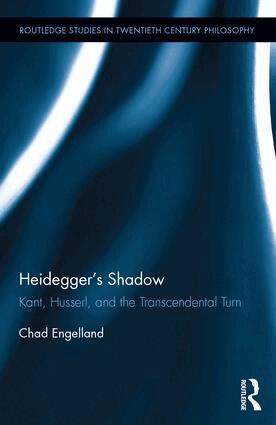
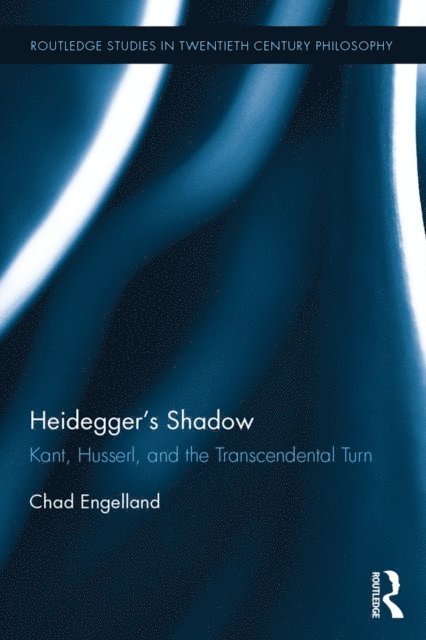
Heidegger's Shadow
Kant, Husserl, and the Transcendental Turn
Häftad, 2019
735 kr
Lägg i varukorg
Heidegger’s Shadow is an important contribution to the understanding of Heidegger’s ambivalent relation to transcendental philosophy. Its contention is that Heidegger recognizes the importance of transcendental philosophy as the necessary point of entry to his thought, but he nonetheless comes to …
Language and Phenomenology
Häftad, 2023
647 kr
Lägg i varukorg
At first blush, phenomenology seems to be concerned preeminently with questions of knowledge, truth, and perception, and yet closer inspection reveals that the analyses of these phenomena remain bound up with language and that consequently phenomenology is, inextricably, a philosophy of language. …
Language and Phenomenology
E-bok, 2020
762 kr
Lägg i varukorg
At first blush, phenomenology seems to be concerned preeminently with questions of knowledge, truth, and perception, and yet closer inspection reveals that the analyses of these phenomena remain bound up with language and that consequently phenomenology is, inextricably, a philosophy of language. …
Language and Phenomenology
E-bok, 2020
746 kr
Lägg i varukorg
At first blush, phenomenology seems to be concerned preeminently with questions of knowledge, truth, and perception, and yet closer inspection reveals that the analyses of these phenomena remain bound up with language and that consequently phenomenology is, inextricably, a philosophy of language. …
Heidegger on Transcendence
Inbunden, 2025
829 kr
Lägg i varukorg
Heidegger on Transcendence maps the deep ambivalences that attend Heidegger's lasting commitment to the transcendental tradition, construed here broadly to include not only phenomenological but also modern, medieval, and ancient predecessors. It defends Heidegger's commitment by explicating the …
Heidegger on Transcendence
Häftad, 2025
292 kr
Lägg i varukorg
Heidegger on Transcendence maps the deep ambivalences that attend Heidegger's lasting commitment to the transcendental tradition, construed here broadly to include not only phenomenological but also modern, medieval, and ancient predecessors. It defends Heidegger's commitment by explicating the …
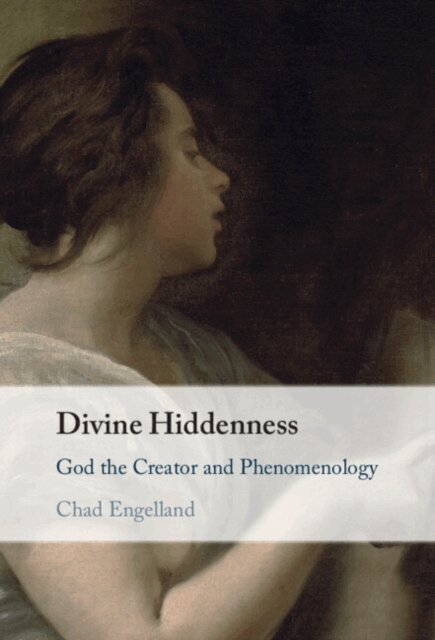
Divine Hiddenness
God the Creator and Phenomenology
Häftad, 2026
517 kr
Lägg i varukorg
Why is God hidden? How might God be pointed out? In this timely study, Chad Engelland provides an original and compelling account of why God the creator is naturally hidden and how God can be intended. Drawing on phenomenology, philosophy of language, and medieval thought, he explores these …
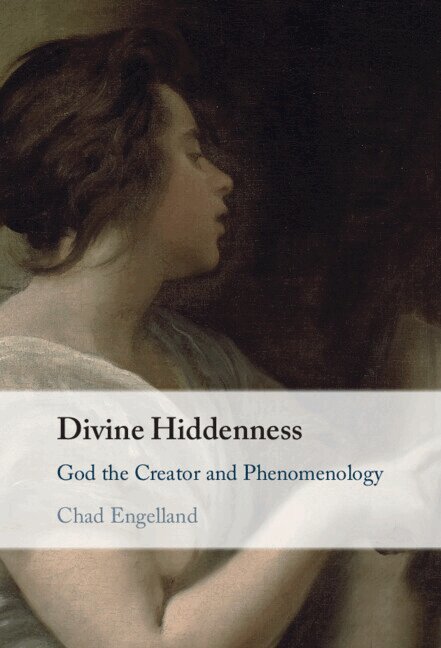
Divine Hiddenness
God the Creator and Phenomenology
Inbunden, 2026
1563 kr
Lägg i varukorg
Why is God hidden? How might God be pointed out? In this timely study, Chad Engelland provides an original and compelling account of why God the creator is naturally hidden and how God can be intended. Drawing on phenomenology, philosophy of language, and medieval thought, he explores these …
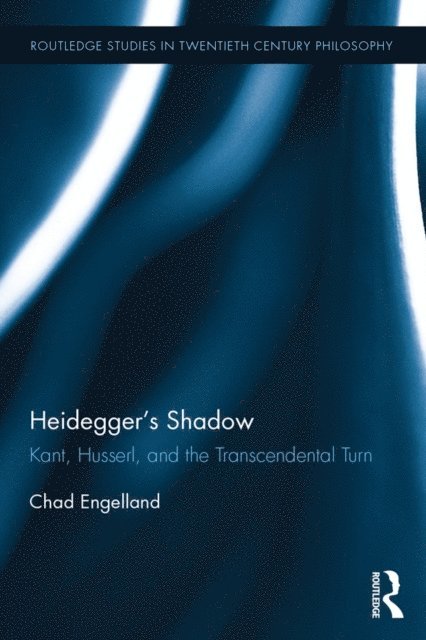
Heidegger's Shadow
Kant, Husserl, and the Transcendental Turn
Inbunden, 2017
2743 kr
Lägg i varukorg
Heidegger’s Shadow is an important contribution to the understanding of Heidegger’s ambivalent relation to transcendental philosophy. Its contention is that Heidegger recognizes the importance of transcendental philosophy as the necessary point of entry to his thought, but he nonetheless comes to …
Heidegger's Shadow
Kant, Husserl, and the Transcendental Turn
E-bok, 2017
779 kr
Lägg i varukorg
Heidegger’s Shadow is an important contribution to the understanding of Heidegger’s ambivalent relation to transcendental philosophy. Its contention is that Heidegger recognizes the importance of transcendental philosophy as the necessary point of entry to his thought, but he nonetheless comes …
Heidegger's Shadow
Kant, Husserl, and the Transcendental Turn
E-bok, 2017
779 kr
Lägg i varukorg
Heidegger’s Shadow is an important contribution to the understanding of Heidegger’s ambivalent relation to transcendental philosophy. Its contention is that Heidegger recognizes the importance of transcendental philosophy as the necessary point of entry to his thought, but he nonetheless comes …
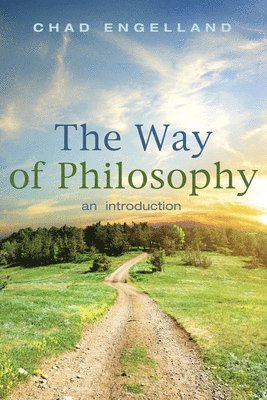
Way of Philosophy
An Introduction
E-bok, 2016
272 kr
Lägg i varukorg
Philosophy is the quest for a life that is fully alive. Drawing on the insights of philosophers through the ages, The Way of Philosophy clarifies what it means to live life intensely. It exposes the shallowness of conventional wisdom by asking such questions as-Can science know everything?-Should …