Changdong Zhang - Böcker
Visar alla böcker från författaren Changdong Zhang. Handla med fri frakt och snabb leverans.
4 produkter
4 produkter
474 kr
Skickas inom 7-10 vardagar
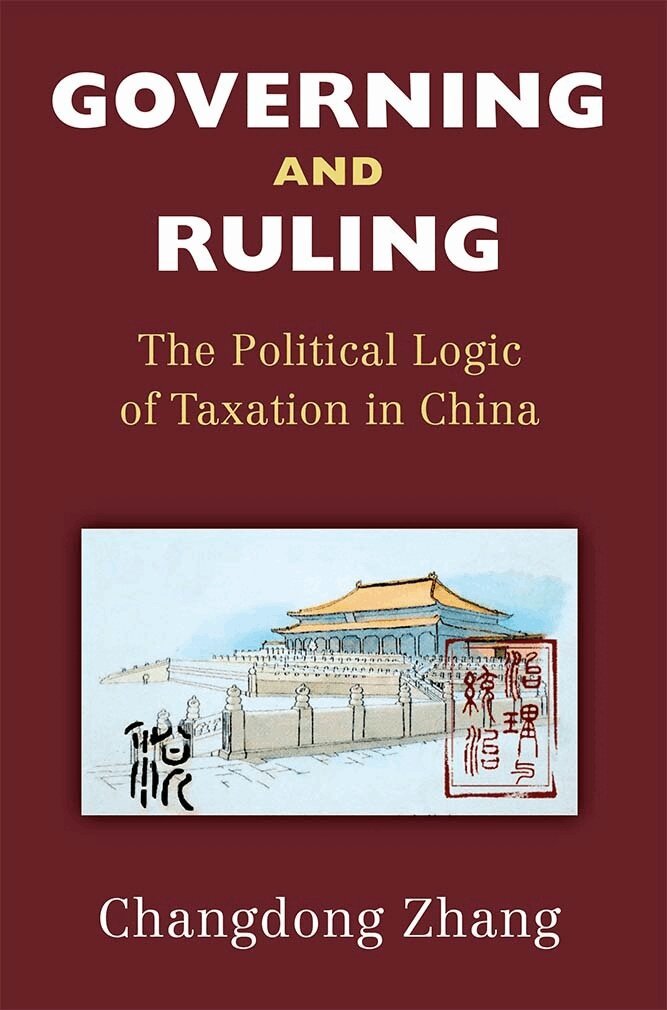
Rapid social economic changes, the transition from a planned economy to a market economy, or even economic liberalization can lead to political instability and the collapse of authoritarian regimes. Despite experiencing all of these unprecedented changes in the past forty years, China under the Chinese Communist Party’s leadership has so far successfully transformed and improved both its governance capacity and its ruling capacity. Governing and Ruling addresses this regime resilience puzzle by examining the political logic of its taxation system, especially the ways in which taxation helps China handle three governance problems: maneuvering social control, improving agent discipline, and eliciting cooperation. Changdong Zhang argues that a taxation system plays an important role in sustaining authoritarian rule, in China and elsewhere, by combining co-optation and repression functions. The book collects valuable firsthand and secondhand data; studies China’s taxation system, intergovernmental fiscal relationships, composition of fiscal revenue sources, and tax administration; and discusses how each dimension influences the three governance problems.
1 123 kr
Skickas inom 7-10 vardagar
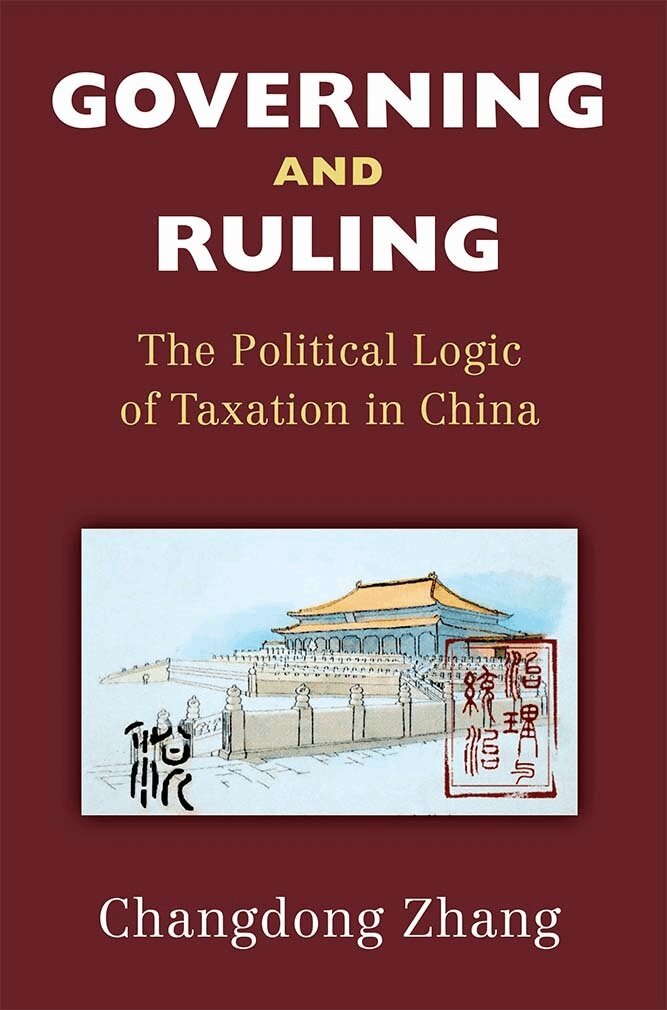
Rapid social economic changes, the transition from a planned economy to a market economy, or even economic liberalization can lead to political instability and the collapse of authoritarian regimes. Despite experiencing all of these unprecedented changes in the past forty years, China under the Chinese Communist Party’s leadership has so far successfully transformed and improved both its governance capacity and its ruling capacity. Governing and Ruling addresses this regime resilience puzzle by examining the political logic of its taxation system, especially the ways in which taxation helps China handle three governance problems: maneuvering social control, improving agent discipline, and eliciting cooperation. Changdong Zhang argues that a taxation system plays an important role in sustaining authoritarian rule, in China and elsewhere, by combining co-optation and repression functions. The book collects valuable firsthand and secondhand data; studies China’s taxation system, intergovernmental fiscal relationships, composition of fiscal revenue sources, and tax administration; and discusses how each dimension influences the three governance problems.
215 kr
Skickas inom 7-10 vardagar
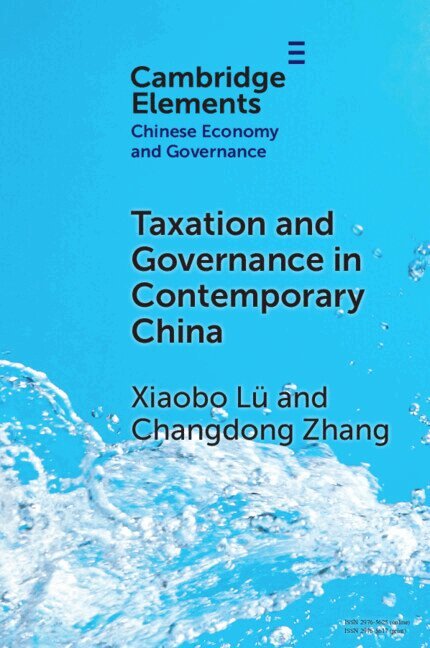
In contrast to the drastic shifts in China's political landscape and society since 2012, taxation may appear as a comparatively mundane topic receiving limited attention. However, the relative stability in China's taxation system underscores its delicate role in maintaining a balance in state-society relations. The Element embarks on an exploration of China's intricate taxation system in the contemporary era, illuminating its origins and the profound reverberations on state-society relations. It shows that China's reliance on indirect taxation stems from the legacies of transitioning from a planned economy to a market-driven one as well as elaborate fiscal bargaining between the central and local governments. This strategy inadvertently heightens Chinese citizens' sensitivity to direct taxation and engenders the tragedy of the commons, leading to rising government debts and collusion by local governments and businesses that results in land expropriation, labor disputes, and environmental degradation.
692 kr
Skickas inom 7-10 vardagar
In contrast to the drastic shifts in China's political landscape and society since 2012, taxation may appear as a comparatively mundane topic receiving limited attention. However, the relative stability in China's taxation system underscores its delicate role in maintaining a balance in state-society relations. The Element embarks on an exploration of China's intricate taxation system in the contemporary era, illuminating its origins and the profound reverberations on state-society relations. It shows that China's reliance on indirect taxation stems from the legacies of transitioning from a planned economy to a market-driven one as well as elaborate fiscal bargaining between the central and local governments. This strategy inadvertently heightens Chinese citizens' sensitivity to direct taxation and engenders the tragedy of the commons, leading to rising government debts and collusion by local governments and businesses that results in land expropriation, labor disputes, and environmental degradation.