Charles R. Menzies - Böcker
Visar alla böcker från författaren Charles R. Menzies. Handla med fri frakt och snabb leverans.
5 produkter
5 produkter
547 kr
Skickas inom 3-6 vardagar
Traditional Ecological Knowledge and Natural Resource Management examines how traditional ecological knowledge (TEK) is taught and practiced today among Native communities. Of special interest is the complex relationship between indigenous ecological practices and other ways of interacting with the environment, particularly regional and national programs of natural resource management. Focusing primarily on the northwest coast of North America, scholars look at the challenges and opportunities confronting the local practice of indigenous ecological knowledge in a range of communities, including the Tsimshian, the Nisga'a, the Tlingit, the Gitksan, the Kwagult, the Sto:lo, and the northern Dene in the Yukon. The experts consider how traditional knowledge is taught and learned and address the cultural importance of different subsistence practices using natural elements such as seaweed (Gitga'a), pine mushrooms (Tsimshian), and salmon (Tlingit). Several contributors discuss the extent to which national and regional programs of resource management need to include models of TEK in their planning and execution.This volume highlights the different ways of seeing and engaging with the natural world and underscores the need to acknowledge and honor the ways that indigenous peoples have done so for generations.
261 kr
Skickas inom 10-15 vardagar
Traditional Ecological Knowledge and Natural Resource Management examines how traditional ecological knowledge (TEK) is taught and practiced today among Native communities. Of special interest is the complex relationship between indigenous ecological practices and other ways of interacting with the environment, particularly regional and national programs of natural resource management. Focusing primarily on the northwest coast of North America, scholars look at the challenges and opportunities confronting the local practice of indigenous ecological knowledge in a range of communities, including the Tsimshian, the Nisga'a, the Tlingit, the Gitksan, the Kwagult, the Sto:lo, and the northern Dene in the Yukon. The experts consider how traditional knowledge is taught and learned and address the cultural importance of different subsistence practices using natural elements such as seaweed (Gitga'a), pine mushrooms (Tsimshian), and salmon (Tlingit). Several contributors discuss the extent to which national and regional programs of resource management need to include models of TEK in their planning and execution.This volume highlights the different ways of seeing and engaging with the natural world and underscores the need to acknowledge and honor the ways that indigenous peoples have done so for generations.
503 kr
Skickas inom 10-15 vardagar
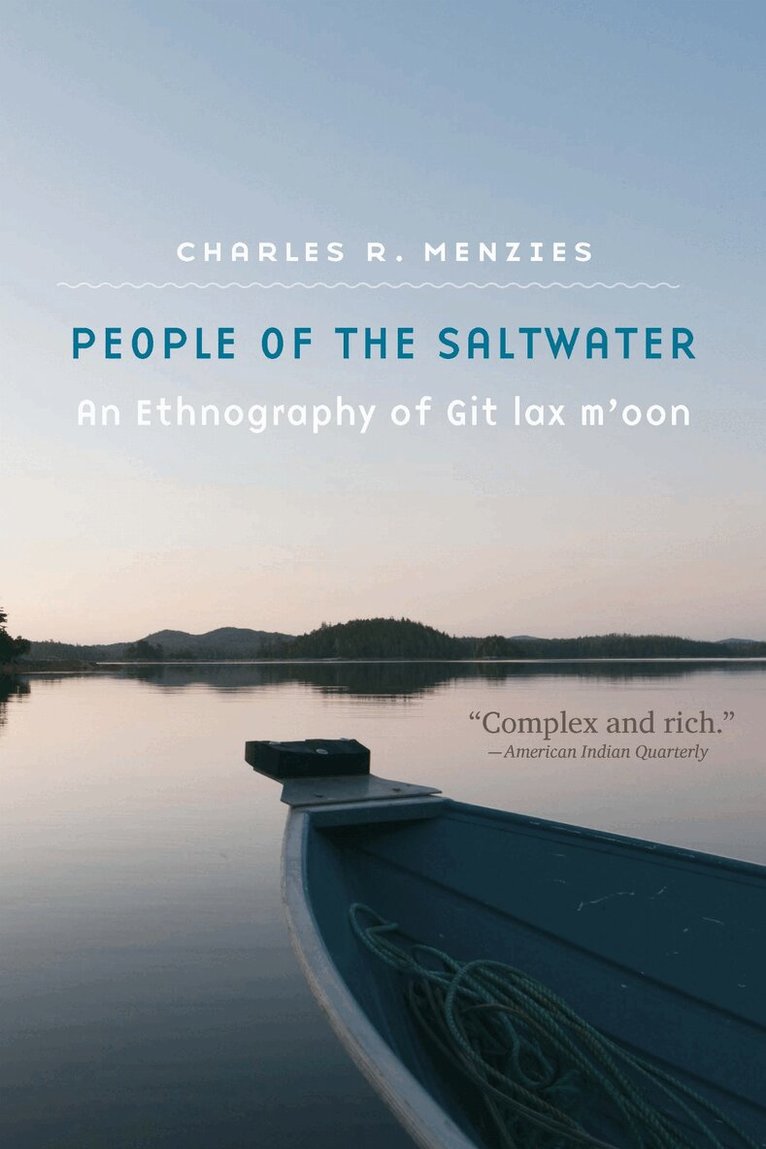
2017 Choice Outstanding Academic TitleIn People of the Saltwater, Charles R. Menzies explores the history of an ancient Tsimshian community, focusing on the people and their enduring place in the modern world. The Gitxaała Nation has called the rugged north coast of British Columbia home for millennia, proudly maintaining its territory and traditional way of life.People of the Saltwater first outlines the social and political relations that constitute Gitxaała society. Although these traditionalist relations have undergone change, they have endured through colonialism and the emergence of the industrial capitalist economy. It is of fundamental importance to this society to link its past to its present in all spheres of life, from its understanding of its hereditary leaders to the continuance of its ancient ceremonies.Menzies then turns to a discussion of an economy based on natural-resource extraction by examining fisheries and their central importance to the Gitxaałas’ cultural roots. Not only do these fisheries support the Gitxaała Nation economically, but they also serve as a source of distinct cultural identity. Menzies’s firsthand account describes the group’s place within cultural anthropology and the importance of its lifeways, traditions, and histories in nontraditional society today.
284 kr
Skickas inom 11-20 vardagar
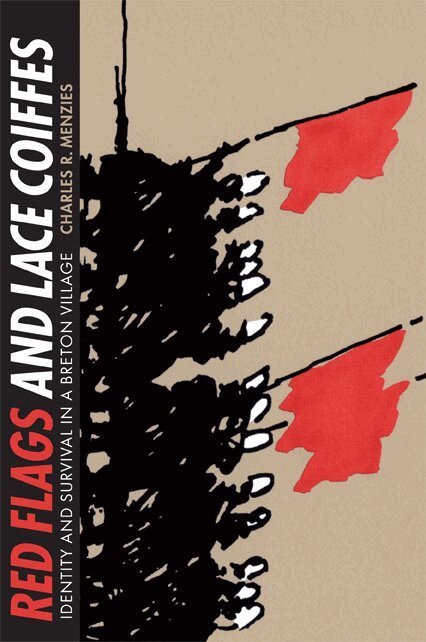
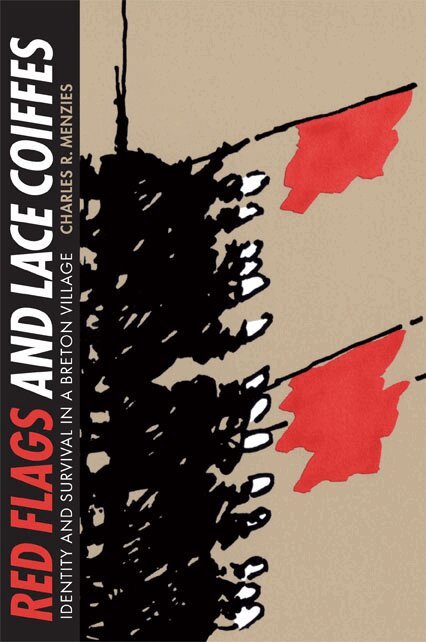
This book explores the question of why fishing communities continue their struggle to survive, despite often calamitous changes in ecology and economy. Using historical ethnography as a lens through which to understand how fishers of the Bigouden region of France and their families have reinvented themselves, Menzies argues that local identity plays an important role in their perseverance as global capitalist pressures continually force them to reorganize or disappear entirely. Touching on many concepts that are fundamental to anthropology-culture, identity, kinship, work, political economy, and globalization-and filled with personal stories and warmth, this ethnography will be a welcome teaching tool for instructors and an enticing read for students.
269 kr
Skickas inom 10-15 vardagar
2017 Choice Outstanding Academic TitleIn People of the Saltwater, Charles R. Menzies explores the history of an ancient Tsimshian community, focusing on the people and their enduring place in the modern world. The Gitxaała Nation has called the rugged north coast of British Columbia home for millennia, proudly maintaining its territory and traditional way of life.People of the Saltwater first outlines the social and political relations that constitute Gitxaała society. Although these traditionalist relations have undergone change, they have endured through colonialism and the emergence of the industrial capitalist economy. It is of fundamental importance to this society to link its past to its present in all spheres of life, from its understanding of its hereditary leaders to the continuance of its ancient ceremonies.Menzies then turns to a discussion of an economy based on natural-resource extraction by examining fisheries and their central importance to the Gitxaałas’ cultural roots. Not only do these fisheries support the Gitxaała Nation economically, but they also serve as a source of distinct cultural identity. Menzies’s firsthand account describes the group’s place within cultural anthropology and the importance of its lifeways, traditions, and histories in nontraditional society today.