Charles Scruggs - Böcker
Visar alla böcker från författaren Charles Scruggs. Handla med fri frakt och snabb leverans.
5 produkter
5 produkter
393 kr
Skickas inom 7-10 vardagar
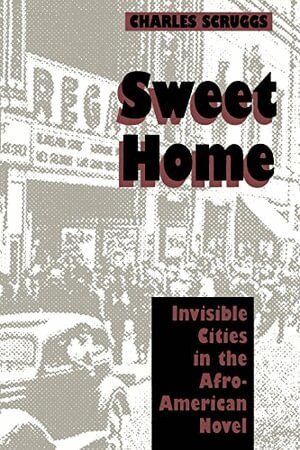
Scruggs begins by discussing the treatment of the Great Migration to the city in Afro-American writing from W.E.B. DuBois and Dunbar through the Harlem writers, establishing both the Harlem writers, establishing both the continuities and breaks between that tradition and that of the writers coming after the depression.
1 049 kr
Skickas inom 10-15 vardagar
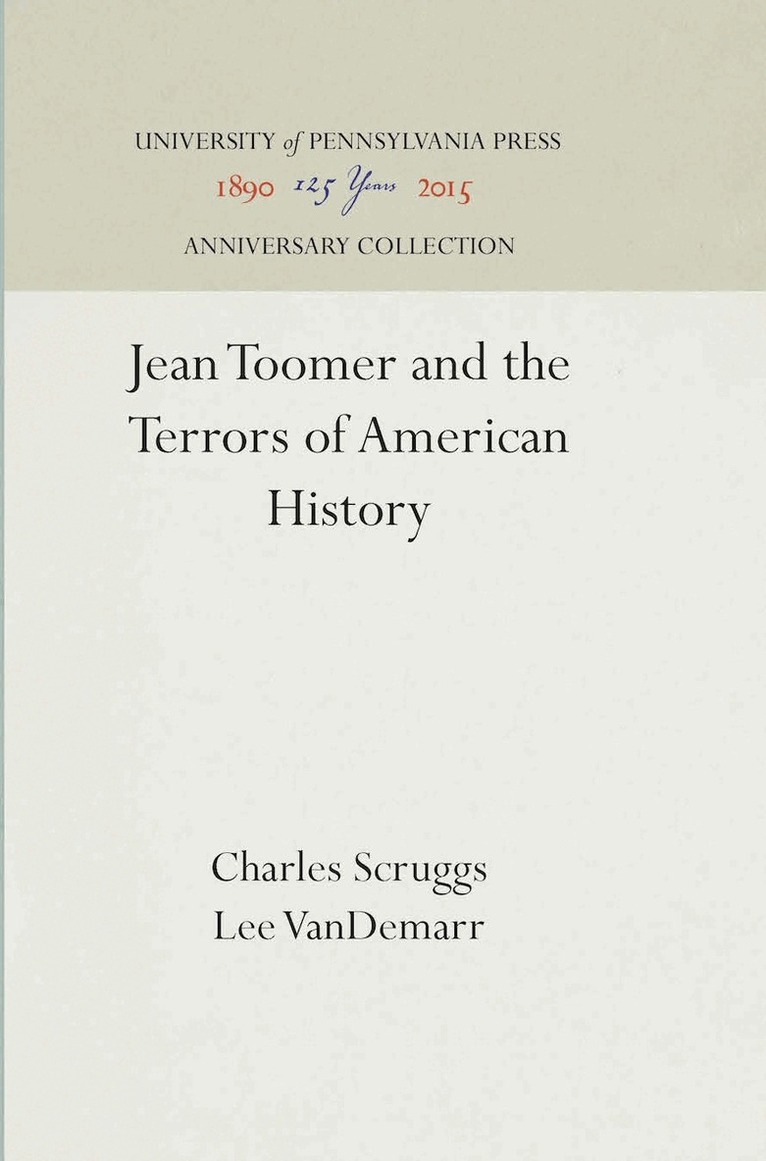
Jean Toomer's Cane was the first major text of the Harlem Renaissance and the first important modernist text by an African-American writer. It powerfully depicts the terror in the history of American race relations, a public world of lynchings, race riots, and Jim Crow, and a private world of internalized conflict over identity and race which mirrored struggles in the culture at large. Toomer's own life reflected that internal conflict, and he has been an ambiguous figure in literary history, an author who wrote a text that had a tremendous impact on African American authors but who eventually tried to distance himself from Cane and from his identification as a black writer.In Jean Toomer and the Terrors of American History, Charles Scruggs and Lee VanDemarr examine original sources-Toomer's rediscovered early writings on politics and race, his extensive correspondence with Waldo Frank, and unpublished portions of his autobiographies-to show how the cultural wars of the 1920s influenced the shaping of Toomer's book and his subsequent efforts to escape the racial definitions of American society. That those definitions remain crucial for American society even today is one reason Toomer's work continues to fascinate and to influence contemporary writers and readers.
405 kr
Skickas inom 7-10 vardagar
Originally published in 1984. The Sage in Harlem establishes H. L. Mencken as a catalyst for the blossoming of black literary culture in the 1920s and chronicles the intensely productive exchange of ideas between Mencken and two generations of black writers: the Old Guard who pioneered the Harlem Renaissance and the Young Wits who sought to reshape it a decade later. From his readings of unpublished letters and articles from black publications of the time, Charles Scruggs argues that black writers saw usefulness in Mencken's critique of American culture, his advocacy of literary realism, and his satire of America. They understood that realism could free them from the pernicious stereotypes that had hounded past efforts at honest portraiture, and that satire could be the means whereby the white man might be paid back in his own coin. Scruggs contends that the content of Mencken's observations, whether ludicrously narrow or dazzlingly astute, was of secondary importance to the Harlem intellectuals. It was the honesty, precision, and fearlessness of his expression that proved irresistible to a generation of artists desperate to be taken seriously. The writers of the Harlem Renaissance turned to Mencken as an uncompromising—and uncondescending—commentator whose criticisms were informed by deep interest in African American life but guided by the same standards he applied to all literature, whatever its source. The Sage in Harlem demonstrates how Mencken, through the example of his own work, his power as editor of the American Mercury, and his dedication to literary quality, was able to nurture the developing talents of black authors from James Weldon Johnson to Richard Wright.
1 200 kr
Skickas inom 7-10 vardagar
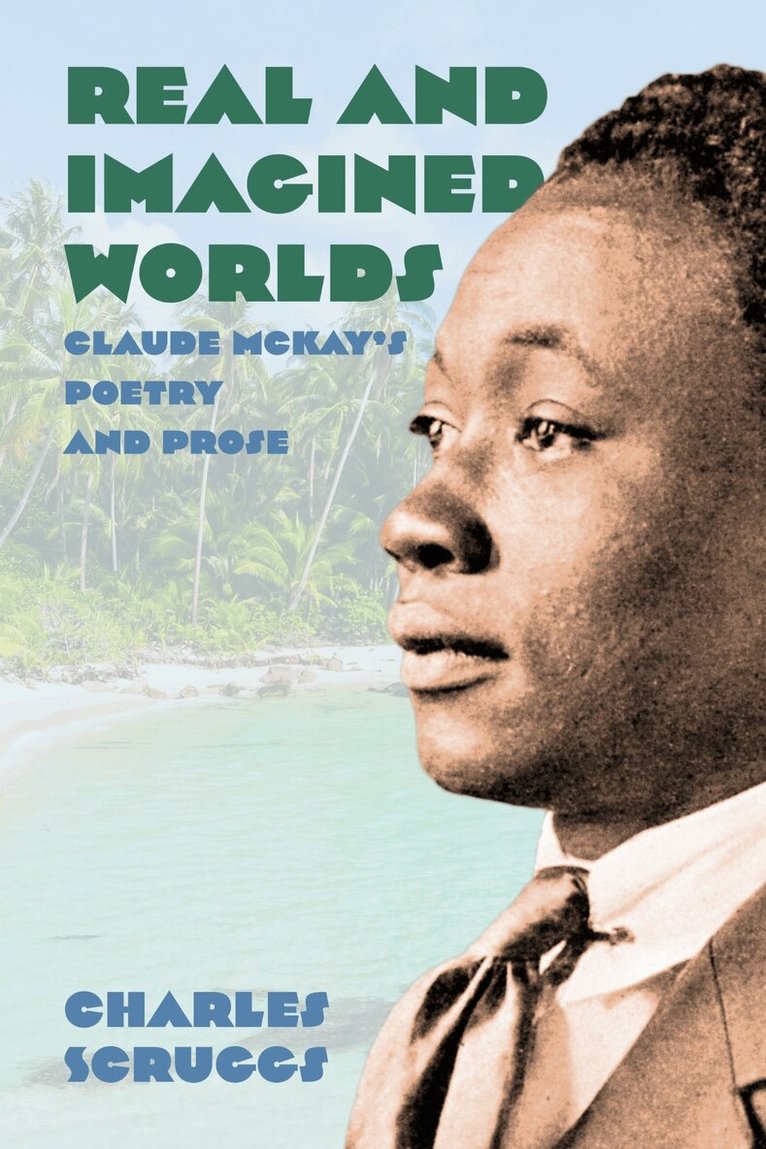
Claude McKay (1890-1948) was a versatile Jamaican American writer and poet and a central figure in the Harlem Renaissance. In addition to two autobiographies and a documentary study of Harlem, McKay wrote poetry, novels (Home to Harlem, Banana Bottom, Banjo, Harlem Glory, Amiable with Big Teeth—the latter portraying a dystopia that foreshadows Orwell), the short story collection Gingertown, and a screenplay disguised as a novel, Romance in Marseille. McKay was deeply influenced by various literary and artistic sources that shaped his poetry and prose. As an artist, he saw himself as a "classicist," but his favorite poet was John Keats, the acclaimed Romantic. The books he read in Walter Jekyll’s library were primarily Victorian and had a profound influence on him, but the artists he encountered after he left were mostly all modernists: Charlie Chaplin, D. H. Lawrence, James Joyce, Marcel Proust, and Ernest Hemingway. Popular culture also inspired him, especially the cinematic traditions of both Hollywood and Europe. These dual influences reflected his complicated intellectual and artistic life. Real and Imagined Worlds in Claude McKay's Poetry and Prose attempts to make sense of the poet’s deep engagement with the literary and artistic influences that inspired his own writing.
355 kr
Skickas inom 7-10 vardagar
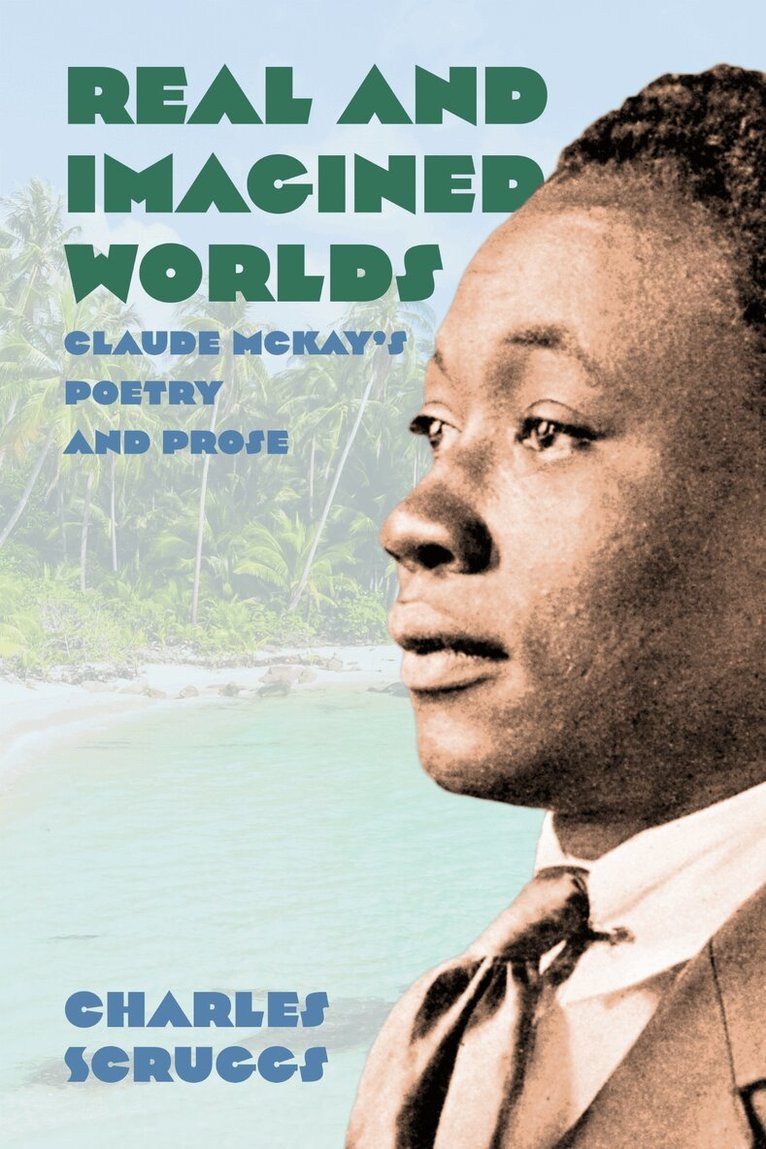
Claude McKay (1890-1948) was a versatile Jamaican American writer and poet and a central figure in the Harlem Renaissance. In addition to two autobiographies and a documentary study of Harlem, McKay wrote poetry, novels (Home to Harlem, Banana Bottom, Banjo, Harlem Glory, Amiable with Big Teeth—the latter portraying a dystopia that foreshadows Orwell), the short story collection Gingertown, and a screenplay disguised as a novel, Romance in Marseille. McKay was deeply influenced by various literary and artistic sources that shaped his poetry and prose. As an artist, he saw himself as a "classicist," but his favorite poet was John Keats, the acclaimed Romantic. The books he read in Walter Jekyll’s library were primarily Victorian and had a profound influence on him, but the artists he encountered after he left were mostly all modernists: Charlie Chaplin, D. H. Lawrence, James Joyce, Marcel Proust, and Ernest Hemingway. Popular culture also inspired him, especially the cinematic traditions of both Hollywood and Europe. These dual influences reflected his complicated intellectual and artistic life. Real and Imagined Worlds in Claude McKay's Poetry and Prose attempts to make sense of the poet’s deep engagement with the literary and artistic influences that inspired his own writing.