Charles Shuttleworth - Böcker
Visar alla böcker från författaren Charles Shuttleworth. Handla med fri frakt och snabb leverans.
3 produkter
3 produkter
264 kr
Tillfälligt slut
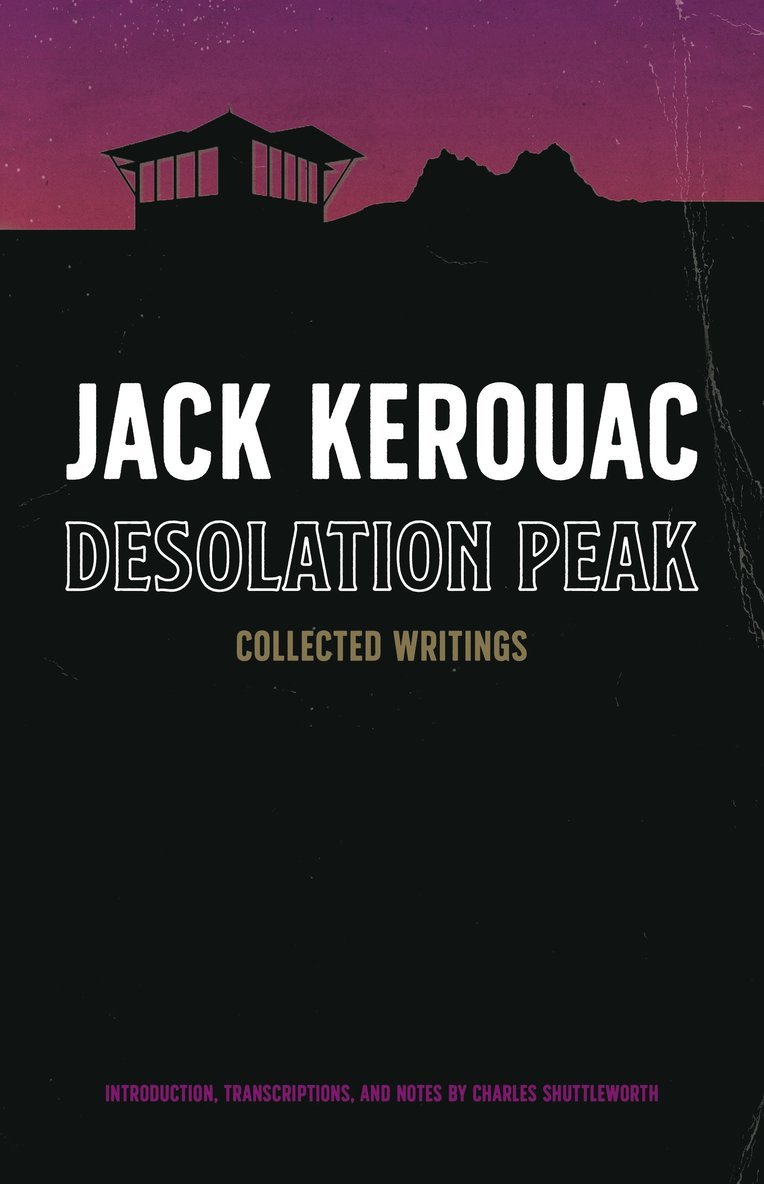
"Something will happen to me on Desolation Peak…I can feel it." In the summer of 1956, Jack Kerouac hitchhiked from Mill Valley, CA, to the North Cascades to spend two months serving as a fire lookout for the US Forest Service. Taking only the Diamond Sutra for reading material, he intended to spend his time in deep contemplation and to achieve enlightenment. He wrote in his journal that he planned "to concentrate on emptiness of self, other selves, living beings, and universal self." In letters to friends he proclaimed, "Something will happen to me on Desolation Peak…I can feel it." Kerouac's experience on Desolation Peak forms the climax of his novel The Dharma Bums and has also been depicted in part 1 of Desolation Angels and a chapter in his nonfiction book Lonesome Traveler. None of these versions offers a full, true picture, however; and for that reason, Desolation Peak is essential reading. What separates Kerouac from all other writers is the depth that he went in exploring his own consciousness, and what will prove his most enduring legacy is the record he left of that exploration, revealing the psyche of a sensitive, tortured artist grappling with himself in the mid-20th Century. The highlight of Desolation Peak is the journal he kept, starkly revealing the depth of his poverty, the extremity of his mood swings, and the ongoing arguments with himself over the future direction of his life, his writing, and faith. Along with the journal, he worked on a series of projects, including "Ozone Park," another installment of the Duluoz Legend beginning in 1943, after his discharge from the Navy; "The Martin Family," an intended sequel to The Town and the City, and "Desolation Adventure," a series of sketches that became part 1 of Desolation Angels,. In writing it, Kerouac was re-committing himself to his more experimental, then-unpublishable style, declaring in the journal that "the form of the future is no-form."Also included in Collected Writings is "The Diamondcutter of Perfect Knowing," Kerouac's "transliteration" of the Diamond Sutra, his "Desolation Blues" and "Desolation Pops" poems, and assorted prose sketches and dreams.
343 kr
Tillfälligt slut
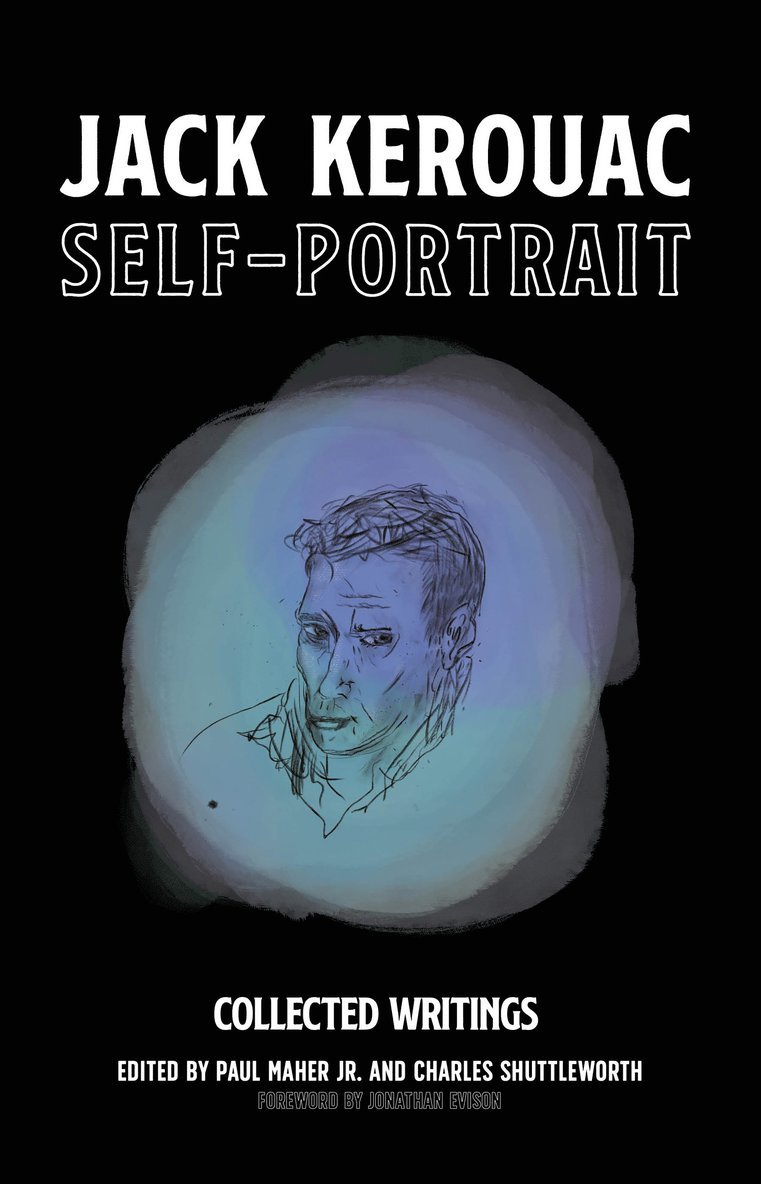
A collection of previously unpublished writing culled from the Kerouac archive Jack Kerouac’s archive is vast. Throughout his life he was constantly writing, and he meticulously saved and catalogued his material. The result is that beyond the work published in his lifetime there has been a rich stream of posthumous writing that is far from tapped, adding depth to his lifework—the Duluoz Legend—and our understanding of Kerouac the man. Far from being the adrenalized thrill-seeker that he depicted in On the Road’s Dean Moriarty, Kerouac himself was deeply spiritual, shy, and reclusive. He sought adventures for the sake of experience, needing them to fuel his writing, which according to him was his sole reason for living. Few people sacrificed more for their art.This collection of previously unpublished writing culled from the Kerouac archive, and as a companion to Paul Maher Jr.'s Becoming Kerouac, spans Kerouac’s adult life, from a journal written at age seventeen to autobiographical reflections a few years before his death. Self-Portrait is a blend of fictional and nonfictional pieces, a few abandoned starts but most complete in themselves and all of them chosen for the revelations they contain. In The Moon and Sixpence, Somerset Maugham wrote, “A man’s work reveals him… No one can produce the most casual work without disclosing the innermost secrets of his soul.” There are more than two dozen Kerouac biographies, but Self-Portrait reveals the artist in his own words, from his early ambition to the deep self-examination of his “Self-Ultimacy” period, his three-year struggle to write On the Road, musings about himself and America in the half-dozen years before the novel was published and then in the aftermath amid his public withdrawal, suffering from alcoholism and hounded by fame. Through it all there are tortuous feelings about his family—love, guilt, duty, and betrayal. As fans of Kerouac have come to learn, reading his work is a visceral probe.
434 kr
Skickas inom 3-6 vardagar
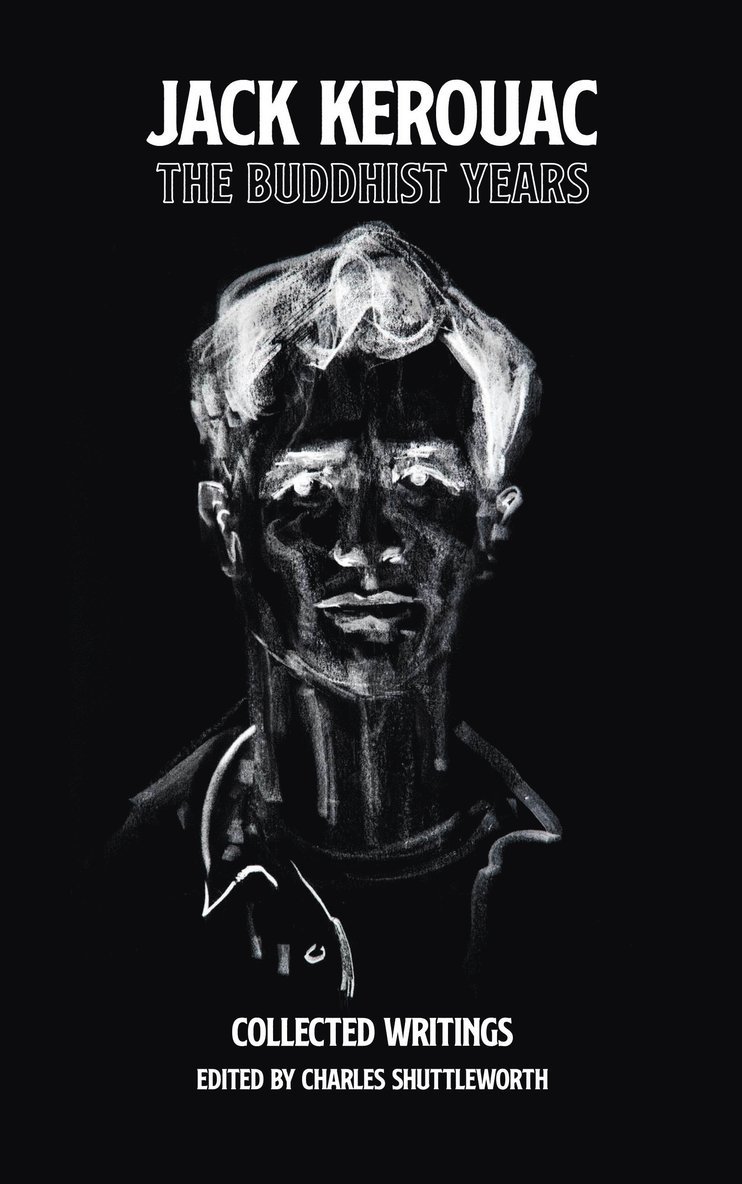
A brand new volume of previously unpublished writings from the archives reflecting Jack Kerouac’s Buddhist thinkingFrom a young age Kerouac was a spiritual thinker and questioner, and he always considered himself a spiritual writer. Buddhism gave more meaning to Jack’s work as a writer: he was working not for personal accomplishment and glory but for human betterment. And Buddhism justified his lifestyle: with its vision of the material world as empty and illusory, he was free to do what he wanted.This collection shows Jack at his earnest, soulful best. The writing is consistently and wonderfully Kerouacian: it is honest, reflective, heartfelt, and revealing, with great characterizations amid his self-exploration as he wrestles with his consciousness, desperate for belief.