
Cheryl L. Fagnano – författare
Visar alla böcker från författaren Cheryl L. Fagnano. Handla med fri frakt och snabb leverans.
4 produkter
4 produkter
2 064 kr
Skickas inom 10-15 vardagar
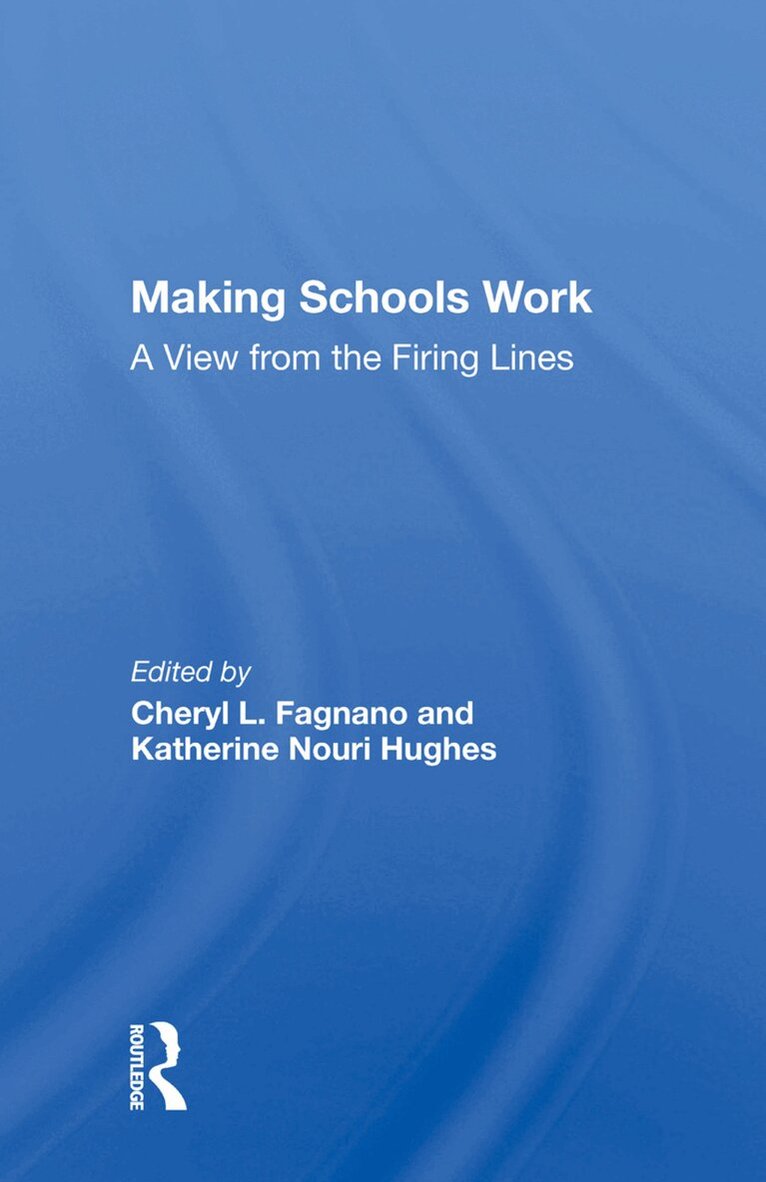
Beginning with the fundamental and essential question, "How do we improve schools?" prominent education theorists and practitioners examine the imperative of education reform. They confront and analyze the pressing need for effective, systematic ways to improve education in order to ensure competent students and graduates, and they offer numerous innovative ideas and models for reform. The discussions in this book are the fruits of the 1992 Milken Family Foundation National Educator Awards Retreat. Committed to recognizing the contributions of educators, the annual conference advances professional development and celebrates—publicly—professional achievement. Addressed in this volume are such urgent and far-reaching issues as enrichment versus remedial strategies for at-risk students; educators' responses to extra-education demands; creative leadership among practitioners; and the crucial role of educator awards. Practitioners, policymakers, and anyone wanting to stay current with the state of American education will find this useful and valuable reading.
405 kr
Skickas inom 10-15 vardagar
This book includes essays that address urgent and far-reaching issues as enrichment versus remedial strategies for at-risk students; educators' responses to extra-education demands; creative leadership among practitioners; and the crucial role of educator awards.
2 064 kr
Skickas inom 10-15 vardagar
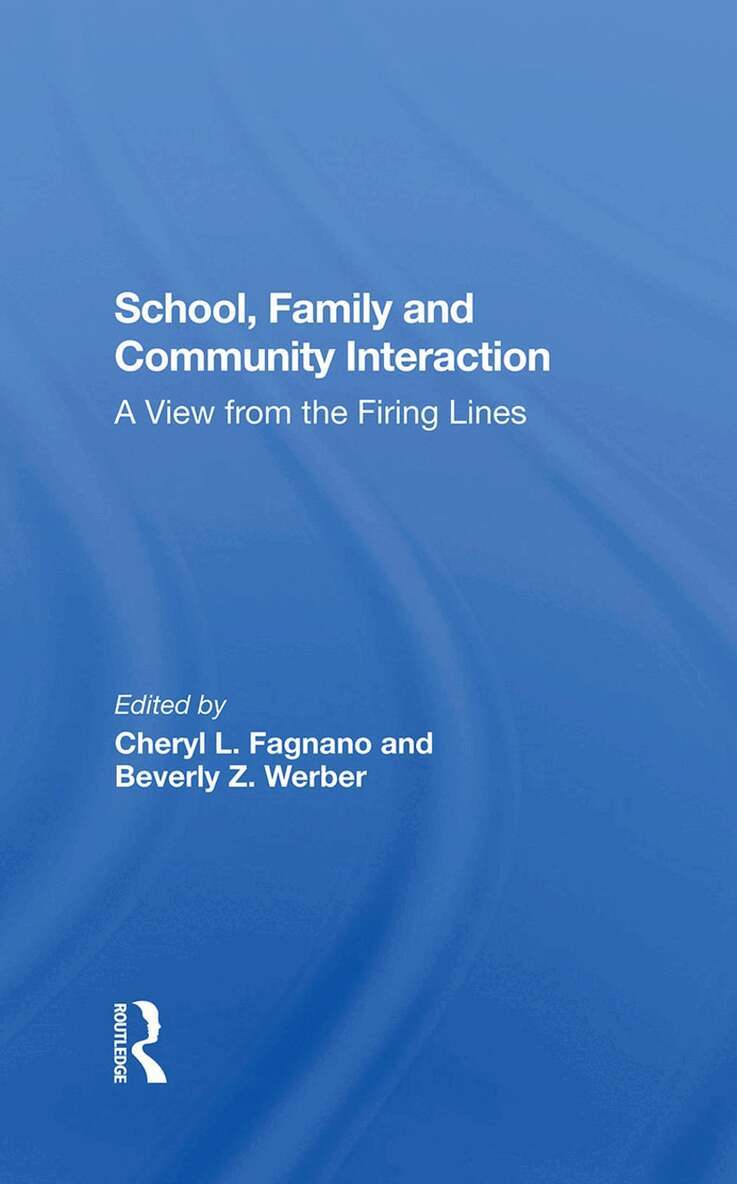
Most Americans will agree that, among other things, a quality education begins with meaningful interaction between families and schools. Yet as the contributors to this volume point out, several aspects of contemporary American society undermine the critical relationship among schools, families and their communities, and these conditions contribute
604 kr
Skickas inom 10-15 vardagar
Most Americans will agree that, among other things, a quality education begins with meaningful interaction between families and schools. Yet as the contributors to this volume point out, several aspects of contemporary American society undermine the critical relationship among schools, families and their communities, and these conditions contribute