Chi-kwan Mark – författare
Visar alla böcker från författaren Chi-kwan Mark. Handla med fri frakt och snabb leverans.
11 produkter
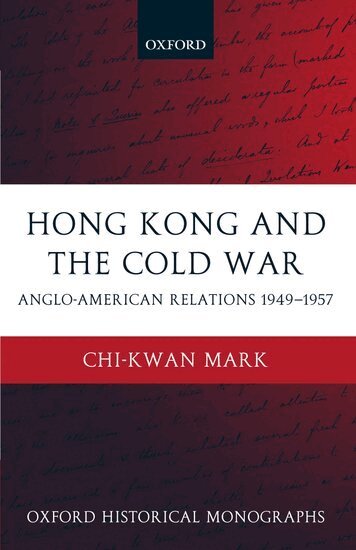
Hong Kong and the Cold War
Anglo-American Relations 1949-1957
Inbunden, 2004
3980 kr
Lägg i varukorg
After 1949, the British Empire in Hong Kong was more vulnerable than the lack of Chinese demand for return and the success of Hong Kong's economic transformations might have suggested. Its vulnerability stemmed as much from Britain's imperial decline and America's Cold War requirements as from a …
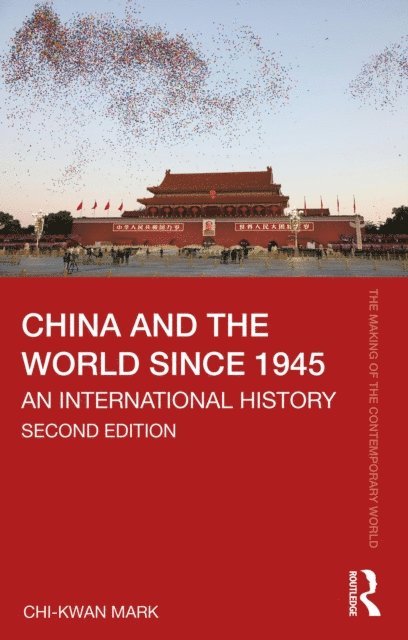
China and the World since 1945
An International History
Inbunden, 2025
2585 kr
Lägg i varukorg
Now in its second edition, China and the World since 1945 offers an accessible introduction to China’s foreign policy and diplomatic history across a broad chronology.After the ‘century of humiliation’, China was in constant search of a new identity on the world stage, which significantly changed …
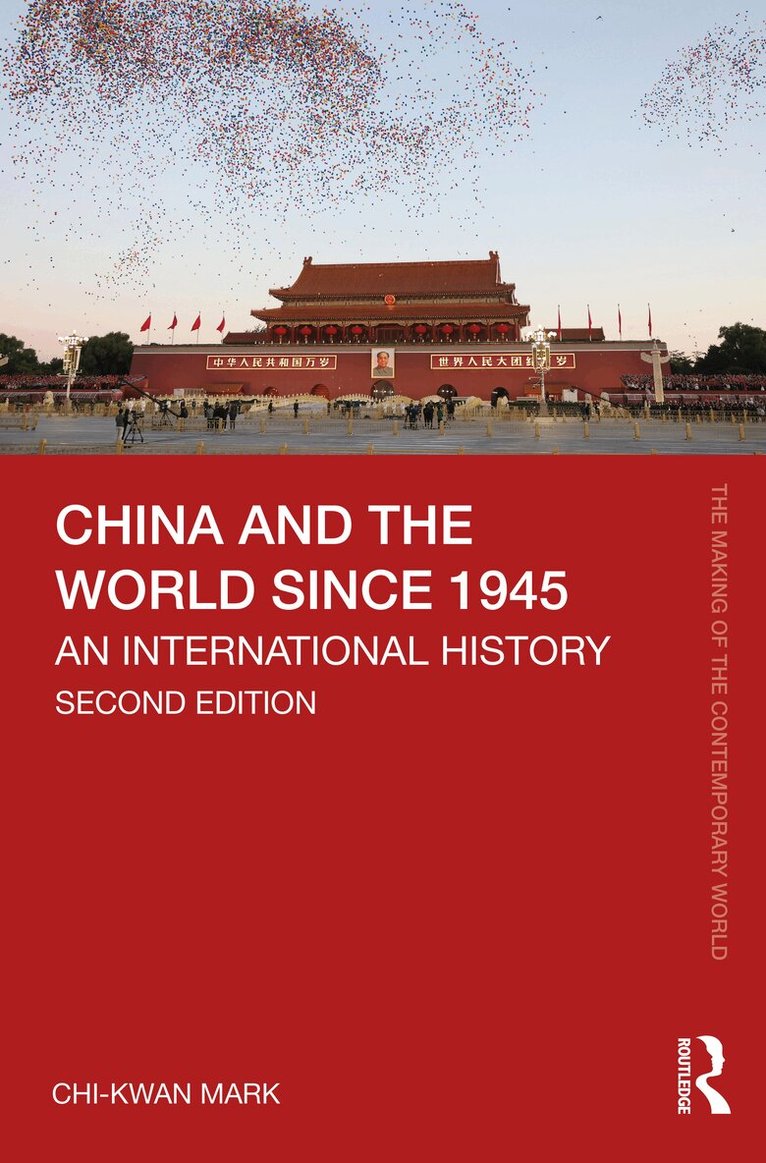
China and the World since 1945
An International History
Häftad, 2025
667 kr
Lägg i varukorg
Now in its second edition, China and the World since 1945 offers an accessible introduction to China’s foreign policy and diplomatic history across a broad chronology.After the ‘century of humiliation’, China was in constant search of a new identity on the world stage, which significantly changed …
China and the World since 1945
An International History
E-bok, 2025
733 kr
Lägg i varukorg
Now in its second edition, China and the World since 1945 offers an accessible introduction to China’s foreign policy and diplomatic history across a broad chronology. After the ‘century of humiliation’, China was in constant search of a new identity on the world stage, which significantly …
China and the World since 1945
An International History
E-bok, 2025
733 kr
Lägg i varukorg
Now in its second edition, China and the World since 1945 offers an accessible introduction to China’s foreign policy and diplomatic history across a broad chronology. After the ‘century of humiliation’, China was in constant search of a new identity on the world stage, which significantly changed …
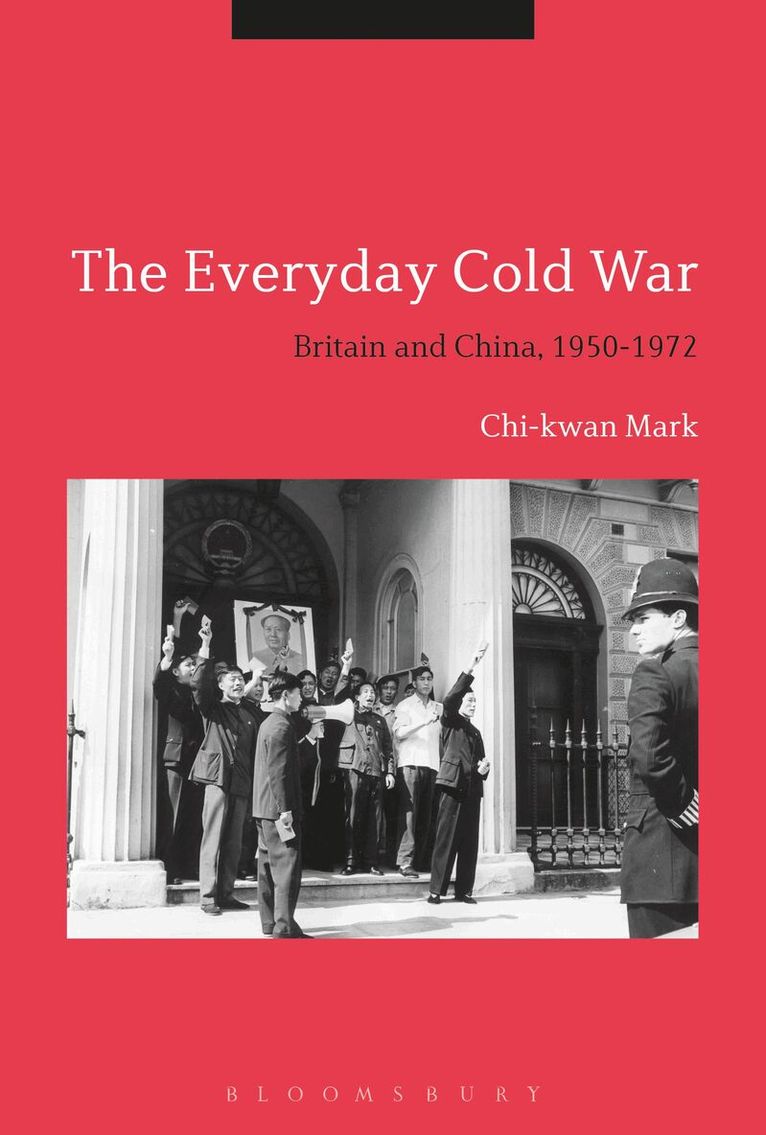
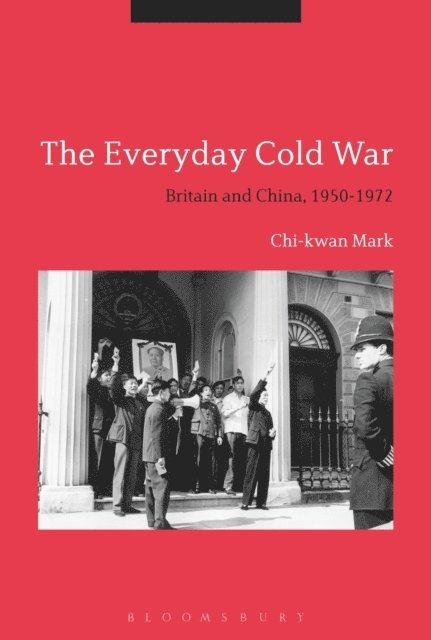
Everyday Cold War
Britain and China, 1950-1972
Häftad, 2019
516 kr
Lägg i varukorg
In 1950 the British government accorded diplomatic recognition to the newly founded People’s Republic of China. But it took 22 years for Britain to establish full diplomatic relations with China. How far was Britain’s China policy a failure until 1972? This book argues that Britain and China were …
Everyday Cold War
Britain and China, 1950-1972
Inbunden, 2017
1898 kr
Lägg i varukorg
In 1950 the British government accorded diplomatic recognition to the newly founded People’s Republic of China. But it took 22 years for Britain to establish full diplomatic relations with China. How far was Britain’s China policy a failure until 1972? This book argues that Britain and China were …
Everyday Cold War
Britain and China, 1950-1972
E-bok, 2017
562 kr
Lägg i varukorg
In 1950 the British government accorded diplomatic recognition to the newly founded People''s Republic of China. But it took 22 years for Britain to establish full diplomatic relations with China. How far was Britain''s China policy a failure until 1972? This book argues that Britain and China were …
Everyday Cold War
Britain and China, 1950-1972
E-bok, 2017
562 kr
Lägg i varukorg
In 1950 the British government accorded diplomatic recognition to the newly founded People''s Republic of China. But it took 22 years for Britain to establish full diplomatic relations with China. How far was Britain''s China policy a failure until 1972? This book argues that Britain and China were …
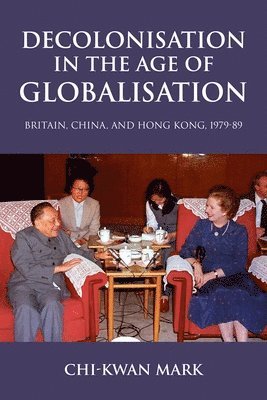
Decolonisation in the Age of Globalisation
Britain, China, and Hong Kong, 1979-89
Inbunden, 2023
1219 kr
Lägg i varukorg
In the 1980s, Britain actively engaged with China in order to promote globalisation and manage Hong Kong’s decolonisation. Influenced by neoliberalism, Margaret Thatcher saw Britain as a global trading nation, which was well placed to serve China’s reform. During the negotiations over Hong Kong’s …
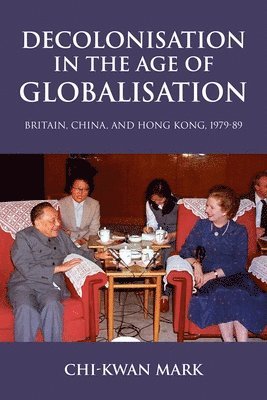
Decolonisation in the Age of Globalisation
Britain, China, and Hong Kong, 1979-89
Häftad, 2025
374 kr
Lägg i varukorg
In the 1980s, Britain actively engaged with China in order to promote globalisation and manage Hong Kong’s decolonisation. Influenced by neoliberalism, Margaret Thatcher saw Britain as a global trading nation, which was well placed to serve China’s reform. During the negotiations over Hong Kong’s …