Ching-Ching Lin – författare
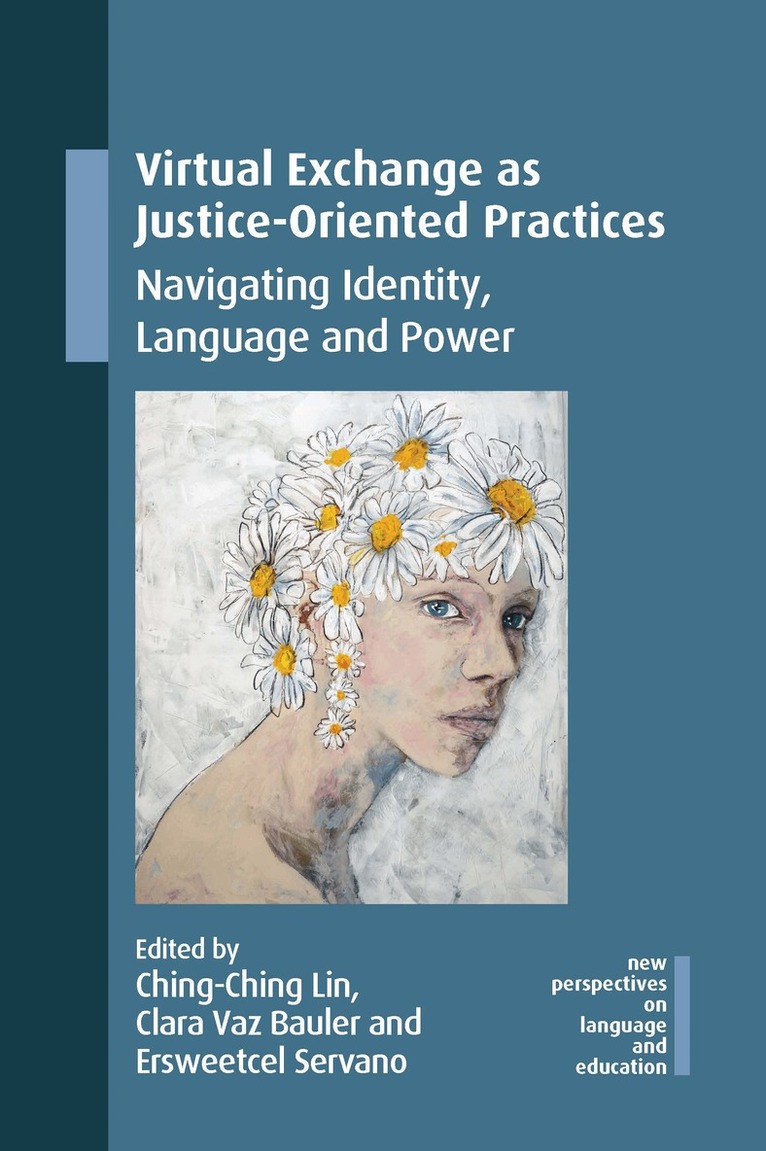
Virtual Exchange as Justice-Oriented Practices
Navigating Identity, Language and Power
506 kr
Skickas
Virtual Exchange as Justice-Oriented Practices
Navigating Identity, Language and Power
2 701 kr
Skickas inom 3-6 vardagar
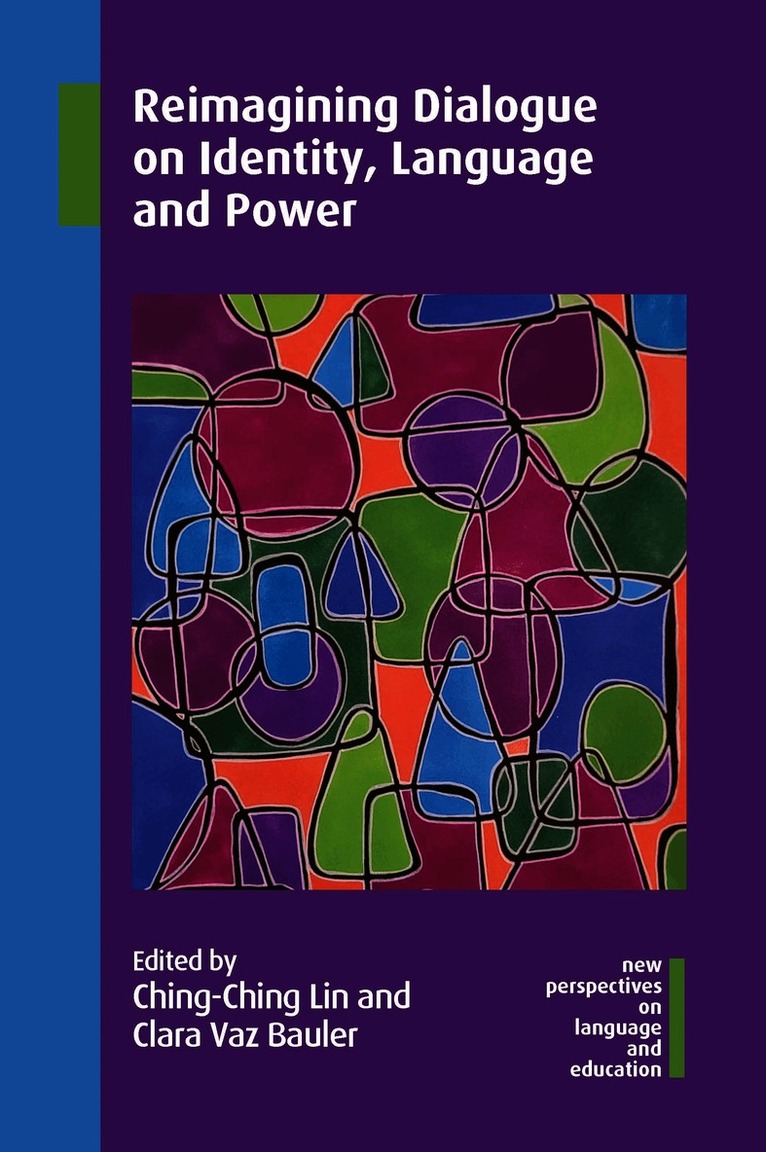
Reimagining Dialogue on Identity, Language and Power
552 kr
Skickas inom 5-8 vardagar
Reimagining Dialogue on Identity, Language and Power
1 763 kr
Skickas inom 5-8 vardagar
474 kr
Skickas inom 5-8 vardagar
2 410 kr
Skickas inom 5-8 vardagar
1 056 kr
Tillfälligt slut
393 kr
Tillfälligt slut
2 066 kr
Tillfälligt slut
In this book dialogue is used as a research, knowledge-sharing and community-building tool in which participants engage with each other in reflecting upon the perspectives of self and others: challenging, complementing and contradicting each other as critical peers. The book aims to be an enactment of sociological reimagination, as a way to reimagine public conversations that inspire criticality, innovation and multimodality around the intersection of identity (self), language (mediating mechanism) and power (sociocultural domain). Each chapter illustrates the use of dialogue as a participatory research tool as a way in which the sharing of knowledge and the growth of understanding occurs through meaning- and strategy-making processes. Together they present dialogue as an integrative model of self-inquiry and social activism and provide a valuable standpoint to understand the participatory nature of our very effort to question and investigate our sense of self in the world.
2 066 kr
Tillfälligt slut
In this book dialogue is used as a research, knowledge-sharing and community-building tool in which participants engage with each other in reflecting upon the perspectives of self and others: challenging, complementing and contradicting each other as critical peers. The book aims to be an enactment of sociological reimagination, as a way to reimagine public conversations that inspire criticality, innovation and multimodality around the intersection of identity (self), language (mediating mechanism) and power (sociocultural domain). Each chapter illustrates the use of dialogue as a participatory research tool as a way in which the sharing of knowledge and the growth of understanding occurs through meaning- and strategy-making processes. Together they present dialogue as an integrative model of self-inquiry and social activism and provide a valuable standpoint to understand the participatory nature of our very effort to question and investigate our sense of self in the world.