Choi Chatterjee – författare
Visar alla böcker från författaren Choi Chatterjee. Handla med fri frakt och snabb leverans.
21 produkter
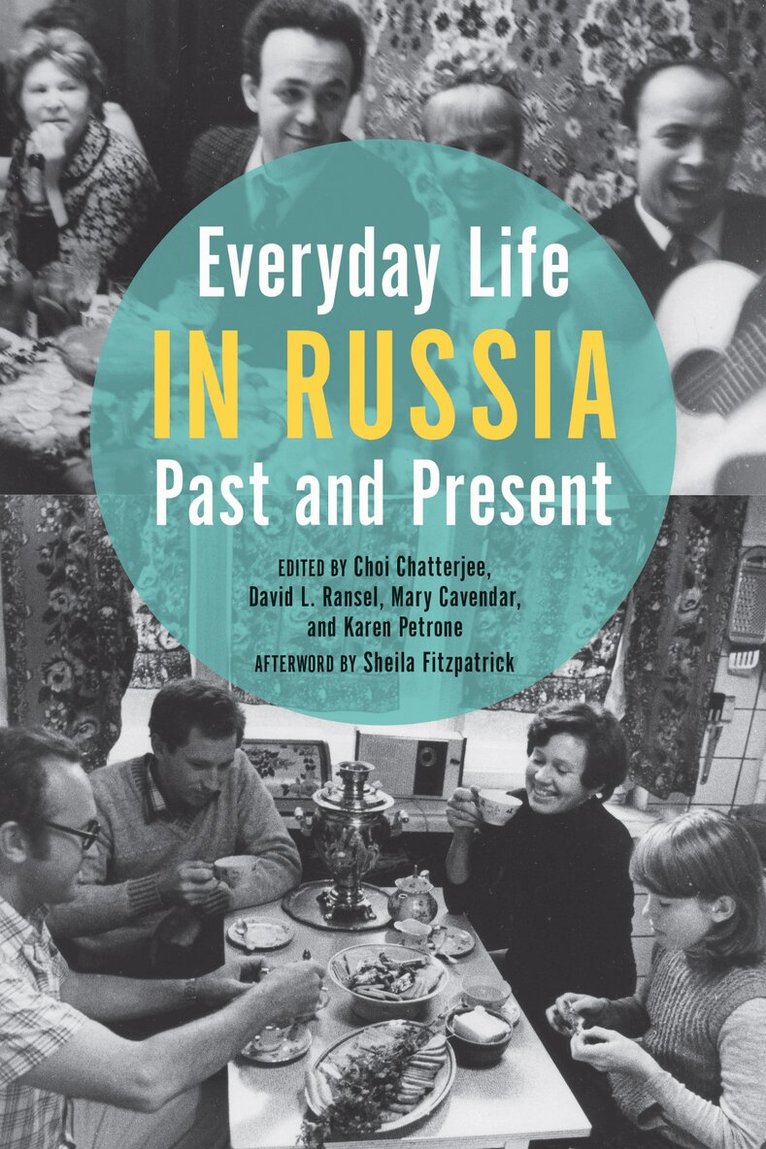
Everyday Life in Russia Past and Present
Av Kate Brown, Choi Chatterjee m. fl.
Inbunden, 2015
1044 kr
Lägg i varukorg
In these original essays on long-term patterns of everyday life in prerevolutionary, Soviet, and contemporary Russia, distinguished scholars survey the cultural practices, power relations, and behaviors that characterized daily existence for Russians through the post-Soviet present. Microanalyses …
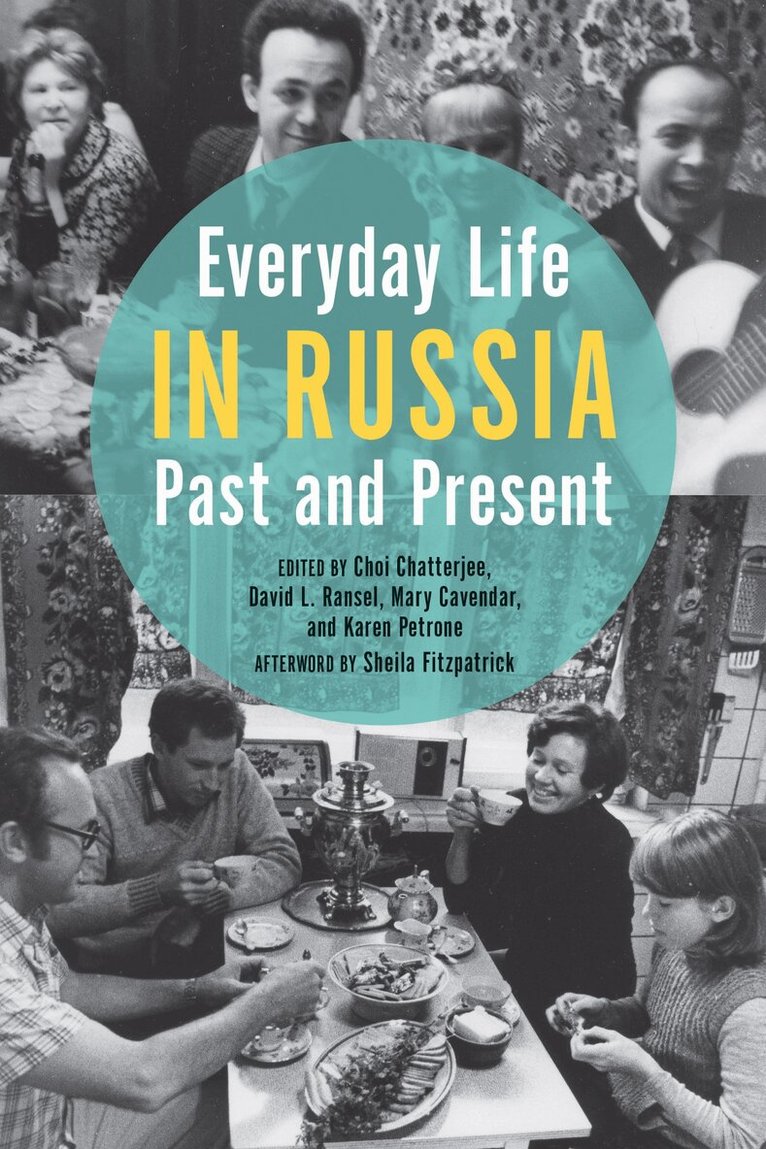
Everyday Life in Russia Past and Present
Av Choi Chatterjee, David L. Ransel m. fl.
Häftad, 2015
400 kr
Lägg i varukorg
In these original essays on long-term patterns of everyday life in prerevolutionary, Soviet, and contemporary Russia, distinguished scholars survey the cultural practices, power relations, and behaviors that characterized daily existence for Russians through the post-Soviet present. Microanalyses …
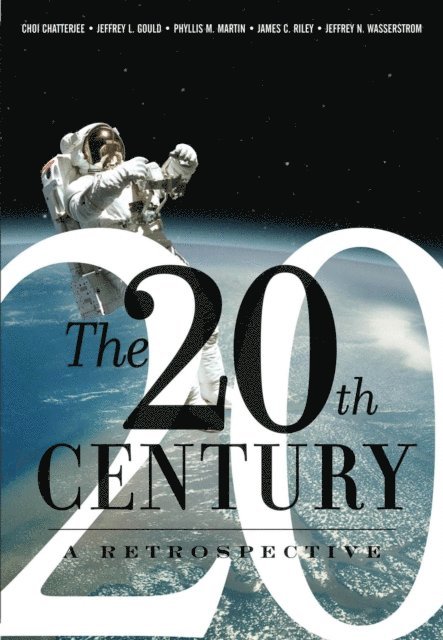
20th Century: A Retrospective
Inbunden, 2019
2585 kr
Lägg i varukorg
Three grand themes characterized the twentieth century: crises on a scale that outstripped any in human history; revolutionary ideology and action that brought social and political transformations on a global scale; and new technologies breathtaking in their pace and innovation. It was a century of …
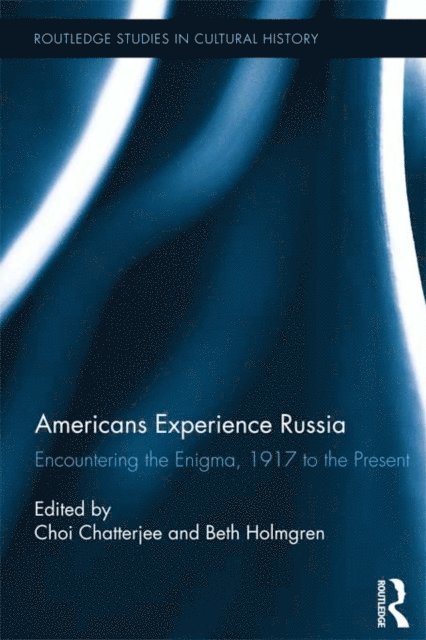
Americans Experience Russia
Encountering the Enigma, 1917 to the Present
Av Choi Chatterjee, Beth Holmgren
Inbunden, 2012
2585 kr
Lägg i varukorg
Americans Experience Russia analyzes how American scholars, journalists, and artists envisioned, experienced, and interpreted Russia/the Soviet Union over the last century. While many histories of diplomatic, economic, and intellectual connections between the United States and the Soviet Union can …
20th Century: A Retrospective
E-bok, 2018
1284 kr
Lägg i varukorg
This book is a collage of human experiences made from overlapping pieces and woven together by themes of crises, revolution, and change, aiming to raise issues that people in the twentieth-century world tried to address.
20th Century: A Retrospective
E-bok, 2018
1284 kr
Lägg i varukorg
This book is a collage of human experiences made from overlapping pieces and woven together by themes of crises, revolution, and change, aiming to raise issues that people in the twentieth-century world tried to address.
20th Century: A Retrospective
Häftad, 2002
1221 kr
Lägg i varukorg
This book is a collage of human experiences made from overlapping pieces and woven together by themes of crises, revolution, and change, aiming to raise issues that people in the twentieth-century world tried to address.
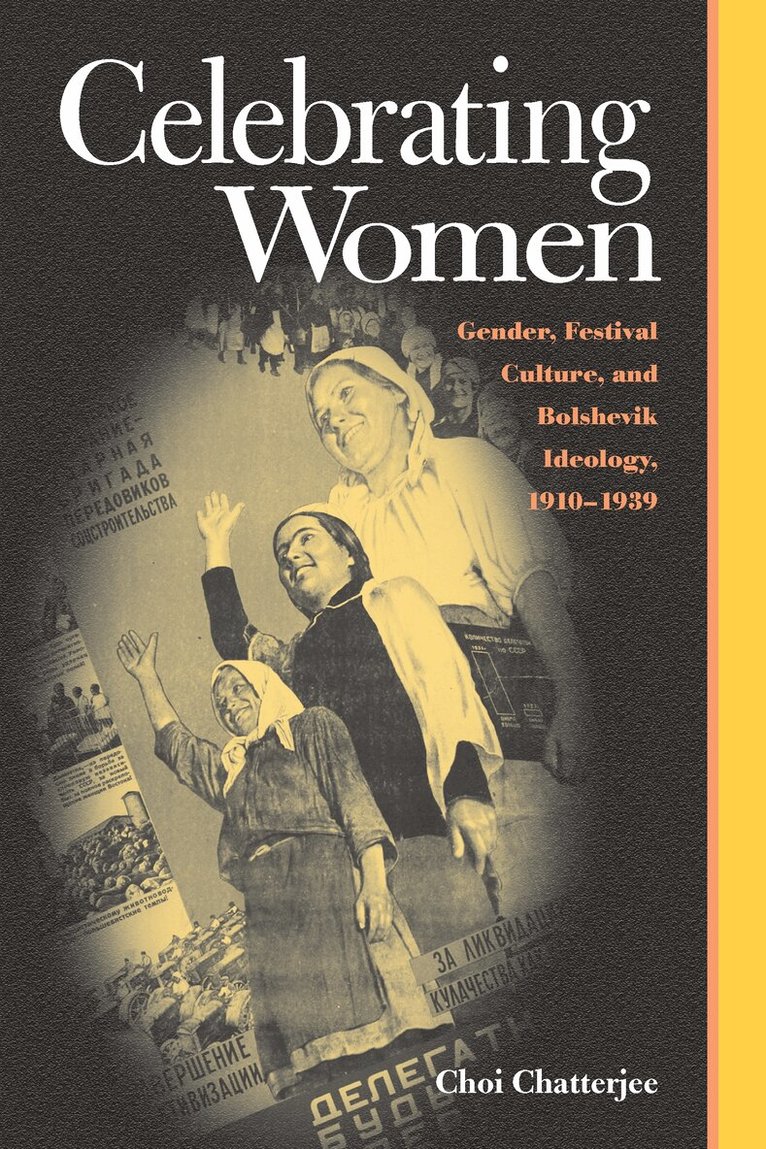
Celebrating Women
Gender Festival Culture & Bolshevik Ideology 1910-1939
Häftad, 2002
704 kr
Lägg i varukorg
The first International Women's Day was celebrated in Copenhagen in 1910 and adopted by the Bolsheviks in 1913 as a means to popularize their political program among factory women in Russia. By 1918, Women's Day had joined May Day and the anniversary of the October Revolution as the most important …
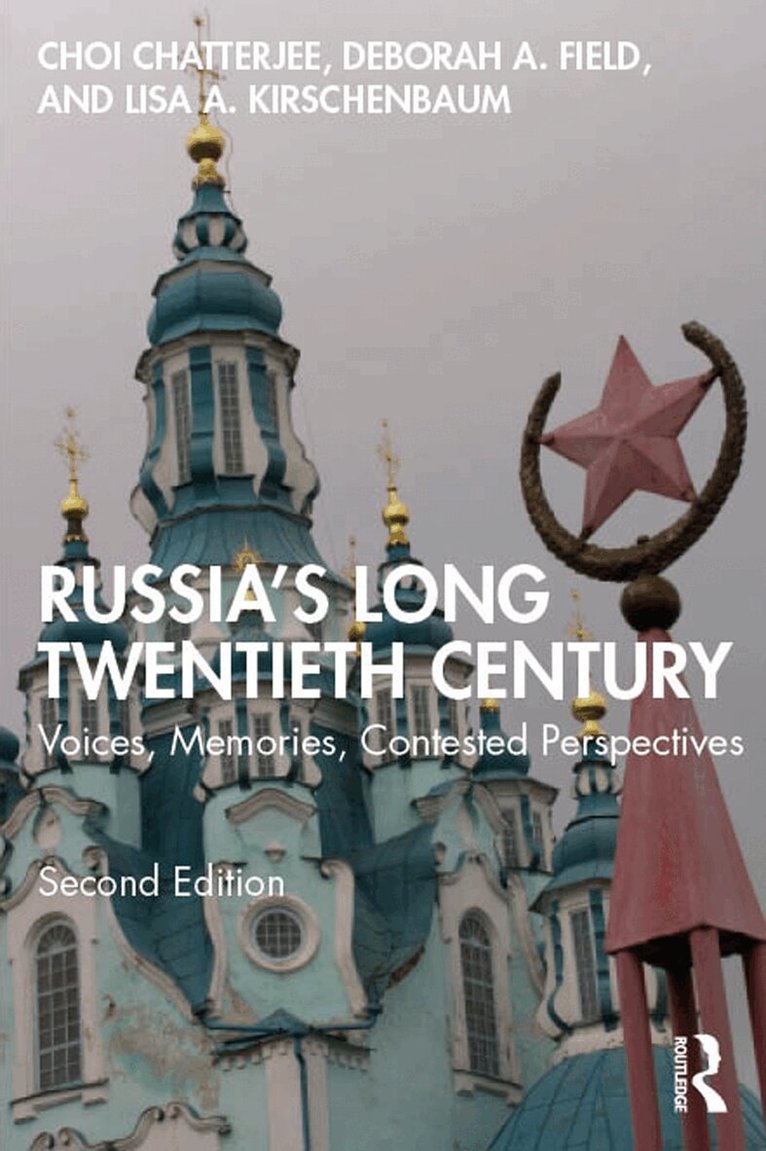
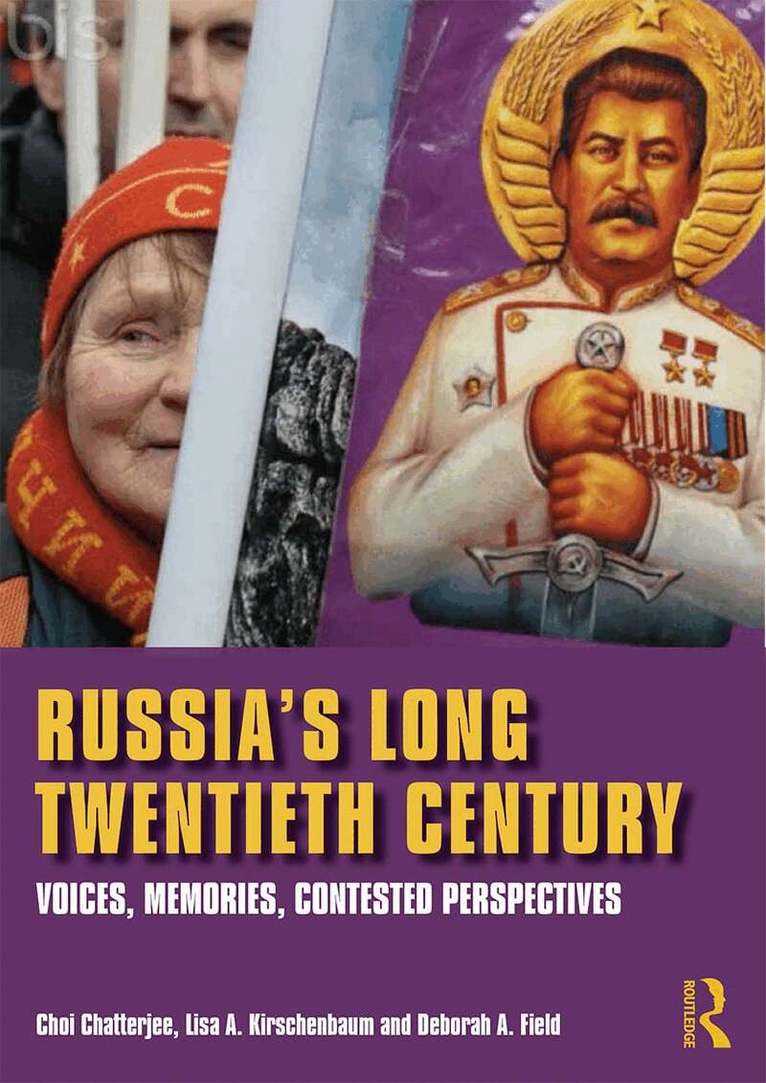
Russia's Long Twentieth Century
Voices, Memories, Contested Perspectives
Av Choi Chatterjee, Deborah A. Field m. fl.
Inbunden, 2025
2585 kr
Lägg i varukorg
Covering the sweep of Russian history from empire to Soviet Union to post-Soviet state, this new edition of Russia's Long Twentieth Century is an accessible textbook that encourages students to start a lively conversation with Russia’s storied past.Chronologically organized, the book moves beyond …
Russia's Long Twentieth Century
Voices, Memories, Contested Perspectives
Av Choi Chatterjee, Deborah A. Field m. fl.
Häftad, 2025
667 kr
Lägg i varukorg
Covering the sweep of Russian history from empire to Soviet Union to post-Soviet state, this new edition of Russia's Long Twentieth Century is an accessible textbook that encourages students to start a lively conversation with Russia’s storied past.Chronologically organized, the book moves beyond …
Russia's Long Twentieth Century
Voices, Memories, Contested Perspectives
Av Lisa A. Kirschenbaum, Deborah A. Field m. fl.
E-bok, 2025
785 kr
Lägg i varukorg
Covering the sweep of Russian history from empire to Soviet Union to post-Soviet state, this new edition of Russia''s Long Twentieth Century is an accessible textbook that encourages students to start a lively conversation with Russia’s storied past. Chronologically organized, the book moves beyond …
Russia's Long Twentieth Century
Voices, Memories, Contested Perspectives
Av Lisa A. Kirschenbaum, Deborah A. Field m. fl.
E-bok, 2025
785 kr
Lägg i varukorg
Covering the sweep of Russian history from empire to Soviet Union to post-Soviet state, this new edition of Russia''s Long Twentieth Century is an accessible textbook that encourages students to start a lively conversation with Russia’s storied past. Chronologically organized, the book moves beyond …
Americans Experience Russia
Encountering the Enigma, 1917 to the Present
Av Beth Holmgren, Choi Chatterjee
E-bok, 2013
907 kr
Lägg i varukorg
Americans Experience Russia analyzes how American scholars, journalists, and artists envisioned, experienced, and interpreted Russia/the Soviet Union over the last century. While many histories of diplomatic, economic, and intellectual connections between the United States and the Soviet Union can …
Americans Experience Russia
Encountering the Enigma, 1917 to the Present
Av Beth Holmgren, Choi Chatterjee
E-bok, 2013
927 kr
Lägg i varukorg
Americans Experience Russia analyzes how American scholars, journalists, and artists envisioned, experienced, and interpreted Russia/the Soviet Union over the last century. While many histories of diplomatic, economic, and intellectual connections between the United States and the Soviet Union can …
Americans Experience Russia
Encountering the Enigma, 1917 to the Present
Av Choi Chatterjee, Beth Holmgren
Häftad, 2017
786 kr
Lägg i varukorg
Americans Experience Russia analyzes how American scholars, journalists, and artists envisioned, experienced, and interpreted Russia/the Soviet Union over the last century. While many histories of diplomatic, economic, and intellectual connections between the United States and the Soviet Union can …
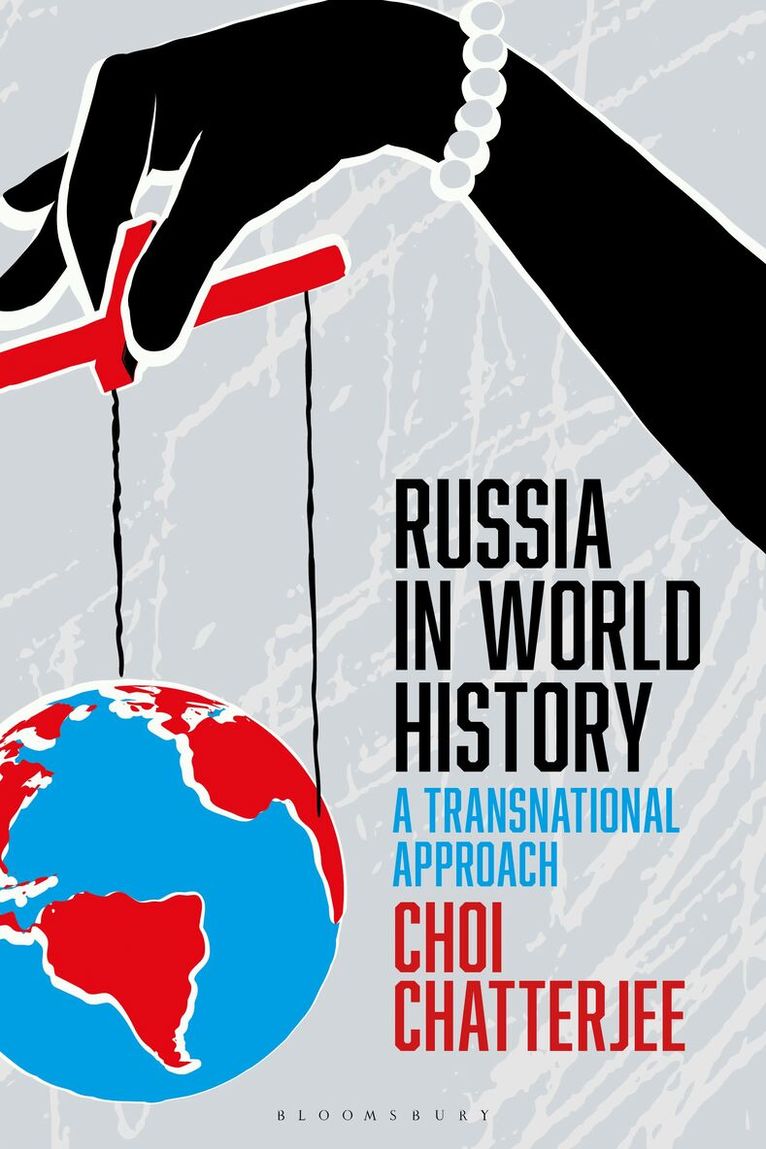
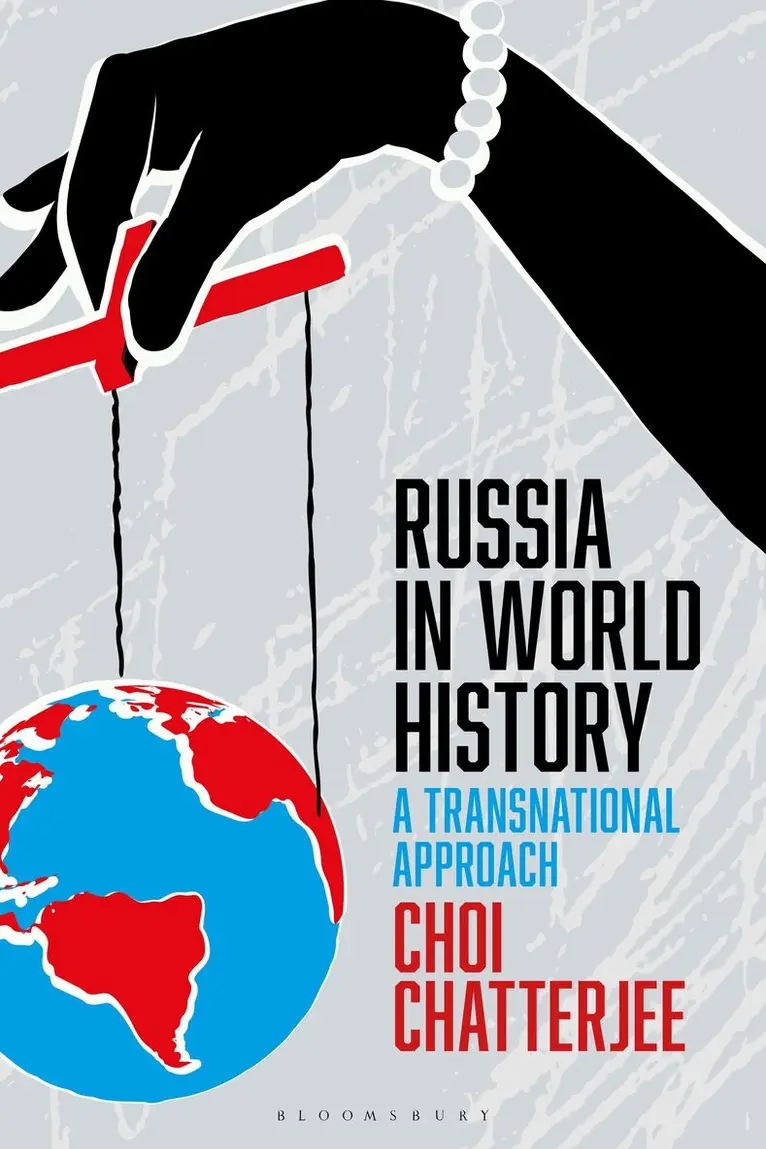
Russia in World History
A Transnational Approach
Häftad, 2022
327 kr
Lägg i varukorg
Russia in World History uses a comparative framework to understand Russian history in a global context. The book challenges the idea of Russia as an outlier of European civilization by examining select themes in modern Russian history alongside cases drawn from the British Empire.Choi Chatterjee …
Russia in World History
A Transnational Approach
Inbunden, 2022
1025 kr
Lägg i varukorg
Russia in World History uses a comparative framework to understand Russian history in a global context. The book challenges the idea of Russia as an outlier of European civilization by examining select themes in modern Russian history alongside cases drawn from the British Empire.Choi Chatterjee …
Russia in World History
A Transnational Approach
E-bok, 2022
353 kr
Lägg i varukorg
Russia in World History uses a comparative framework to understand Russian history in a global context. The book challenges the idea of Russia as an outlier of European civilization by examining select themes in modern Russian history alongside cases drawn from the British Empire. Choi Chatterjee …
Russia in World History
A Transnational Approach
E-bok, 2022
353 kr
Lägg i varukorg
Russia in World History uses a comparative framework to understand Russian history in a global context. The book challenges the idea of Russia as an outlier of European civilization by examining select themes in modern Russian history alongside cases drawn from the British Empire. Choi Chatterjee …
Russia's Long Twentieth Century
Voices, Memories, Contested Perspectives
Av Choi Chatterjee, Lisa A. Kirschenbaum m. fl.
Inbunden, 2016
1502 kr
Tillfälligt slut
Covering the sweep of Russian history from empire to Soviet Union to post-Soviet state, Russia's Long Twentieth Century is a comprehensive yet accessible textbook that situates modern Russia in the context of world history and encourages students to analyse the ways in which citizens learnt to live …
Russia's Long Twentieth Century
Voices, Memories, Contested Perspectives
Av Choi Chatterjee, Lisa A. Kirschenbaum m. fl.
Häftad, 2016
428 kr
Tillfälligt slut
Covering the sweep of Russian history from empire to Soviet Union to post-Soviet state, Russia's Long Twentieth Century is a comprehensive yet accessible textbook that situates modern Russia in the context of world history and encourages students to analyse the ways in which citizens learnt to live …