Choong Yong Ahn – författare
Visar alla böcker från författaren Choong Yong Ahn. Handla med fri frakt och snabb leverans.
12 produkter
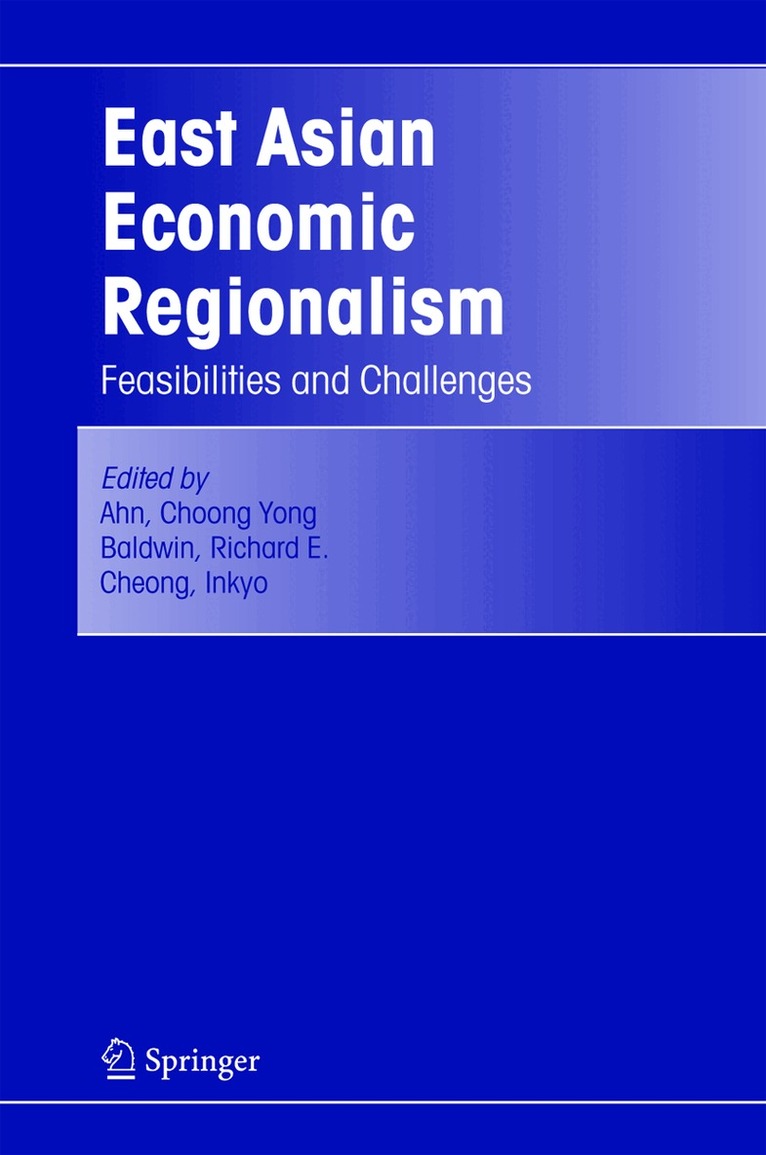
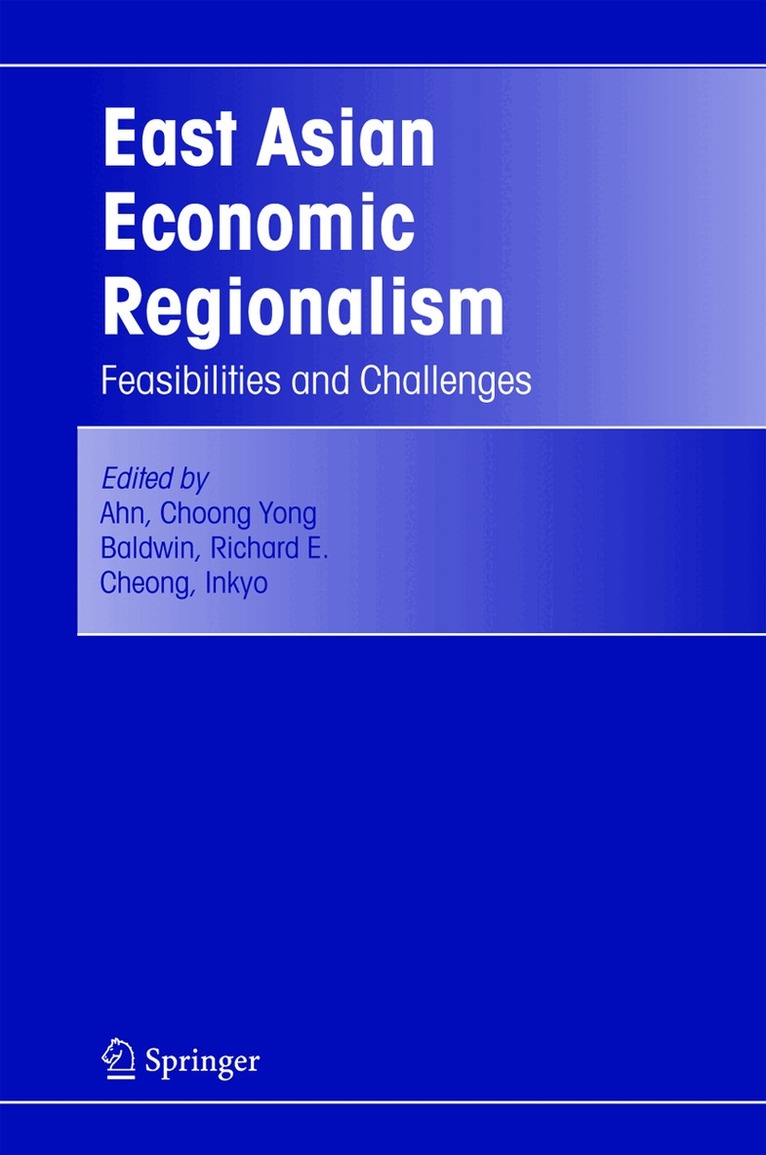
East Asian Economic Regionalism
Feasibilities and Challenges
Av Choong Yong Ahn, Richard E. Baldwin m. fl.
Inbunden, 2005
1128 kr
Lägg i varukorg
Economic regionalism has become a worldwide phenomenon. Since the Asian financial crisis, East Asian countries are accelerating the ongoing market-driven economic integration as well as institutional economic integration. The question is whether East Asia can reach an East Asian FTA (EAFTA), which …
East Asian Economic Regionalism
Feasibilities and Challenges
Av Inkyo Cheong, Richard E. Baldwin m. fl.
E-bok, 2006
1502 kr
Lägg i varukorg
Economic regionalism has become a worldwide phenomenon. Since the Asian financial crisis, East Asian countries are accelerating the ongoing market-driven economic integration as well as institutional economic integration. The question is whether East Asia can reach an East Asian FTA (EAFTA), which …
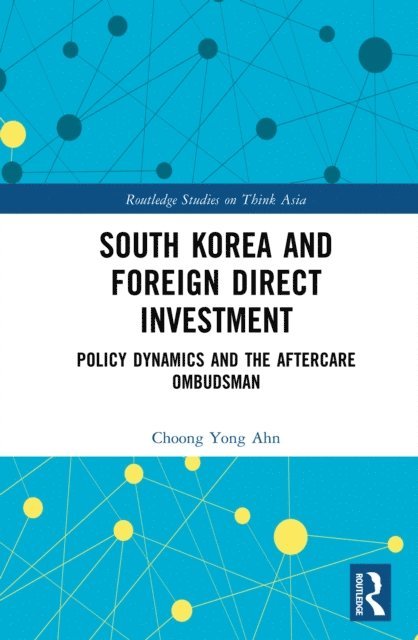
South Korea and Foreign Direct Investment
Policy Dynamics and the Aftercare Ombudsman
E-bok, 2023
746 kr
Lägg i varukorg
This book examines Korea’s foreign direct investment policy dynamics and points out the importance of mutual synergy between multinational corporations and their host countries in a win-win framework and the increasing importance of this in a post-pandemic world. A multitude of case studies shows …
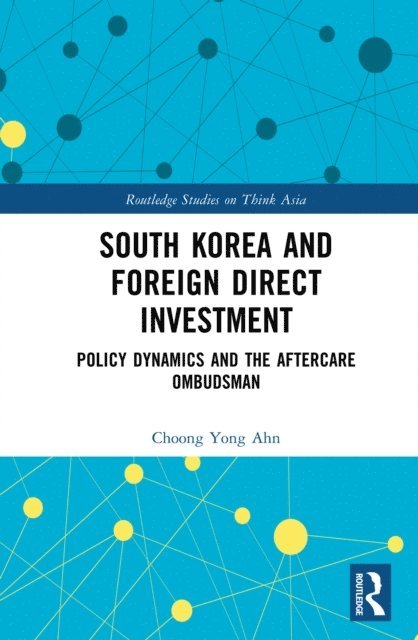
South Korea and Foreign Direct Investment
Policy Dynamics and the Aftercare Ombudsman
E-bok, 2023
762 kr
Lägg i varukorg
This book examines Korea’s foreign direct investment policy dynamics and points out the importance of mutual synergy between multinational corporations and their host countries in a win-win framework and the increasing importance of this in a post-pandemic world. A multitude of case studies shows …
South Korea and Foreign Direct Investment
Policy Dynamics and the Aftercare Ombudsman
Inbunden, 2023
2586 kr
Lägg i varukorg
This book examines Korea’s foreign direct investment policy dynamics and points out the importance of mutual synergy between multinational corporations and their host countries in a win-win framework and the increasing importance of this in a post-pandemic world. A multitude of case studies shows …
South Korea and Foreign Direct Investment
Policy Dynamics and the Aftercare Ombudsman
Häftad, 2024
648 kr
Lägg i varukorg
This book examines Korea’s foreign direct investment policy dynamics and points out the importance of mutual synergy between multinational corporations and their host countries in a win-win framework and the increasing importance of this in a post-pandemic world. A multitude of case studies shows …
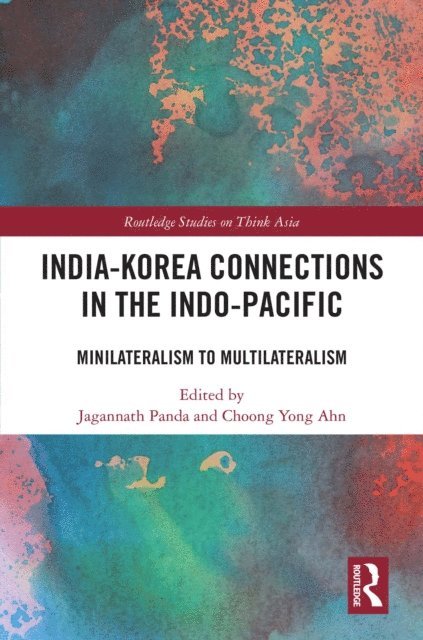
India-Korea Connections in the Indo-Pacific
Minilateralism to Multilateralism
Av Jagannath Panda, Choong Yong Ahn
Inbunden, 2025
2504 kr
Lägg i varukorg
India‑Korea Connections in the Indo‑Pacific presents multidimensional aspects of the Special Strategic Relationship between the Republic of Korea (ROK) and India, ranging from security, diplomacy, trade and FDI, and people‑to‑people exchanges. It analyses the India‑Korea partnership and its …
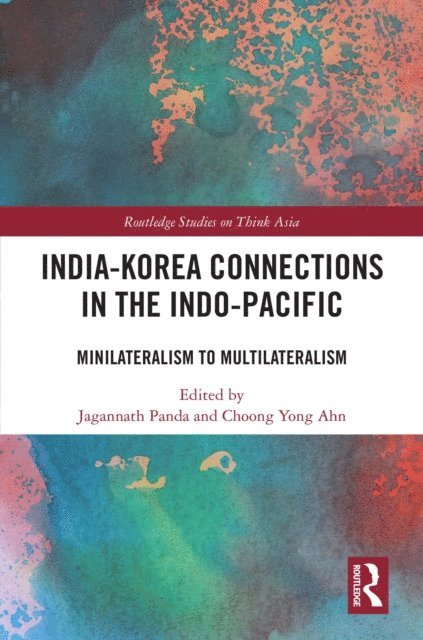
India-Korea Connections in the Indo-Pacific
Minilateralism to Multilateralism
Av Jagannath Panda, Choong Yong Ahn
Häftad, 2026
704 kr
Lägg i varukorg
India‑Korea Connections in the Indo‑Pacific presents multidimensional aspects of the Special Strategic Relationship between the Republic of Korea (ROK) and India, ranging from security, diplomacy, trade and FDI, and people‑to‑people exchanges. It analyses the India‑Korea partnership and its …
India-Korea Connections in the Indo-Pacific
Minilateralism to Multilateralism
Av Choong Yong Ahn, Jagannath Panda
E-bok, 2025
831 kr
Lägg i varukorg
India‑Korea Connections in the Indo‑Pacific presents multidimensional aspects of the Special Strategic Relationship between the Republic of Korea (ROK) and India, ranging from security, diplomacy, trade and FDI, and people‑to‑people exchanges. It analyses the India‑Korea partnership and its …
India-Korea Connections in the Indo-Pacific
Minilateralism to Multilateralism
Av Choong Yong Ahn, Jagannath Panda
E-bok, 2025
813 kr
Lägg i varukorg
India‑Korea Connections in the Indo‑Pacific presents multidimensional aspects of the Special Strategic Relationship between the Republic of Korea (ROK) and India, ranging from security, diplomacy, trade and FDI, and people‑to‑people exchanges. It analyses the India‑Korea partnership and its …
East Asian Economic Regionalism
Feasibilities and Challenges
Av Choong Yong Ahn, Richard E. Baldwin m. fl.
Häftad, 2010
1128 kr
Lägg i varukorg
Economic regionalism has become a worldwide phenomenon. Since the Asian financial crisis, East Asian countries are accelerating the ongoing market-driven economic integration as well as institutional economic integration. The question is whether East Asia can reach an East Asian FTA (EAFTA), which …
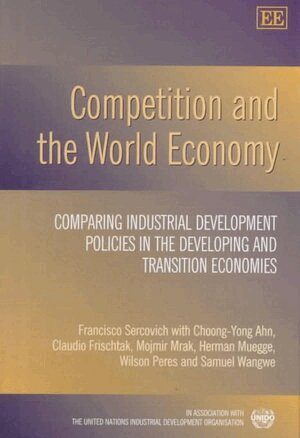
Competition and the World Economy
Comparing Industrial Development Policies in the Developing and Transition Economies
Av Francisco C. Sercovich, Choong-Yong Ahn m. fl.
Inbunden, 1999
2720 kr
Lägg i varukorg
Globalisation has had a major impact on manufacturing competitiveness and industrial development in transitional and developing economies. This up-to-date book critically examines the experience of a wide range of countries, focusing on the policy challenges they face in the new global economy.The …