Jagannath Panda – författare
Visar alla böcker från författaren Jagannath Panda. Handla med fri frakt och snabb leverans.
21 produkter
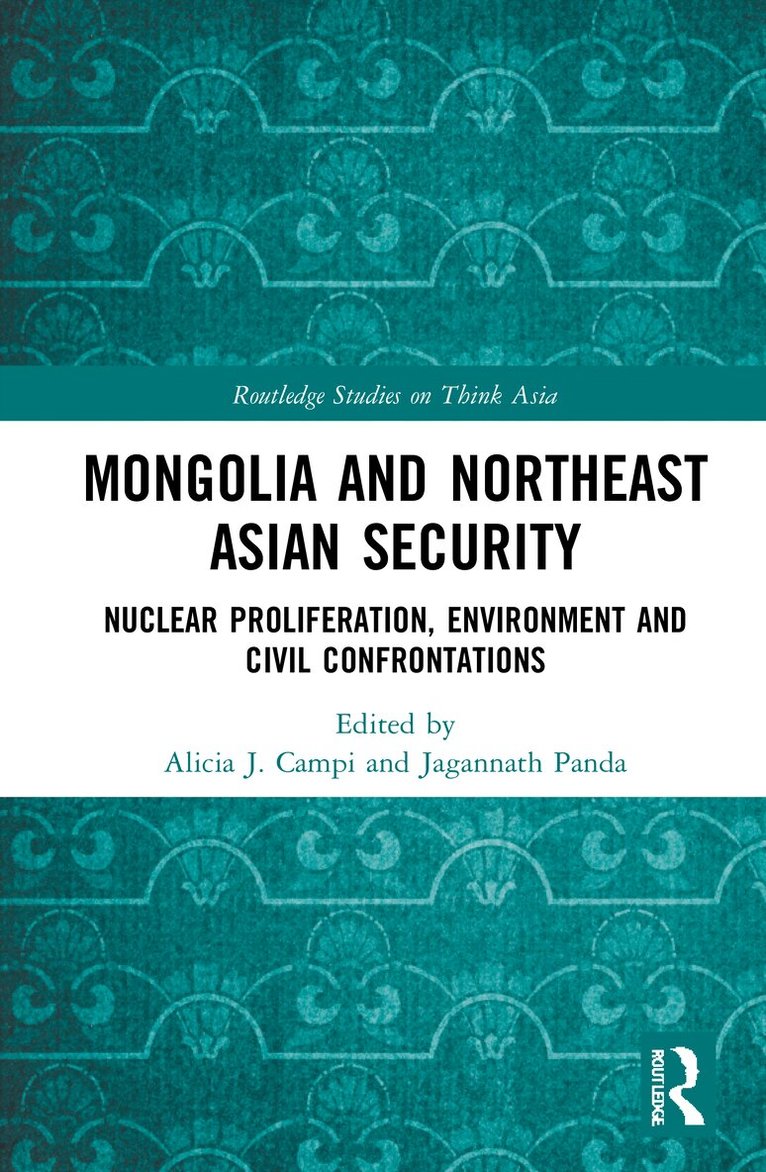
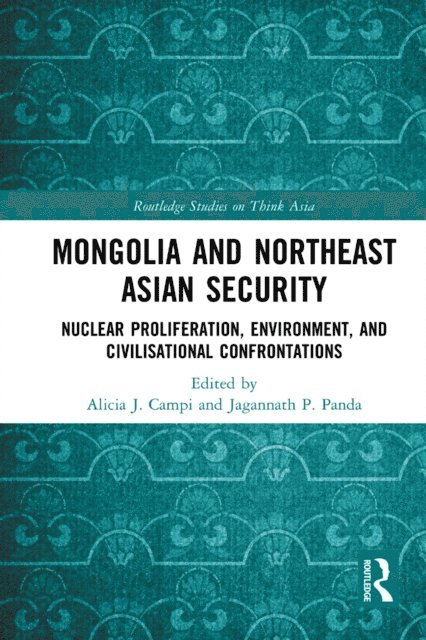
Mongolia and Northeast Asian Security
Nuclear Proliferation, Environment, and Civilisational Confrontations
Av Alicia J. Campi, Jagannath Panda
Inbunden, 2021
2504 kr
Lägg i varukorg
This book assesses Mongolia’s position in the security calculus of Northeast Asia and presents the policy outlooks of major powers vis-a-vis the region, including the United States, Japan, China, Russia, and India.Ground-breaking and modernistic in its approach, the book treats the often …
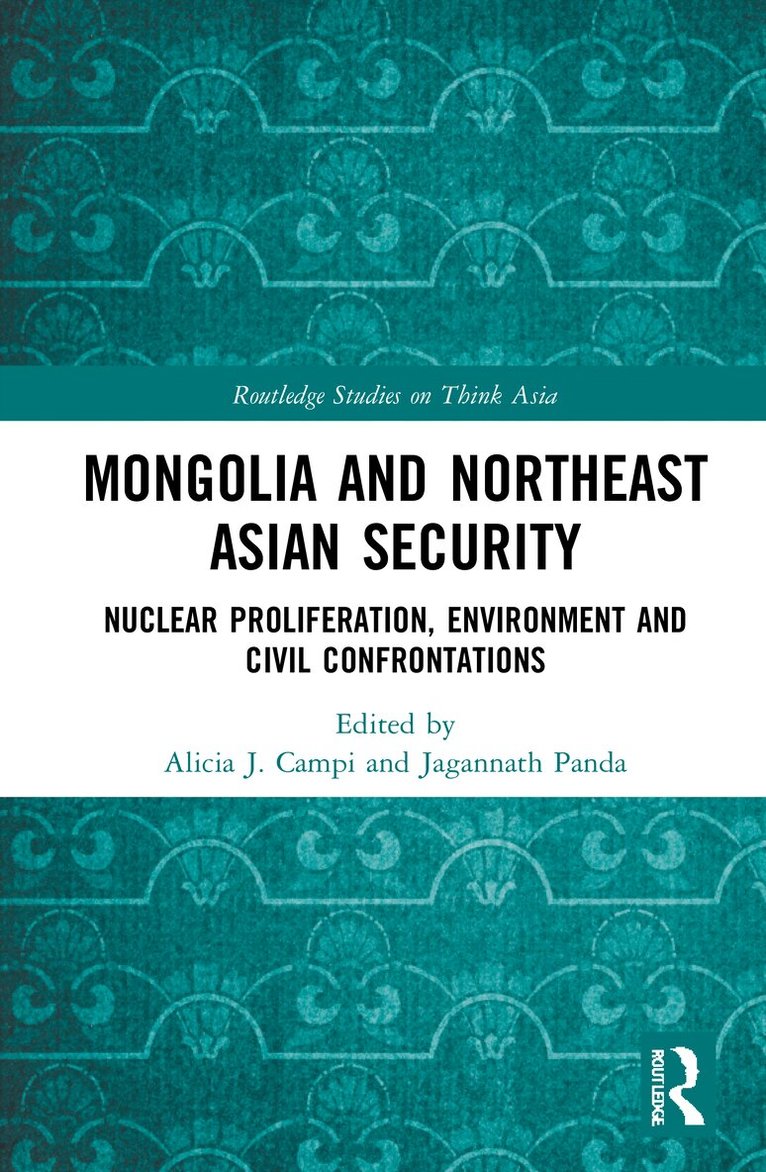
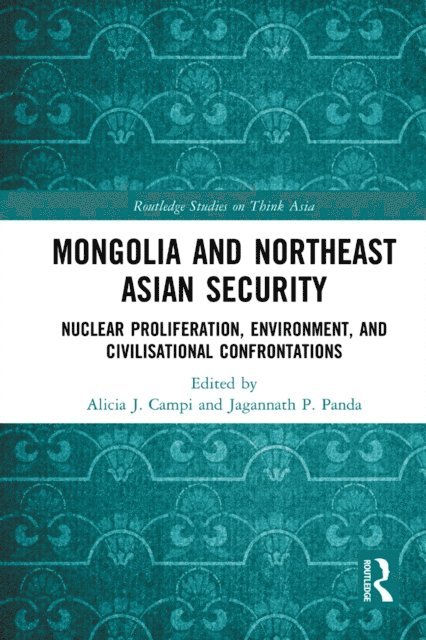
Mongolia and Northeast Asian Security
Nuclear Proliferation, Environment, and Civilisational Confrontations
Av Alicia J. Campi, Jagannath Panda
Häftad, 2023
689 kr
Lägg i varukorg
This book assesses Mongolia’s position in the security calculus of Northeast Asia and presents the policy outlooks of major powers vis-a-vis the region, including the United States, Japan, China, Russia, and India.Ground-breaking and modernistic in its approach, the book treats the often …
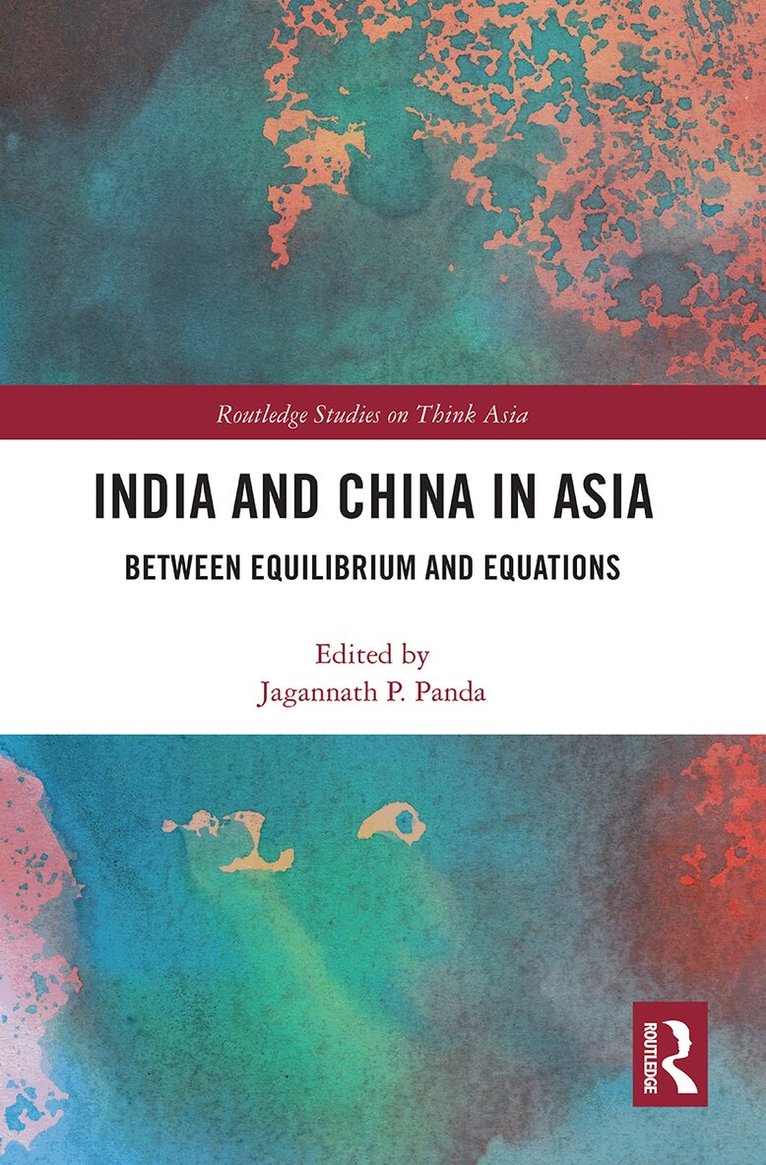
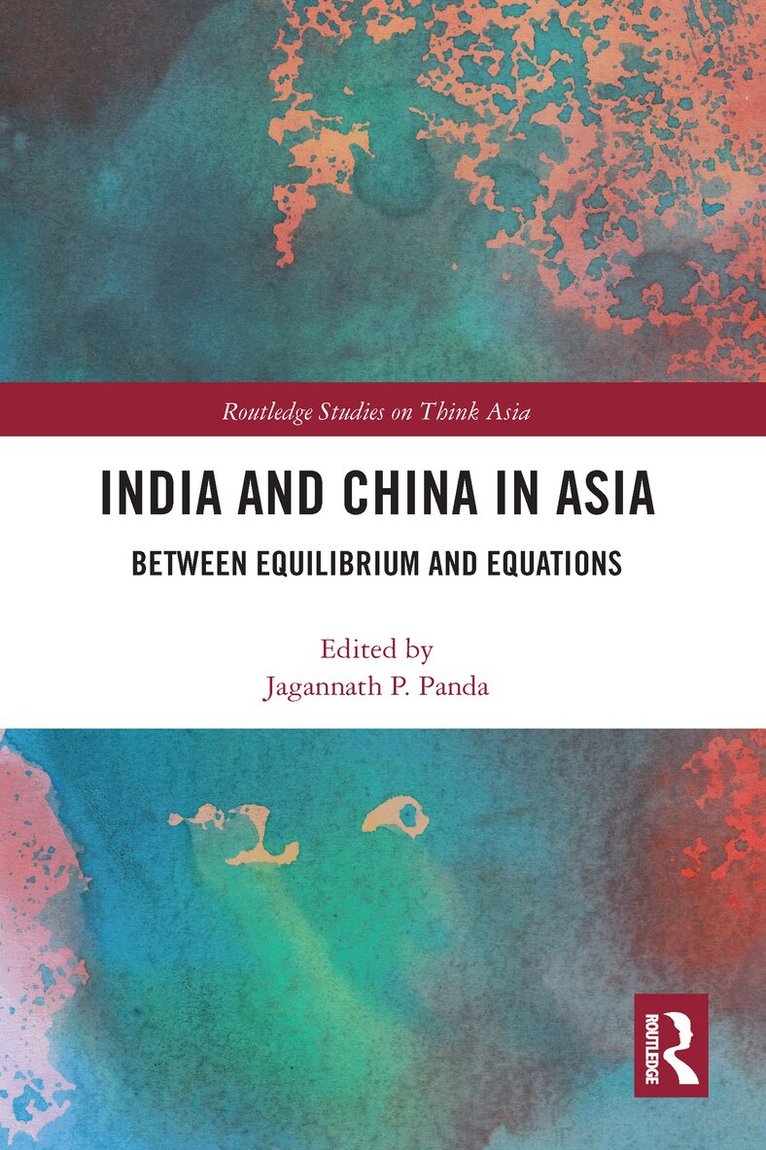
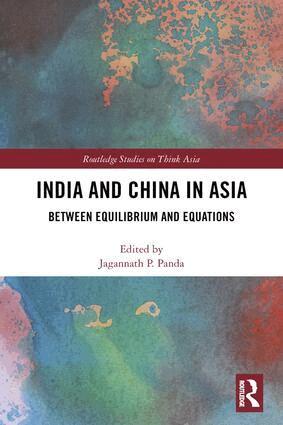
India and China in Asia
Between Equilibrium and Equations
Häftad, 2021
791 kr
Lägg i varukorg
This book analyses the structure of the India–China relationship and the two prominent powers’ positions with and against each other, bilaterally and globally, in a complex Asian environment and beyond. India and China’s perceptions of one another are evaluated to reveal how the order of Asia is …
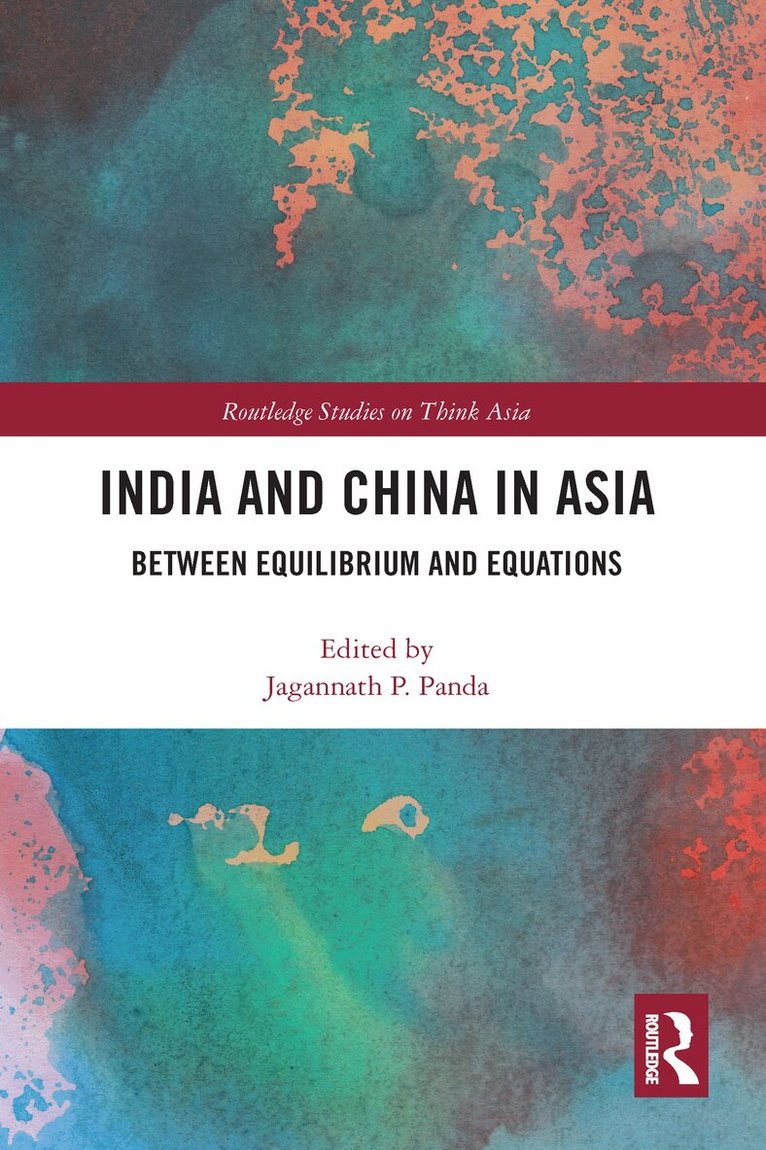
India and China in Asia
Between Equilibrium and Equations
E-bok, 2019
935 kr
Lägg i varukorg
This book analyses the structure of the India–China relationship and the two prominent powers’ positions with and against each other, bilaterally and globally, in a complex Asian environment and beyond. India and China’s perceptions of one another are evaluated to reveal how the order of Asia is …
India and China in Asia
Between Equilibrium and Equations
E-bok, 2019
915 kr
Lägg i varukorg
This book analyses the structure of the India–China relationship and the two prominent powers’ positions with and against each other, bilaterally and globally, in a complex Asian environment and beyond. India and China’s perceptions of one another are evaluated to reveal how the order of Asia is …
Mongolia and Northeast Asian Security
Nuclear Proliferation, Environment, and Civilisational Confrontations
Av Jagannath Panda, Alicia J. Campi
E-bok, 2021
814 kr
Lägg i varukorg
This book assesses Mongolia’s position in the security calculus of Northeast Asia and presents the policy outlooks of major powers vis-a-vis the region, including the United States, Japan, China, Russia, and India. Ground-breaking and modernistic in its approach, the book treats the often …
Mongolia and Northeast Asian Security
Nuclear Proliferation, Environment, and Civilisational Confrontations
Av Jagannath Panda, Alicia J. Campi
E-bok, 2021
796 kr
Lägg i varukorg
This book assesses Mongolia’s position in the security calculus of Northeast Asia and presents the policy outlooks of major powers vis-a-vis the region, including the United States, Japan, China, Russia, and India. Ground-breaking and modernistic in its approach, the book treats the often …
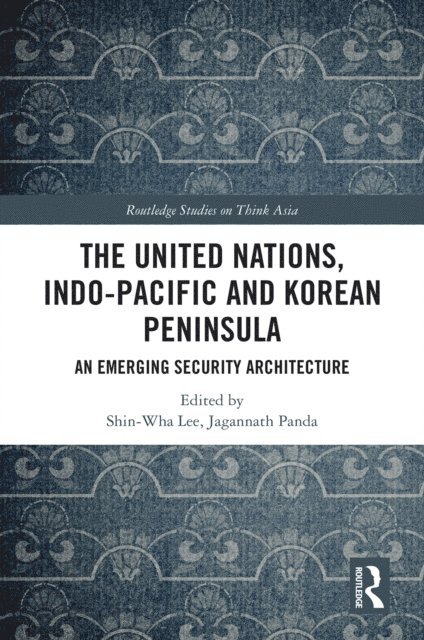
United Nations, Indo-Pacific and Korean Peninsula
An Emerging Security Architecture
Av Jagannath Panda, Shin-wha Lee
E-bok, 2023
669 kr
Lägg i varukorg
The United Nations, Indo-Pacific and Korean Peninsula focuses on the United Nations (UN) and its frameworks to examine the power politics on the two of the world’s more politically sensitive and geo-strategically crucial regions of the Korean Peninsula and the Indo-Pacific. This book provides …
United Nations, Indo-Pacific and Korean Peninsula
An Emerging Security Architecture
Av Jagannath Panda, Shin-wha Lee
E-bok, 2023
669 kr
Lägg i varukorg
The United Nations, Indo-Pacific and Korean Peninsula focuses on the United Nations (UN) and its frameworks to examine the power politics on the two of the world’s more politically sensitive and geo-strategically crucial regions of the Korean Peninsula and the Indo-Pacific. This book provides …
United Nations, Indo-Pacific and Korean Peninsula
An Emerging Security Architecture
Av Shin-wha Lee, Jagannath Panda
Häftad, 2024
594 kr
Lägg i varukorg
The United Nations, Indo-Pacific and Korean Peninsula focuses on the United Nations (UN) and its frameworks to examine the power politics on the two of the world’s more politically sensitive and geo-strategically crucial regions of the Korean Peninsula and the Indo-Pacific. This book provides …
United Nations, Indo-Pacific and Korean Peninsula
An Emerging Security Architecture
Av Shin-wha Lee, Jagannath Panda
Inbunden, 2023
2504 kr
Lägg i varukorg
The United Nations, Indo-Pacific and Korean Peninsula focuses on the United Nations (UN) and its frameworks to examine the power politics on the two of the world’s more politically sensitive and geo-strategically crucial regions of the Korean Peninsula and the Indo-Pacific. This book provides …
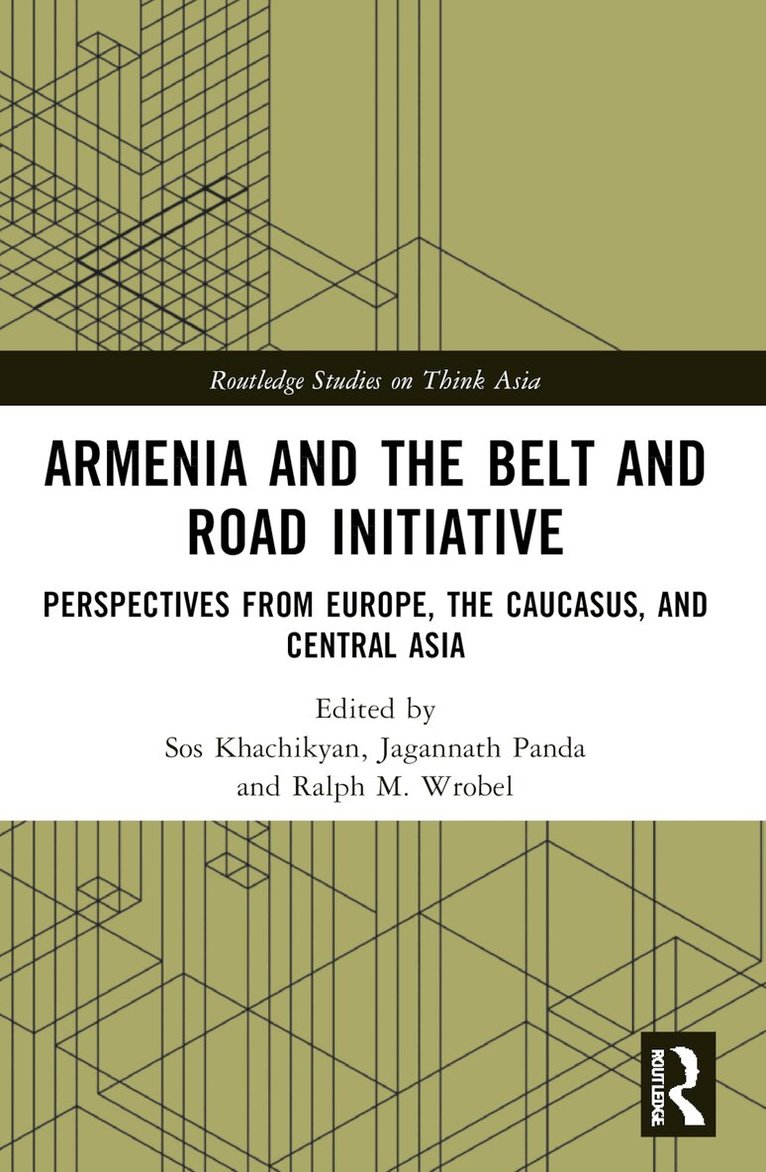
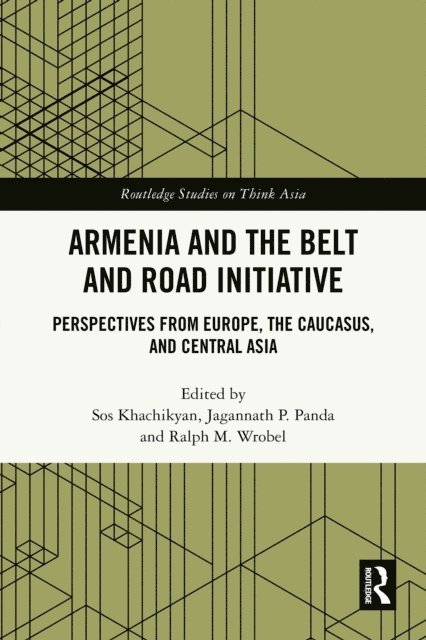
Armenia and the Belt and Road Initiative
Perspectives from Europe, the Caucasus, and Central Asia
Av Sos Khachikyan, Jagannath Panda m. fl.
Inbunden, 2025
2504 kr
Lägg i varukorg
This book analyses the opportunities enabled for Armenia by China’s Belt and Road Initiative (BRI) in the framework of economic cooperation, policy diversification, social inclusion and regional cohesion.Structured in five parts, the chapters outline the economic, geopolitical and legal agenda for …
Armenia and the Belt and Road Initiative
Perspectives from Europe, the Caucasus, and Central Asia
Av Sos Khachikyan, Jagannath Panda m. fl.
Häftad, 2026
647 kr
Lägg i varukorg
This book analyses the opportunities enabled for Armenia by China’s Belt and Road Initiative (BRI) in the framework of economic cooperation, policy diversification, social inclusion and regional cohesion.Structured in five parts, the chapters outline the economic, geopolitical and legal agenda for …
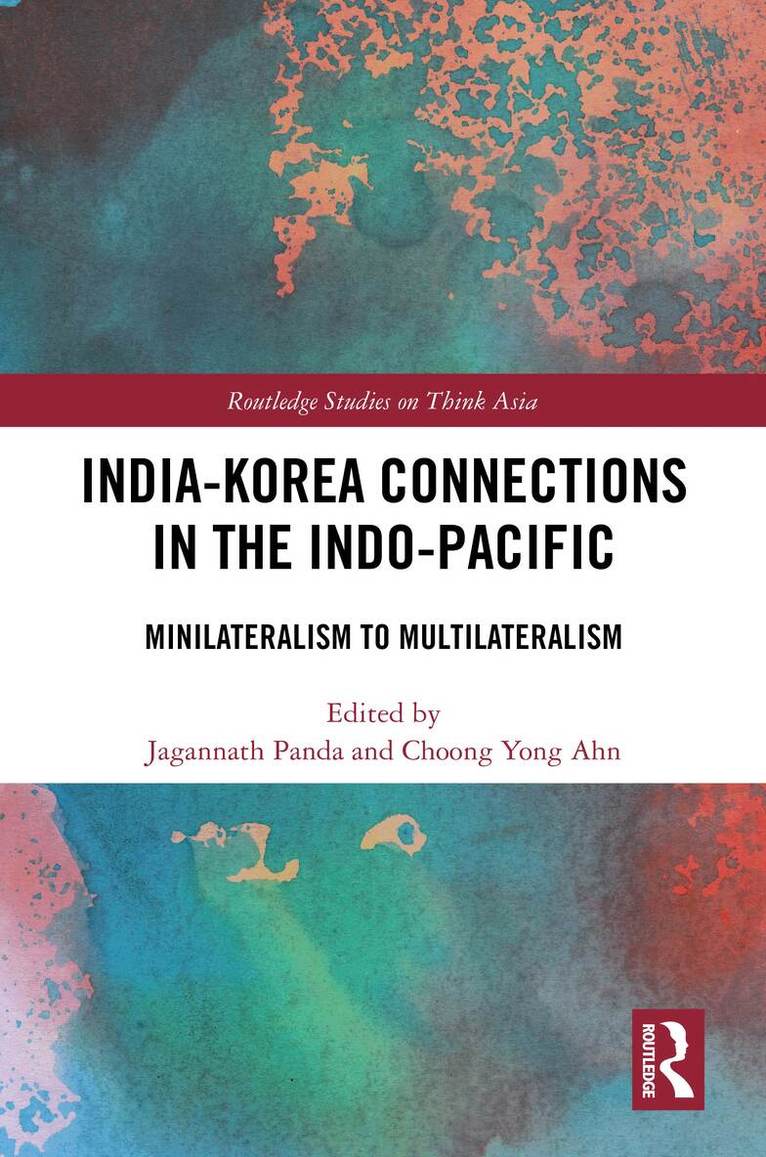
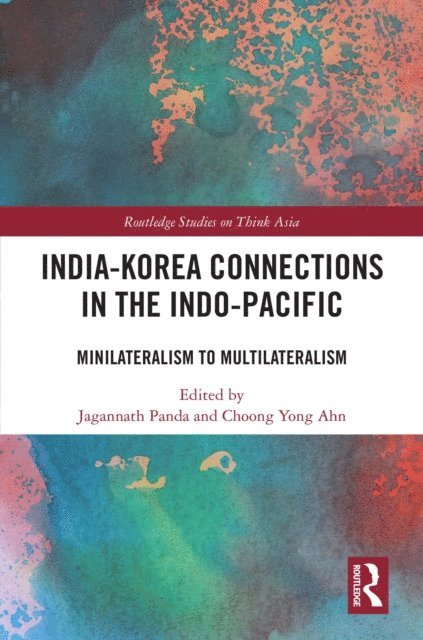
India-Korea Connections in the Indo-Pacific
Minilateralism to Multilateralism
Av Jagannath Panda, Choong Yong Ahn
Inbunden, 2025
2504 kr
Lägg i varukorg
India‑Korea Connections in the Indo‑Pacific presents multidimensional aspects of the Special Strategic Relationship between the Republic of Korea (ROK) and India, ranging from security, diplomacy, trade and FDI, and people‑to‑people exchanges. It analyses the India‑Korea partnership and its …
India-Korea Connections in the Indo-Pacific
Minilateralism to Multilateralism
Av Jagannath Panda, Choong Yong Ahn
Häftad, 2026
704 kr
Lägg i varukorg
India‑Korea Connections in the Indo‑Pacific presents multidimensional aspects of the Special Strategic Relationship between the Republic of Korea (ROK) and India, ranging from security, diplomacy, trade and FDI, and people‑to‑people exchanges. It analyses the India‑Korea partnership and its …
India-Korea Connections in the Indo-Pacific
Minilateralism to Multilateralism
Av Choong Yong Ahn, Jagannath Panda
E-bok, 2025
831 kr
Lägg i varukorg
India‑Korea Connections in the Indo‑Pacific presents multidimensional aspects of the Special Strategic Relationship between the Republic of Korea (ROK) and India, ranging from security, diplomacy, trade and FDI, and people‑to‑people exchanges. It analyses the India‑Korea partnership and its …
India-Korea Connections in the Indo-Pacific
Minilateralism to Multilateralism
Av Choong Yong Ahn, Jagannath Panda
E-bok, 2025
813 kr
Lägg i varukorg
India‑Korea Connections in the Indo‑Pacific presents multidimensional aspects of the Special Strategic Relationship between the Republic of Korea (ROK) and India, ranging from security, diplomacy, trade and FDI, and people‑to‑people exchanges. It analyses the India‑Korea partnership and its …
Armenia and the Belt and Road Initiative
Perspectives from Europe, the Caucasus, and Central Asia
Av Ralph M. Wrobel, Jagannath Panda m. fl.
E-bok, 2025
813 kr
Lägg i varukorg
This book analyses the opportunities enabled for Armenia by China’s Belt and Road Initiative (BRI) in the framework of economic cooperation, policy diversification, social inclusion and regional cohesion. Structured in five parts, the chapters outline the economic, geopolitical and legal agenda for …
Armenia and the Belt and Road Initiative
Perspectives from Europe, the Caucasus, and Central Asia
Av Ralph M. Wrobel, Jagannath Panda m. fl.
E-bok, 2025
813 kr
Lägg i varukorg
This book analyses the opportunities enabled for Armenia by China’s Belt and Road Initiative (BRI) in the framework of economic cooperation, policy diversification, social inclusion and regional cohesion. Structured in five parts, the chapters outline the economic, geopolitical and legal agenda for …
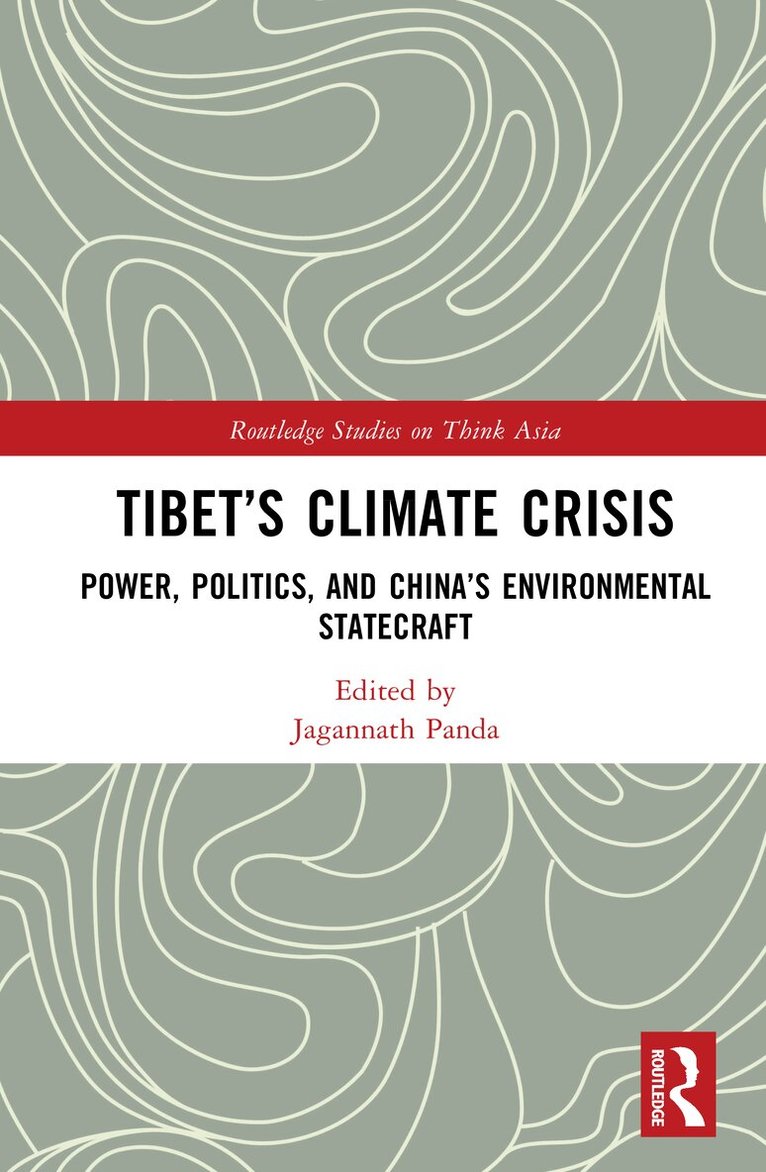
Tibet’s Climate Crisis
Power, Politics, and China’s Environmental Statecraft
Inbunden, 2026
2468 kr
Kommande
This book offers one of the first comprehensive, policy-oriented examinations of the Tibetan Plateau as both a global climate regulator and an emerging geopolitical frontier, providing a holistic framework for understanding one of the world’s least examined, most consequential environmental crises …
India and China in Asia
Between Equilibrium and Equations
Inbunden, 2019
2736 kr
Lägg i varukorg
This book analyses the structure of the India–China relationship and the two prominent powers’ positions with and against each other, bilaterally and globally, in a complex Asian environment and beyond. India and China’s perceptions of one another are evaluated to reveal how the order of Asia is …