Christer Bruun – författare
Visar alla böcker från författaren Christer Bruun. Handla med fri frakt och snabb leverans.
6 produkter
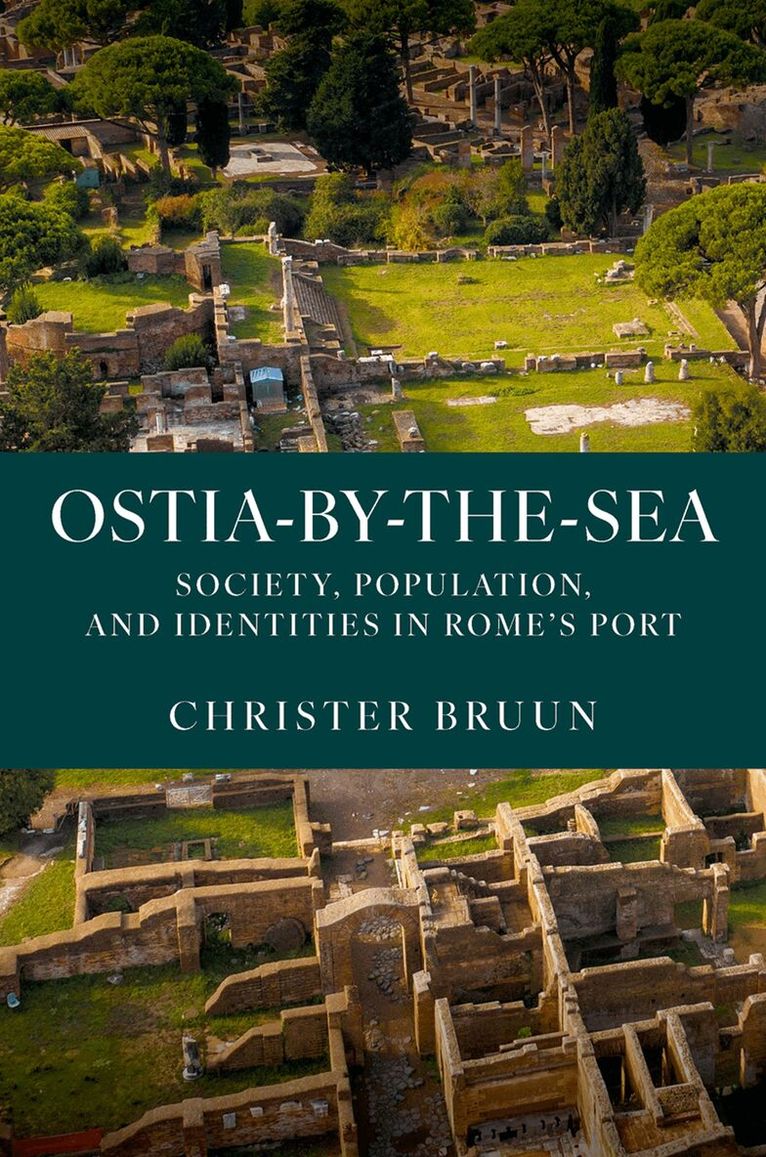
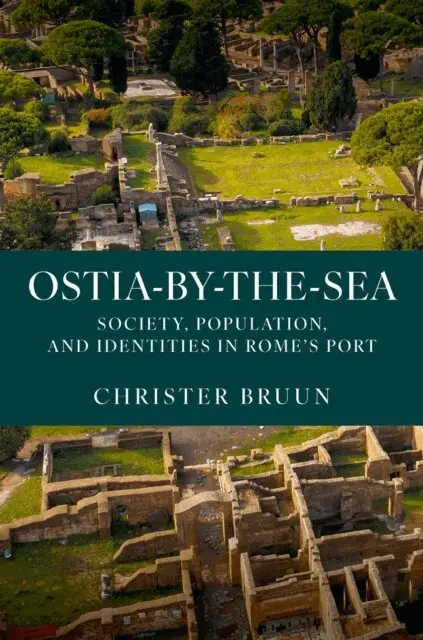
Ostia-by-the-Sea
Society, Population, and Identities in Rome's Port
Inbunden, 2026
1696 kr
Lägg i varukorg
Ostia, the Roman settlement founded at the mouth of the river Tiber, was the port of the imperial capital and one of the most important urban centers in the Mediterranean world during the last decades of the Roman Republic and the Early and High Empires. The town's role as a maritime mercantile hub …
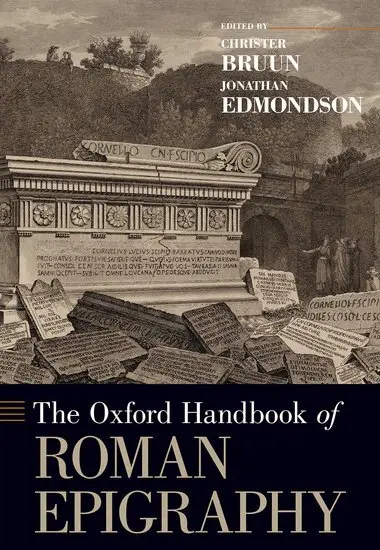
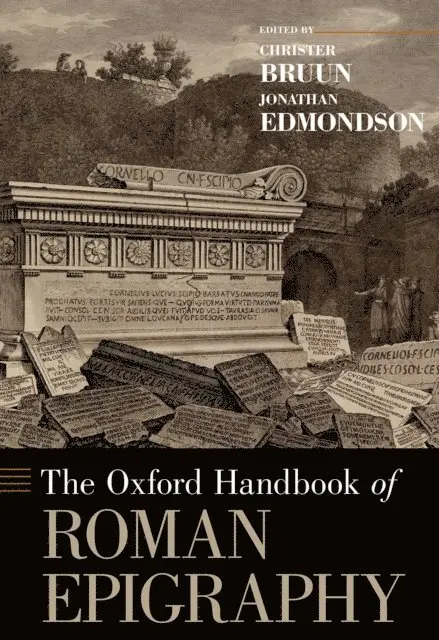
The Oxford Handbook of Roman Epigraphy
Av Christer Bruun, Jonathan Edmondson m. fl.
Häftad, 2018
1050 kr
Lägg i varukorg
Epigraphy, or the study of inscriptions, is critical for anyone seeking to understand the Roman world, whether they regard themselves as literary scholars, historians, archaeologists, anthropologists, religious scholars or work in a field that touches on the Roman world from c. 500 BCE to 500 CE …
The Oxford Handbook of Roman Epigraphy
Av Christer Bruun, Jonathan Edmondson m. fl.
Inbunden, 2015
3756 kr
Lägg i varukorg
Epigraphy, or the study of inscriptions, is critical for anyone seeking to understand the Roman world, whether they regard themselves as literary scholars, historians, archaeologists, anthropologists, religious scholars or work in a field that touches on the Roman world from c. 500 BCE to 500 CE …
Ostia-by-the-Sea
Society, Population, and Identities in Rome's Port
E-bok, 2026
1526 kr
Lägg i varukorg
Ostia, the Roman settlement founded at the mouth of the river Tiber, was the port of the imperial capital and one of the most important urban centers in the Mediterranean world during the last decades of the Roman Republic and the Early and High Empires. The town's role as a maritime mercantile hub …
Ostia-by-the-Sea
Society, Population, and Identities in Rome's Port
E-bok, 2026
1526 kr
Lägg i varukorg
Ostia, the Roman settlement founded at the mouth of the river Tiber, was the port of the imperial capital and one of the most important urban centers in the Mediterranean world during the last decades of the Roman Republic and the Early and High Empires. The town's role as a maritime mercantile hub …
Oxford Handbook of Roman Epigraphy
Av Jonathan Edmondson, Christer Bruun
E-bok, 2014
642 kr
Lägg i varukorg
Epigraphy, or the study of inscriptions, is critical for anyone seeking to understand the Roman world, whether they regard themselves as literary scholars, historians, archaeologists, anthropologists, religious scholars or work in a field that touches on the Roman world from c. 500 BCE to 500 CE …