Christian Dehli – Författare
Visar alla böcker från författaren Christian Dehli. Handla med fri frakt och snabb leverans.
3 produkter
3 produkter
377 kr
Skickas
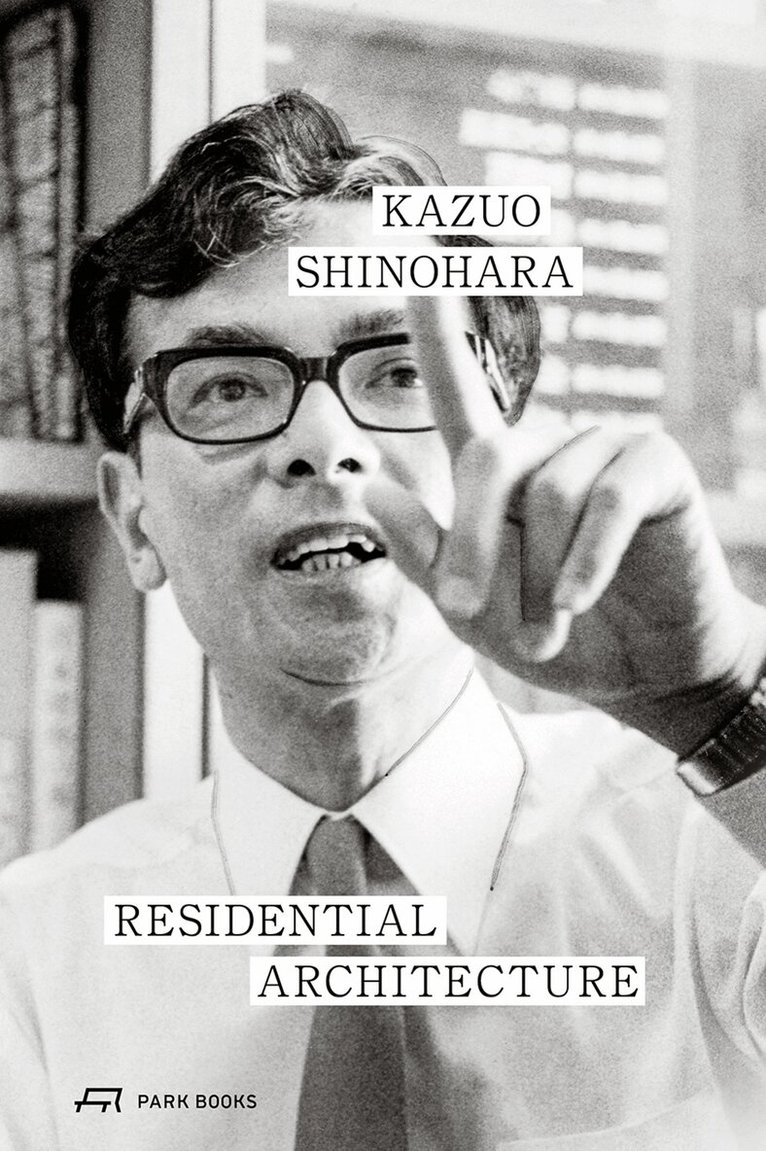
Kazuo Shinohara’s (1925–2006) book Residential Architecture is considered one of the most significant pieces of writing on Japanese architecture of the late 20th century. First published in Japan in 1964 as Jûtaku kenchiku, the book was mandatory reading for generations of students of architecture in Japan, and has deeply influenced many of the best-known Japanese designers, such as Toyo Ito, Kazuyo Sejima, Ryue Nishizawa, and others.Translated by architectural historian David B. Stewart (1942–2025) and architects Shin-ichi Okuyama and Kenichi Nakamura, Shinohara’s reflections on housing become available in English for the first time, making the multifaceted insights into the ideational fundamentals of his outstanding work accessible to a global audience. In the first of three chapters, Shinohara writes about traditional Japanese architecture, thus explaining the foundation of his theory and practice. This is followed by a description of his design method, which he further illustrates in the third part through the examples of his first seven designs for homes.
Kazuo Shinohara – 3 Houses. 2nd edition
House in White, House in Uehara, House in Yokohama
Häftad, Engelska, 2025
1 215 kr
Skickas
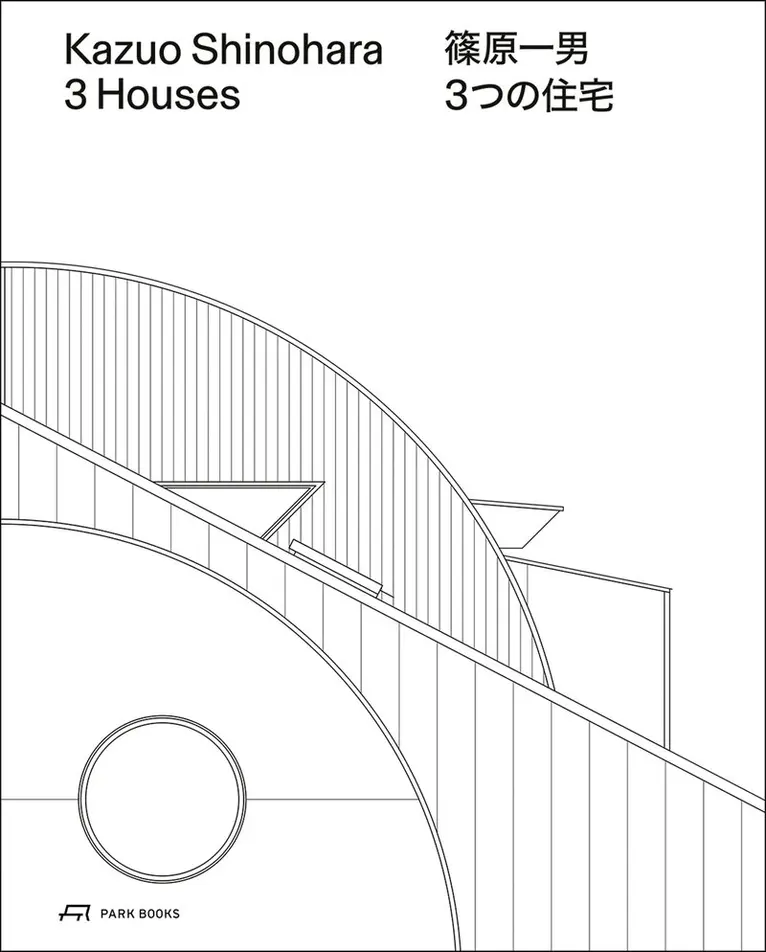
2025 marks the centenary of Kazuo Shinohara (1925–2006), one of the most distinguished and influential Japanese architects of the 20th century. In homage, this stunning book, first published by Quart Verlag in 2019 and winner of one of the 2020 Most Beautiful Swiss Books awards, becomes available again in a new edition.Kazuo Shinohara—3 Houses analyses three of the architect’s key designs: the House in White (1966), the House in Uehara (1976), and the House in Yokohama (1984). The large-sized volume features floor plans, sections, and elevations, all newly redrawn in true scale from Shinohara’s originals, as well as reproductions of his hand drawings and archival photographs. Contributions by architects David B. Stewart (1928–2015), who taught alongside Shinohara as professor at the Tokyo Institute of Technology, and Shin-ichi Okuyama (born 1961) place the three private homes within his oeuvre and offer insights into his particular working methods. A foreword by Ryue Nishizawa, cofounder of SANAA and 2010 Pritzker Prize laureate, highlights Shinohara’s lasting significance and influence on contemporary architecture in Japan.Text in English and Japanese.
423 kr
Skickas inom 3-6 vardagar
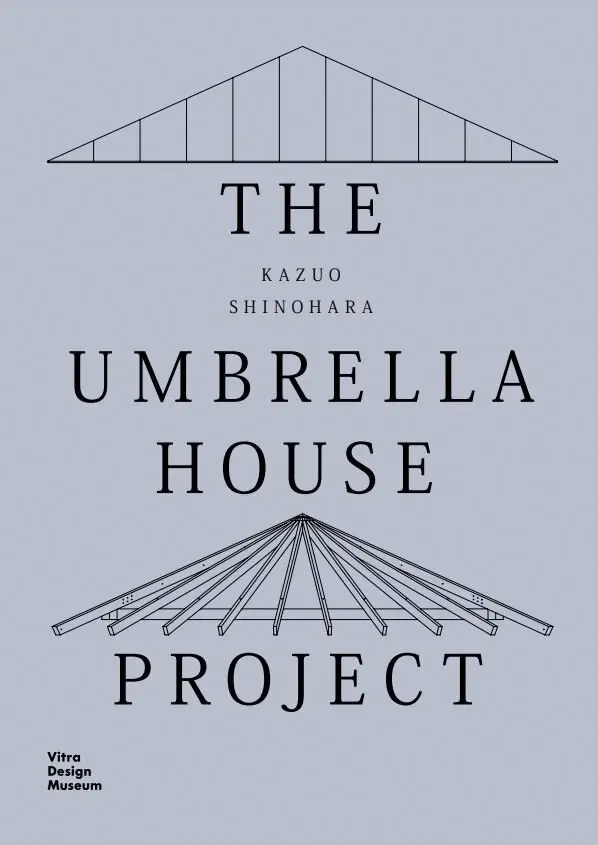
The Umbrella House is the smallest residential home by Japanese architect and mathematician Kazuo Shinohara (1925–2006). This book tells the story of his unique masterpiece, which was first built in Tokyo in 1961. More than sixty years later, a stroke of good fortune made it possible to save the Umbrella House from demolition and move it to a new location, where it now stands on the Vitra Campus in Weil am Rhein (Germany). The wooden house’s post-and-beam construction references traditional Japanese domestic and temple architecture. Experts from Japan and Europe supervised the dismantling of the house in Tokyo and its reassembly in Weil am Rhein.The book traces the long journey of the Umbrella House in lavish illustrations including impressions from 1960s Japan, architectural designs and plans, and photographs that document its dismantling and reassembly or show the house in its new location. Texts by Ryue Nishizawa (SANAA), Shin-ichi Okuyama, and David B. Stewart discuss the Umbrella House against the background of Japanese architectural discourse between 1960 and the present."The strength of my conviction that A House is a Work of Art was born of the struggle with this small house. I wished to express the force of space contained in the doma [earthen-floor room] of an old Japanese farmhouse, this time by means of the geometric structural design of a karakasa [oiled-paper Japanese umbrella]." Kazuo Shinohara in a text on the Umbrella House published in October 1962 in the Japanese architecture journal Shinkenchiku (vol. 37, no. 10; first published in English in February 1963 in The Japan Architect, vol. 38, no. 2).