
Christiana Constantopoulou – författare
Visar alla böcker från författaren . Handla med fri frakt och snabb leverans.
4 produkter
4 produkter
Häftad, Engelska, 2021
230 kr
Skickas
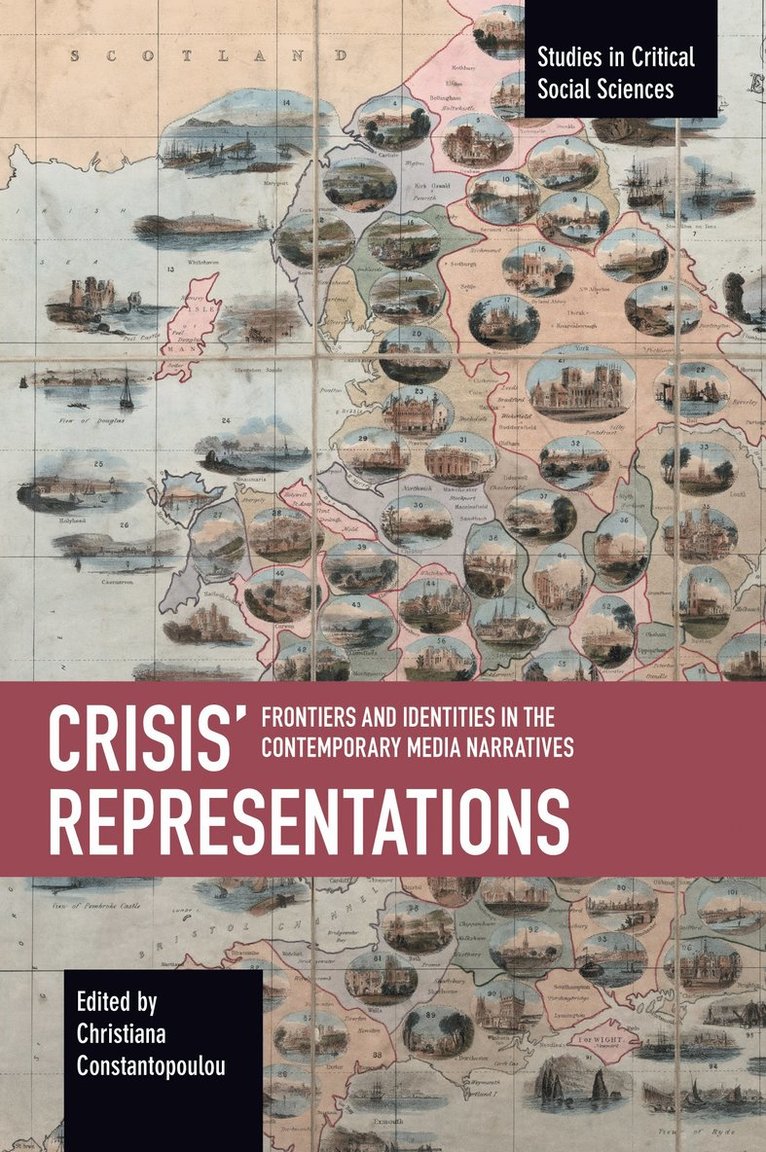
This timely volume brings together prominent sociologists from across the world to unravel the role played by contemporary "narrations" of the economic and refugee crisis as they have mobilized every aspect of social storytelling over the course of the last decade throughout Europe. Because the different (mass and social) media reflect the dominant ideas and representations, it becomes essential to analyze the meaning of their narratives to even begin to understand the relationship (or "inexistent dialogue") between official political discourses and popular myths—most notably the valuation of prosperity so actively promoted by the mass culture and the cultural industry's products. Time and again the pieces in Crisis' Representations find that, despite ongoing inequalities and other social difficulties, contemporary audiences seem to counterbalance their misery with the dreams of happiness provided by these dominant narratives.Contributors include: Christiana Constantopoulou, Amalia Frangiskou, Evangelia Kalerante, Laurence Larochelle, Debora Marcucci, Valentina Marinescu, Albertina Pretto, Maria Thanopoulou, Joanna Tsiganou, Vasilis Vamvakas, and Eleni Zyga.
Del 173 - Studies in Critical Social Sciences
Crisis’ Representations: Frontiers and Identities in the Contemporary Media Narratives
Inbunden, Engelska, 2020
2 863 kr
Skickas inom 5-8 vardagar
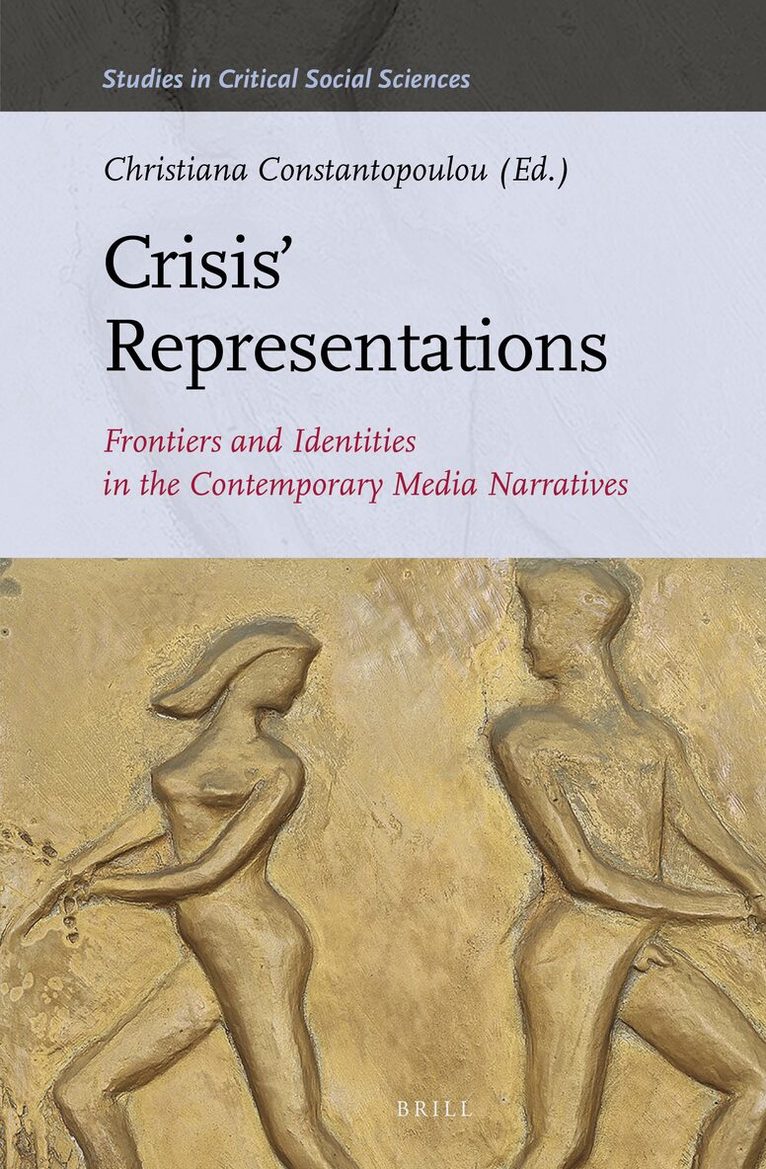
This book constitutes a sociological research on the current “narrations” of the economic and refugee crisis which has mobilized all the aspects of social storytelling during the last decade, most particularly in the European South. Because the different (mass and social) media reflect the dominant ideas and representations, the research on the meaning of different media narratives becomes a necessary report for the understanding of the relation (or “inexistent dialogue”?) between official political discourses and popular myths (based on everyday life values of prosperity, mostly promoted by the mass culture and the cultural industries’ products). Despite the ongoing inequalities and difficulties, the contemporary audiences seem to counterbalance misery by the dreams of happiness, provided by this kind of products.Contributors include: Christiana Constantopoulou, Amalia Frangiskou, Evangelia Kalerante, Laurence Larochelle, Debora Marcucci, Valentina Marinescu, Albertina Pretto, Maria Thanopoulou, Joanna Tsiganou, Vasilis Vamvakas, and Eleni Zyga.
Del 228 - Studies in Critical Social Sciences
Media Narratives: Productions and Representations of Contemporary Mythologies
Inbunden, Engelska, 2023
2 293 kr
Skickas inom 5-8 vardagar
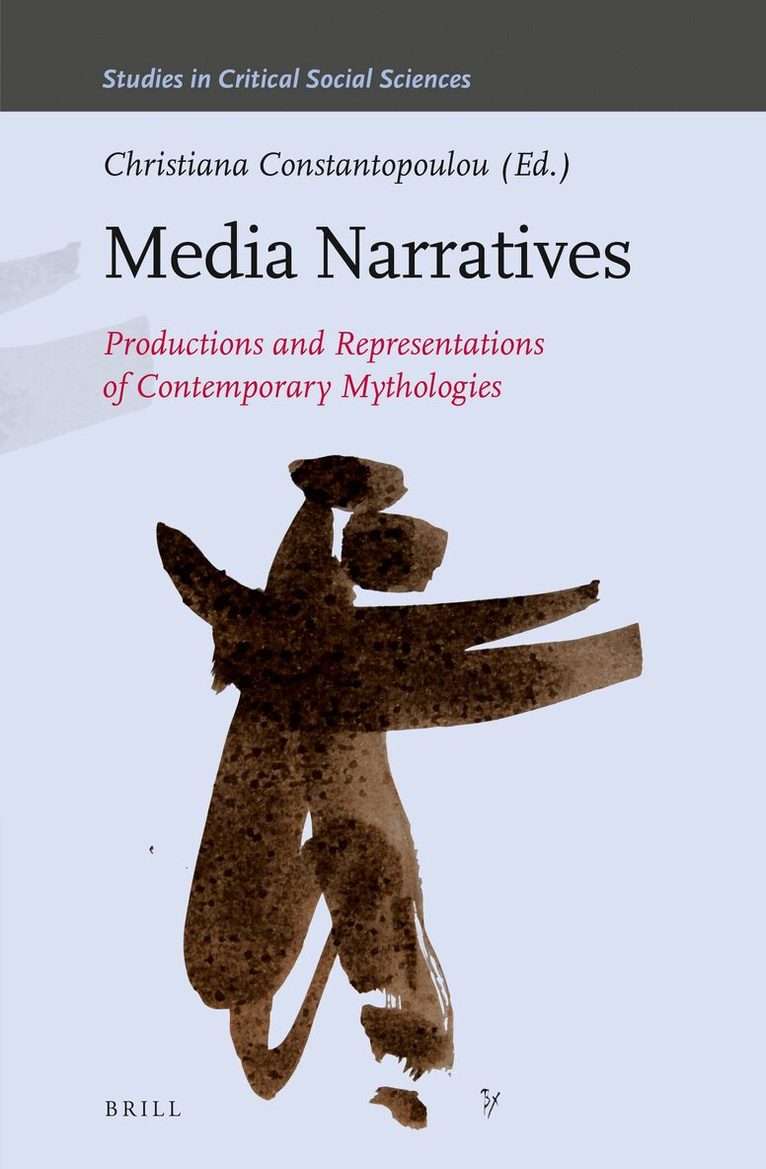
Media constitute a privileged field of analysis as it interferes dynamically with the current popular ideas and myths (myths which narrate, explain and often justify social realities – such as games of power, economic and financial inequalities, drug dealing, disasters, diseases or pandemic threats). In this frame, the archetypal dimensions of the imaginary, of gossiping and of storytelling also seem to play an important role even in the frame of the (so called) “rational discourse”. Media Narratives is an effort to analyze ongoing narratives (either political or fictional) in Argentina, Brazil, Greece, Mexico or United States, expressing interpretations of contemporary events (such as crimes, scandals, diseases or political activism), but also presenting common beliefs and desires revealed by the popular artistic creations. These narratives compose the mythical background of the contemporary globalized world, the “spirit of the time” as Edgar Morin had named it, a spirit which is expressed in current ideas and mentalities. This effort can be characterized as a representative survey of popular beliefs of the 21st Century represented in storytelling. The articles collected in this book will reveal some important facets of the contemporary mythologies. Contributors are: Lucia Acuña-Pedro, Graziela Ares, Eduardo Barbabela, Mercedes Calzado, Omar Cerrillo Garnica, Christiana Constantopoulou, Mariana Fernández, Humberto Fernandes, Jaqueline García Cordero, Enrique García Romero, Leda Maria Caira Gitahy, Yamila Gómez, Vanesa Lio, Melina Meimaridis, José A. Ruiz San Román, Pedro Paulo Martins Serra, Hara Stratoudaki, Leandro R. Tessler, and Gabriela Villen.
Häftad, Engelska, 2024
353 kr
Skickas inom 5-8 vardagar
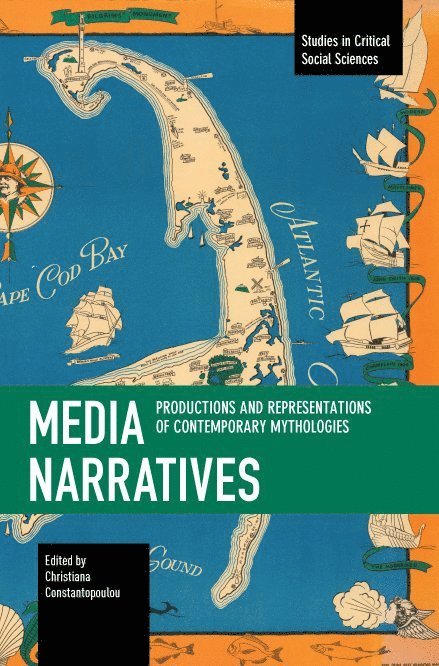
The media of a society always dynamically interacts with current popular ideas and myths (myths which narrate, explain and often justify social realities—such as games of power, economic and financial inequalities, drug dealing, disasters, diseases or pandemic threats, to name just a few salient examples). In this frame, the archetypal dimensions of the imaginary, of gossiping and of storytelling also seem to play an important role even in the frame of the (so called) “rational discourse”.Media Narratives is an effort to analyze ongoing narratives (either political or fictional) in Argentina, Brazil, Greece, Mexico or the United States, expressing interpretations of contemporary events (such as crimes, scandals, diseases or political activism), but also presenting common beliefs and desires revealed by popular artistic creations. These narratives compose the mythical background of the contemporary globalized world, the “spirit of the time” as Edgar Morin named it, a spirit which is expressed in current ideas and mentalities. This effort can be characterized as a representative survey of popular beliefs of the 21st Century represented in storytelling. The articles collected in this book will reveal some important facets of our contemporary mythologies.Contributors are: Lucia Acuña-Pedro, Graziela Ares, Eduardo Barbabela, Mercedes Calzado, Omar Cerrillo Garnica, Christiana Constantopoulou, Mariana Fernández, Humberto Fernandes, Jaqueline García Cordero, Enrique García Romero, Leda Maria Caira Gitahy, Yamila Gómez, Vanesa Lio, Melina Meimaridis, José A. Ruiz San Román, Pedro Paulo Martins Serra, Hara Stratoudaki, Leandro R. Tessler, and Gabriela Villen.