- Nyhet
Häftad, Engelska, 2026
474 kr
Skickas
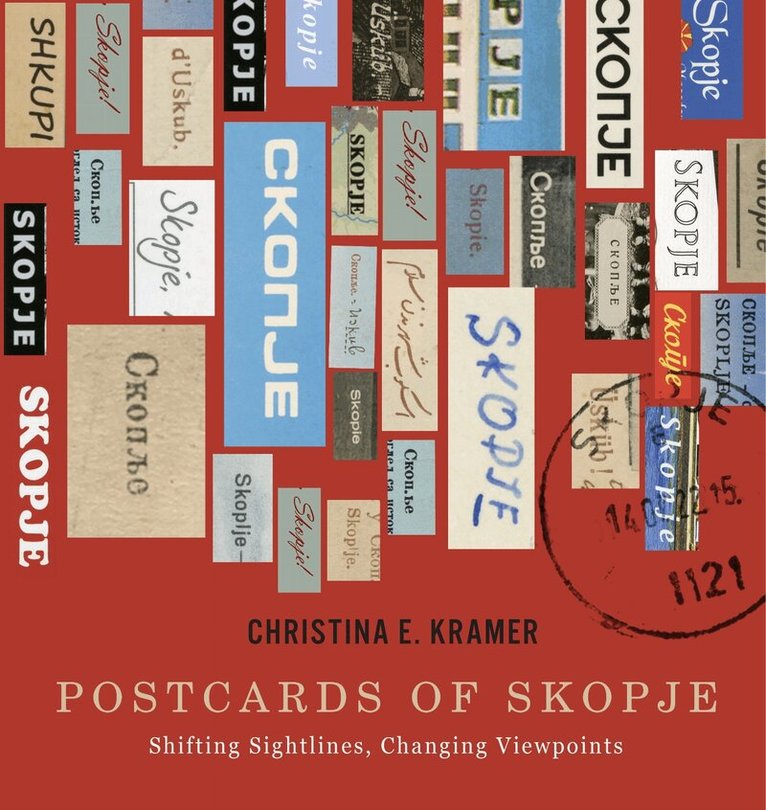
Over the course of the twentieth century the Macedonian city of Skopje was contested and continuously changing. Picture postcards sent and received by Skopje’s people and its visitors document turbulent periods of partition, wars, natural disasters, and independence.In Postcards of Skopje Christina Kramer argues that postcards provide an extraordinary archive from which to read and make visible political history. Fragmentary, ephemeral, and transitory in nature, postcards frame the shifting history of the capital city of what is now called the Republic of North Macedonia. Individually, the postcards serve as snapshots of Skopje and the people who lived there. Taken chronologically, they capture the incremental transformations in the landscape, the languages that describe and define it, and the changing flow of people through the city. Kramer analyzes more than eight hundred postcards both from her personal collection, amassed over the course of almost fifty years of visiting Skopje, and from archives in Macedonia. She demonstrates that postcards do not merely depict a single moment in time but rather represent multi-temporal montages.Postcards of Skopje reveals the many ways in which the creators, writers, and recipients of postcards experienced, understood, and presented the Macedonian city.