Christina Leza - Böcker
Visar alla böcker från författaren Christina Leza. Handla med fri frakt och snabb leverans.
2 produkter
2 produkter
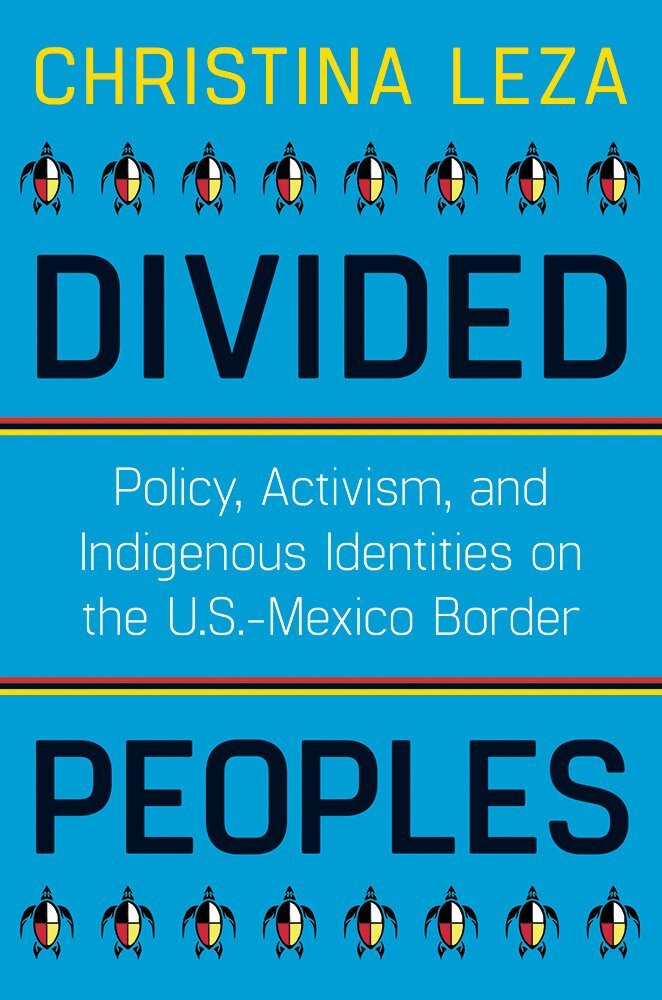
Divided Peoples
Policy, Activism, and Indigenous Identities on the U.S.-Mexico Border
Häftad, Engelska, 2021
364 kr
Skickas inom 7-10 vardagar
The border region of the Sonoran Desert, which spans southern Arizona in the United States and northern Sonora, Mexico, has attracted national and international attention. But what is less discussed in national discourses is the impact of current border policies on the Native peoples of the region. There are twenty-six tribal nations recognized by the U.S. federal government in the southern border region and approximately eight groups of Indigenous peoples in the United States with historical ties to Mexico—the Yaqui, the O’odham, the Cocopah, the Kumeyaay, the Pai, the Apaches, the Tiwa (Tigua), and the Kickapoo.Divided Peoples addresses the impact border policies have on traditional lands and the peoples who live there—whether environmental degradation, border patrol harassment, or the disruption of traditional ceremonies. Anthropologist Christina Leza shows how such policies affect the traditional cultural survival of Indigenous peoples along the border. The author examines local interpretations and uses of international rights tools by Native activists, counterdiscourse on the U.S.-Mexico border, and challenges faced by Indigenous border activists when communicating their issues to a broader public.Through ethnographic research with grassroots Indigenous activists in the region, the author reveals several layers of division—the division of Indigenous peoples by the physical U.S.-Mexico border, the divisions that exist between Indigenous perspectives and mainstream U.S. perspectives regarding the border, and the traditionalist/nontraditionalist split among Indigenous nations within the United States. Divided Peoples asks us to consider the possibilities for challenging settler colonialism both in sociopolitical movements and in scholarship about Indigenous peoples and lands.
456 kr
Skickas inom 7-10 vardagar
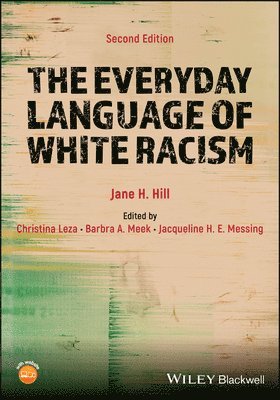
A groundbreaking critical discourse analysis of everyday language, reveals the underlying racist stereotypes circulating in American cultureIn The Everyday Language of White Racism, prominent linguist Jane H. Hill provides an incisive analysis of the relationship between language, race, and culture. First published in 2008, this classic textbook employs an innovative framework to reveal the underlying racist stereotypes that continue to persist in White American culture and sustain structures of White Supremacy. Detailed yet accessible chapters integrate a broad range of literature from across disciplines, including sociology, social psychology, critical legal studies, anthropology, and sociolinguistics. Throughout the book, students are encouraged to engage with the linguistic data available through observation of racialized communication in their everyday lives.Edited by a team of leading scholars, the second edition of The Everyday Language of White Racism brings Hill's contributions to the study of racism into conversation with the most current literature on language and racism in the United States. Topics such as racial profiling, police violence, the Black Lives Matter movement, White nationalism, White fragility, and various forms of institutional racism are addressed within Hill's broader framework of White racial projects and the “White folk” theory of race and racism. New chapter-by-chapter annotations clarify and contextualize theoretical concepts, accompanied by new discussion questions that offer guidance for analytical conversations in classrooms. Provides resources for critical discussions on contemporary racial issues that continue to limit and endanger BIPOC (Black, Indigenous, and People of Color) individuals and communitiesDispels the common assumption that White racism is fading in the US and the Western worldIllustrates how racist effects can be produced in interaction without any single person intending discriminationContains an overview of the theory of race and racism, with definitions of terms and conceptsIncludes recent statistical data on U.S. racial gaps across a variety of categories and access to a companion website with additional resourcesThe Everyday Language of White Racism, Second Edition remains an indispensable resource for undergraduate and graduate students in Critical Race Studies and Linguistic Anthropology courses across the Humanities and Social Sciences.