Christina Souyoudzoglou-Haywood – författare
Visar alla böcker från författaren Christina Souyoudzoglou-Haywood. Handla med fri frakt och snabb leverans.
2 produkter
2 produkter
420 kr
Tillfälligt slut
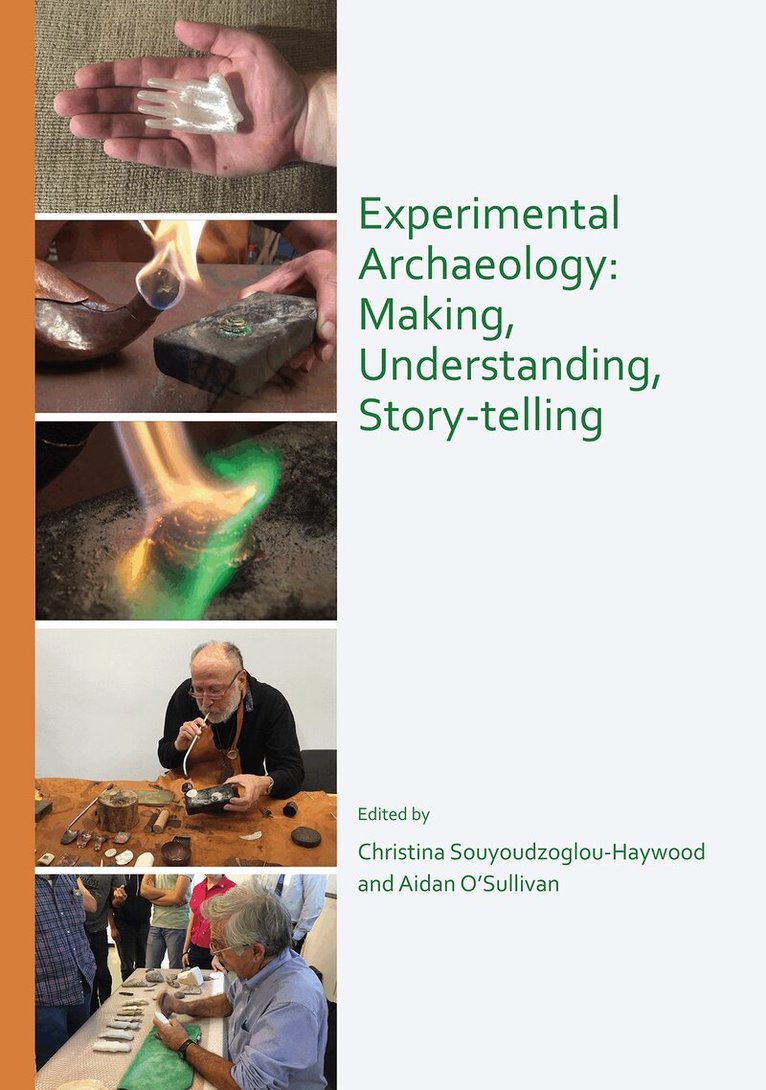
Experimental Archaeology: Making, Understanding, Story-telling is based on the proceedings of a two-day workshop on experimental archaeology at the Irish Institute of Hellenic Studies at Athens in 2017, in collaboration with UCD Centre for Experimental Archaeology and Material Culture. Scholars, artists and craftspeople explore how people in the past made things, used and discarded them, from prehistory to the Middle Ages. The papers include discussions of the experimental archaeological reconstruction and likely past experience of medieval houses, and also about how people cast medieval bronze brooches, or sharpened Bronze Age swords, made gold ornaments, or produced fresco wall paintings using their knowledge, skills and practices. The production of ceramics is explored through a description of the links between Neolithic pottery and textiles, through the building and testing of a Bronze Age Cretan pottery kiln, and through the replication and experience of Minoan figurines. The papers in this volume show that experimental archaeology can be about making, understanding, and storytelling about the past, in the present.
2 023 kr
Skickas inom 5-8 vardagar
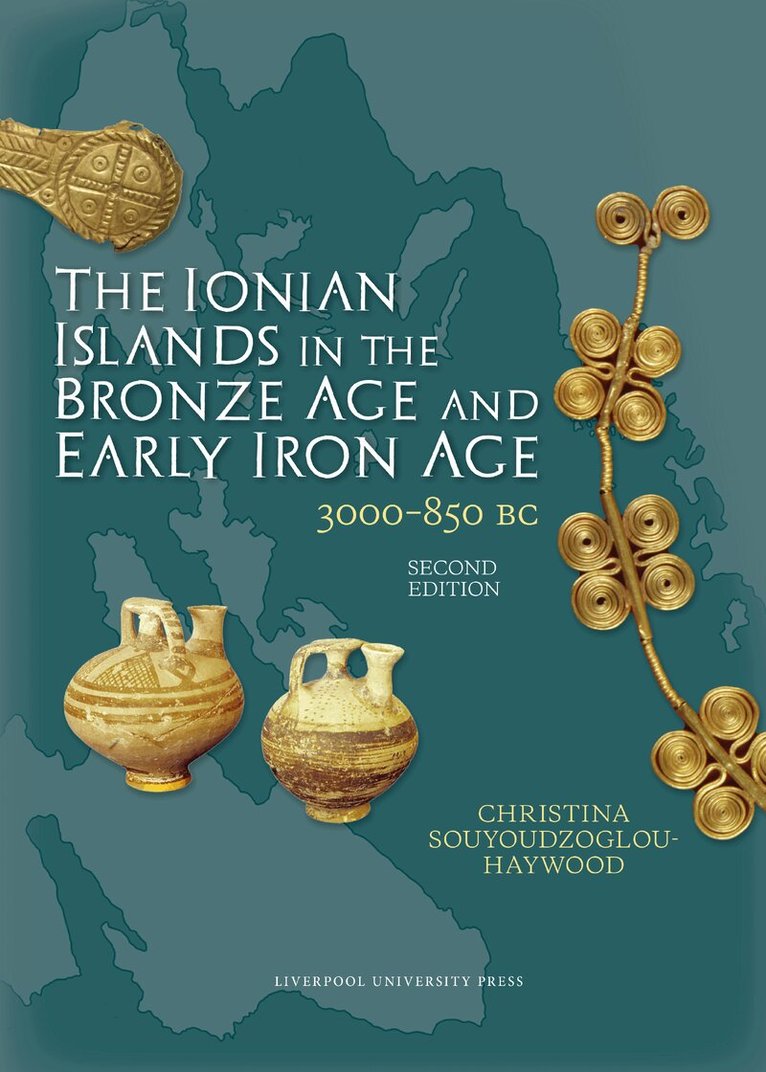
The central Ionian Islands occupy a special geographical position in the eastern Mediterranean. On the one hand they face and are in close proximity to the western Greek mainland and on the other they are connected with the western Balkans and the central Mediterranean through the Ionian and Adriatic seas. Although, with the exception of Corfu, they were integrated in the Aegean cultural sphere of influence throughout the Bronze Age and Early Iron Age, their marginal position and insularity also contributed to the formation of particular sociocultural identities, individually and as a group. On occasions these conditions also made them highly desirable as spaces for wide-ranging maritime-based interactions and inter-cultural exchanges. Culturally the islands remained above all a part of the western periphery of the Aegean world, pulsing to its major changes and upheavals.In the twenty years since the first edition of The Ionian Islands in the Bronze Age and Early Iron Age came out there has been a significant surge of interest in peripheries and their role in the construction of cultural and historical narratives about Greece over the centuries. Yet the Ionian Islands have by and large been left behind in these discussions. This fully revised second edition of the book incorporates all the recent discoveries and studies, as well as updating a large part of the earlier evidence, and aims to bring the islands back to the centre of debates and showcase their relevance.