Christl Maier – författare
Visar alla böcker från författaren Christl Maier. Handla med fri frakt och snabb leverans.
6 produkter
6 produkter
E-bok
PDF, Tyska, 2013499 kr
Läs direkt efter köp
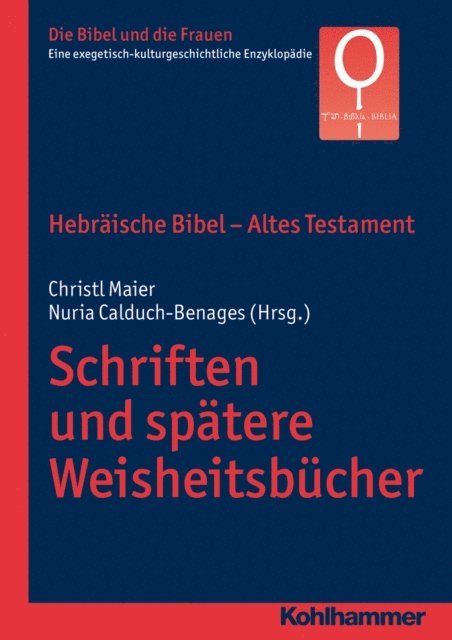
Der vorliegende Band befasst sich mit dem dritten Kanonteil der Hebräischen Bibel, den sogenannten Schriften, sowie mit zwei weiteren Texten, die thematisch eng mit dem Sprüchebuch verbunden sind: Jesus Sirach, die griechische Übersetzung einer hebräischen Schrift, und das ursprünglich griechisch verfasste Buch der Weisheit. Mehrere Beiträge gehen den Lebensrealitäten von Frauen in persischer und hellenistischer Zeit nach, ferner wird die israelitische Weisheitstradition mit ihren zahlreichen weiblichen Charakteren beschrieben: Frau Weisheit und die "fremde" Frau, die Königsmutter und die "starke" Frau, die "gute" und die "schlechte" Ehefrau. Beiträge zu den Psalmen, den Klageliedern und dem Hohelied erschließen weibliche Stimmen und Erfahrungen oder zeigen Verbindungen zwischen Texten und ikonographischen Traditionen auf. Schließlich kommen die Erzählungen über Rut, Ester und Susanna in den Blick, deren weibliche Hauptfiguren in Konfliktsituationen Weisheit und Stärke zeigen und deshalb als Vorbilder an Tugend und Glauben dienen können.
499 kr
Läs direkt efter köp
Der vorliegende Band befasst sich mit dem dritten Kanonteil der Hebräischen Bibel, den sogenannten Schriften, sowie mit zwei weiteren Texten, die thematisch eng mit dem Sprüchebuch verbunden sind: Jesus Sirach, die griechische Übersetzung einer hebräischen Schrift, und das ursprünglich griechisch verfasste Buch der Weisheit. Mehrere Beiträge gehen den Lebensrealitäten von Frauen in persischer und hellenistischer Zeit nach, ferner wird die israelitische Weisheitstradition mit ihren zahlreichen weiblichen Charakteren beschrieben: Frau Weisheit und die "fremde" Frau, die Königsmutter und die "starke" Frau, die "gute" und die "schlechte" Ehefrau. Beiträge zu den Psalmen, den Klageliedern und dem Hohelied erschließen weibliche Stimmen und Erfahrungen oder zeigen Verbindungen zwischen Texten und ikonographischen Traditionen auf. Schließlich kommen die Erzählungen über Rut, Ester und Susanna in den Blick, deren weibliche Hauptfiguren in Konfliktsituationen Weisheit und Stärke zeigen und deshalb als Vorbilder an Tugend und Glauben dienen können.
E-bok
PDF, Tyska, 20211 111 kr
Läs direkt efter köp
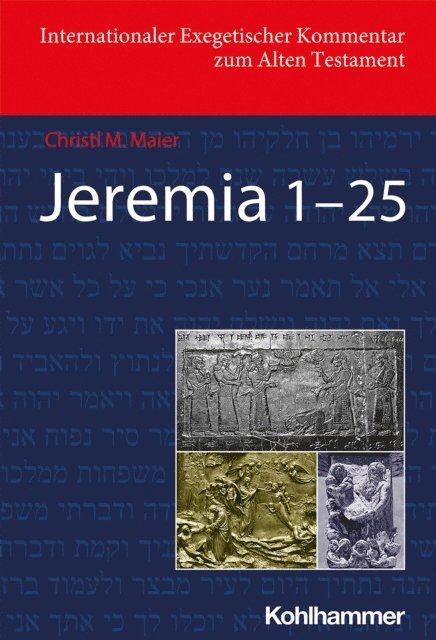
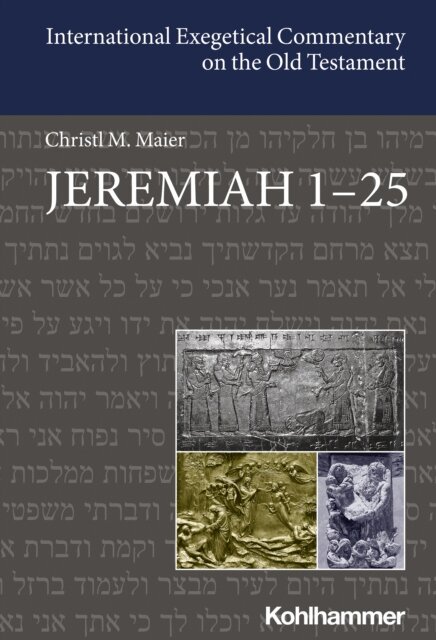
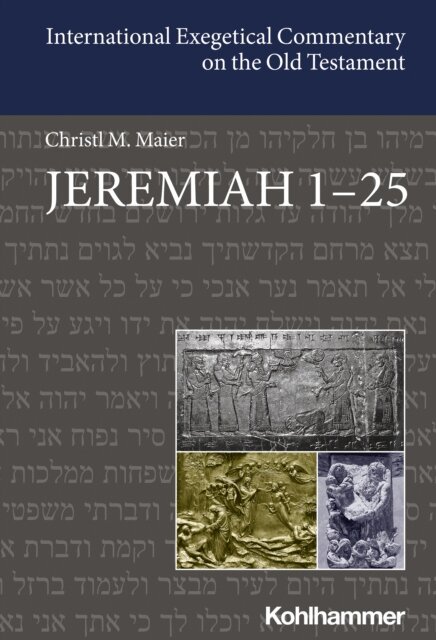
This commentary regards Jer. 1&25 as a dramatic text: in laments, accusations, and predictions of disaster, it issues a polyphonic message on the downfall of Jerusalem and Judah. In accordance with the format of this series, the Hebrew text is initially analysed synchronically in relation to rhetoric, genre, linguistic phenomena, motifs, and theological statements. Against the background of the political situation of Judah from the end of the seventh century BCE, a diachronic analysis attempts to reconstruct the genesis of the text. The starting point for this is the older version of it, preserved in the Greek tradition. The texts, which are rich in imagery and sometimes disturbing, and which set the scene for the downfall of the kingdom of Judah, are interpreted by Maier for contemporary readers with the help of more recent hermeneutical viewpoints such as feminist biblical interpretation, postcolonial theory and trauma research. The way in which the book of Jeremiah seeks to come to terms with cultural trauma & and in the face of war, famine and expulsion, struggles to find an image of God that is capable of explaining history, while at the same time conveying hope for a better future & becomes clear in the process. The female personification of Jerusalem provides an emotional and compassionate portrait of the people, giving voice to their experiences of the violence and destruction of war. Jeremiah, persecuted for his message of doom, is wrestling with God on behalf of the people.
E-bok
Tyska, 20211 111 kr
Läs direkt efter köp
This commentary regards Jer. 1&25 as a dramatic text: in laments, accusations, and predictions of disaster, it issues a polyphonic message on the downfall of Jerusalem and Judah. In accordance with the format of this series, the Hebrew text is initially analysed synchronically in relation to rhetoric, genre, linguistic phenomena, motifs, and theological statements. Against the background of the political situation of Judah from the end of the seventh century BCE, a diachronic analysis attempts to reconstruct the genesis of the text. The starting point for this is the older version of it, preserved in the Greek tradition. The texts, which are rich in imagery and sometimes disturbing, and which set the scene for the downfall of the kingdom of Judah, are interpreted by Maier for contemporary readers with the help of more recent hermeneutical viewpoints such as feminist biblical interpretation, postcolonial theory and trauma research. The way in which the book of Jeremiah seeks to come to terms with cultural trauma & and in the face of war, famine and expulsion, struggles to find an image of God that is capable of explaining history, while at the same time conveying hope for a better future & becomes clear in the process. The female personification of Jerusalem provides an emotional and compassionate portrait of the people, giving voice to their experiences of the violence and destruction of war. Jeremiah, persecuted for his message of doom, is wrestling with God on behalf of the people.
E-bok
PDF, Engelska, 2025717 kr
Läs direkt efter köp
The commentary interprets Jeremiah 1-25 as a dramatic text: In laments, accusations, and announcements of doom, a polyphonic message about the fall of Jerusalem and Judah emerges. The colorful and at times disturbing texts narrate a cultural trauma and try to develop an image of God that can explain history and at the same time convey hope for a better future. The female personification of Jerusalem provides an emotional and compassionate portrait of the people, giving voice to their experience of wartime violence and destruction. The persecuted prophet Jeremiah wrestles with God on behalf of the people.
E-bok
Engelska, 2025692 kr
Läs direkt efter köp
The commentary interprets Jeremiah 1-25 as a dramatic text: In laments, accusations, and announcements of doom, a polyphonic message about the fall of Jerusalem and Judah emerges. The colorful and at times disturbing texts narrate a cultural trauma and try to develop an image of God that can explain history and at the same time convey hope for a better future. The female personification of Jerusalem provides an emotional and compassionate portrait of the people, giving voice to their experience of wartime violence and destruction. The persecuted prophet Jeremiah wrestles with God on behalf of the people.