5 850 kr
Skickas inom 5-8 vardagar
5 850 kr
Skickas inom 5-8 vardagar
426 kr
Skickas inom 5-8 vardagar
1 312 kr
Skickas inom 5-8 vardagar
779 kr
Läs direkt efter köp
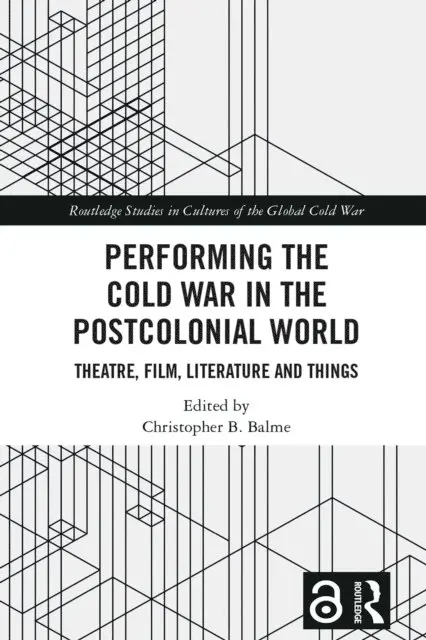
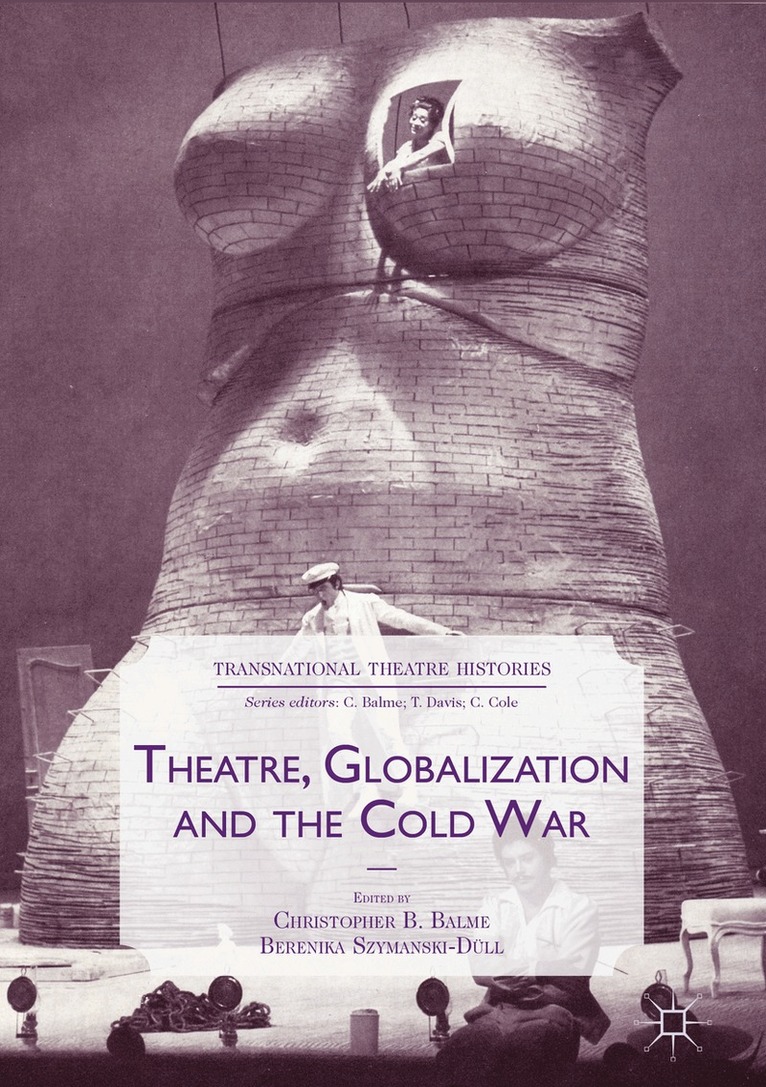
This volume explores how the Cultural Cold War played out in Africa and Asia in the context of decolonization. Both the United States and the Soviet Union as well as East European states undertook significant efforts to influence cultural life in the newly independent, postcolonial world.
The different forms of influence are the subject of this book. The contributions are grouped around four topic headings. "Networks and Institutions" looks at the various ways Western-style theatre became institutionalized in the decolonial world, especially Africa. "Cultural Diplomacy" focuses on the activities of the Soviet Union in India in the late 1950s and 1960s in the very different arenas of book publishing and the circus. "Artists and Agency" explores how West African filmmakers (Ousmane Sembène and Abderrahmane Sissako) and European authors (Brecht and Ibsen) were harnessed for different kinds of Cold War strategies. Finally, "Cultures of Things" investigates how everyday objects such as books and iconic theatre buildings became suffused with affect, nostalgia, and ideology.
This book will be of interest for students of the Cold War, postcolonial studies, theatre, film, and literature.
Chapters 1, 4, 8, and 11 of this book is freely available as a downloadable Open Access PDF at http://www.taylorfrancis.com under a Creative Commons [Attribution-Non Commercial-No Derivatives (CC-BY-NC-ND)] 4.0 license.
Funded by the European Research Council Project "Developing Theatre".
779 kr
Läs direkt efter köp
This volume explores how the Cultural Cold War played out in Africa and Asia in the context of decolonization. Both the United States and the Soviet Union as well as East European states undertook significant efforts to influence cultural life in the newly independent, postcolonial world.
The different forms of influence are the subject of this book. The contributions are grouped around four topic headings. "Networks and Institutions" looks at the various ways Western-style theatre became institutionalized in the decolonial world, especially Africa. "Cultural Diplomacy" focuses on the activities of the Soviet Union in India in the late 1950s and 1960s in the very different arenas of book publishing and the circus. "Artists and Agency" explores how West African filmmakers (Ousmane Sembène and Abderrahmane Sissako) and European authors (Brecht and Ibsen) were harnessed for different kinds of Cold War strategies. Finally, "Cultures of Things" investigates how everyday objects such as books and iconic theatre buildings became suffused with affect, nostalgia, and ideology.
This book will be of interest for students of the Cold War, postcolonial studies, theatre, film, and literature.
Chapters 1, 4, 8, and 11 of this book is freely available as a downloadable Open Access PDF at http://www.taylorfrancis.com under a Creative Commons [Attribution-Non Commercial-No Derivatives (CC-BY-NC-ND)] 4.0 license.
Funded by the European Research Council Project "Developing Theatre".
2 552 kr
Skickas inom 10-15 vardagar
658 kr
Skickas inom 10-15 vardagar
1 641 kr
Skickas inom 5-8 vardagar
2 107 kr
Skickas inom 5-8 vardagar
1 691 kr
Skickas inom 5-8 vardagar
496 kr
Läs direkt efter köp
496 kr
Läs direkt efter köp
591 kr
Skickas inom 5-8 vardagar
576 kr
Läs direkt efter köp
570 kr
Läs direkt efter köp
512 kr
Skickas inom 5-8 vardagar
411 kr
Läs direkt efter köp
408 kr
Läs direkt efter köp
574 kr
Skickas inom 5-8 vardagar
1 612 kr
Läs direkt efter köp
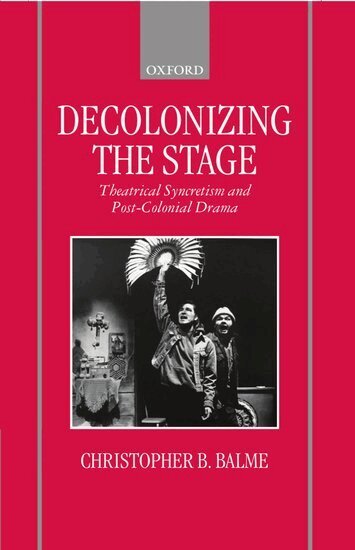
Die vorliegende Untersuchung befaßt sich mit ästhetischen Mischformen des postkolonialen Theaters, d.h. mit dramatischen Texten und Aufführungen aus den ehemaligen Kolonialländern des britischen Empire. Im Mittelpunkt der Betrachtung steht der Begriff des Theatersynkretismus. Darunter wird eine synthetische Theaterform verstanden, in der die indigenen Kultur- und Darstellungselemente der betreffenden Länder mit europäischen Theaterkonzepten vermischt werden. Untersucht werden Stücke und Theaterformen aus Nigeria, Südafrika, der Karibik, Australien, Neuseeland und Kanada. In einzelnen, nach systematischen Gesichtspunkten gegliederten Kapiteln wird untersucht, wie in den synkretischen Theaterformen dieser Länder dem europäischen Theatermodell andere performative Strukturen gegenübertreten. Von zentraler Bedeutung ist dabei die orale Sprach- und Dichtungstradition gegenüber der schriftlichen, der Vorrang von Tanz, Musik und Rhythmus gegenüber der dialogischen Ausdrucksebene. Strategien wie Ritualisierung definieren Raum und Bewegung neu, eine differenzierte Körperästhetik und die Einbeziehung zahlreicher Varianten von Maskierung und Körperbemalung bestimmen die Ästhetik synkretischen Theaters mit jeweils unterschiedlicher, kulturspezifischer Akzentuierung. Besprochen werden u.a. Theaterstücke von Wole Soyinka, Ola Rotimi, Derek Walcott, Jack Davis, Tomson Highway.
1 250 kr
Skickas inom 10-15 vardagar
1 138 kr
Läs direkt efter köp
911 kr
Skickas inom 10-15 vardagar
1 744 kr
Skickas inom 5-8 vardagar
Die vorliegende Untersuchung befaßt sich mit ästhetischen Mischformen des postkolonialen Theaters, d.h. mit dramatischen Texten und Aufführungen aus den ehemaligen Kolonialländern des britischen Empire. Im Mittelpunkt der Betrachtung steht der Begriff des Theatersynkretismus. Darunter wird eine synthetische Theaterform verstanden, in der die indigenen Kultur- und Darstellungselemente der betreffenden Länder mit europäischen Theaterkonzepten vermischt werden. Untersucht werden Stücke und Theaterformen aus Nigeria, Südafrika, der Karibik, Australien, Neuseeland und Kanada. In einzelnen, nach systematischen Gesichtspunkten gegliederten Kapiteln wird untersucht, wie in den synkretischen Theaterformen dieser Länder dem europäischen Theatermodell andere performative Strukturen gegenübertreten. Von zentraler Bedeutung ist dabei die orale Sprach- und Dichtungstradition gegenüber der schriftlichen, der Vorrang von Tanz, Musik und Rhythmus gegenüber der dialogischen Ausdrucksebene. Strategien wie Ritualisierung definieren Raum und Bewegung neu, eine differenzierte Körperästhetik und die Einbeziehung zahlreicher Varianten von Maskierung und Körperbemalung bestimmen die Ästhetik synkretischen Theaters mit jeweils unterschiedlicher, kulturspezifischer Akzentuierung. Besprochen werden u.a. Theaterstücke von Wole Soyinka, Ola Rotimi, Derek Walcott, Jack Davis, Tomson Highway.