Christopher Knüsel – författare
Visar alla böcker från författaren Christopher Knüsel. Handla med fri frakt och snabb leverans.
5 produkter
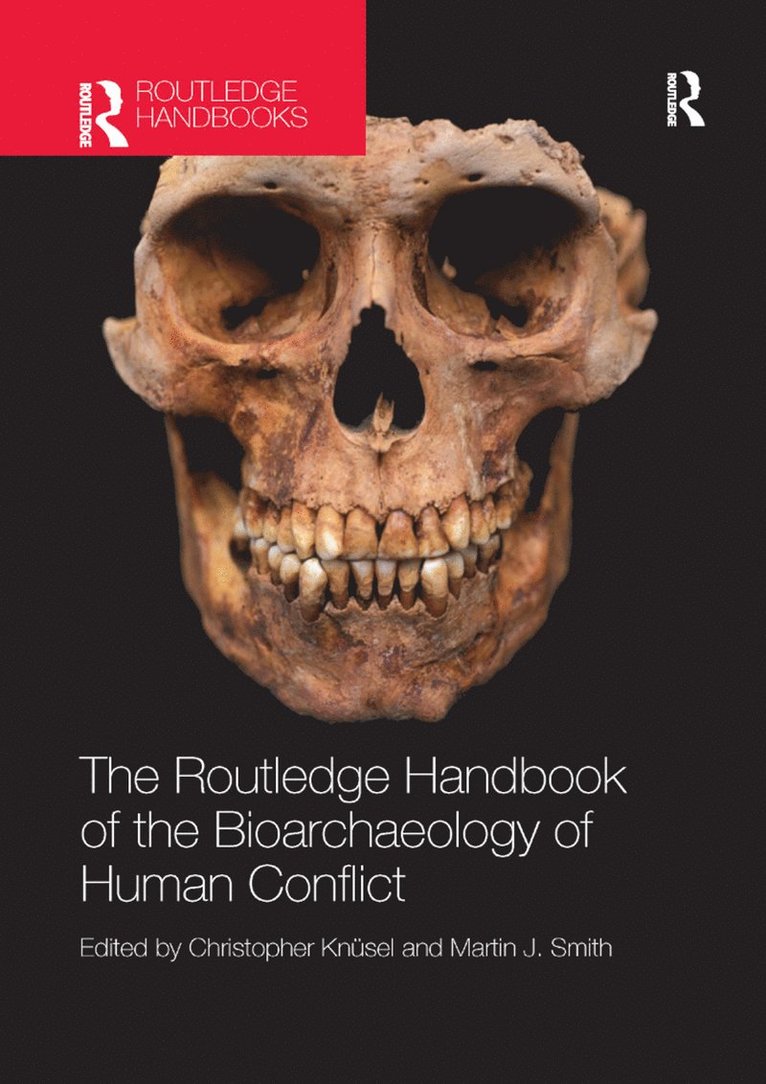
Routledge Handbook of the Bioarchaeology of Human Conflict
Av Christopher Knüsel, Martin Smith
Häftad, 2019
831 kr
Lägg i varukorg
If human burials were our only window onto the past, what story would they tell? Skeletal injuries constitute the most direct and unambiguous evidence for violence in the past. Whereas weapons or defenses may simply be statements of prestige or status and written sources are characteristically …
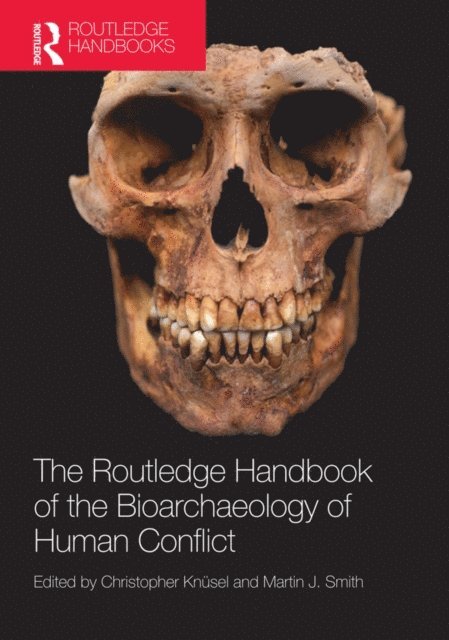
Routledge Handbook of the Bioarchaeology of Human Conflict
Av Christopher Knüsel, Martin Smith
Inbunden, 2013
4354 kr
Lägg i varukorg
If human burials were our only window onto the past, what story would they tell? Skeletal injuries constitute the most direct and unambiguous evidence for violence in the past. Whereas weapons or defenses may simply be statements of prestige or status and written sources are characteristically …
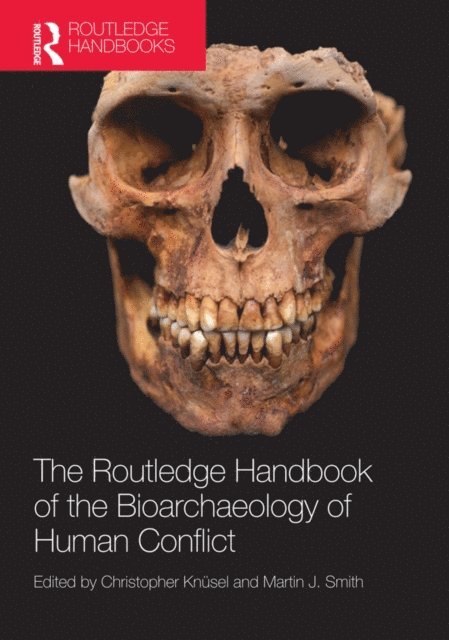
Routledge Handbook of the Bioarchaeology of Human Conflict
Av Martin Smith, Christopher Knusel
E-bok, 2013
981 kr
Lägg i varukorg
If human burials were our only window onto the past, what story would they tell? Skeletal injuries constitute the most direct and unambiguous evidence for violence in the past. Whereas weapons or defenses may simply be statements of prestige or status and written sources are characteristically …
Routledge Handbook of the Bioarchaeology of Human Conflict
Av Martin Smith, Christopher Knusel
E-bok, 2013
960 kr
Lägg i varukorg
If human burials were our only window onto the past, what story would they tell? Skeletal injuries constitute the most direct and unambiguous evidence for violence in the past. Whereas weapons or defenses may simply be statements of prestige or status and written sources are characteristically …
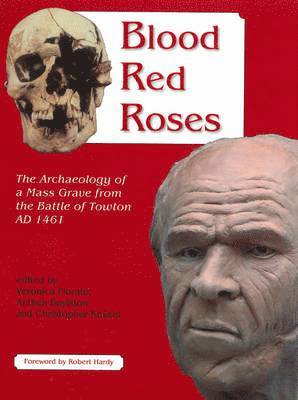
Blood Red Roses
The Archaeology of a Mass Grave from the Battle of Towton AD 1461, second edition
Av Veronica Fiorato, Anthea Boylston m. fl.
Häftad, 2007
454 kr
Tillfälligt slut
The Battle of Towton in North Yorkshire, fought during the Wars of the Roses, was reputedly the bloodiest battle ever seen on English soil. In 1996 a mass grave of soldiers was discovered there by chance. This was the catalyst for a multi-disciplinary research project, still unique in Britain ten …