Claudine Grammont - Böcker
Visar alla böcker från författaren Claudine Grammont. Handla med fri frakt och snabb leverans.
5 produkter
5 produkter
476 kr
Skickas inom 7-10 vardagar
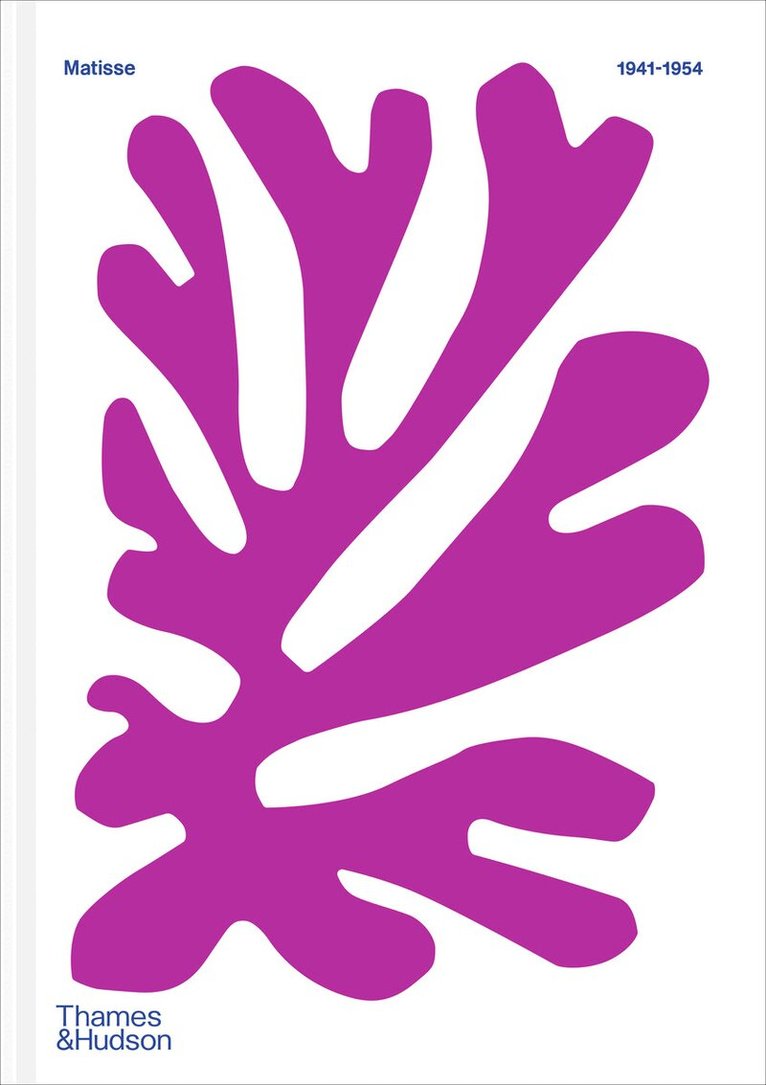
Published to accompany the major exhibition at the Grand Palais, Paris, Colour Unbound reveals the dazzlingly original work of Matisse’s final years. 1941 marked a turning point in the life and work of Henri Matisse. At the age of seventy-two, he underwent major surgery that left him physically fragile. Yet Matisse viewed this moment not as a setback but as an opportunity ‘to make the greatest progress of my life’. From that point until his death in 1954, he entered one of the most inspired and productive periods of his career. During those years, he created some of his greatest masterpieces – from the Chapel of the Rosary in Vence to his luminous cut-out gouaches, including Jazz. Vibrant and full of life, his late work stands in striking contrast to his declining physical state: dynamic, immediate and universally accessible. Published to accompany the major exhibition at the Grand Palais, this catalogue brilliantly captures this late burst of creative vitality. Elegantly designed and beautifully printed, it brings together superb full-page reproductions of Matisse’s artworks alongside rarely seen photographs of his studio, taken by renowned photographers such as Adant, Capa, Carone, Cartier-Bresson, Sima and Maywald. This visual dialogue – enriched by expert commentary – offers a deeper understanding of Matisse’s final years and vividly conveys the synergy between art and life.
2 760 kr
Skickas inom 7-10 vardagar
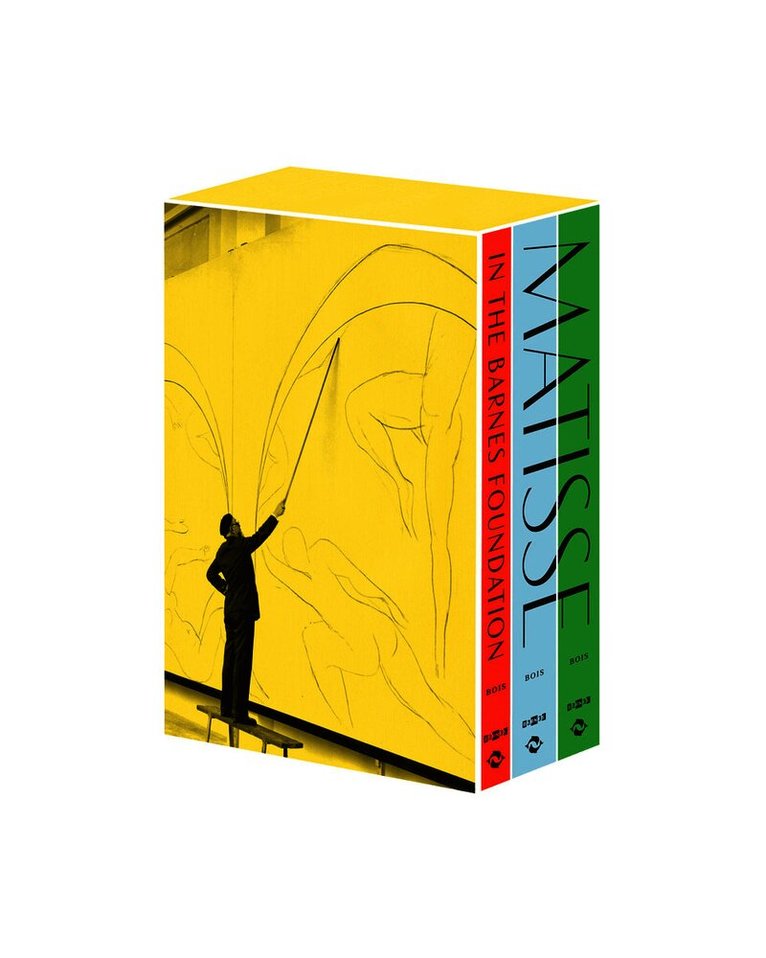
A landmark compendium - the first authoritative publication to cover in its entirety one of the most significant holdings of Matisse in the world. Here is a vibrant celebration - slipcased and beautifully produced - of the Barnes's extraordinary Matisse collection. Composed of fifty-nine works from every stage of the artist's career, it is among the most important in the world. At its heart are Matisse's most historically significant paintings, Le Bonheur de vivre, also called The Joy of Life, and The Dance, the monumental mural that Albert C. Barnes commissioned to fill the lunettes of the Foundation's main gallery, transforming both the space and the artist's career. An essay by Yve-Alain Bois addresses the evolution of The Dance and its role in Matisse's career; Karen Butler looks at what Barnes thought of Matisse; and Claudine Grammont's considers how and why he collected his work. The artworks themselves, sumptuously reproduced, are the subjects of interpretive analyses that tell the stories of their acquisition and address their critical reception. The book includes major contributions by Barbara Buckley and Jennifer Mass on the artist’s technique and a report on the latest findings on the pigments used in Le Bonheur de vivre.
587 kr
Skickas inom 3-6 vardagar
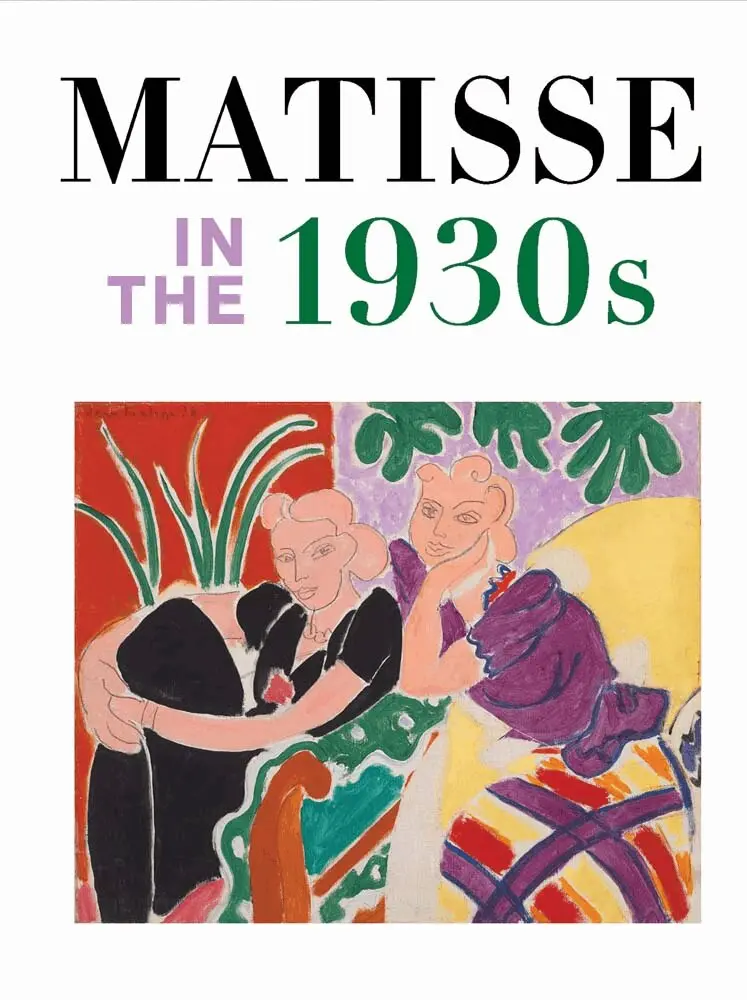
The first in-depth examination of Matisse’s work in the 1930s, a key decade of creative innovation and renewal for this celebrated artistIn 1930, as Henri Matisse (1869–1954) embarked on The Dance, a monumental mural commissioned by the American collector Albert C. Barnes, he began experimenting in ways that would permanently change the nature of his work. The use of pre-painted cut papers to lay out his compositions led to a new style of flat tones and bold shapes. He also increasingly used serial imagery to make visible his creative process, aiming to capture the flux of his own perceptions and emotions in the work of art. This volume highlights and explains pivotal transformations in Matisse’s work in the 1930s across a range of media, including mural and easel painting, sculpture, printmaking, drawing, and the illustrated book. The transatlantic contributors also look at the relationship between Matisse and the Parisian art journal Cahiers d’art, which played an outsized role in publicizing Matisse’s work during this period, and consider his exhibitions, his ongoing involvement with decorative painting, his studio as a creative laboratory, and the role of his model and muse Lydia Delectorskaya in his studio practice.Published in association with the Philadelphia Museum of Art and Musées d’Orsay et de l’OrangerieExhibition Schedule:Philadelphia Museum of Art(October 20, 2022–January 29, 2023)Musée de l’Orangerie, Paris(February 28–May 29, 2023)Musée Matisse, Nice(June 23–September 24, 2023)
603 kr
Skickas inom 3-6 vardagar
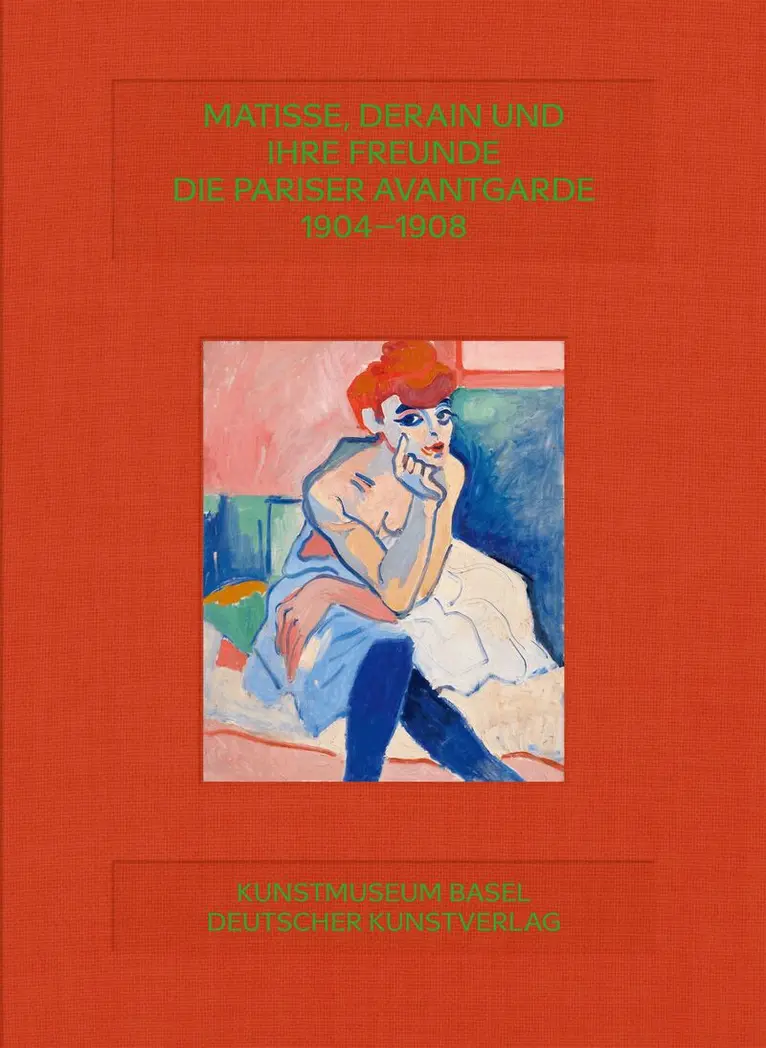
At the beginning of the 20th century, a group of artists around Henri Matisse and André Derain were carrying out revolutionary colour experiments. The art critic Louis Vauxcelles gave them their name in 1905: the "Fauves". Translated into English, this means something like "beasts" or "wild animals". This catalogue is being published for the first survey exhibition on the Fauves staged in Switzerland for decades. It presents the expressive painting style and unusual colour combinations employed by Matisse, Derain and their companions in the years 1904 to 1908, situating them in the aesthetic and socio-political debates of that time. The male connotation of the term Fauves already suggests the exclusion of women artists on a conceptual level. The exhibition and catalogue challenge this traditional view and draw attention to female protagonists on the Paris art scene. Richly illustrated and supplemented by new art-historical research contributions, the publication offers an insight into the diversity of the colourful painting by the "beasts". Fauvism – the first avantgarde movement of the 20th century Brilliant colour experiments in a break with academic conventions Exhibition: Kunstmuseum Basel, New building, September 2, 2023 to January 2, 2024 Look inside
603 kr
Skickas inom 3-6 vardagar
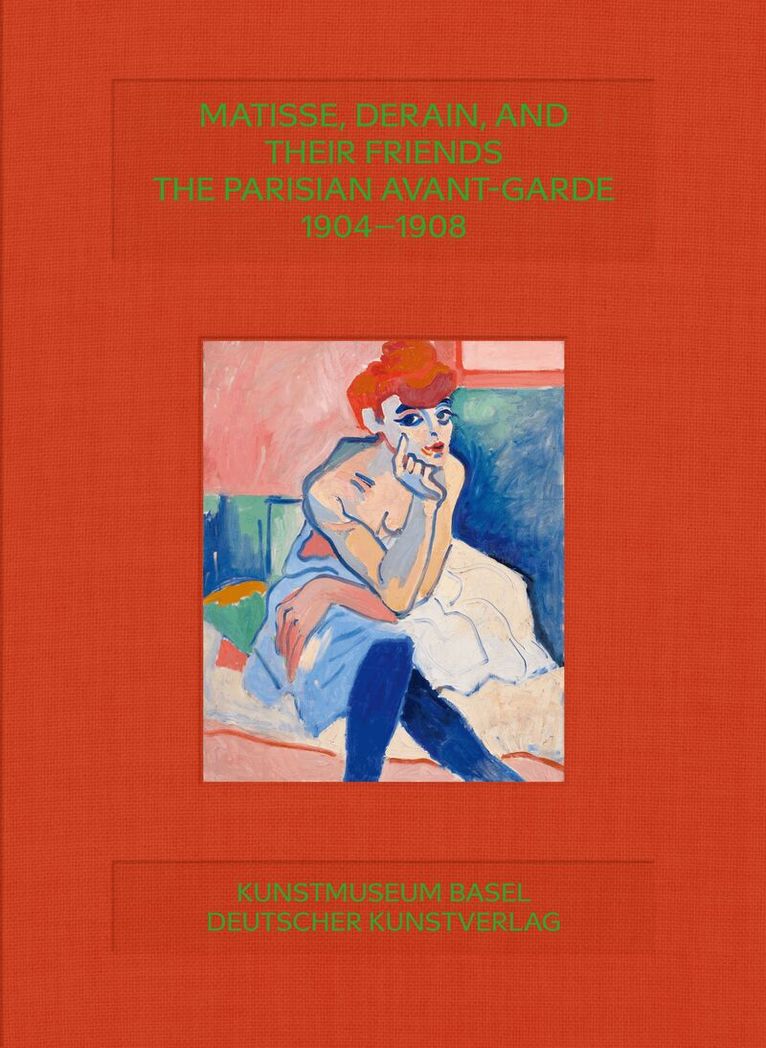
At the beginning of the 20th century, a group of artists around Henri Matisse and André Derain were carrying out revolutionary colour experiments. The art critic Louis Vauxcelles gave them their name in 1905: the "Fauves". Translated into English, this means something like "beasts" or "wild animals". This catalogue is being published for the first survey exhibition on the Fauves staged in Switzerland for decades. It presents the expressive painting style and unusual colour combinations employed by Matisse, Derain and their companions in the years 1904 to 1908, situating them in the aesthetic and socio-political debates of that time. The male connotation of the term Fauves already suggests the exclusion of women artists on a conceptual level. The exhibition and catalogue challenge this traditional view and draw attention to female protagonists on the Paris art scene. Richly illustrated and supplemented by new art-historical research contributions, the publication offers an insight into the diversity of the colourful painting by the "beasts". Fauvism – the first avantgarde movement of the 20th century Brilliant colour experiments in a break with academic conventions Exhibition: Kunstmuseum Basel, New building, September 2, 2023 to January 2, 2024 Look inside